 Contact Us Now
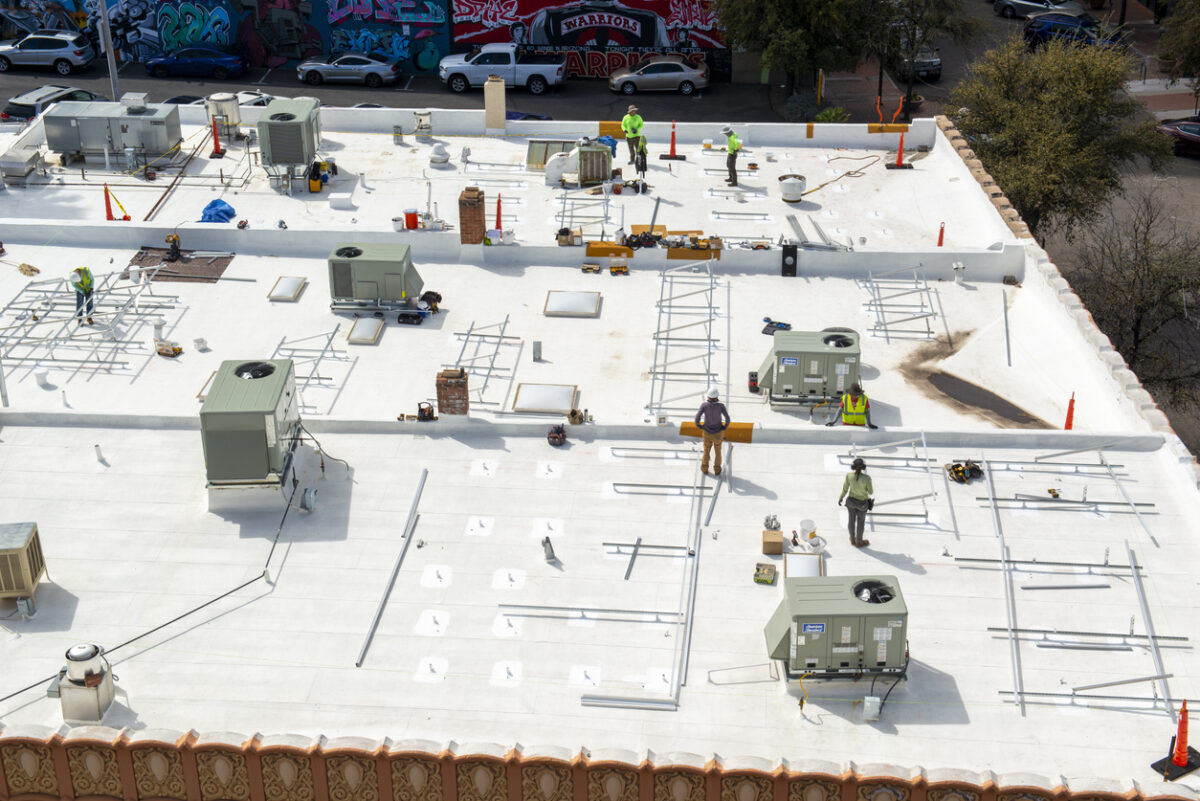
Commercial Roof Claims in Cheyenne, WY
Commercial Roof Claims is not useful until the roof condition, access plan, and weather risk are clear. We consider Cheyenne Regional Airport facilities, High Plains wind and hail exposure, Laramie County public buildings, and Dell Range Boulevard retail roofs before we recommend work.
That keeps the scope tied to the roof that is actually on the building: membrane condition, seams, metal, drainage, rooftop units, access, tenant needs, and timing.
We are your roofing contractor, not a public adjuster, we document and substantiate the roof damage so you and your adjuster work from an accurate scope. For the full claims process, see Commercial Roof Insurance Claim Assistance.
Hail events on the high plains are not the dime-sized nuisances familiar to milder markets. Cheyenne sits in a region where late spring and early summer convective storms produce large, hard hail at significant density, stones in the 1.5 to 2.5 inch diameter range are not uncommon during severe events, and the high-altitude storm dynamics that produce them also generate the kind of hail density that leaves a roof field looking like it was struck with a ball-peen hammer across every square foot. A thorough damage documentation process, begun immediately after a storm, is the difference between a fully paid claim and a partial settlement that leaves the building owner absorbing costs that should be covered.
Wind damage from Cheyenne's high-plains wind events is equally significant as a claims driver. Sustained winds of 40 to 60 mph during front passages and gusts above 70 mph during the strongest events can blow off edge metal, lift membrane at perimeter flashings, and peel back unsecured insulation and membrane sections on large flat roofs. These are sudden, dramatic failures that are clearly storm-caused, but the documentation must establish that the damage was not pre-existing, which is why photographic documentation of pre-storm roof condition is a valuable tool for any building owner in Cheyenne who carries a commercial property policy.
Insurance carrier adjusters for commercial hail and wind claims in Wyoming have significant variability in their familiarity with high-plains roofing products and failure modes. A carrier adjuster who primarily works small-claim work may not know how to identify functional hail damage on a TPO membrane, EPDM field, or standing seam metal panel. We work alongside Cheyenne building owners and their public adjusters to provide technical documentation, damage mapping, material samples, pull test records, and expert narrative, that translates what the roof is telling us into terms that support the claim. We document damage to industry standards, including HAAG Engineering methodology for hail damage assessment.
The timing of a post-storm inspection matters for Cheyenne claims. A hail event in late May or early June may not produce visible interior leakage for weeks or months, because the membrane may be damaged but not fully breached until freeze-thaw cycling or UV exposure advances the crack or fracture point through the full membrane thickness. Building owners who wait for a leak before calling a contractor may find their claim complicated by the carrier arguing that the damage could have been caused by subsequent events or deferred maintenance rather than the documented storm. We recommend requesting a professional inspection within 30 days of any significant hail or wind event, regardless of whether interior leakage has appeared.
F.E. Warren Air Force Base adjacent contractor facilities in Cheyenne, the support businesses, warehousing, and service operations that cluster along the Highway 85 corridor and the north Cheyenne commercial areas, have the same exposure to hail and wind events as any other Cheyenne commercial property. These businesses often operate under government subcontracts with tight operational timelines, which means a storm-damaged roof that is not promptly repaired can jeopardize their ability to meet contract obligations. We treat claims for these facilities with the same urgency as direct government work, providing rapid damage assessment and temporary protection installation so the business can continue operating while the claim is processed.
Claim documentation for large logistics and warehouse facilities requires a systematic approach that the carrier can follow clearly. A 200,000-square-foot roof cannot be documented with a handful of photos, it requires a grid-referenced damage map, photo documentation of representative damage at each grid zone, material identification and age documentation, and a replacement cost estimate that reflects current Cheyenne material and labor costs. We produce this documentation package as a standard deliverable for any commercial claim engagement, and we present it in a format organized for the carrier's review rather than requiring the adjuster to interpret raw inspection notes.
Supplement claims are a normal part of the commercial claims process in Wyoming, and building owners should expect them. Initial carrier estimates frequently undercount the scope of damage, miss flashing replacement costs, or use material pricing that does not reflect current Cheyenne market conditions. When we identify a discrepancy between the carrier's estimate and the actual scope required to restore the roof to pre-loss condition, we prepare a documented supplement with line-item support for every additional item. Most carriers will respond to a well-documented supplement with reasonable efficiency; contested supplements may require negotiation or public adjuster involvement.
Preventive documentation is the least-discussed but most valuable part of commercial roof claims management. Building owners who maintain annual inspection reports, repair records, and pre-storm condition photographs have a significantly stronger claims position than those who cannot document the pre-storm condition of the roof. We recommend that any Cheyenne commercial property owner carrying replacement cost coverage maintain a current-year inspection report, produced by a licensed contractor rather than a cursory self-inspection, as part of their annual risk management program. The cost of an annual inspection is a fraction of the claims adjustment disputes that the documentation prevents.
Questions Owners Ask
How soon after a hail storm should we get a roof inspection?
Within 30 days of a documented hail event is the target. Most commercial property policies have a requirement to report claims promptly, and waiting for interior leakage before inspecting can complicate the causal link between the storm and the damage. Early inspection also allows us to install temporary protection at any breached areas before the next precipitation event causes additional interior damage. We prioritize storm response inspections and can typically schedule within 48 to 72 hours of a request following a significant event.
What does functional hail damage mean on a commercial roof?
Functional damage means the hail impact has compromised the membrane's ability to perform its primary function, keeping water out, even if the membrane is not yet fully breached. On TPO and EPDM membranes, functional damage includes fracturing of the membrane face, cracking at lap seams, and granule loss on modified bitumen that exposes the base sheet to UV. On metal panels, functional damage includes dents that have fractured the paint system and exposed bare metal to corrosion. Cosmetic damage, dents on metal that do not fracture the coating, may not constitute functional damage for claims purposes, and the distinction matters for how the claim is adjusted.
Can we use our own contractor for storm repairs and still file a claim?
Yes, you can use a contractor of your choice. The key is to ensure that the repair scope is documented before work begins and that any damaged material is preserved for carrier inspection if the adjuster has not yet inspected. Carriers cannot require you to use their preferred contractor for commercial property claims. We recommend notifying your carrier before beginning any non-emergency repairs and keeping the damaged material samples as documentation support. For emergency temporary repairs to prevent additional damage, proceed immediately and document everything photographically.
What if the carrier's estimate is lower than what the repair actually costs?
File a supplement with line-item support for the additional scope. Common underpayments in Wyoming commercial claims include missing flashing replacement, underpriced current material costs, omitted insulation replacement where hail impact damaged the thermal layer, and incorrect area measurements on complex roofs. A well-documented supplement addressing each line item specifically is the most effective path to a fair settlement. If the carrier disputes the supplement, engagement of a public adjuster or an appraisal process under the policy's appraisal clause may be appropriate.
Does our roof age affect what the carrier will pay?
It depends on your policy. Replacement cost value (RCV) policies pay the cost to replace the damaged roof with a new roof of like kind and quality, regardless of the existing roof's age. Actual cash value (ACV) policies apply depreciation based on the roof's age and condition, so an older roof generates a lower claim payment. Many commercial property policies include a recoverable depreciation provision, the carrier pays ACV initially and releases the withheld depreciation after the replacement is completed. Understanding your policy terms before a storm event is important; we can help you read the roofing-specific language in your policy if you are uncertain.
Related Roof Work
Useful next pages for this roof decision.
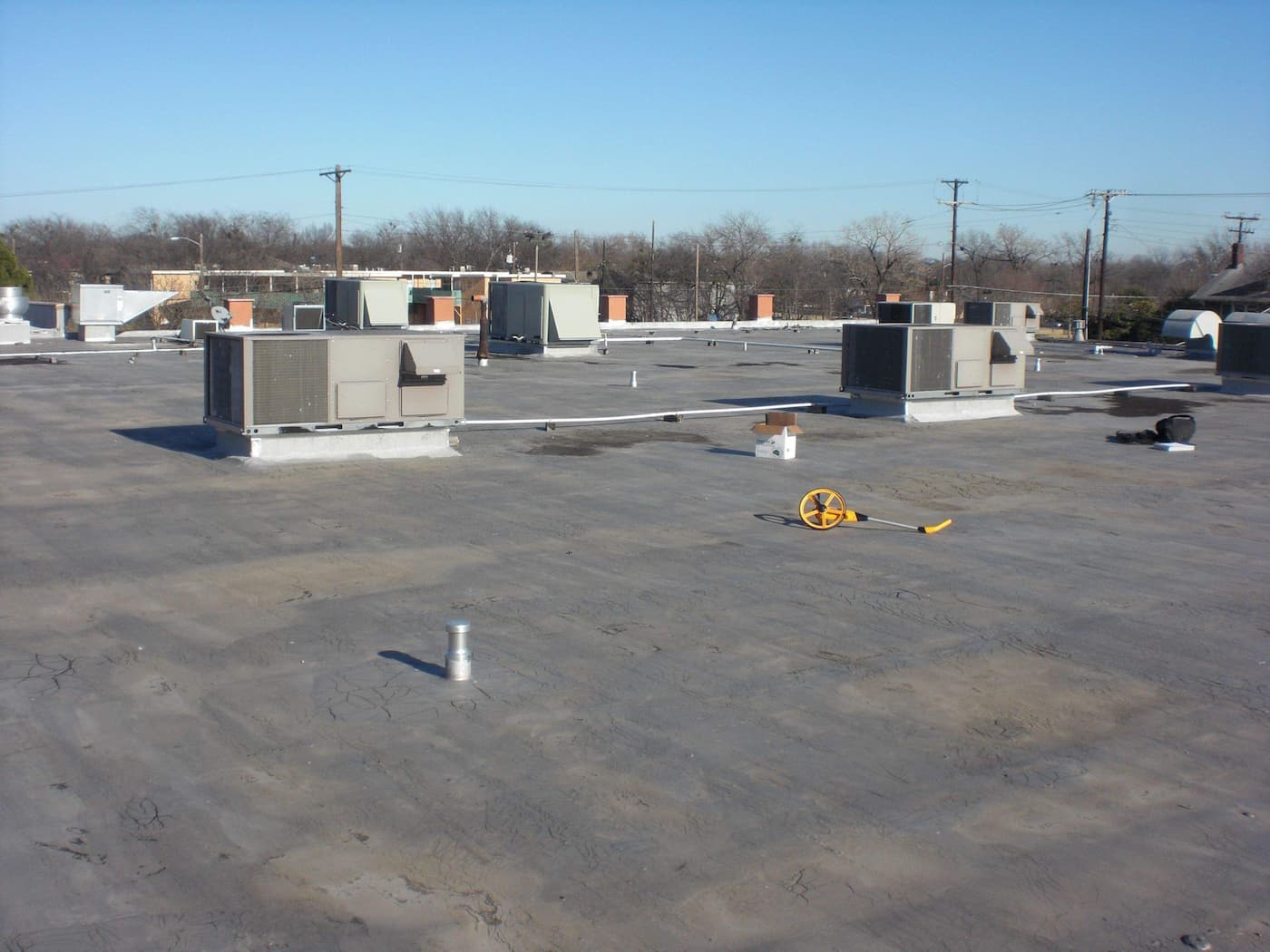
Hail Damage Claims
Cheyenne is among the most hail-struck cities in the country. See how we document hail impacts for a claim.
View Scope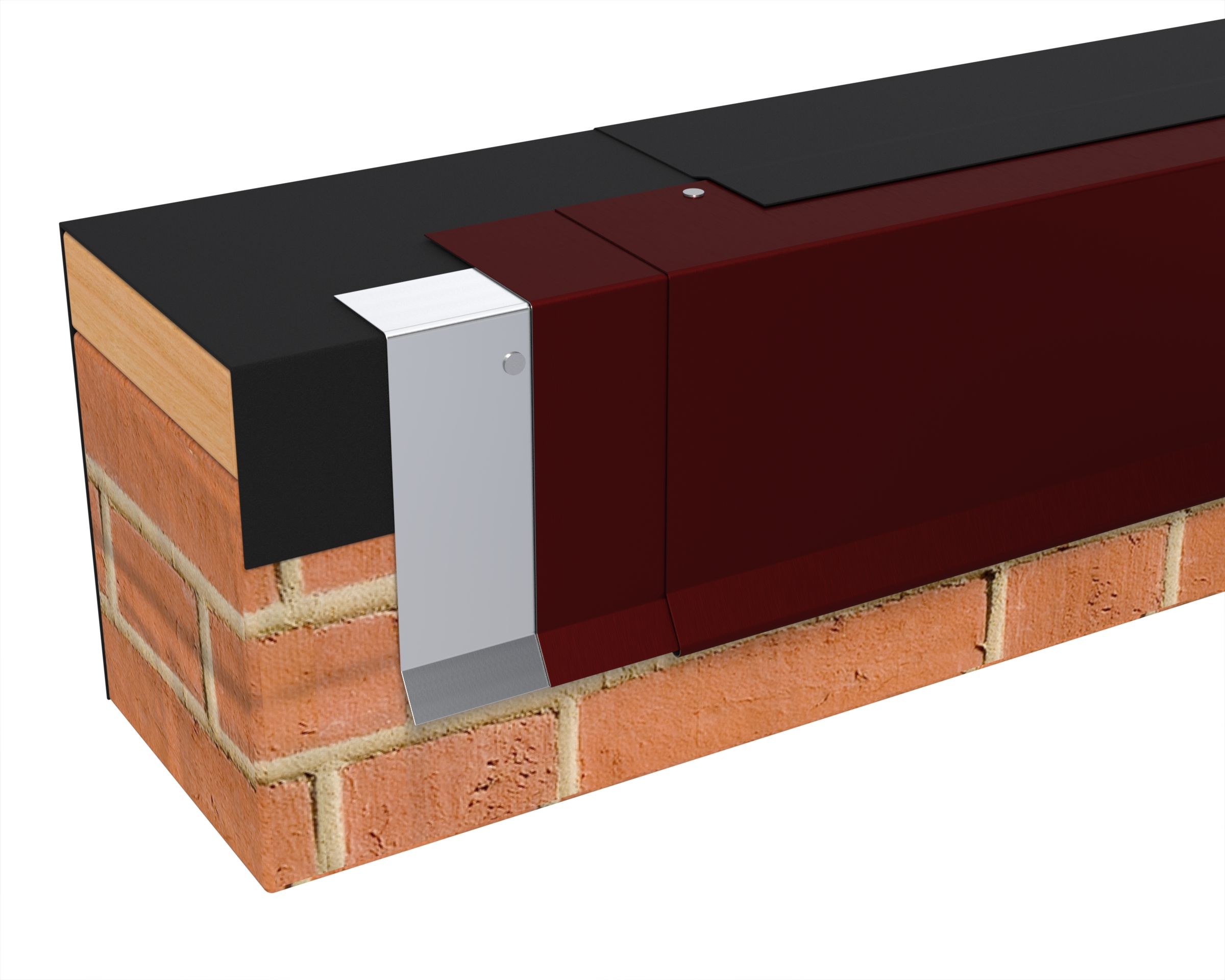
Wind & Storm Damage Claims
High-plains wind events peel edge metal and lift membrane seams. See how we document wind-driven roof damage.
View Scope
Competitive Bid Coordination
Competitive Bid Coordination is scoped around snow drift at parapets and rooftop units, Capitol Avenue office buildings, and F.E. Warren Air Force Base area contractors. The scope stays practical: stop water first, document the roof, then choose the repair or replacement path that fits the building.
View Scope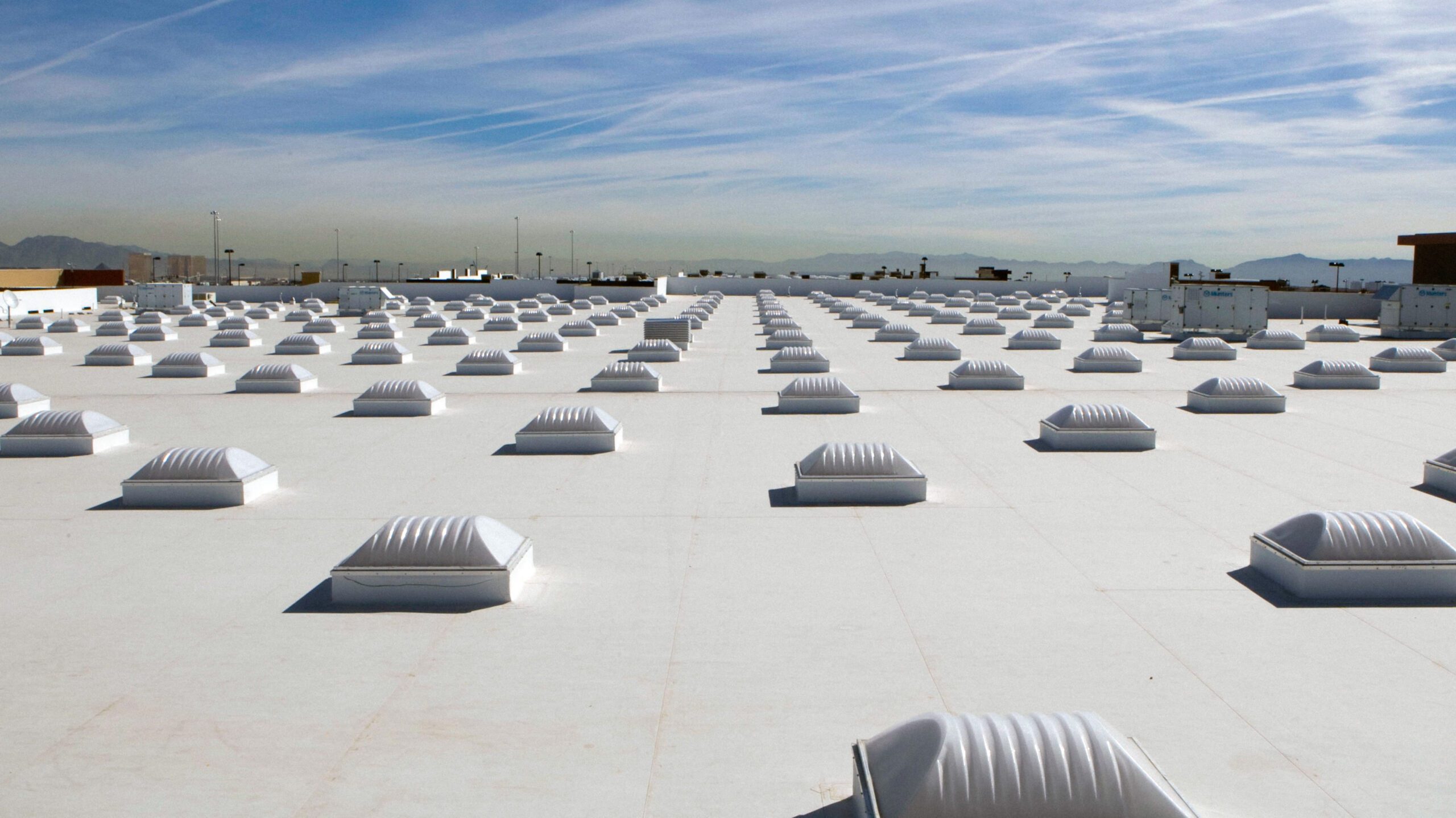
Cool Roof Systems
Cool Roof Systems is scoped around Capitol Avenue office buildings, F.E. Warren Air Force Base area contractors, and freeze-thaw cycles after spring storms. We keep access, weather windows, and tenant disruption in the plan before crews step onto the roof.
View Scope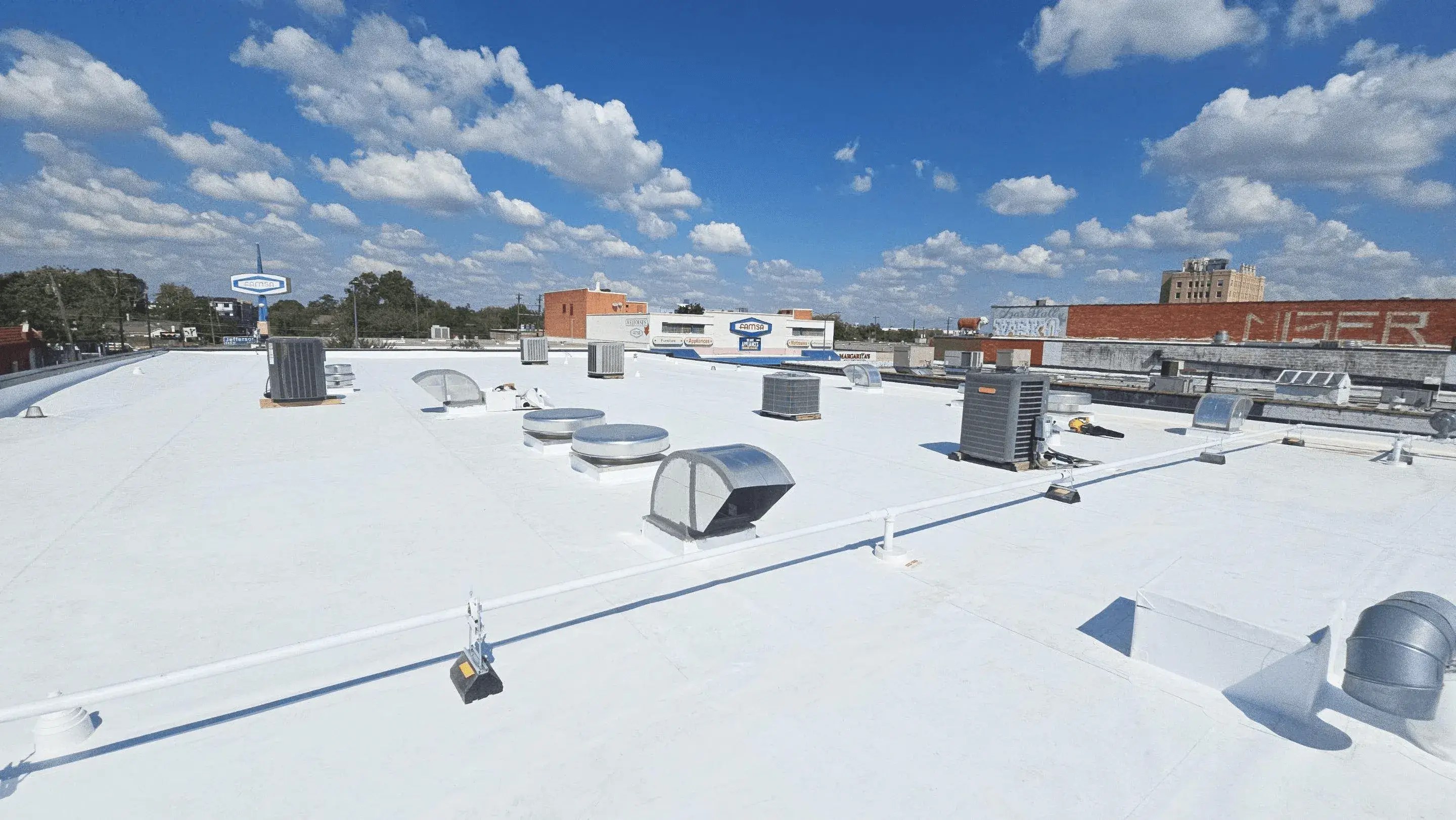
Due-Diligence Roof Reports
Due-Diligence Roof Reports is scoped around the I-25 and I-80 freight interchange, Frontier Mall and nearby service buildings, and snow drift at parapets and rooftop units. Every recommendation is tied to observed conditions, not a prewritten roof package.
View ScopeGet the roof decision into writing.
Tell us what changed on the roof, where the building sits, and who needs the report. We will turn the next step into a clear scope.