 Contact Us Now
Wind & Storm Damage Roof Insurance Claims in Cheyenne, WY
Wyoming's I-80 and I-25 corridors sit in one of the country's most consistent high-wind zones, and Cheyenne itself is known for downslope windstorms that come off the front range with little warning. We document wind-driven roof damage the way a claim actually needs to see it: mapped, measured, and tied to what happened on the roof.
We are your roofing contractor, not a public adjuster, we document and substantiate the roof damage so you and your adjuster work from an accurate scope.
Cheyenne's wind exposure is not seasonal in the way hail is, it is a near-constant condition of the site. The city sits at the base of the Front Range where terrain funnels and accelerates wind, producing sustained speeds in the 40 to 60 mph range on a routine basis and downslope events that can push gusts well past 70 mph. Roofs along the I-80 corridor and around the Cheyenne Regional Airport see some of the highest sustained exposure in the state, and buildings with large, unobstructed flat roof fields are especially vulnerable to uplift at the perimeter and at rooftop unit curbs.
Wind damage on a commercial roof rarely looks like a single obvious event. A membrane can lift at a lap seam without fully detaching, edge metal can loosen at the fasteners without visibly separating, and insulation can shift under the membrane without an immediate leak. We inspect every seam, every parapet edge, and every rooftop unit curb after a reported wind event, because the damage that causes the next leak is often the damage that is not yet obvious from the ground or from a quick walk of the field.
Documentation for a wind claim needs to establish two things: that the damage exists and that it is consistent with a specific wind event. We photograph the failure points, measure the extent of lifted or missing material, and note wind speed data for the reported date where available. That package supports the claim narrative without us stepping into the role of arguing causation with the carrier, that determination sits with the adjuster and the policy language.
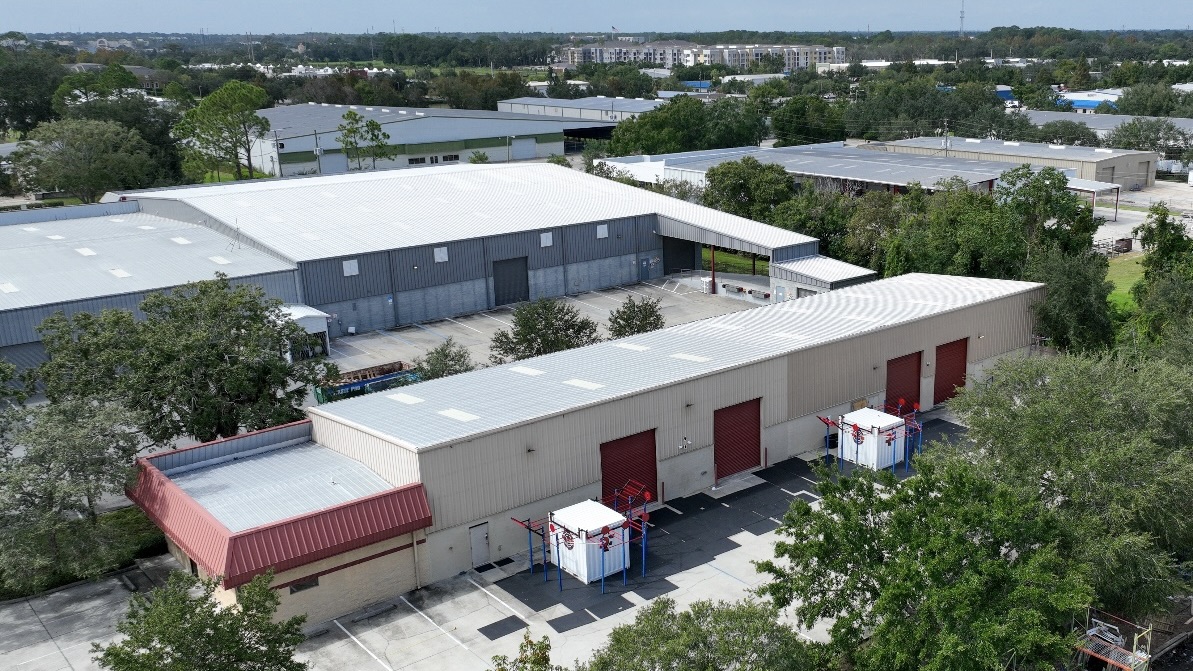
Businesses along the Highway 85 corridor near F.E. Warren Air Force Base and the logistics and warehouse operations along I-80 often carry large, low-slope roof fields that are especially exposed to wind uplift. A single storm can affect tens of thousands of square feet, which means the documentation has to be systematic, a grid-referenced damage map rather than a handful of representative photos, so the carrier can follow the scope without guessing at what was and was not affected.
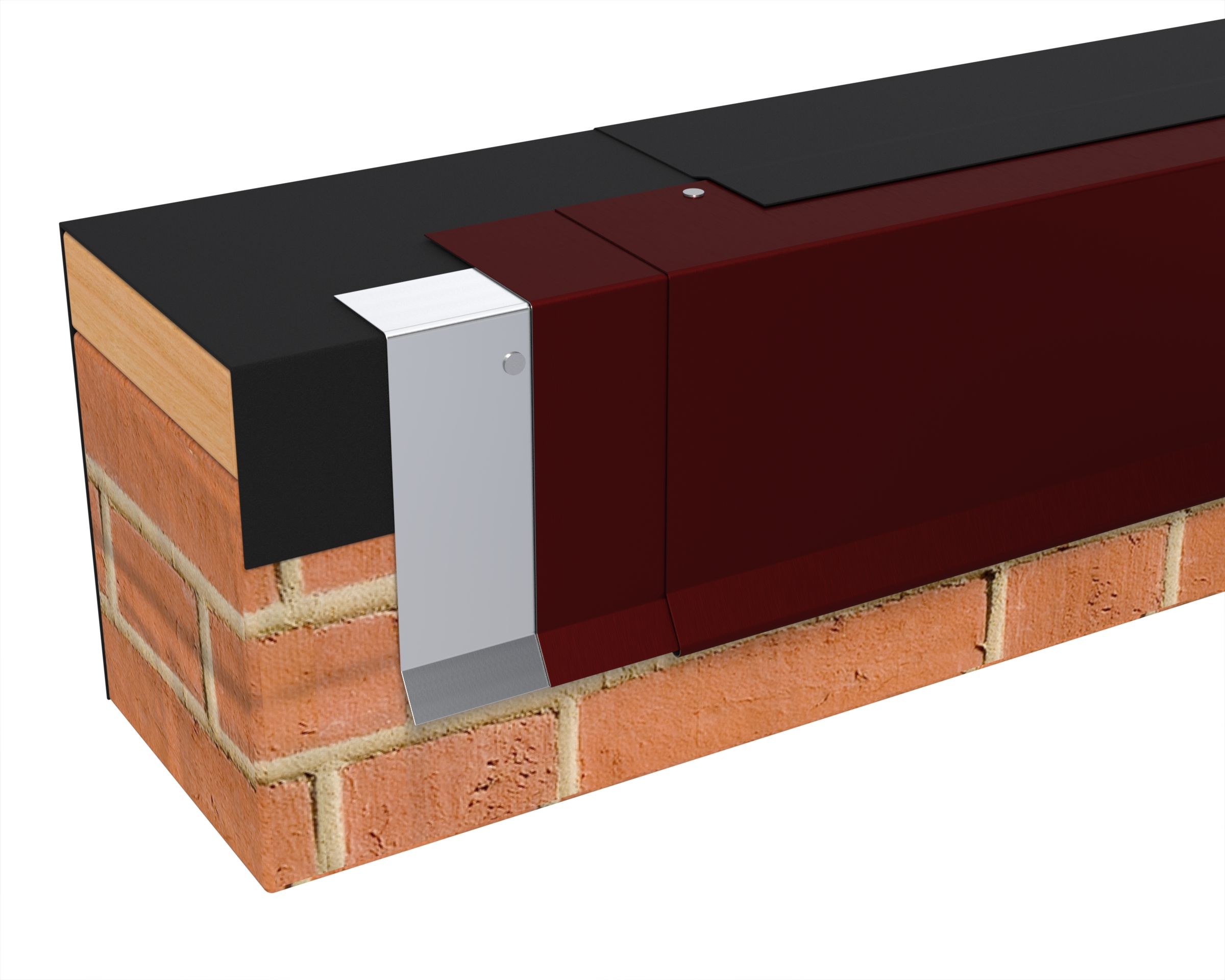
Repair scopes for wind damage commonly include edge metal replacement, membrane resecurement or patching at lifted seams, and flashing repair at parapets and penetrations. When the existing fastening pattern does not meet current wind-uplift code requirements, we flag that as a separate line item, because bringing the roof up to current code during a wind-damage repair is often required and is a cost that a carrier estimate can miss if the inspector is not looking for it.
Wind & Storm Claim Questions
How much wind does it take to damage a commercial roof?
Sustained winds in the 40 to 60 mph range during a front passage can lift edge metal and unsecured membrane on an older or under-fastened roof, and gusts above 70 mph during a severe downslope event can peel back entire membrane sections. Roof age, fastening pattern, and prior wear all affect the threshold.
How do we prove wind caused the damage rather than age or wear?
Documentation that ties the damage pattern to a specific event helps: photos of the failure concentrated at perimeter or high-uplift zones, wind speed data for the reported date, and pre-storm condition photos if you have them. We document what the roof shows; the causation determination for the claim is the adjuster's call.
What does a wind-damage repair scope typically include?
Edge metal and coping repair or replacement, membrane resecurement or replacement at lifted zones, flashing repair at parapets and penetrations, and any code-required fastening upgrades identified during inspection.
Can wind damage go unnoticed until a later storm?
Yes. A lifted seam or loosened fastener may not leak until the next rain or snow event puts water against the compromised area. We recommend a full inspection after any significant wind event, before a leak appears rather than after.
Related Roof Work
Useful next pages for this claim.
Insurance Claim Assistance
The full claims-support process: inspection, documentation, adjuster coordination, and scope review.
View Scope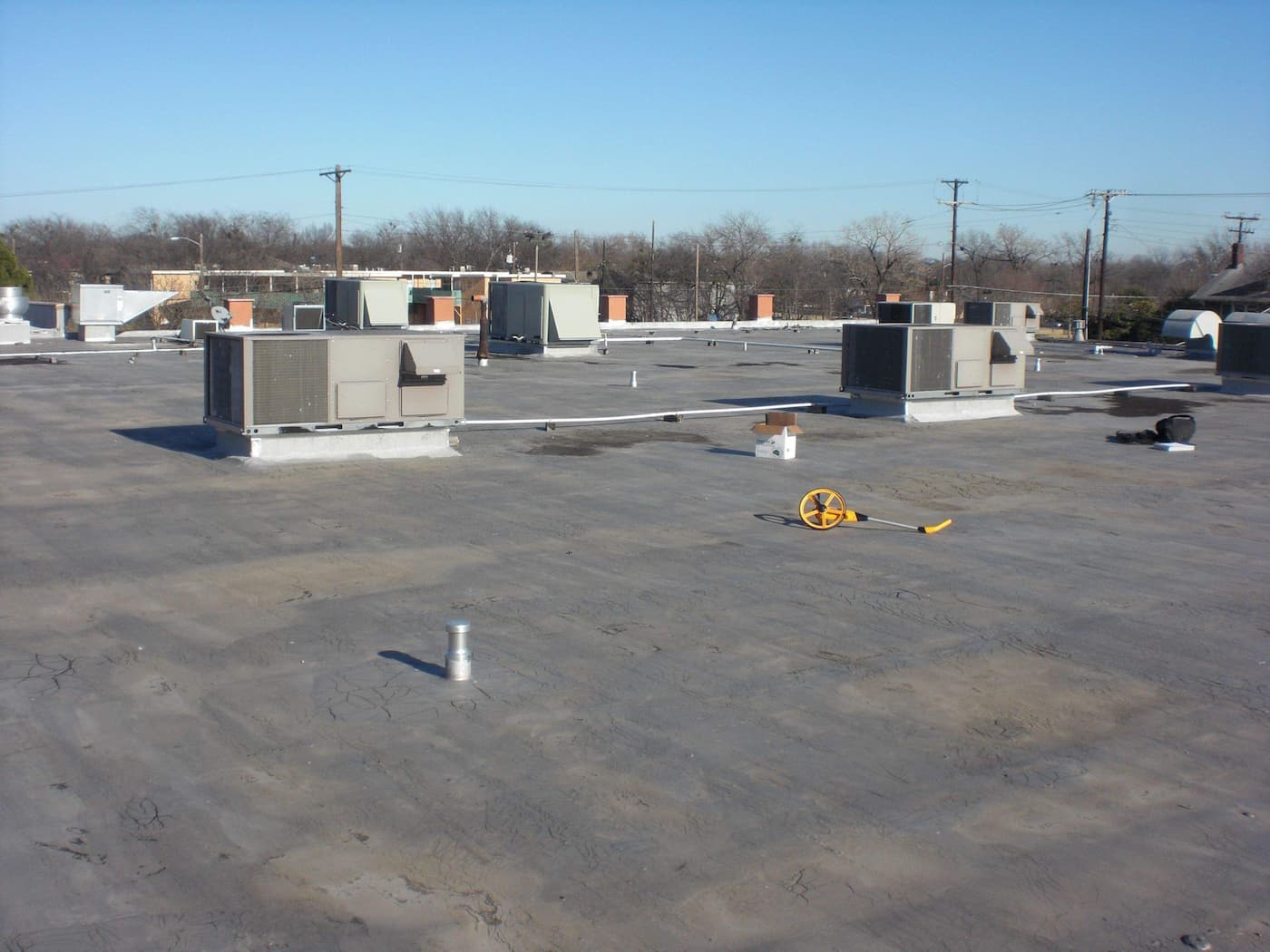
Hail Damage Claims
Cheyenne is among the most hail-struck cities in the country. See how we document hail impacts for a claim.
View ScopeHigh-Wind Roof Edge Securement
Upgrading edge metal and fastening ahead of the next wind event, before damage occurs.
View ScopeGet the roof decision into writing.
Tell us what changed on the roof, where the building sits, and who needs the report. We will turn the next step into a clear scope.