 Contact Us Now
High-Wind Roof Edge Securement in Cheyenne, WY
High-Wind Roof Edge Securement is not useful until the roof condition, access plan, and weather risk are clear. We consider Cheyenne Regional Airport facilities, High Plains wind and hail exposure, Laramie County public buildings, and Dell Range Boulevard retail roofs before we recommend work.
That keeps the scope tied to the roof that is actually on the building: membrane condition, seams, metal, drainage, rooftop units, access, tenant needs, and timing.
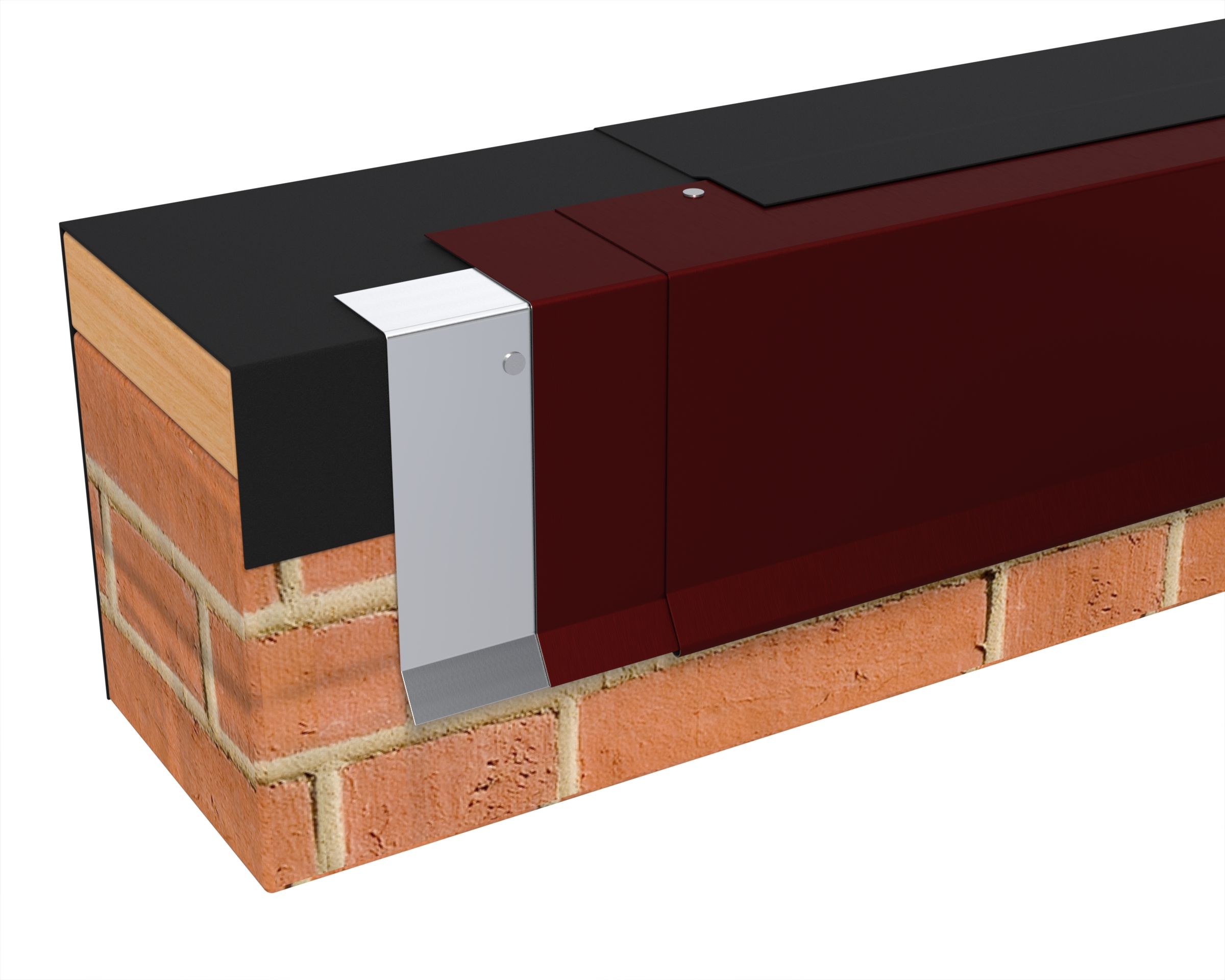
Wind is Cheyenne's most persistent roofing adversary. While hail events are dramatic and episodic, high-plains wind is continuous, sustained 30 to 50 mph winds are a routine part of the Cheyenne weather calendar, with gusts well above that during frontal passages and downslope wind events off the Laramie Range. For commercial roofing, the most vulnerable point in any system during wind loading is the roof edge. Edge metal failures, fascia blow-offs, gravel stop separations, coping cap displacements, account for a disproportionate share of Cheyenne commercial roof damage because edge securement is often the weakest link in an otherwise adequate roofing system.
The mechanics of wind-driven edge failure begin with uplift pressure at the building perimeter. Wind flowing over a flat roof accelerates at the leading edge, creating a low-pressure zone above the membrane that generates uplift force. This uplift is highest at corners and perimeters, exactly where edge metal is installed. When edge metal is undersized, improperly anchored, or installed without regard for wind zone requirements, the membrane beneath it is exposed to a peel-back failure that can propagate rapidly across the roof field. A single fascia section that lifts during a 60 mph gust can initiate a cascading failure that takes hundreds of square feet of membrane with it.
FM 1-90 and ANSI/SPRI ES-1 establish edge securement standards that account for wind zone, building height, roof geometry, and edge metal profile. Laramie County falls in a wind zone that requires specific attachment spacing, metal gauge, and clip or hook strip configurations that exceed what is commonly installed in lower-wind regions. Many older Cheyenne commercial buildings, particularly those built before current wind zone requirements were codified, have edge metal installed to standards that are inadequate for the actual wind loads they experience. A building that has not had edge metal failures simply has not yet experienced the combination of wind direction, speed, and duration that will expose its undersized edge system.
The Cheyenne Logistics Hub and associated warehouse buildings along the I-80 and I-25 corridors are among the most wind-exposed commercial properties in the region. Large, low-profile buildings with minimal parapet height present long unobstructed edges to prevailing westerly and northwesterly winds. Dock areas on the east and south faces of these buildings create pressure differentials during wind events that further load the edge and corner zones. We have upgraded edge securement on multiple Logistics Hub and Campstool Business Park buildings and consistently find that original edge metal installation did not meet current FM 1-90 requirements for this wind exposure category.
ANSI/SPRI ES-1 testing protocol requires that edge metal assemblies be tested to wind loads appropriate for the installation zone. When we specify replacement or upgraded edge metal for Cheyenne commercial buildings, we verify that the selected product carries a tested rating adequate for local wind speed requirements, not just that it looks similar to what was removed. Product equivalency is not wind-load equivalency. The distinction matters because an improperly rated edge metal assembly installed to correct attachment spacing still fails at a lower wind threshold than a correctly rated assembly. We maintain familiarity with FM-rated and ANSI/SPRI ES-1 tested edge metal product lines from leading manufacturers.
Coping caps on parapet walls are a specific vulnerability on Cheyenne commercial buildings. Copings serve as the primary water exclusion at the top of parapet walls, and when they displace or blow off, the parapet wall cavity and the roof-to-wall intersection become exposed to water intrusion. Freeze-thaw damage to exposed parapet wall assemblies can be severe, water infiltrating an unprotected parapet cavity during a November wind event can freeze and expand through the winter, damaging masonry, metal studs, and wall insulation. Coping cap anchor clip spacing, sealant joint integrity, and end cap securement are all critical details we verify during wind damage assessments and edge securement upgrades.
Roof edge inspections after major wind events should cover the full perimeter, not just visibly displaced sections. Wind loading during a severe event stresses the entire edge system, and sections that did not fail may have had anchor clips pull partially from the substrate, sealant joints open, or splice covers displace. These partially compromised sections are the ones most likely to fail in the next wind event. We document edge condition across the full perimeter after any wind event that produces reported damage, and we identify sections that show stress evidence even if they are not yet failed.
New commercial construction in Cheyenne and North Range Business Park should specify edge metal to current wind zone requirements from the beginning. We see cost-cutting on edge metal specifications during value engineering phases of commercial construction that produces undersized systems installed on buildings that will face Cheyenne winds for 30 or more years. The difference in material cost between a code-minimum and a properly rated edge metal system on a typical commercial building is modest relative to the cost of one significant wind damage event, and the liability associated with edge metal blow-off in populated areas is significant. We provide specifications and consultation for new construction edge metal systems on request.
Ongoing edge securement maintenance should be part of every Cheyenne commercial building's annual inspection program. Sealant joints at splices and end caps have finite service lives and should be inspected and resealed on a scheduled basis rather than reactively after failure. Anchor clip fasteners in steel decking can back out over time under repeated wind load cycling. Coping cap end dams are a common failure point on buildings that have had any thermal movement since original installation. These are inexpensive maintenance items when addressed proactively and expensive remediation projects when ignored until failure.
Questions Owners Ask
How do I know if my building's edge metal meets current wind zone requirements for Cheyenne?
The only reliable way to know is to have the edge metal system evaluated against FM 1-90 and ANSI/SPRI ES-1 requirements for your building's wind exposure category, height, and geometry. Many buildings in Cheyenne have edge metal installed to generic or outdated standards that do not meet current requirements for this wind zone. We can assess your existing edge metal, identify its likely rated performance, and compare it to what current standards require for your specific building.
What causes edge metal to fail suddenly during a wind event that the building has weathered before?
Edge metal failures are often cumulative. Repeated wind load cycling loosens anchor clips, opens sealant joints, and fatigues metal at splice points over years of service. A wind event that produces failure may not be stronger than previous events, it may simply be the event that exceeds the threshold of a system that has been progressively weakened. This is why periodic edge inspection is important even on buildings that have not experienced obvious edge failures.
Are buildings in the Cheyenne Logistics Hub subject to different wind requirements than downtown buildings?
Wind exposure category is based on the surrounding terrain and obstruction density. Large, flat, open industrial areas like the Logistics Hub and Campstool have Exposure Category C or D classifications under ASCE 7, which means higher design wind speeds than buildings in urban downtown areas with surrounding obstructions. This translates directly to higher required attachment densities and heavier edge metal profiles. Buildings in open industrial zones that were specified to urban exposure requirements are significantly underbuilt for their actual wind environment.
What is the difference between gravel stop, fascia, and coping, and which fails most often in Cheyenne?
Gravel stop is a low-profile edge metal at the membrane termination, typically used on roofs with no parapet. Fascia is a taller vertical face covering the roof edge zone. Coping is the cap element on top of a parapet wall. In Cheyenne's wind environment, coping cap failures and gravel stop blow-offs are both common. Coping caps fail primarily at anchor clips and end dams; gravel stop fails at attachment points along the hook strip or cleat. All three require wind-zone-appropriate specification and installation.
Can edge metal be upgraded without replacing the entire roof membrane?
Yes. Edge metal upgrades are often performed independently of membrane replacement. The membrane termination is carefully separated from the existing edge metal, new compliant edge metal is installed with proper attachment, and the membrane is re-terminated and re-sealed to the new system. This is a cost-effective approach when the membrane itself is in good condition but edge metal does not meet current requirements. It is also a logical improvement to include when re-roofing, since the edge zone is already open during a full re-roof.
Related Roof Work
Useful next pages for this roof decision.
University and College Campus Roofing
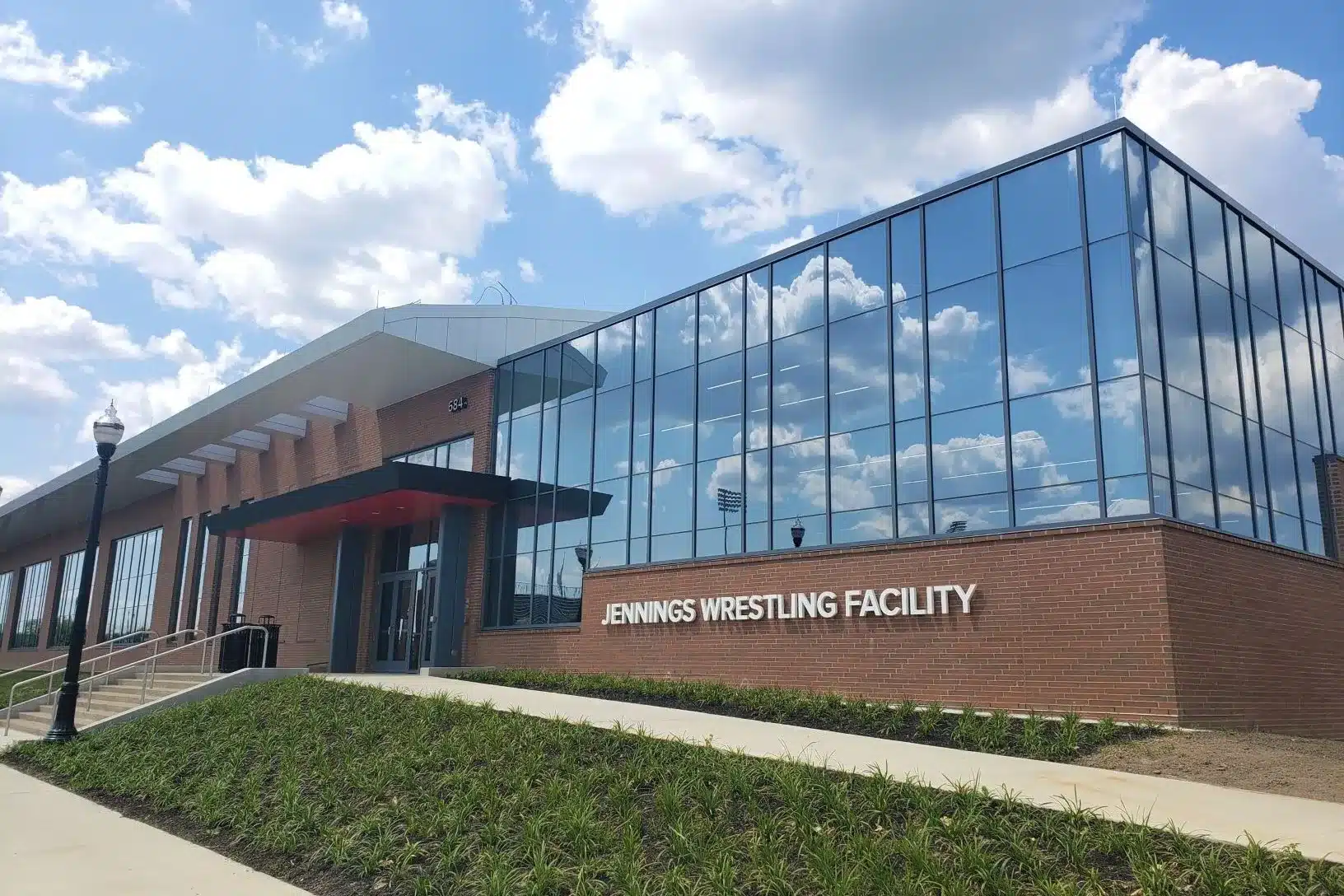
University and College Campus Roofing is scoped around High Plains wind and hail exposure, Laramie County public buildings, and Dell Range Boulevard retail roofs. The scope stays practical: stop water first, document the roof, then choose the repair or replacement path that fits the building.
View Scope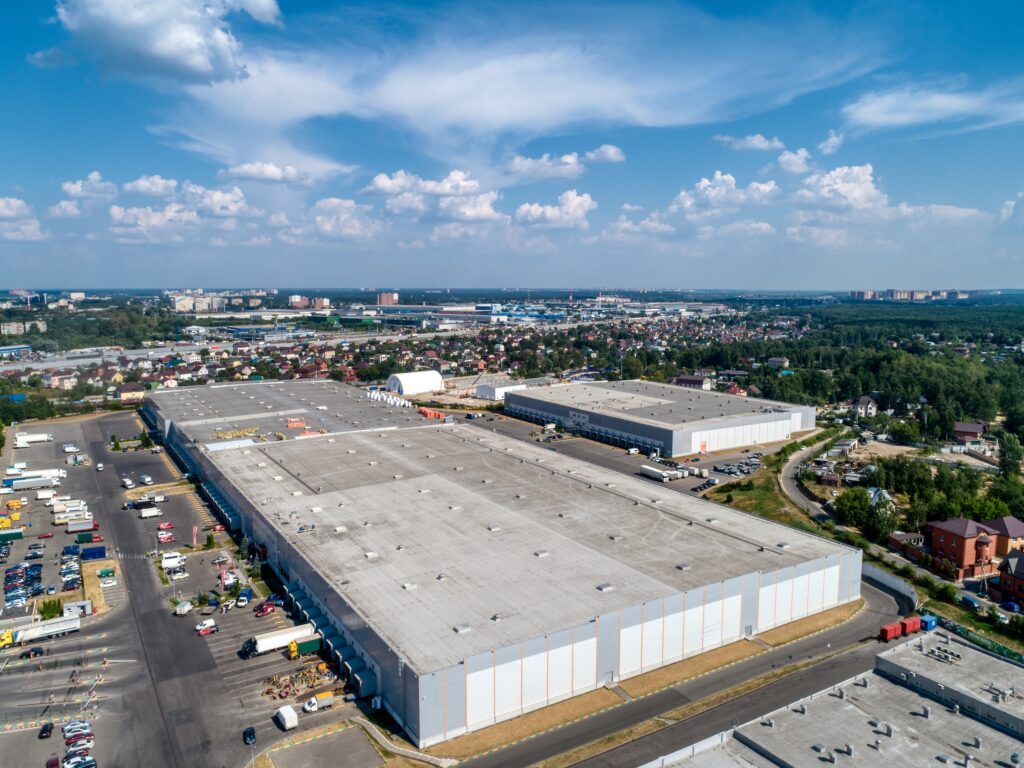
Warehouse and Distribution Center Roofing
Warehouse and Distribution Center Roofing is scoped around the I-25 and I-80 freight interchange, Frontier Mall and nearby service buildings, and snow drift at parapets and rooftop units. We keep access, weather windows, and tenant disruption in the plan before crews step onto the roof.
View Scope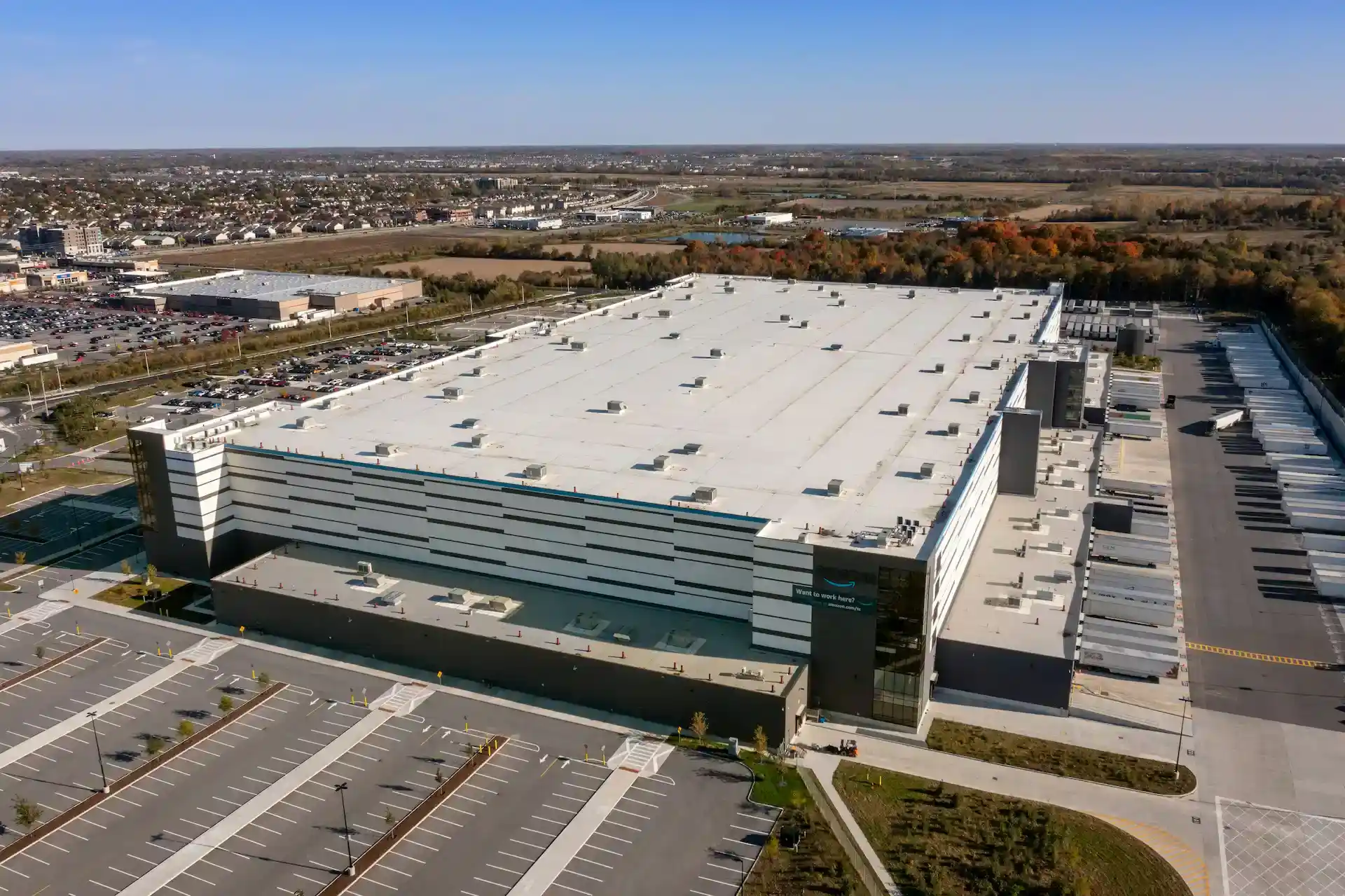
Warehouse Drainage Retrofits
Warehouse Drainage Retrofits is scoped around the I-25 and I-80 freight interchange, Frontier Mall and nearby service buildings, and snow drift at parapets and rooftop units. Every recommendation is tied to observed conditions, not a prewritten roof package.
View ScopeGet the roof decision into writing.
Tell us what changed on the roof, where the building sits, and who needs the report. We will turn the next step into a clear scope.