 Contact Us Now
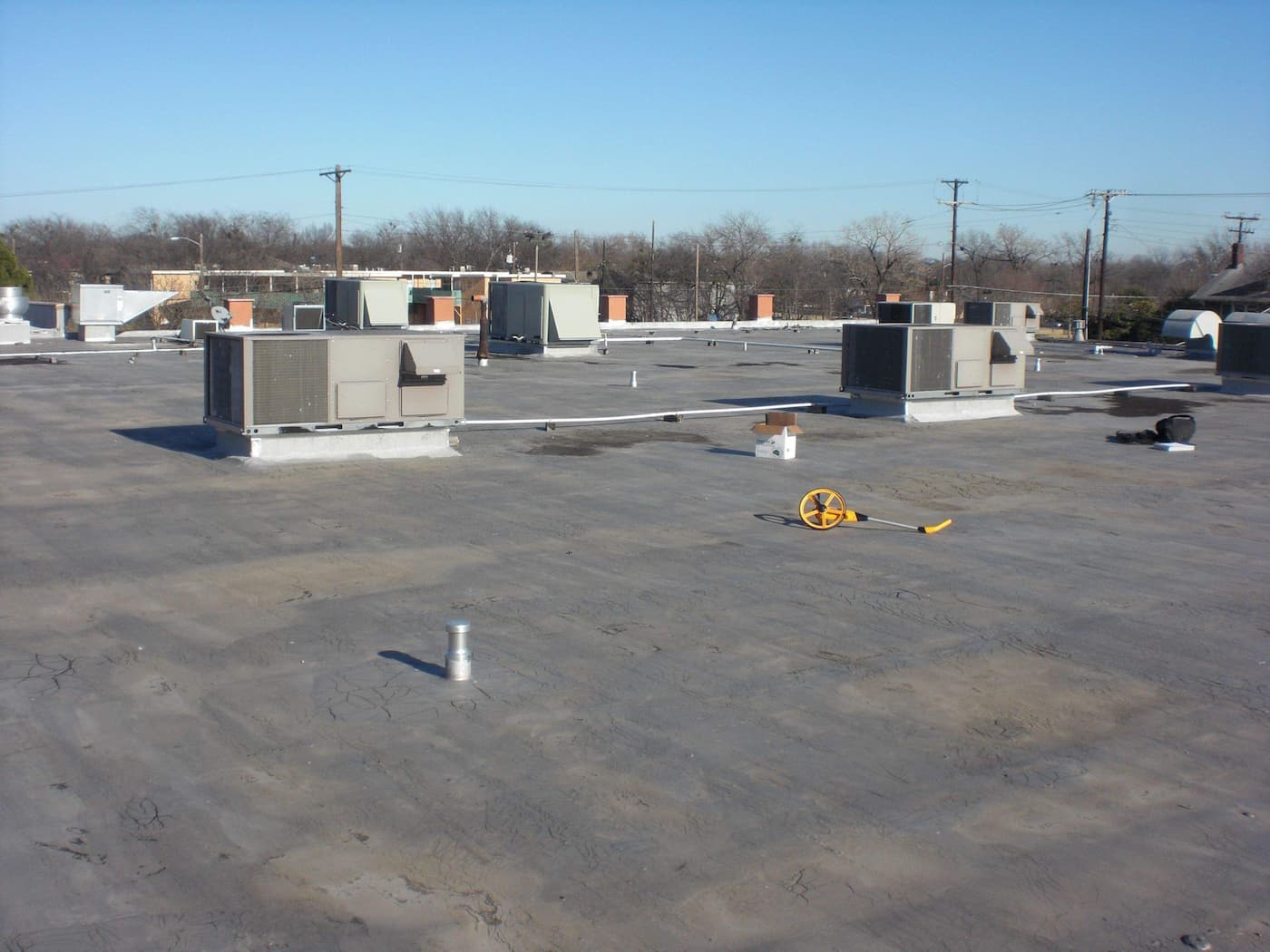
Hail Damage Roof Insurance Claims in Cheyenne, WY
Southeast Wyoming sits in severe hail country, and Cheyenne is consistently counted among the most hail-struck cities in the country. We inspect and document hail damage the way a commercial claim needs it to be documented: mapped across the field, not sampled at a few spots.
We are your roofing contractor, not a public adjuster, we document and substantiate the roof damage so you and your adjuster work from an accurate scope.
Late spring and early summer convective storms along the High Plains produce some of the most severe hail in the country, and Cheyenne's position at the base of the Front Range puts it directly in the path of storm cells that intensify as they move off the mountains. Stones in the 1.5 to 2.5 inch range are not unusual in a significant event, and large commercial roof fields can take that kind of impact across every square foot rather than a scattered handful of strikes.
Hail damage on a low-slope commercial roof is often invisible from the ground and easy to miss from a quick walk of the field. On a TPO or EPDM membrane, functional damage shows up as fracturing at the membrane face or cracking at lap seams, signs that require a close, hands-on inspection to identify. On modified bitumen, granule loss exposes the base sheet to UV degradation. On standing seam or architectural metal panels, dents that have fractured the paint finish expose bare metal to corrosion even when the dent itself looks minor.
We document hail damage with a grid-referenced approach: dividing the roof field into zones, photographing representative damage in each zone, and recording density and impact size. For a 50,000-square-foot roof or larger, that systematic documentation is the difference between a carrier accepting a full-roof claim and a carrier pushing back that only isolated areas showed damage. We follow industry-standard hail assessment methodology so the documentation holds up to review.
Timing matters more with hail than with almost any other kind of storm damage. A membrane can be functionally compromised by hail without breaching immediately, freeze-thaw cycling or continued UV exposure can advance a fracture through the full membrane thickness over weeks or months. Building owners who wait for a leak before scheduling an inspection risk a carrier arguing that later damage was caused by a subsequent event or deferred maintenance rather than the original storm. We recommend inspection within 30 days of any significant hail event.
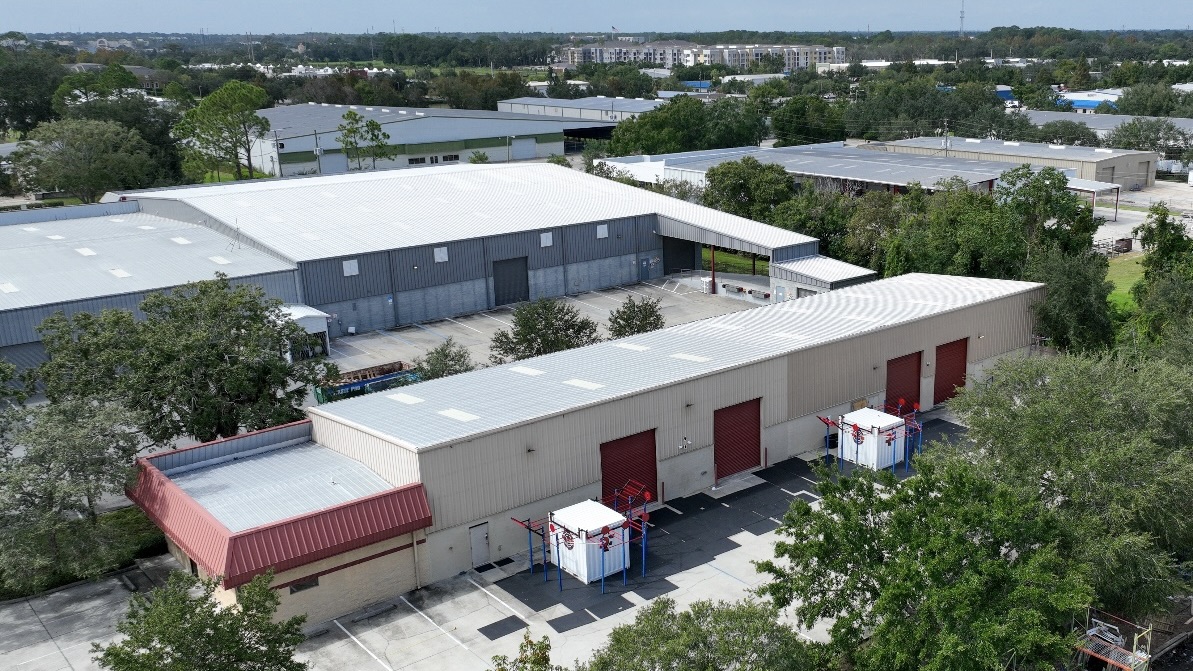
Warehouse and logistics buildings along the I-25 and I-80 corridors, along with the retail and office roofs around Frontier Mall and Dell Range Boulevard, carry some of the largest hail-exposed roof fields in the metro. These roofs require the same systematic grid documentation as any other commercial property, and the resulting damage map and photo package becomes the reference document for both the initial claim and any supplement the estimate may need.
Hail Claim Questions
How do I know if hail damaged my commercial roof?
You usually cannot tell from the ground on a flat commercial roof. Once we are on the roof, common signs include membrane fracturing, granule loss on modified bitumen, dented metal trim or panels, and cracked pitch pans or pipe boots. A hands-on inspection is the only reliable way to confirm functional hail damage.
Why does hail damage sometimes not leak right away?
A hail strike can fracture a membrane without breaching it immediately. Freeze-thaw cycling and continued UV exposure can advance that fracture through the full membrane thickness over weeks or months, so a leak can appear well after the storm that actually caused the damage.
What counts as functional hail damage versus cosmetic?
Functional damage compromises the roof's ability to keep water out even before a leak shows up, a fractured membrane face or cracked coating that exposes the base sheet, for example. Cosmetic damage, like a shallow dent in metal trim that has not broken the paint system, may not affect performance, and that distinction matters for how a claim gets adjusted.
How soon after a hail storm should we schedule an inspection?
Within 30 days of a documented hail event is a good target. Early inspection also lets us install temporary protection at any breached areas before the next storm causes additional interior damage.
Related Roof Work
Useful next pages for this claim.
Insurance Claim Assistance
The full claims-support process: inspection, documentation, adjuster coordination, and scope review.
View Scope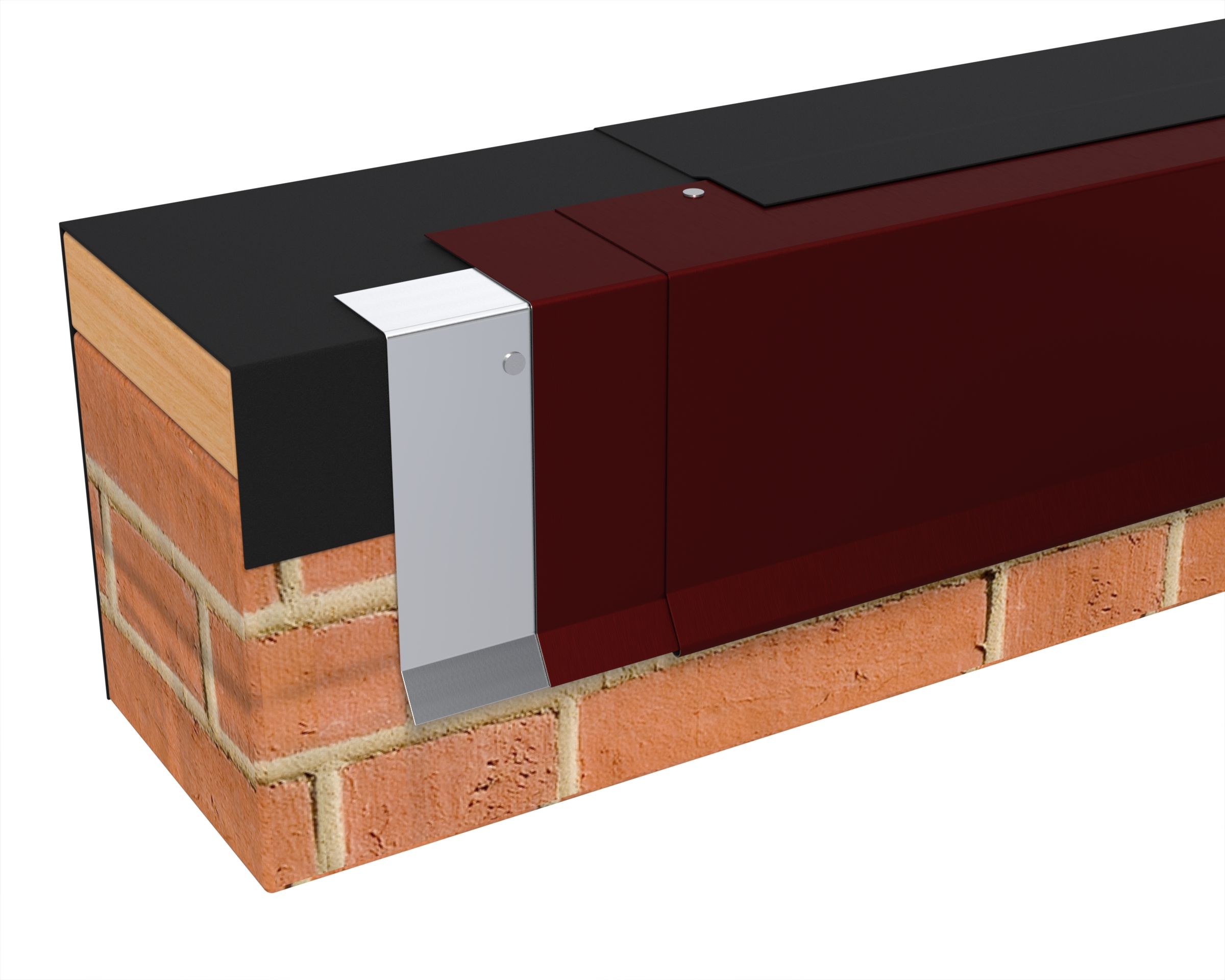
Wind & Storm Damage Claims
High-plains wind events peel edge metal and lift membrane seams. See how we document wind-driven roof damage.
View Scope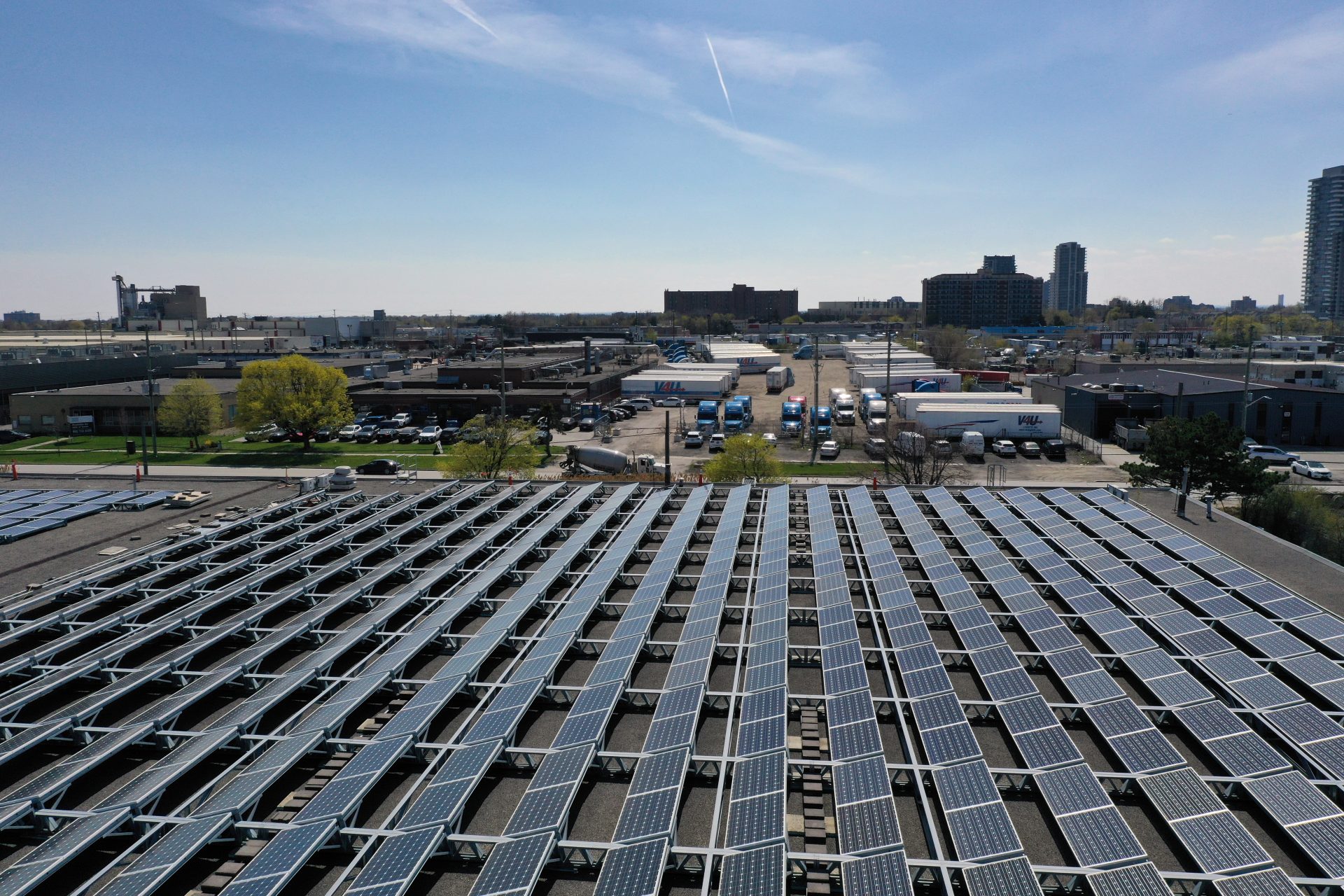
Hail Impact Roof Inspection
A standalone hail inspection, whether or not you plan to file a claim, to know exactly where the roof stands.
View ScopeGet the roof decision into writing.
Tell us what changed on the roof, where the building sits, and who needs the report. We will turn the next step into a clear scope.