 Contact Us Now
Commercial Roof Insurance Claim Assistance in Cheyenne, WY
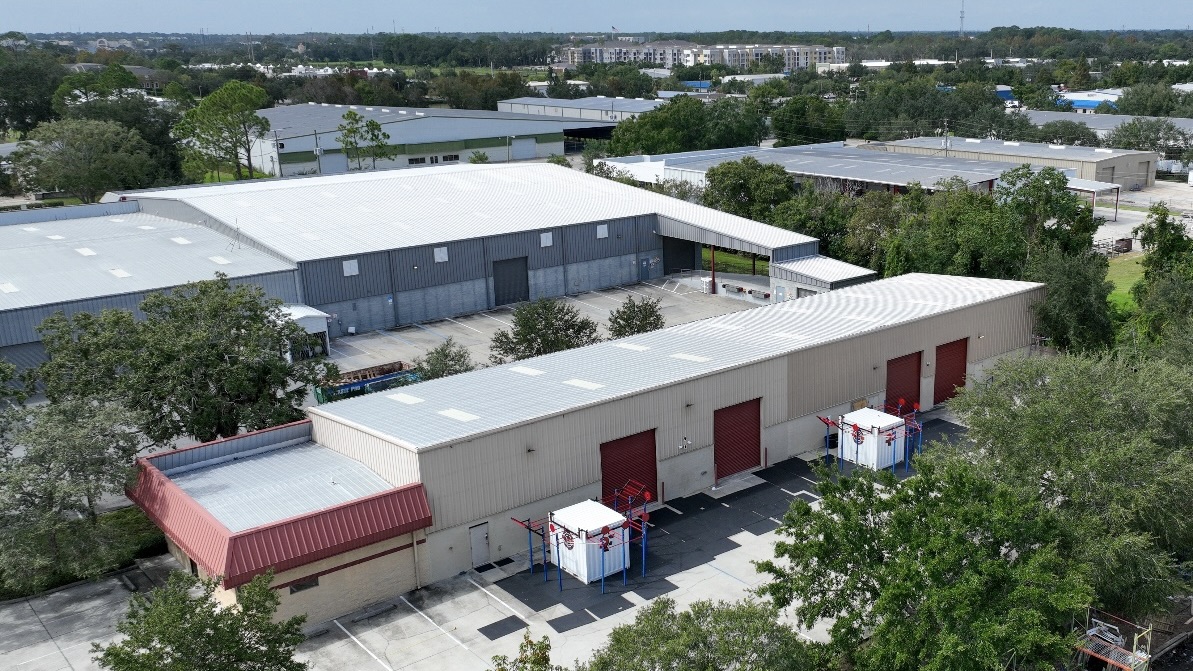
A commercial roof insurance claim moves faster and settles closer to the true repair cost when the roof is documented before the adjuster shows up. We inspect the roof, measure and photograph the damage, and put the findings into a scope that holds up on the roof and on paper.
We are your roofing contractor, not a public adjuster, we document and substantiate the roof damage so you and your adjuster work from an accurate scope.
Cheyenne and Laramie County sit at over 6,000 feet along the High Plains, where a single spring storm system can carry hail, straight-line wind, and heavy wet snow within the same afternoon. A commercial building here can pick up more than one kind of roof damage from one event, and a claim built on a single-peril assumption misses the rest of what happened. We start every claim engagement with a full-roof inspection rather than a spot check at the reported problem area, because a membrane that shows one obvious wind tear at the parapet often has hail bruising across the field that has not blistered through yet.
Documentation is the part of a commercial claim that determines whether the settlement matches the actual repair cost. We record roof age and material, take grid-referenced photos across the field, log moisture readings where water has already tracked under the membrane, and note anything the roof's condition tells us about how the damage happened. That package goes to you and to your insurance contact as a single reference document, not a verbal summary that gets reconstructed later from memory.
When the adjuster schedules the roof walk, we meet them there. Our role on that roof is to point to what we documented, the specific hail strikes, the wind-lifted seams, the compromised flashing, and make sure the inspection covers the full roof rather than only the areas visible from the access hatch. Adjusters covering a large territory move quickly, and a roof that has not been walked and mapped in advance is easy to under-scope in a 20-minute site visit.
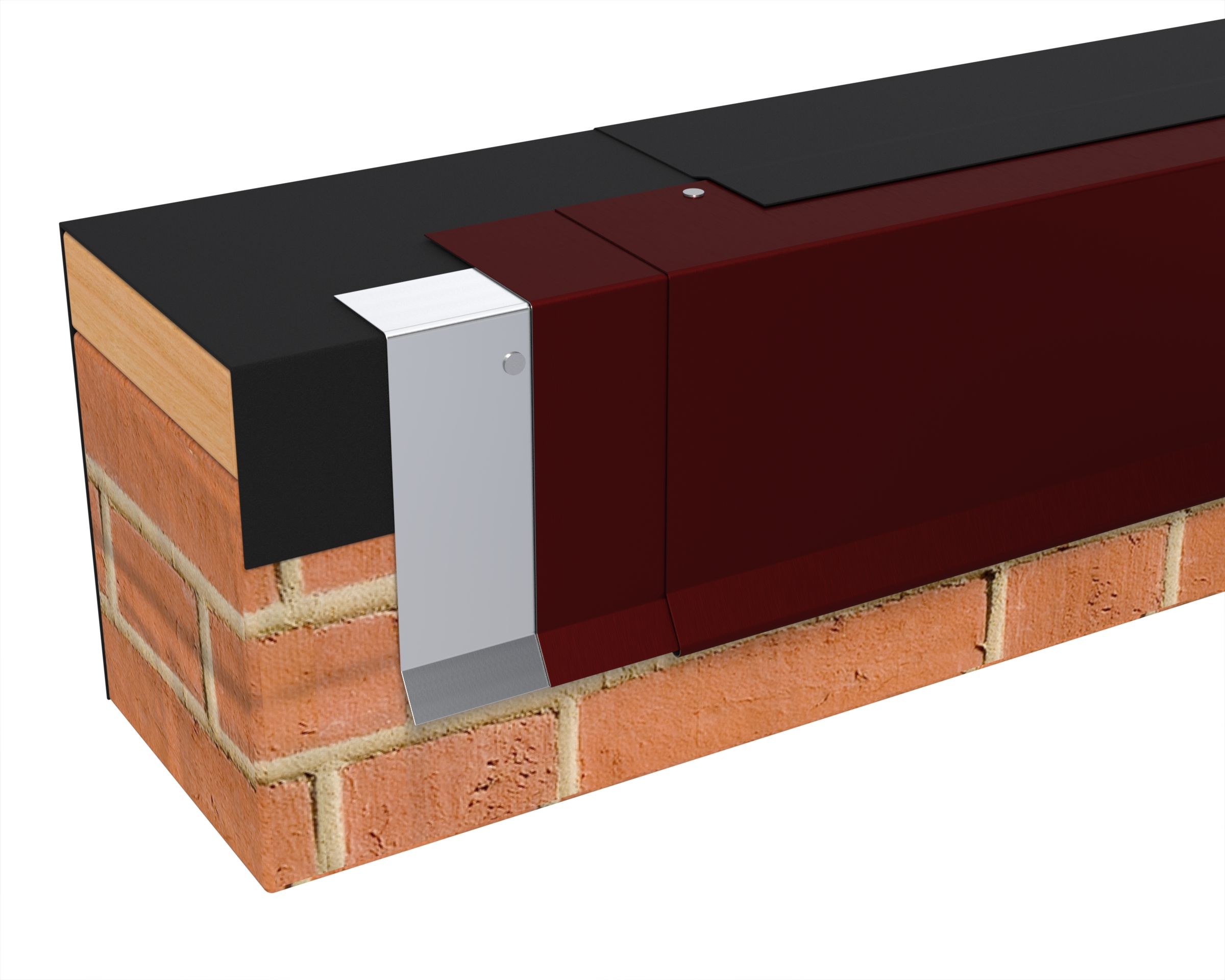
A complete scope on a commercial roof claim usually includes more than the visibly damaged sections. Wyoming's building codes and current roofing standards may require upgraded edge securement, updated insulation R-values, or code-compliant flashing details that were not present on the original roof. We itemize those code-driven items separately in the scope so they are visible line by line, because a carrier estimate built only from the pre-loss condition can leave the owner covering the code-upgrade gap out of pocket.
Repair versus replacement is a decision every commercial owner faces after a significant storm. A membrane with isolated hail impacts and one or two wind-lifted seams may be a sound repair candidate. A membrane with hail density across most of the field, multiple seam failures, and a roof already past its expected service life is a different conversation. We lay out both paths with the documented condition behind each option so ownership, the property manager, and the carrier are looking at the same facts.
Denied and underpaid claims are common in Wyoming's commercial market, particularly on older roofs where the carrier assumes existing wear rather than storm damage. When we believe a carrier's estimate has missed documented damage or priced work below current Cheyenne-area material and labor costs, we prepare a supplement with photos and measurements tied to each disputed item. From there, the decision to pursue a supplement, request a re-inspection, or bring in a public adjuster stays with the building owner, we hand over documentation, not a negotiation.
Common Claim Questions
Does insurance cover roof replacement?
Coverage depends on your policy's terms for the cause of loss, whether the policy pays replacement cost or actual cash value, and any roof-specific exclusions or age limits. We document the damage and its likely cause; your carrier or agent confirms what your policy actually covers.
What is the claim process for a commercial roof?
Report the loss to your carrier, then get the roof inspected and documented before or immediately after the adjuster's visit. We provide the inspection report and photo documentation, meet the adjuster on the roof if scheduling allows, and prepare a written repair or replacement scope you can use for the claim file.
What if our claim gets denied?
Ask the carrier for the specific reason in writing. If the denial appears to conflict with the documented roof condition, we can provide additional photos, moisture data, or a supplemental report addressing the stated reason. Whether to appeal, request re-inspection, or involve a public adjuster is the owner's call.
Should we repair or replace after storm damage?
It depends on roof age, damage density, and whether repair sections can be matched to the existing membrane or panel system. We present both scopes with documented condition so the decision is based on the actual roof, not a default assumption.
How long does a commercial roof claim take?
Timelines vary by carrier and claim complexity, from a few weeks for a straightforward repair claim to several months for a large replacement claim with a supplement dispute. Thorough documentation submitted early tends to shorten the process by reducing the number of re-inspections needed.
Related Roof Work
Useful next pages for this claim.
Wind & Storm Damage Claims
High-plains wind events peel edge metal and lift membrane seams. See how we document wind-driven roof damage for a claim.
View Scope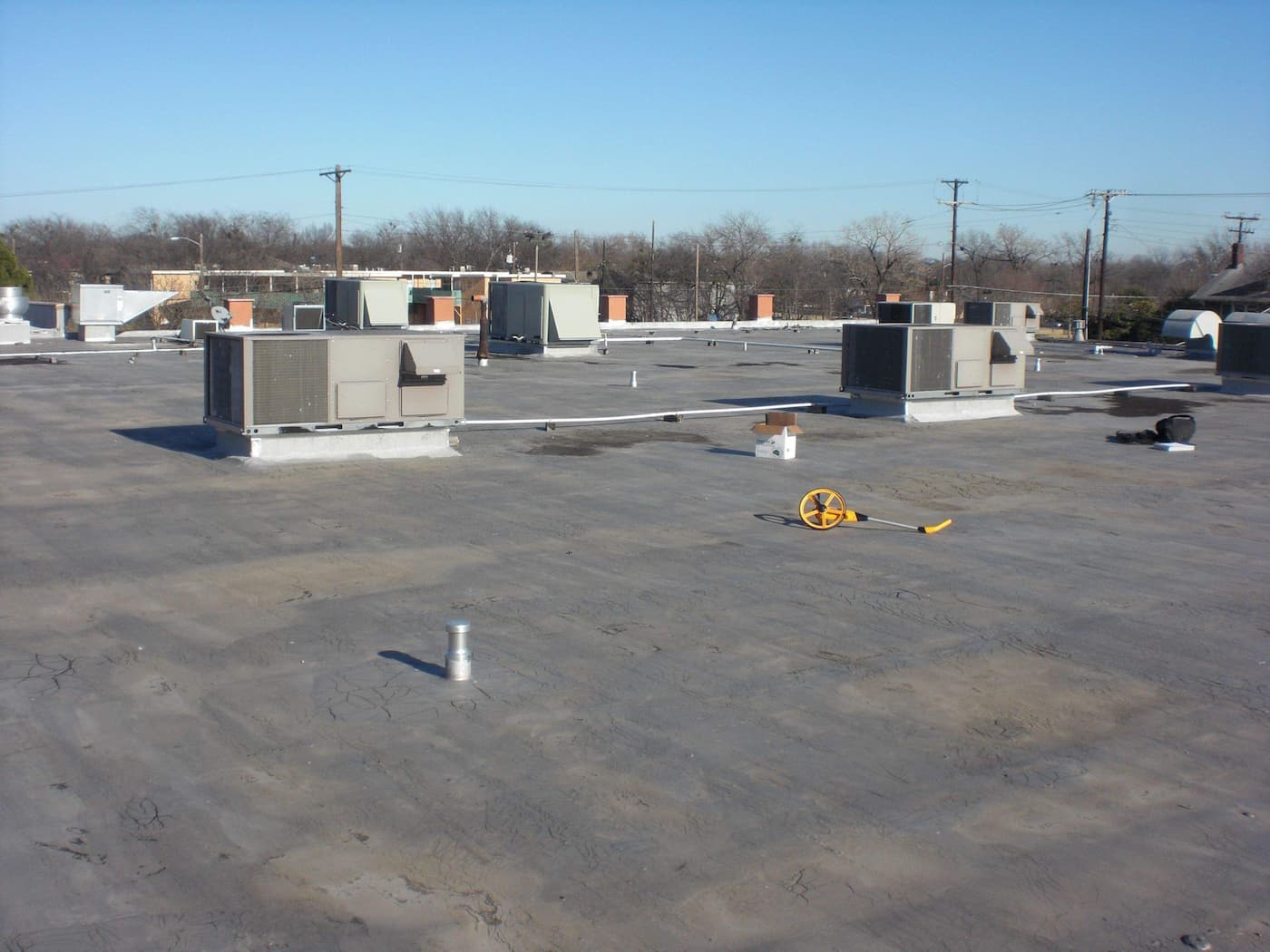
Hail Damage Claims
Cheyenne sits in severe hail country. See how we map and document hail strikes across a commercial roof field.
View Scope
Commercial Roof Claims
Our broader claims-support scope covering documentation, adjuster coordination, and supplement review.
View ScopeGet the roof decision into writing.
Tell us what changed on the roof, where the building sits, and who needs the report. We will turn the next step into a clear scope.