 Contact Us Now
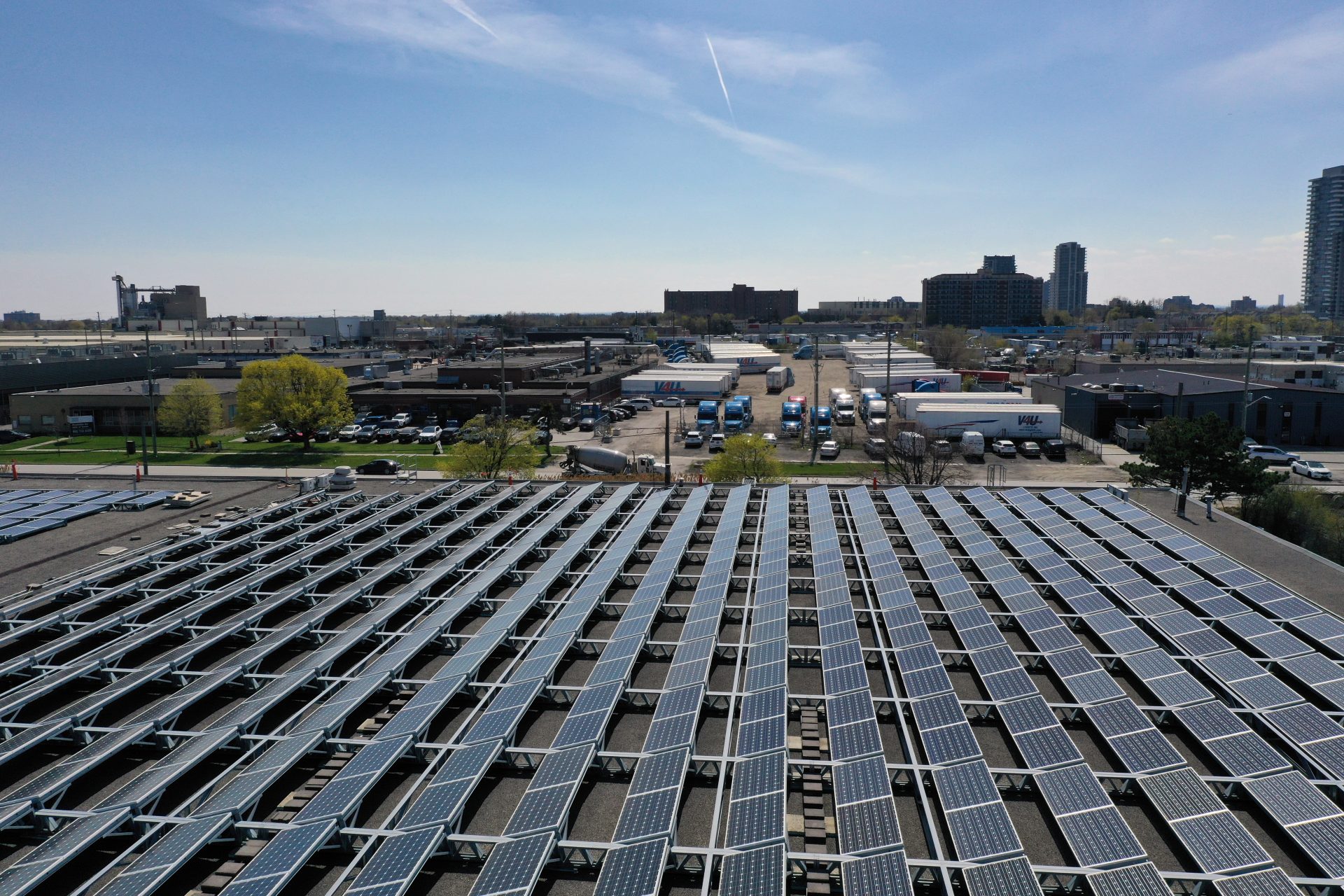
Hail Impact Roof Inspection in Cheyenne, WY
Hail Impact Roof Inspection works best when the repair plan, replacement timing, and documentation all point to the same decision. We consider Frontier Mall and nearby service buildings, snow drift at parapets and rooftop units, Capitol Avenue office buildings, and F.E. Warren Air Force Base area contractors before we recommend work.
That keeps the scope tied to the roof that is actually on the building: membrane condition, seams, metal, drainage, rooftop units, access, tenant needs, and timing.
A hail event in Cheyenne is not over when the storm passes. The visible evidence, broken skylights, dented HVAC units, scattered granules in gutters, represents only a fraction of the damage a large-stone hail event inflicts on a commercial roof system. The more consequential damage is hidden: membrane bruising that has not yet become perforation, insulation board fracture beneath an intact membrane surface, and flashing separations caused by impact vibration. Identifying this hidden damage requires a systematic inspection methodology, not a casual walkover. Commercial building owners in Laramie County who skip or delay the post-hail inspection are accepting risk that will surface as winter freeze-thaw cycles convert bruised membranes into active leaks.
Cheyenne's hail season runs primarily from late April through early July, with the most damaging events typically occurring in May and June when moisture and instability are highest. Late-season events in August and September are less frequent but can still produce large stones. The inspection timing challenge is real: May and June hail events coincide with continued weather instability, meaning inspections must be scheduled in weather windows between subsequent storms. We prioritize post-hail inspections and can typically get to Campstool, North Range, and Cheyenne Business Parkway commercial properties within 48 to 72 hours of a major event.
Our hail impact inspection protocol begins at grade level before anyone goes to the roof. We examine soft metal components, downspouts, vents, AC fins, flashings visible from below, to calibrate stone size and impact density. These components dent predictably with stone size and provide a baseline before we begin the roof-level assessment. We also look at any exposed insulation at roof perimeter edges, which will show fracture or compression from impact even when the membrane above is superficially intact. This ground-level phase takes 20 to 30 minutes but significantly improves the accuracy of what we then document on the roof.
On the roof surface, our inspection distinguishes between membrane bruising and perforation, a distinction that matters enormously for both repair urgency and insurance documentation. Perforation is immediate: water enters the system during rain events following the hail strike. Bruising is deferred: the membrane remains nominally watertight but is mechanically weakened, and the combination of UV exposure and freeze-thaw cycling converts bruised areas to perforations over one to three seasons. In Cheyenne's climate, with 170-plus days below freezing, that conversion timeline is compressed. What bruises in a June hailstorm often leaks by November.
Impact density mapping is a core deliverable of our Cheyenne hail inspections. We divide the roof into grid sections and record strike counts, bruise diameter, and any perforations within each section. This produces a spatial picture of storm intensity across the roof, useful for insurance adjusters who need to understand total impact exposure, and useful for our crews who need to understand where repair concentration is highest. Large warehouse and industrial roofs in the Logistics Hub and Campstool areas may cover 50,000 to 150,000 square feet, and systematic grid mapping is the only way to ensure complete coverage of these large planes.
Membrane material affects how impact damage presents. TPO and PVC single-ply membranes show impact damage as subtle surface scuffing, small depressions, or in more severe strikes, visible tears. EPDM membranes, being more elastic, can absorb moderate impacts without visible surface change but may develop sub-surface delamination at impact points. Modified bitumen membranes show impact damage through granule displacement, mat fracture, and surface depressions, and the granule loss accelerates UV degradation in the damaged area. Our inspectors are trained on damage presentation for each membrane type common in Cheyenne's commercial building stock.
Insurance adjuster coordination is a practical reality of Cheyenne hail inspections. Commercial adjusters typically arrive within one to three weeks of a major event and conduct their own roof inspections. Having our inspection documentation, strike density maps, photos, and written narrative, ready before the adjuster visit allows the building owner to participate in the assessment rather than simply accepting the adjuster's findings. We are available to attend adjuster inspections and walk the roof jointly, which consistently produces more complete initial claim estimates and reduces the need for supplements. Supplements are obtainable but slow and contentious.
For F.E. Warren Air Force Base facilities and Cheyenne Regional Medical Center buildings where roof access involves security or operational coordination, we plan inspection logistics in advance. Base access requires escort coordination and advance credentialing, and medical facility roofs often have access restrictions around mechanical equipment. We build these coordination steps into the inspection schedule so that access issues do not delay documentation when a claim timeline is running. Pre-established access protocols for managed facilities are one advantage of ongoing inspection program relationships with institutional building owners.
After the inspection, we deliver a written report within 48 hours covering impact density by roof section, membrane condition ratings, flashing and metal component damage, and a prioritized repair scope. This report is formatted for both building owner review and insurance adjuster submission. We also include a replacement vs. repair recommendation for any roof where impact density makes selective repair economically questionable. Cheyenne building owners deserve honest guidance on this decision, a heavily impacted 12-year-old membrane is not a repair project regardless of what an optimistic contractor might suggest.
Questions Owners Ask
How long after a hail event should I wait before scheduling an inspection?
Do not wait, schedule immediately. The inspection itself may take a week to get on the calendar during peak storm season, and insurance carriers increasingly require timely damage reporting. Documentation created within days of the event is far more defensible than documentation created months later, and in Cheyenne's climate, subsequent weather can compound damage and obscure the original hail cause-and-effect relationship.
What is the difference between membrane bruising and perforation, and why does it matter?
Perforation means water is entering the system now. Bruising means the membrane is weakened but nominally intact, water infiltration will begin after the bruised area fails under freeze-thaw stress, UV exposure, or foot traffic. In Cheyenne's climate, bruised membranes typically fail within one to two winter cycles. Both conditions require repair, but perforation is urgent and bruising can be scheduled. Insurance documentation should capture both, since bruise-to-perforation conversion that happens after the claim window closes can be difficult to connect to the original storm event.
Can you perform hail inspections on very large flat roofs like those in the Logistics Hub?
Yes. Large industrial and warehouse roofs are a routine part of our inspection work. We use systematic grid methodology on large roof planes and supplement with drone photography for aerial documentation of impact patterns across full roof fields. A 100,000-square-foot flat roof requires more time and more systematic approach than a small commercial building, but the methodology scales. We schedule large-roof inspections with adequate time blocks and typically require 4 to 6 hours on the roof for a thorough large-building assessment.
Will the inspection cost be covered by my insurance claim?
Many commercial property policies cover inspection costs as part of the claim. We can provide an invoice formatted for claim submission. The cost of a thorough inspection is minor relative to the claim value on any significant commercial roof, and insurers generally accept reasonable inspection costs as part of a documented hail loss. Review your specific policy terms with your broker, but this is a routine element of commercial hail claims.
What happens if the inspector finds damage but it is not enough to file a claim?
We report what we find accurately regardless of claim threshold. If impact density is low and damage is limited to a few isolated strikes, we will say so and recommend targeted repairs rather than a claim. Filing minor claims has policy implications including potential premium increases, so an honest assessment of whether damage meets your deductible and justifies a claim is part of the service. We do not inflate damage findings, and our documentation is designed to reflect actual conditions, not to maximize claim values.
Related Roof Work
Useful next pages for this roof decision.
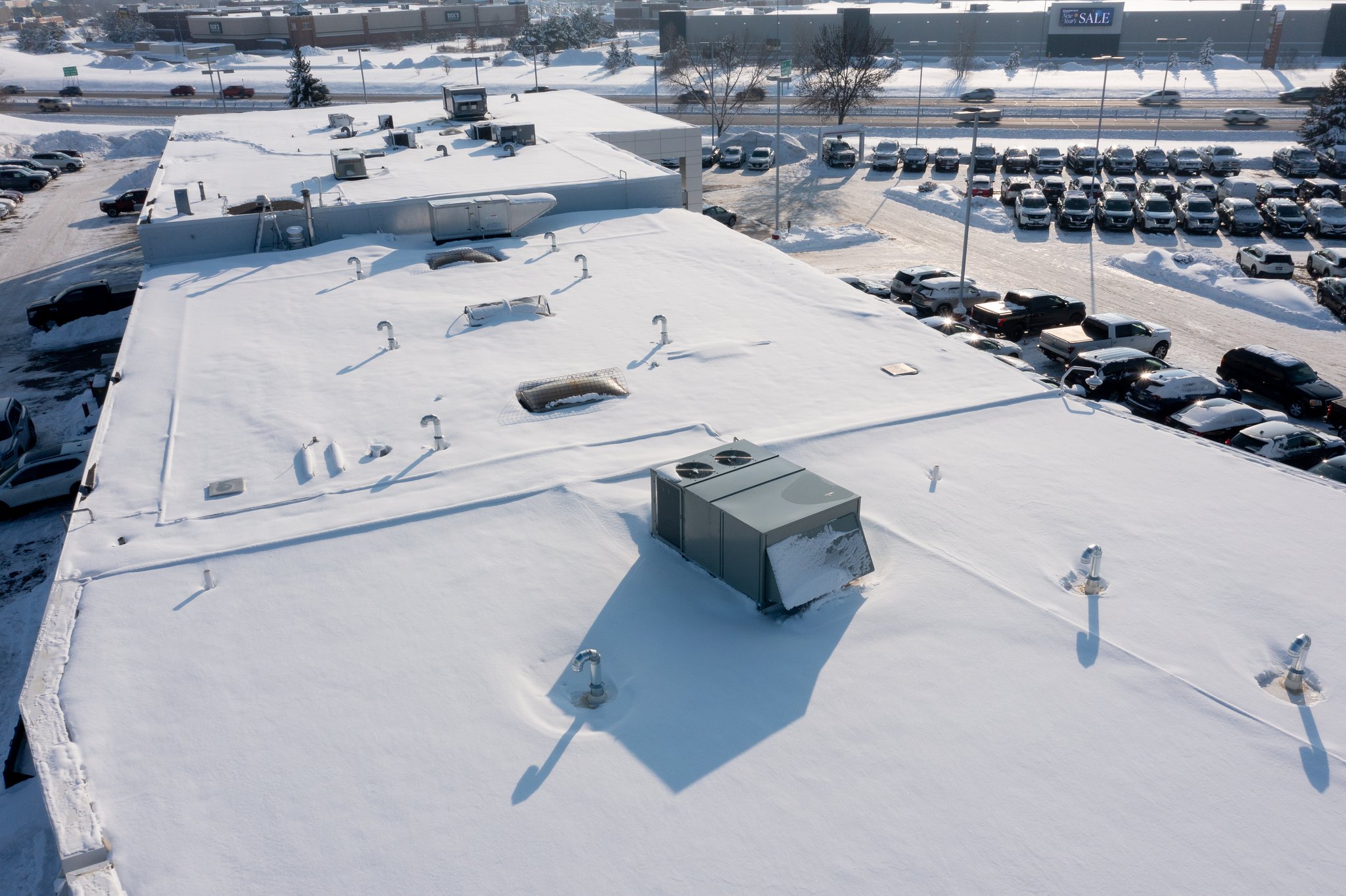
Commercial Roof Repair
Commercial Roof Repair is scoped around Frontier Mall and nearby service buildings, snow drift at parapets and rooftop units, and Capitol Avenue office buildings. The scope stays practical: stop water first, document the roof, then choose the repair or replacement path that fits the building.
View Scope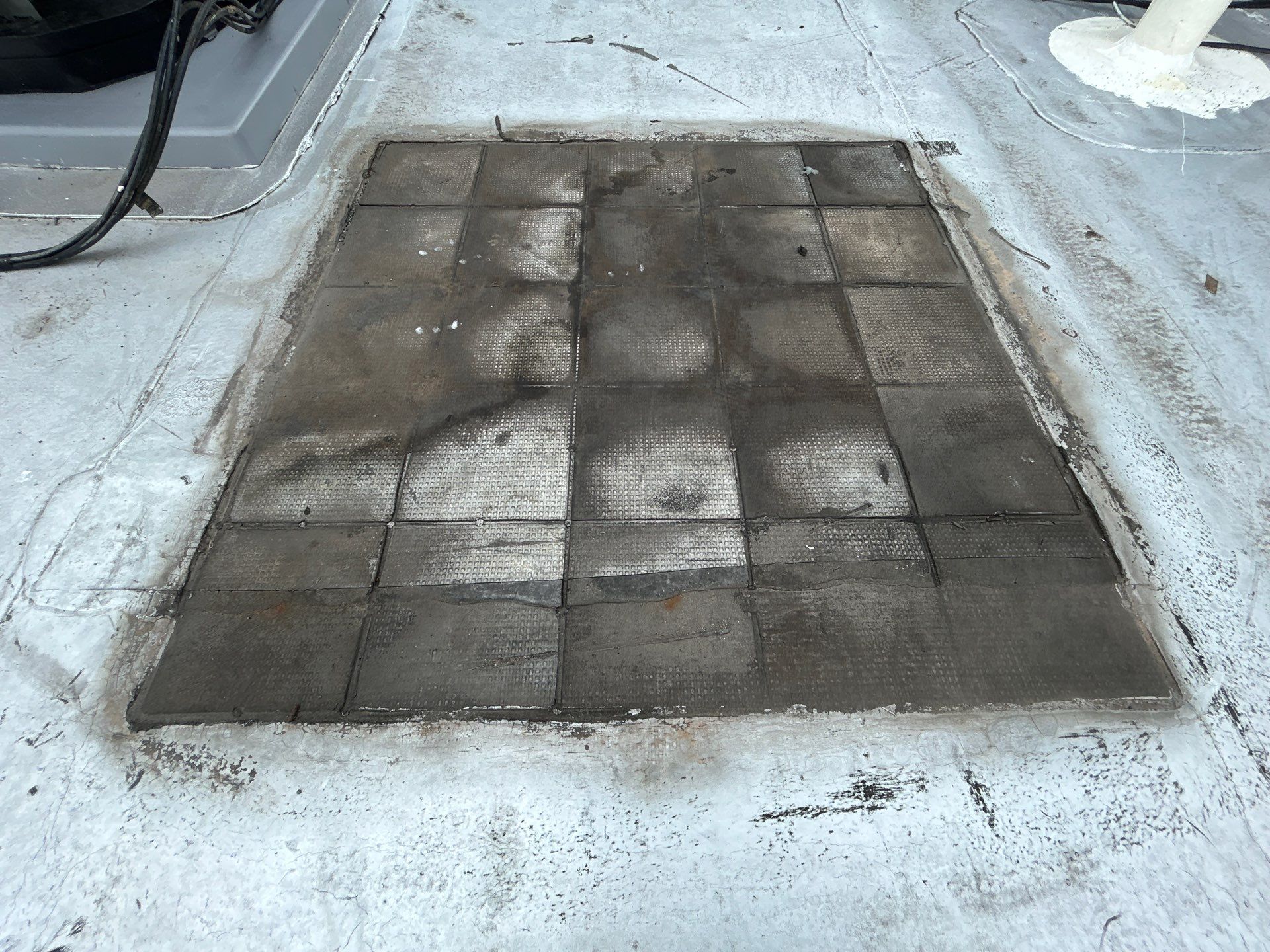
Roof Membrane Repair
Roof Membrane Repair is scoped around Lincolnway corridor storefronts, South Cheyenne industrial sites, and Laramie County business parks. We keep access, weather windows, and tenant disruption in the plan before crews step onto the roof.
View Scope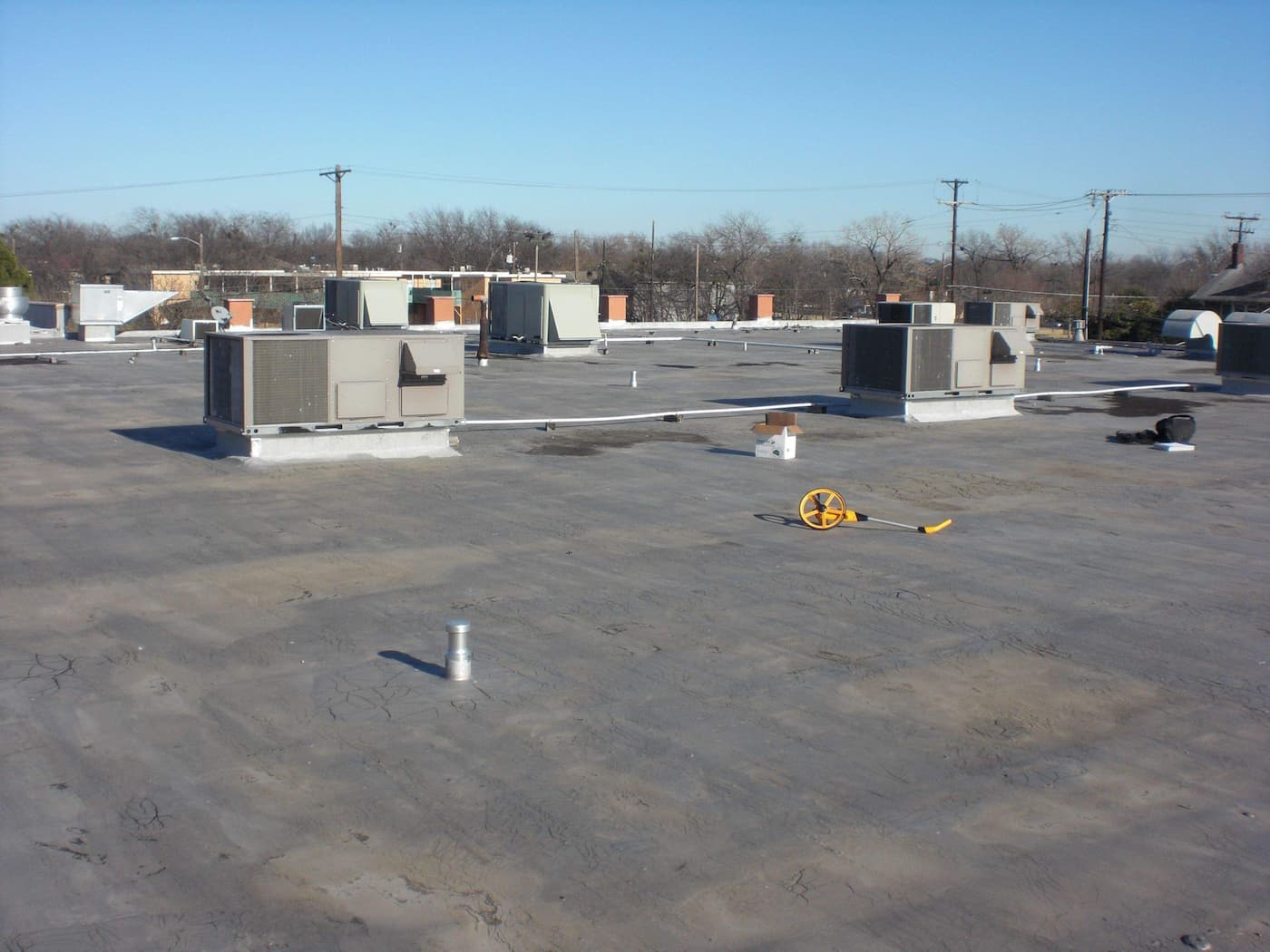
Hail Damage Roof Repair
Hail Damage Roof Repair is scoped around High Plains wind and hail exposure, Laramie County public buildings, and Dell Range Boulevard retail roofs. Every recommendation is tied to observed conditions, not a prewritten roof package.
View ScopeGet the roof decision into writing.
Tell us what changed on the roof, where the building sits, and who needs the report. We will turn the next step into a clear scope.