 Contact Us Now
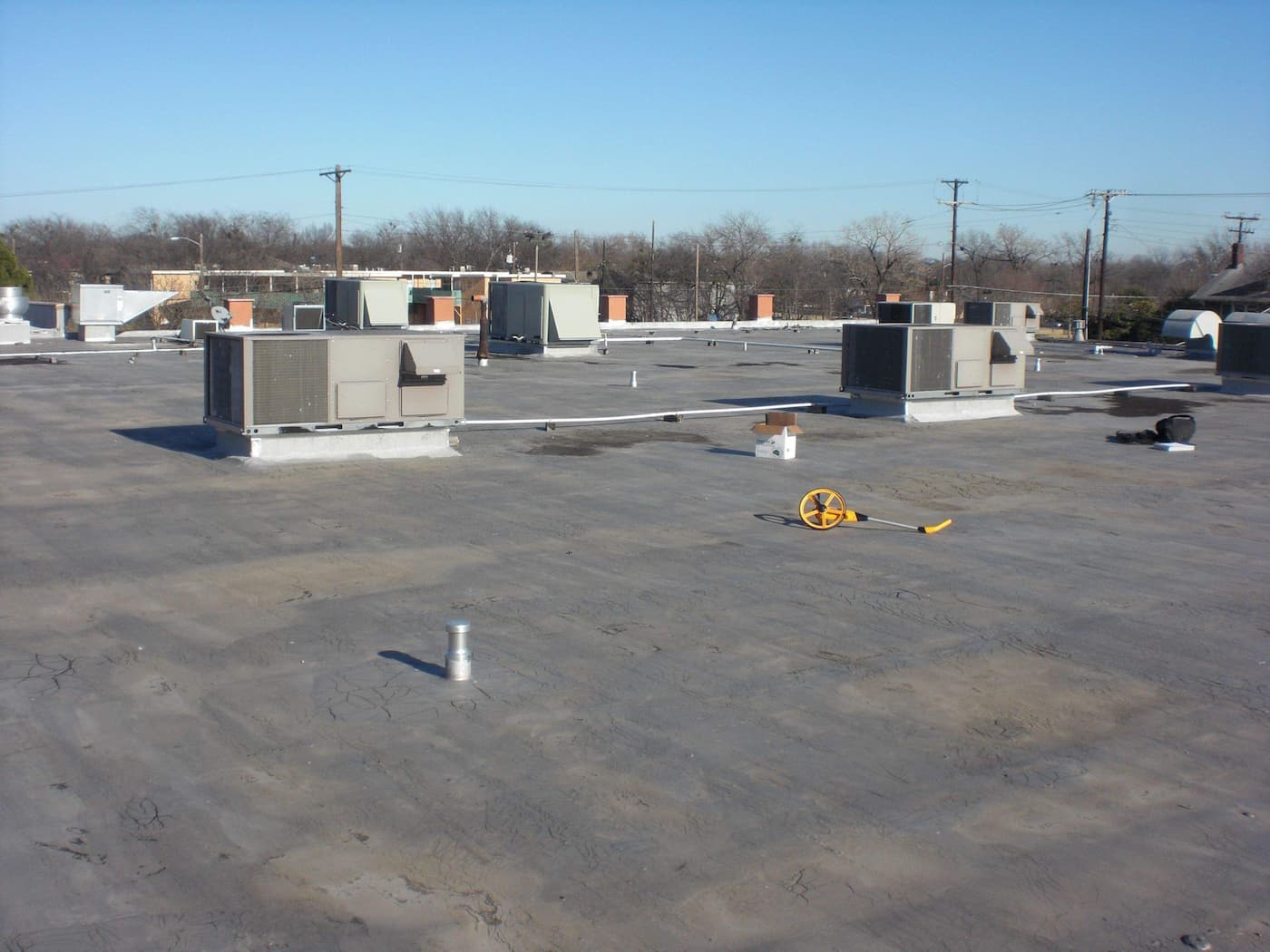
Hail Damage Roof Repair in Cheyenne, WY
Hail Damage Roof Repair works best when the repair plan, replacement timing, and documentation all point to the same decision. We consider High Plains wind and hail exposure, Laramie County public buildings, Dell Range Boulevard retail roofs, and Lincolnway corridor storefronts before we recommend work.
That keeps the scope tied to the roof that is actually on the building: membrane condition, seams, metal, drainage, rooftop units, access, tenant needs, and timing.
Cheyenne sits at the intersection of two of the most active hail corridors in the United States. The collision of Gulf moisture with Rocky Mountain cold air over the high plains produces hailstorms that regulary generate stones two inches and larger. Commercial buildings throughout Campstool Business Park, North Range Business Park, and the Cheyenne Logistics Hub absorb this punishment with wide, exposed flat roofs that offer no shelter from vertical and near-vertical hail trajectories. When a major hail event moves through Laramie County, the damage to commercial membranes, metal edge systems, skylights, and mechanical equipment is rarely superficial.
The damage pattern from large-diameter hail on commercial roofing differs significantly from what property managers experience. A two-inch stone striking a TPO or EPDM membrane may not immediately perforate it, but it leaves a bruised, weakened area that will fail within one to three freeze-thaw cycles. At Cheyenne's elevation and with 170-plus days below freezing annually, that means a hail event in May can produce active leaks by the following November, and the connection between the storm and the failure is often lost. This is why professional hail damage documentation within days of the event, not months later, is essential for insurance purposes and for understanding what your roof will need before winter arrives.
Our hail damage repair process begins with systematic documentation before any repairs are made. We photograph impact density across the entire roof field, map the strike pattern, and record stone size indicators including dents in metal components, divots in insulation boards exposed at seams, and damage to mechanical units. This documentation package serves two purposes: it gives your insurance adjuster everything they need to process the claim accurately, and it gives our crew a repair scope that addresses every compromised area rather than just the most visible ones. Incomplete hail repairs are common in high-volume storm seasons when contractors rush from job to job.
Insurance coordination is a meaningful part of every large hail event in Cheyenne. We work directly with commercial insurance adjusters and understand the documentation standards carriers require for commercial property claims. We can arrange to be present during adjuster inspections to walk the roof together, ensuring that bruised membrane areas, damaged flashings, and impacted edge metal are all included in the initial estimate rather than requiring a supplement process later. Supplements are possible but slow, proper first-pass documentation is faster and less contentious for building owners.
The repair vs. restoration decision is one we take seriously on every hail-impacted Cheyenne commercial roof. For buildings in Campstool and North Range where large industrial roofs may be ten to fifteen years old, a hail event can be the deciding factor between patching and full restoration. A roof with 40% hail impact density across its field is not a patch project, it is a restoration or replacement project, and attempting to extend life through selective patching on a heavily impacted roof will result in continued callbacks and escalating costs. We provide written recommendations on this decision with supporting documentation so building owners can make capital planning decisions on solid information.
For metal roofing common on industrial buildings throughout the Cheyenne Business Parkway and Bison Business Park, hail damage presents differently. Large hail on standing-seam and ribbed metal panels creates denting that affects both appearance and long-term coating integrity. At Cheyenne's altitude and UV exposure, a compromised factory coating begins oxidizing and chalking at an accelerated rate. We inspect metal panel damage not only for structural compromise but for coating condition that will determine whether recoating or panel replacement is the right path forward.
Timing matters after a Cheyenne hail event. Spring storms in April and May are followed immediately by continued freeze-thaw cycling, a hail-weakened membrane that absorbs moisture and then freezes will delaminate at the bruise points. We prioritize inspections within 72 hours of major events and can deploy temporary protection on critically damaged areas while permanent repairs are scheduled. For large Logistics Hub and Campstool industrial buildings, scheduling repair crews and materials requires lead time, and protecting vulnerable areas during that window prevents a hail damage claim from compounding into a water intrusion loss.
Hail damage on Cheyenne commercial buildings also affects components beyond the membrane itself. Gutters, downspouts, through-wall scuppers, HVAC curb flashings, skylight frames, and roof-mounted electrical conduit all take hail impacts and can develop leaks at connection points that show up well after the storm. Our hail damage assessments cover the entire rooftop assembly, not just the membrane field, because partial assessments leave gaps that become future problems and complicate insurance claims when they surface later.
We have repaired hail damage on commercial buildings across every major Cheyenne development zone. Whether the project is a 20,000-square-foot North Range warehouse or a multi-story downtown Cheyenne office building, our documentation, coordination, and repair process is the same: thorough inspection, complete documentation, honest repair-vs.-restoration guidance, and professional insurance coordination from the first adjuster call through final closeout. Cheyenne building owners should expect to deal with significant hail events at intervals of five to ten years, having a roofing contractor already familiar with your property and its history when the next storm arrives is a material advantage.
Questions Owners Ask
How quickly should I get my roof inspected after a Cheyenne hail event?
Within 72 hours if possible, and no later than two weeks after the event. Insurance policies increasingly require timely reporting, and in Cheyenne's climate, a hail event in May or June is quickly followed by more weather that can compound damage and complicate the original claim. Early documentation protects your claim and lets us identify areas that need temporary protection before permanent repairs are scheduled.
What does hail damage look like on a TPO or EPDM membrane that is not yet leaking?
Impact bruises on single-ply membranes appear as soft spots, small depressions, or areas where the membrane surface texture has changed. On EPDM, impact damage often appears as a slight color change or surface disruption. These areas are mechanically weakened and will fail under freeze-thaw stress, typically within one to two winter cycles. A probe test or moisture scan will confirm whether water infiltration has already begun at these points.
Will my insurance cover the full cost of hail damage repair on my commercial building?
Commercial property policies vary significantly. Most cover hail damage to the membrane, flashings, metal components, and associated equipment, but deductibles, ACV vs. replacement cost provisions, and coverage exclusions for maintenance-related wear can affect the payout. We provide complete documentation to support your claim and can advise on what a well-documented hail loss should recover, but we recommend reviewing your policy terms with your broker before and after any major storm event.
My building is in Campstool Business Park and has a 15-year-old roof. Should I repair or replace after hail damage?
At 15 years, a commercial membrane is in the back half of its service life. If hail impact density is high, covering more than 30-40% of the roof field with bruised or compromised areas, repair will not be cost-effective and may not satisfy your insurance carrier's requirements. We assess each roof individually and provide a written recommendation with documentation. In many cases, insurance proceeds from a major hail event can contribute meaningfully to a replacement cost that makes sense regardless of the storm.
How do you document hail damage for insurance purposes?
We produce a complete photo package with GPS-tagged images of the entire roof, close-up documentation of impact patterns on membrane, flashings, metal edge, and mechanical equipment, a written strike density estimate, metal dent measurements, and a written narrative tying observed damage to storm parameters. This package is formatted for adjuster review and can be supplemented with drone imagery on large industrial roofs. We can also attend the adjuster inspection and walk the roof together to ensure no damage areas are overlooked.
Related Roof Work
Useful next pages for this roof decision.
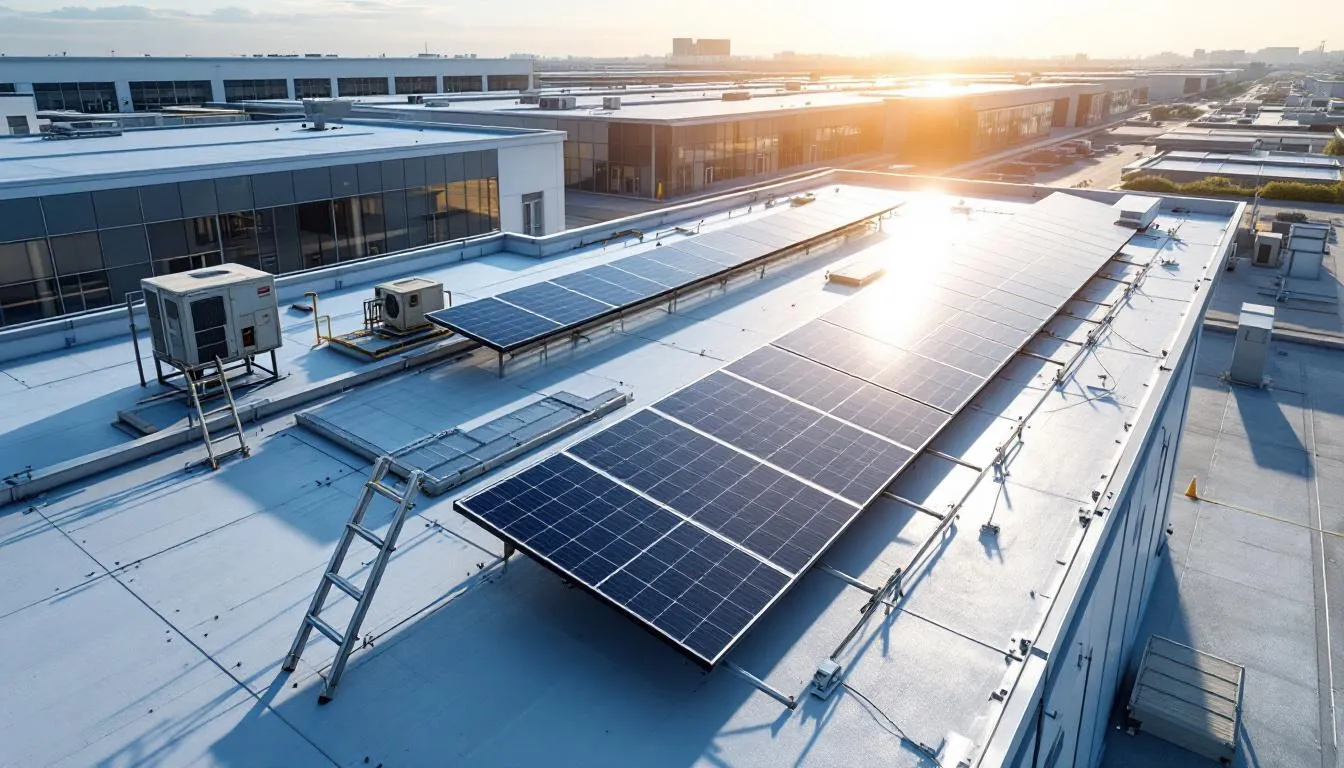
Industrial Rail Park Roofing
Industrial Rail Park Roofing is scoped around Cheyenne Logistics Hub properties, North Range Business Park warehouses, and the I-25 and I-80 freight interchange. The scope stays practical: stop water first, document the roof, then choose the repair or replacement path that fits the building.
View Scope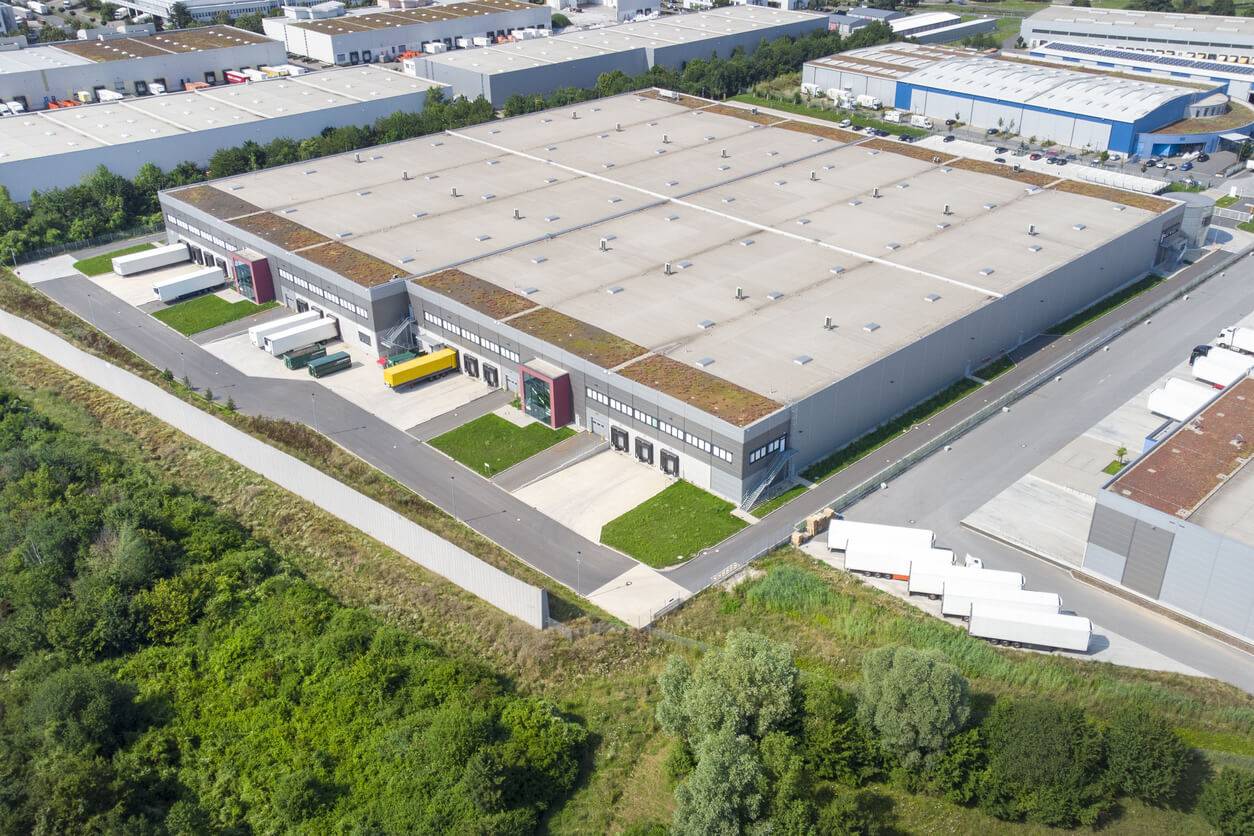
Industrial Roofing
Industrial Roofing is scoped around snow drift at parapets and rooftop units, Capitol Avenue office buildings, and F.E. Warren Air Force Base area contractors. We keep access, weather windows, and tenant disruption in the plan before crews step onto the roof.
View Scope
Manufacturing Facility Roofing
Manufacturing Facility Roofing is scoped around Dell Range Boulevard retail roofs, Lincolnway corridor storefronts, and South Cheyenne industrial sites. Every recommendation is tied to observed conditions, not a prewritten roof package.
View ScopeGet the roof decision into writing.
Tell us what changed on the roof, where the building sits, and who needs the report. We will turn the next step into a clear scope.