 Contact Us Now
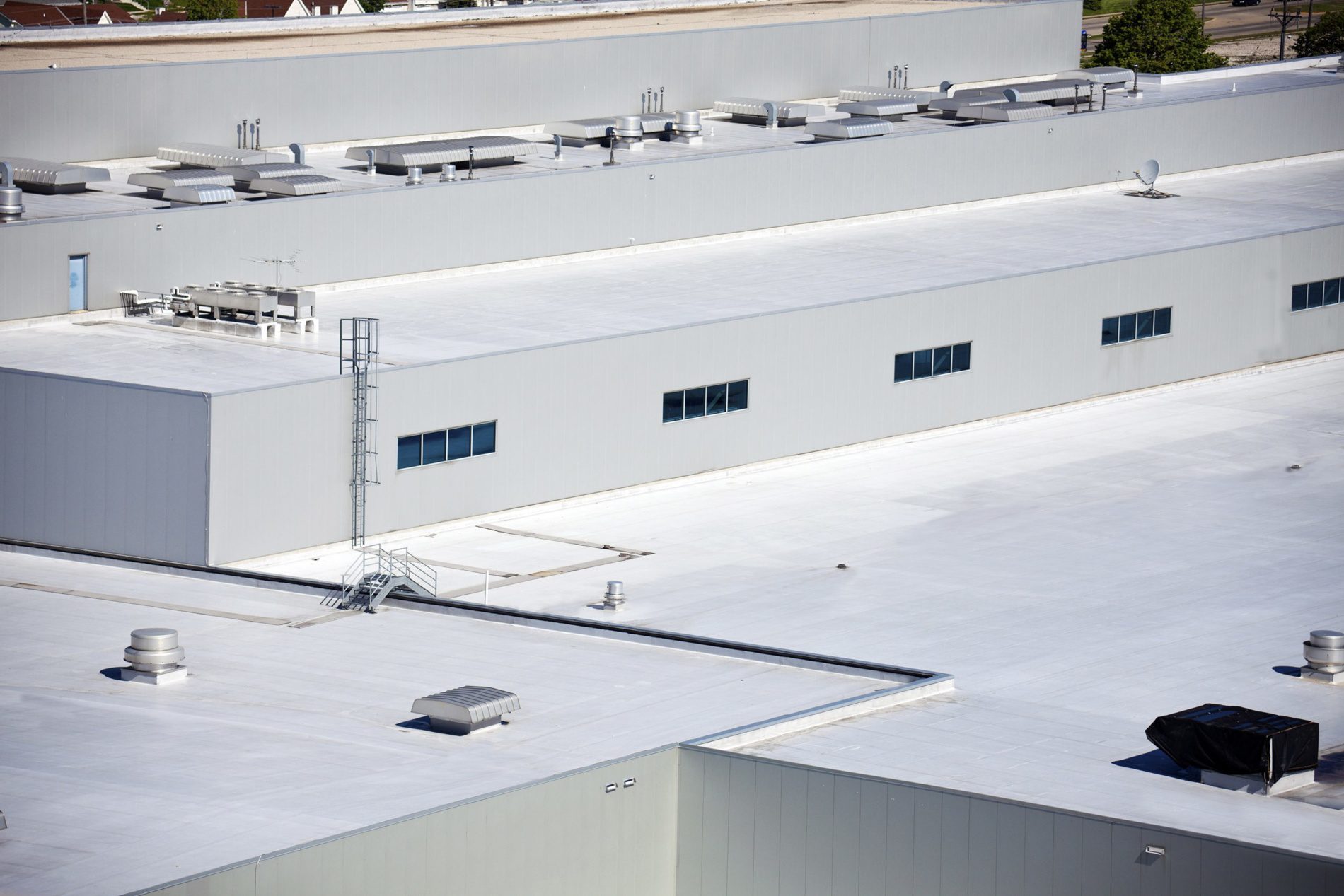
Manufacturing Facility Roofing in Cheyenne, WY
Manufacturing Facility Roofing is not useful until the roof condition, access plan, and weather risk are clear. We consider Dell Range Boulevard retail roofs, Lincolnway corridor storefronts, South Cheyenne industrial sites, and Laramie County business parks before we recommend work.
That keeps the scope tied to the roof that is actually on the building: membrane condition, seams, metal, drainage, rooftop units, access, tenant needs, and timing.
Wyoming's energy sector is centered in Cheyenne and the surrounding high plains, where oil and gas equipment manufacturing, power generation component fabrication, and energy infrastructure support operations occupy large industrial buildings that face a roofing environment defined by extreme temperature swings, high winds, and the demanding weight of snow accumulation. Black Hills Energy and the upstream oil and gas service companies that cluster around Cheyenne's industrial parks rely on roofing contractors who understand both energy sector manufacturing's operational demands and the genuinely harsh climate conditions of southeastern Wyoming.
Oil and gas equipment manufacturing facilities in the Cheyenne area produce wellhead assemblies, valve bodies, pressure vessels, and production equipment that require heavy machining and welding operations. The welding and cutting operations generate particulate and fume concentrations near the roofline that are particularly aggressive to roofing materials because they include metallic oxide particles that can embed in membrane surfaces and act as thermal conductors, accelerating UV degradation in summer while also creating nucleation sites for ice crystal formation in winter. Contractors experienced in Cheyenne energy equipment manufacturing facilities specify membranes with reinforced scrim layers that resist surface embeddment and use walk pad material at all roof access routes to prevent maintenance traffic from spreading metallic contamination across the field of the membrane.
Wyoming's wind environment is among the most severe in the continental United States. Cheyenne regularly experiences sustained winds of 40-50 mph and gusts exceeding 80 mph during downslope wind events, and the city holds records for some of the highest wind speeds ever recorded in a US city. FM Global uplift requirements for Cheyenne area manufacturing facilities are correspondingly demanding, with many buildings requiring FM 1-90, 1-120, or higher ratings depending on their specific exposure classification. Fastening patterns in perimeter and corner zones of a Cheyenne manufacturing building can be dense enough to require 50% more fasteners per square foot than the same system installed in a lower wind zone market, a cost and labor differential that contractors who do not regularly work in Wyoming may not anticipate in their proposals.
Skylights in Cheyenne energy equipment manufacturing facilities are subject to impact damage from wind-borne gravel, a year-round hazard in a city where gravel-surfaced lots and unpaved areas are common and where sustained winds regularly exceed 30 mph. Polycarbonate skylight panels rated for high-impact resistance are the appropriate specification, and gravel guards, raised curb sections that create a physical barrier between the membrane surface ballast or gravel coat and the skylight frame, should be installed around all skylights as a standard detail. Without gravel guards, wind can deposit ballast or surface aggregate against skylight frames and eventually drive it into the frame-to-membrane interface.
Vibration in Cheyenne energy equipment manufacturing typically comes from large horizontal boring mills, CNC turning centers machining large-diameter valve bodies, and pressure testing operations where components are hydrostatically tested at pressures that create significant vibration signatures. These operations are more concentrated than the distributed vibration of aerospace assembly, but their amplitude is higher, and the decking directly above large machine foundations may be subject to vibration levels that exceed the cyclic fatigue limits of standard fastener systems. The solution is a combination of heavy-gauge deck specification (18-gauge minimum over vibration sources) and fully-adhered membrane systems that do not rely on fastener integrity for their primary connection to the substrate.
Cheyenne's high altitude, over 6,000 feet above sea level, creates a UV radiation environment that accelerates membrane aging faster than the same membrane would age at lower-altitude sites. UV radiation intensity at Cheyenne's elevation is roughly 25-30% higher than at sea level, and membrane manufacturers' standard warranty terms are written assuming near-sea-level UV exposure. Contractors working in Cheyenne should verify that membrane manufacturer warranties specifically address high-altitude applications or add protective surface coatings that compensate for the elevated UV exposure. This altitude factor is frequently overlooked by out-of-state contractors bidding on Cheyenne industrial work.
Snow accumulation and ice damming in Cheyenne manufacturing facilities create drainage challenges that are absent in lower-latitude markets. Internal drains in heated industrial buildings are warmer than the ambient temperature and remain functional during freezing events, but overflow scuppers and exterior downspout outlets can freeze solid, blocking the secondary drainage pathway at exactly the time it is most needed. Heated overflow scupper assemblies with self-regulating heat tape rated for the local design freeze depth are standard practice in Cheyenne's industrial roofing market, and maintenance agreements include annual inspection and testing of heat tape continuity before the winter season.
The energy sector's capital expenditure discipline directly influences how Cheyenne manufacturing facility owners approach roofing projects. Energy companies operate on capital planning cycles tied to commodity prices and project development timelines, and major roofing projects must be justified through documented condition assessment data and lifecycle cost analysis rather than simply deferred maintenance narratives. Contractors who provide formal roof condition index (RCI) assessments with quantified remaining useful life estimates and 20-year cost comparison models, comparing the cost of continued maintenance against the cost of replacement, are better positioned to secure projects with energy sector facility owners in Cheyenne than those who rely on general condition descriptions.
Long-term relationships between Cheyenne energy sector contractors and facility owners typically formalize through multi-year maintenance and emergency response agreements that specify response times for emergency leak events. Wyoming's remote location relative to major roofing supply centers means that emergency material delivery can take 24-48 hours, and contractors who pre-position emergency repair materials, membrane patches, compatible adhesives, and temporary cover materials, at Cheyenne area storage facilities can respond within hours rather than days, a meaningful difference when a winter roof leak is affecting a heated manufacturing space that cannot be shut down.
- How does Cheyenne's wind environment affect the cost of manufacturing facility re-roofing compared to lower-wind markets?
- The higher fastening densities required in Cheyenne's wind zone add 15-25% to material and labor costs compared to the same system in a 90 mph design wind zone. Edge metal systems specified to ANSI/SPRI ES-1 for 130 mph or higher also carry a premium over standard edge metal. These costs are offset by the risk reduction associated with proper specification, improperly fastened roofs in Cheyenne can lose large sections in a single severe wind event.
- What altitude-related considerations apply to roofing material performance in Cheyenne?
- UV radiation intensity at 6,000+ feet elevation is 25-30% higher than at sea level, accelerating membrane photo-oxidative degradation. Some adhesive systems also behave differently at altitude due to lower atmospheric pressure affecting solvent evaporation rates and open times. Contractors should confirm that adhesive open time instructions are based on sea-level conditions and adjust accordingly, as open times may be shorter at altitude, requiring smaller application areas before assembly.
- Are heated drainage systems standard on Cheyenne industrial manufacturing buildings?
- Heat tape on overflow scupper assemblies and exterior downspout terminations is considered standard practice for heated manufacturing buildings in Cheyenne that use internal drain systems. Primary drains in heated buildings typically do not freeze because the building's heat keeps the drain body above freezing, but any drainage component that exits the building envelope and is exposed to ambient temperatures requires freeze protection to maintain secondary drainage function.
- How do oil and gas companies in Cheyenne evaluate roofing capital projects?
- Energy sector facility owners in Cheyenne typically require a formal roof condition index assessment and a lifecycle cost analysis before approving capital expenditures for roofing. These documents must show the current condition score, estimated remaining useful life, annual maintenance cost escalation under a maintenance-only scenario, and the 20-year net present value comparison against replacement. Capital projects that can demonstrate a positive NPV differential of 15% or more are generally approved in standard capital planning cycles.
- What are the most common roofing failure modes in Cheyenne energy equipment manufacturing buildings?
- Wind-related edge metal and membrane perimeter failures are the most common acute failure mode, caused by inadequate fastening density in the high-wind zone. The most common chronic failure mode is membrane UV degradation leading to lap seam embrittlement, which is accelerated by Cheyenne's high-altitude UV exposure and the thermal cycling between extreme summer and winter temperatures. Both failure modes are preventable with proper initial specification and annual inspection programs.
Related Roof Work
Useful next pages for this roof decision.
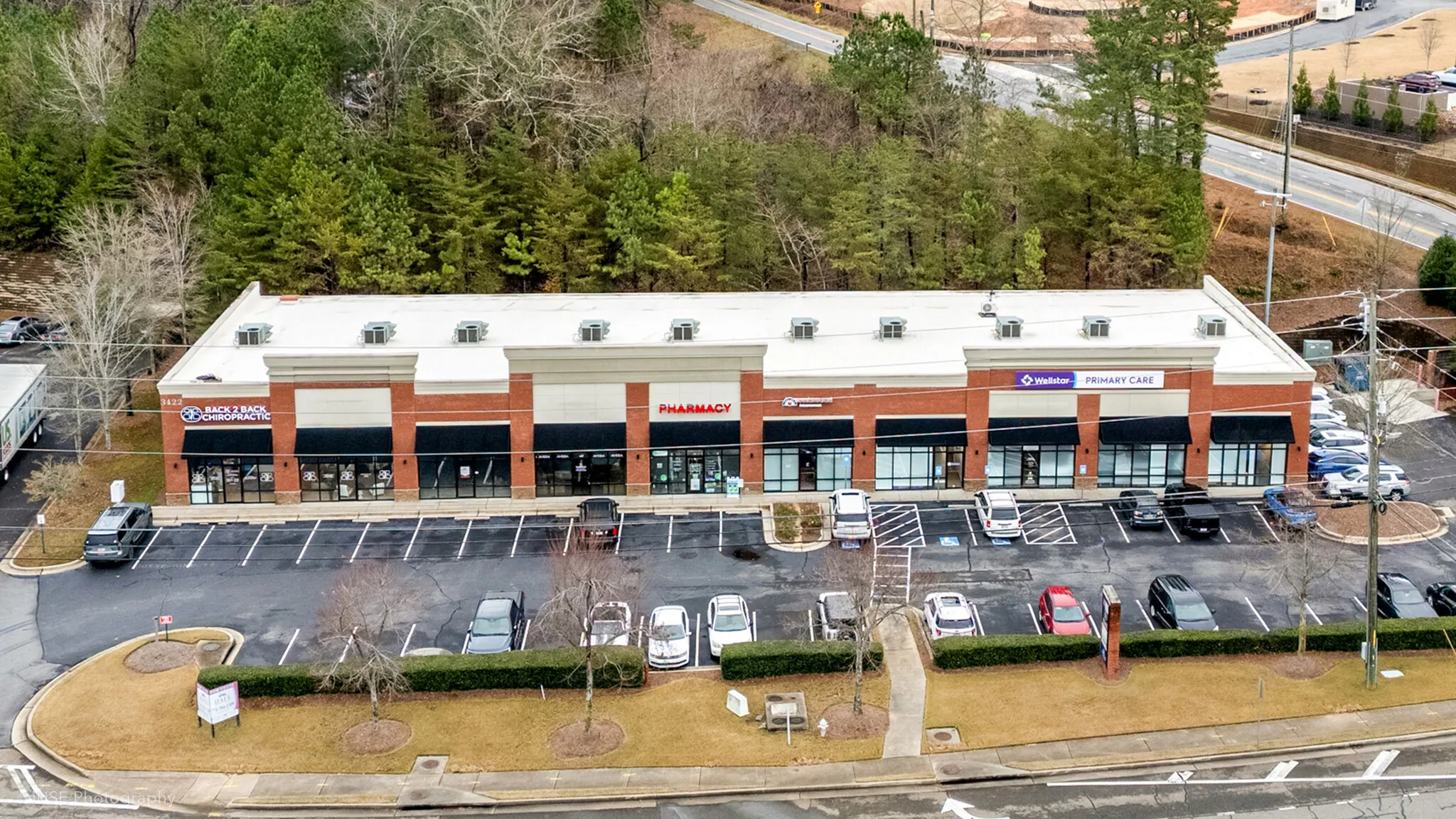
Retail and Shopping Center Roofing
Retail and Shopping Center Roofing is scoped around Capitol Avenue office buildings, F.E. Warren Air Force Base area contractors, and freeze-thaw cycles after spring storms. The scope stays practical: stop water first, document the roof, then choose the repair or replacement path that fits the building.
View Scope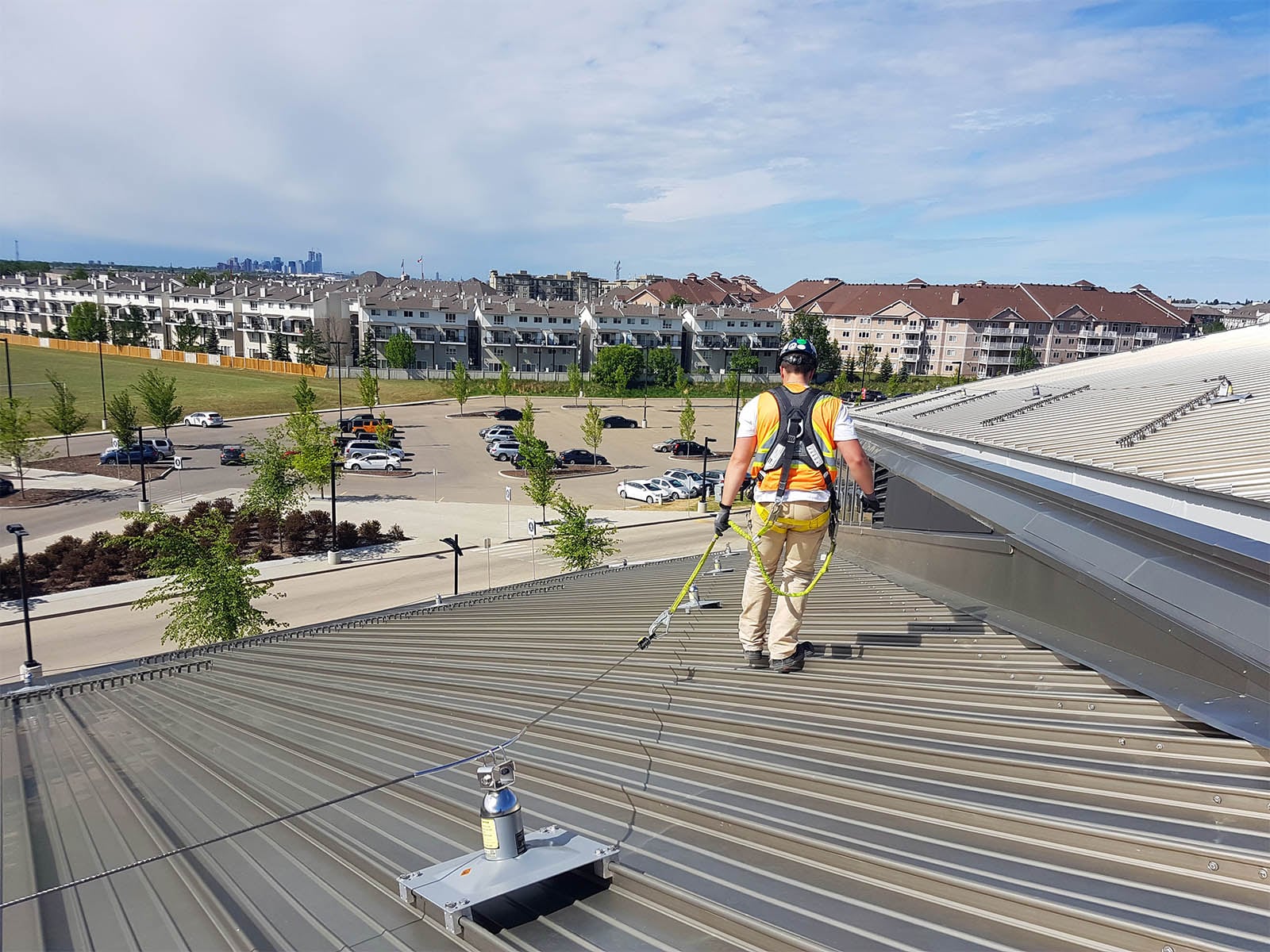
Roof Access and Safety Planning
Roof Access and Safety Planning is scoped around Cheyenne Regional Airport facilities, High Plains wind and hail exposure, and Laramie County public buildings. We keep access, weather windows, and tenant disruption in the plan before crews step onto the roof.
View Scope
Roof Replacement Budgeting
Roof Replacement Budgeting is scoped around Dell Range Boulevard retail roofs, Lincolnway corridor storefronts, and South Cheyenne industrial sites. Every recommendation is tied to observed conditions, not a prewritten roof package.
View ScopeGet the roof decision into writing.
Tell us what changed on the roof, where the building sits, and who needs the report. We will turn the next step into a clear scope.