 Contact Us Now
Roof Replacement Budgeting in Cheyenne, WY
A roof scope for Roof Replacement Budgeting has to start with what the building is doing today. We consider Dell Range Boulevard retail roofs, Lincolnway corridor storefronts, South Cheyenne industrial sites, and Laramie County business parks before we recommend work.
That keeps the scope tied to the roof that is actually on the building: membrane condition, seams, metal, drainage, rooftop units, access, tenant needs, and timing.
Capital planning for commercial roof replacement in Cheyenne requires accounting for constraints that do not exist in most US markets. The most significant is the installation season restriction: Cheyenne's winters effectively close the commercial roofing installation window from approximately November through April. Six months of each year are either unavailable or significantly restricted for major roofing work, which means that a building owner who defers a replacement decision past October is almost certainly looking at an April-at-earliest start date, and that a failing roof must survive another Wyoming winter before it can be replaced. This calendar reality should drive replacement timing decisions toward aggressive scheduling rather than optimistic delay.
The November-to-April restricted window is not absolute, emergency work, heated enclosure installations, and cold-weather-rated membrane systems allow some winter roofing, but major planned re-roofing on Cheyenne commercial buildings is a May-through-October project in practice. Developer projects on North Range and Campstool that are on fixed construction schedules sometimes push into shoulder seasons, and we manage those situations with weather monitoring and material selection adjustments. But for building owners planning a voluntary replacement on an occupied facility, the right planning assumption is a six-month available installation window, and projects that do not get underway by August risk pushing into conditions that compromise installation quality or force a winter delay.
Budget categories for a Cheyenne commercial roof replacement go beyond membrane and labor. Deck repair is a category that is almost always present and frequently underestimated. When existing membrane is removed, deck conditions that were not visible during the pre-replacement assessment are revealed, corroded deck sections, inadequate fastening at structural connections, and sections where prior leak infiltration has damaged the deck steel. Experienced Cheyenne roofing contractors carry a contingency line for deck repair based on building age and prior leak history, but the actual amount is only known after tear-off. We recommend a 10 to 15 percent deck repair contingency for buildings under 20 years old and 15 to 25 percent for older buildings with known leak history.
Insulation upgrade costs are a budget category that is sometimes treated as optional but is increasingly code-driven. Wyoming energy code requires minimum insulation levels for commercial roofs, and re-roofing projects trigger compliance review. If existing insulation does not meet current minimum R-values, the replacement project must bring insulation to code, this is not a discretionary upgrade. For older Cheyenne commercial buildings with minimal insulation from original construction, the code-required insulation upgrade can add 20 to 30 percent to the total project budget. Understanding this requirement before budget approval prevents the unpleasant discovery that the approved budget is short of code compliance.
Phasing costs for occupied facilities are a real budget item that should be included in replacement budgeting for buildings that cannot be vacated during construction. Phased re-roofing on an occupied Cheyenne commercial building requires additional mobilization events, temporary protection between phases, and schedule management that costs more than a single-phase replacement on an empty building. For a 60,000-square-foot warehouse that must remain operational, phasing premium over a single-phase project might add 10 to 20 percent to total cost, a real number that should be in the budget rather than discovered as a variance during construction. We develop phasing plans with associated cost estimates during pre-project planning so that owners can budget accurately.
Long lead times for materials are a Cheyenne-specific budget timing consideration. Major membrane orders, specialty insulation, and custom-fabricated edge metal components may have lead times of four to eight weeks from suppliers who serve the Intermountain West market. Projects that are approved and contracted late in the spring must account for these lead times in setting a realistic start date. A project approved in June with a six-week material lead time will not start installation until late July or early August, leaving a compressed installation window before fall weather tightens the schedule. Early commitment to a replacement project, even six months in advance, allows material procurement to happen efficiently without the premium cost of expedited shipping or substitution for available alternatives.
Contingency sizing for Cheyenne commercial roof replacements should reflect the actual risk profile of the project. A new construction project with known deck conditions and no existing assembly to remove carries lower contingency risk than a re-roofing project on a 25-year-old building with unknown deck condition, multiple prior re-cover layers, and a documented leak history. Industry standard contingency recommendations of 10 percent may be adequate for the former and significantly short of adequate for the latter. We provide contingency guidance based on building-specific risk factors rather than applying a standard percentage, and we track how our contingency estimates compare to actual contingency expenditure on completed projects to calibrate future recommendations.
Restoration as an alternative to full replacement warrants a formal budget comparison on any Cheyenne commercial roof where the membrane is in the 12-to-18-year range and still has functional adhesion and adequate seam integrity. A fluid-applied silicone restoration system at 25 to 40 percent of full replacement cost that extends service life by 10 to 15 years changes the capital planning math significantly. The comparison should account for the full 10-to-15-year extension period, not just the immediate cost difference, and should include an honest assessment of whether the existing membrane and insulation are in condition to support a restoration warranty. We provide formal restoration vs. replacement analysis as a capital planning service for building owners evaluating this decision.
Financing and tax considerations affect the total cost of ownership calculation for Cheyenne commercial roof replacements. Commercial roof replacements are generally depreciable capital improvements under current tax code, while maintenance and repair expenses are deductible in the year incurred. The distinction between capital improvement and repair has been a source of confusion under IRS guidance, and the classification affects cash flow timing for tax purposes. For large replacement projects, consultation with a tax advisor on depreciation treatment is worthwhile. Some owners also find that financing a roof replacement through commercial equipment or property improvement financing smooths the capital budget impact relative to a single-year cash expenditure.
Questions Owners Ask
When is the best time of year to plan and budget for a Cheyenne commercial roof replacement?
The ideal planning timeline starts 12 to 18 months before the target installation date. This allows time for a condition assessment, budget development, contractor selection, permit application, and material procurement, all without schedule pressure. For a May-through-July installation start, that means beginning planning in the prior spring or early summer. Owners who begin planning in March for an April start are already behind the optimal schedule and will either compress important planning steps or push the start date to later in the summer, which shrinks the available installation window.
What is the typical cost range for a commercial roof replacement in Cheyenne?
Commercial roof replacement costs in Cheyenne vary widely based on building size, existing assembly removal requirements, insulation upgrade scope, membrane system selection, and site-specific access conditions. As a general reference, single-ply TPO or EPDM re-roofing on a straightforward commercial building currently runs in the range of $8 to $14 per square foot installed, with higher costs for complex geometry, significant deck repair, or premium membrane systems. New construction roofing runs somewhat lower without tear-off costs. These are market reference ranges, actual project costs should be based on a specific scope developed from a condition assessment, not general estimates.
How much should I budget for deck repair contingency on an older Cheyenne commercial building?
For buildings under 20 years old with limited leak history, a 10 percent contingency on the total project budget is a reasonable starting point. For buildings 20 to 30 years old with documented leak history, 15 to 20 percent is more appropriate. For buildings over 30 years old or those with significant prior water infiltration, 20 to 25 percent is warranted. These contingencies reflect the reality that deck conditions are often worse than pre-tear-off assessments suggest, and that budget surprises during construction are more disruptive than conservative contingency planning at the budget stage.
Can I get a roof replacement done in phases to spread the cost over multiple budget years?
Yes, phased replacement is a viable approach for large buildings or portfolio owners who cannot fund a full replacement in a single budget cycle. A typical phasing approach divides the roof into sections that are replaced in consecutive years, with temporary protection at phase boundaries between construction seasons. Phased replacement costs more per square foot than a single-phase project due to multiple mobilizations and temporary protection requirements, but it may be the right approach when capital availability, occupancy requirements, or cash flow constraints make single-phase replacement impractical. We develop phasing plans with multi-year cost estimates for owners considering this approach.
How does Wyoming energy code affect my roof replacement budget?
Wyoming has adopted the International Energy Conservation Code (IECC) with amendments. Commercial re-roofing projects must meet current minimum insulation requirements for Climate Zone 6B, which is Cheyenne's designation. This means that if your existing roof has less insulation than current code requires, common on buildings constructed before 2012, the replacement project must bring insulation to current minimum levels as a code requirement, not an option. The cost of this required upgrade should be included in the budget from the beginning. We confirm code compliance requirements for each project during the pre-planning phase so that budgets reflect actual regulatory requirements.
Related Roof Work
Useful next pages for this roof decision.
Commercial Roof Leak Repair
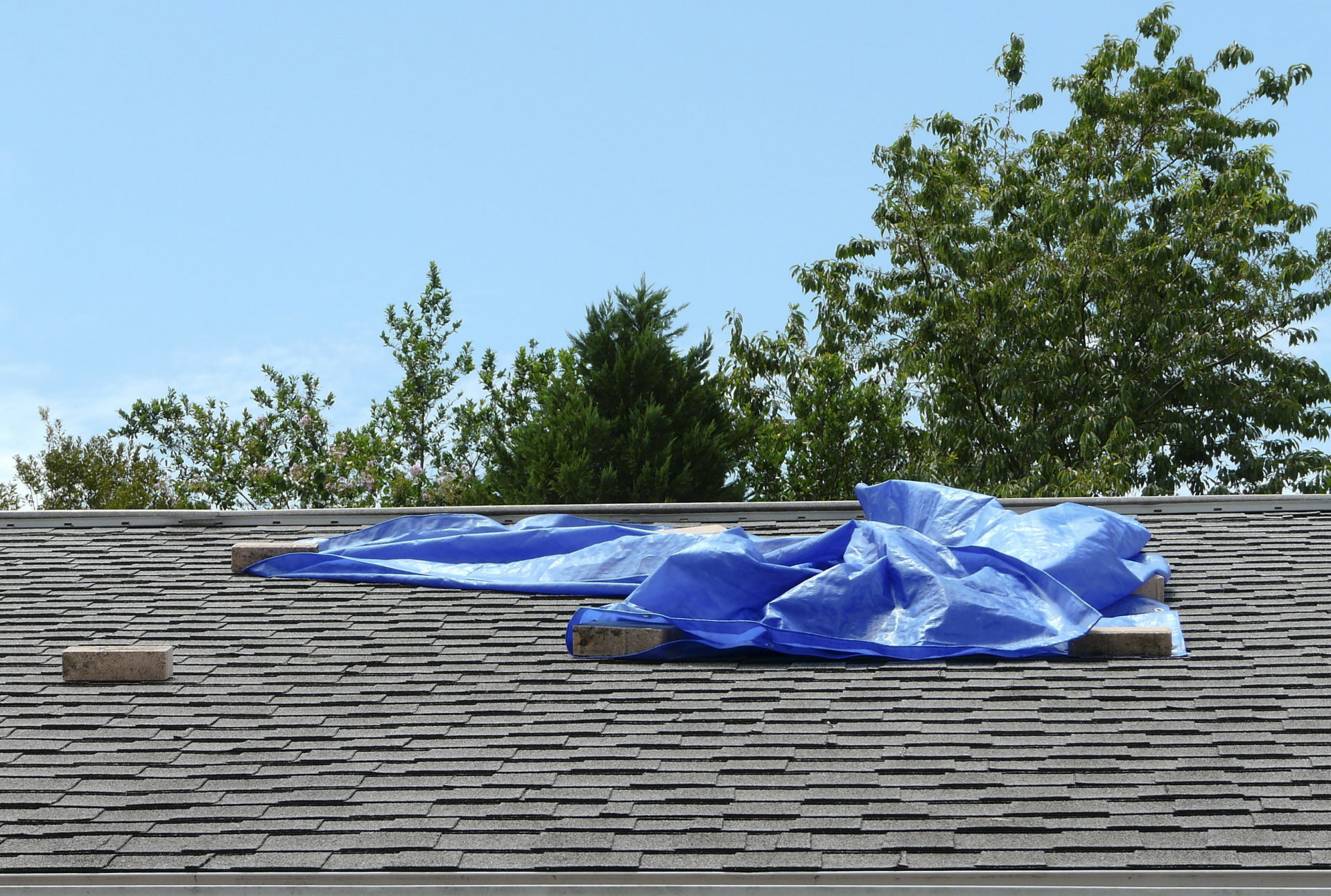
Commercial Roof Leak Repair is scoped around High Plains wind and hail exposure, Laramie County public buildings, and Dell Range Boulevard retail roofs. The scope stays practical: stop water first, document the roof, then choose the repair or replacement path that fits the building.
View Scope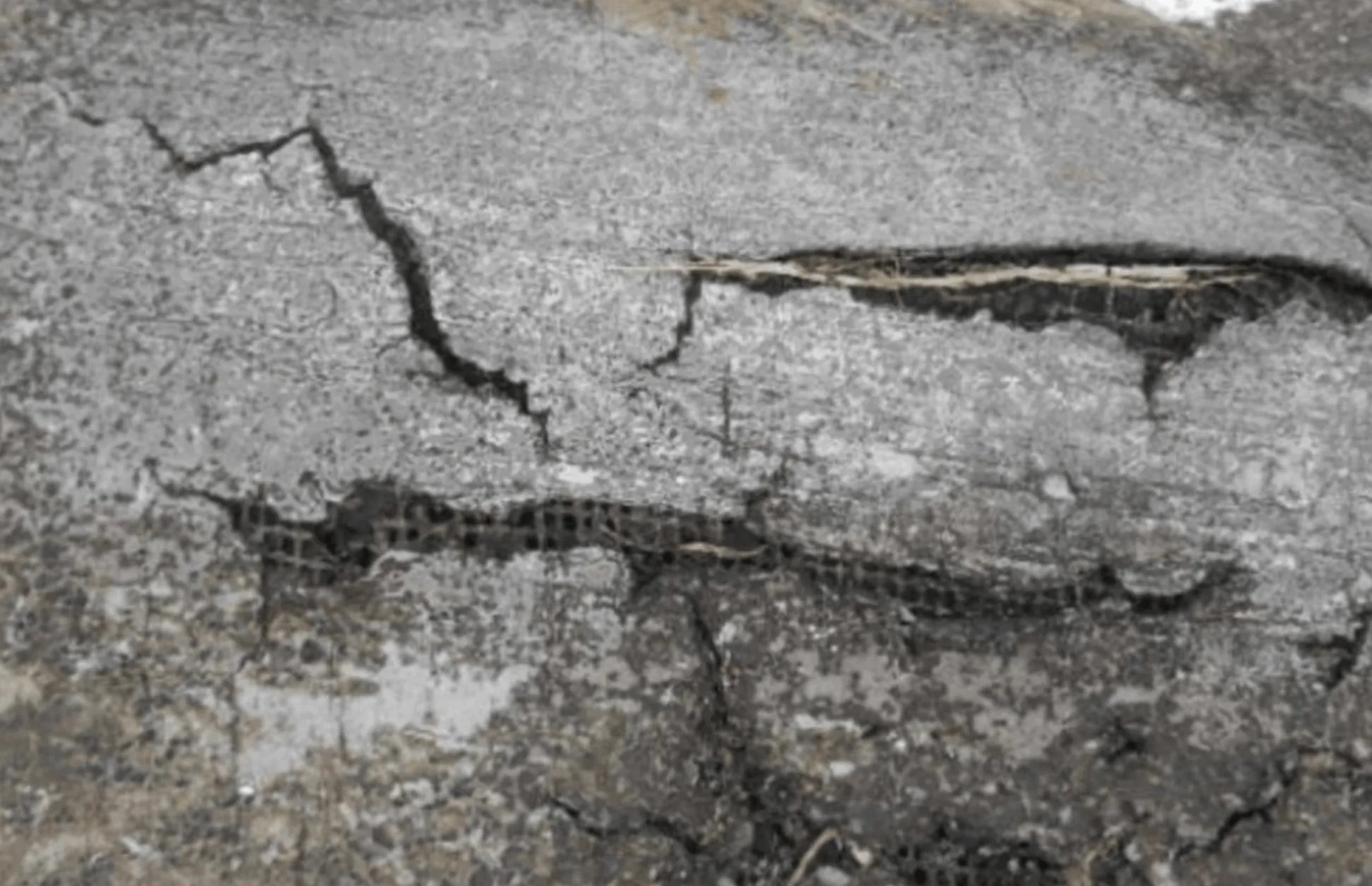
Priority Leak Response
Priority Leak Response is scoped around Laramie County business parks, Cheyenne Logistics Hub properties, and North Range Business Park warehouses. We keep access, weather windows, and tenant disruption in the plan before crews step onto the roof.
View Scope
Commercial Roof Replacement
Commercial Roof Replacement is scoped around Lincolnway corridor storefronts, South Cheyenne industrial sites, and Laramie County business parks. Every recommendation is tied to observed conditions, not a prewritten roof package.
View ScopeGet the roof decision into writing.
Tell us what changed on the roof, where the building sits, and who needs the report. We will turn the next step into a clear scope.