 Contact Us Now
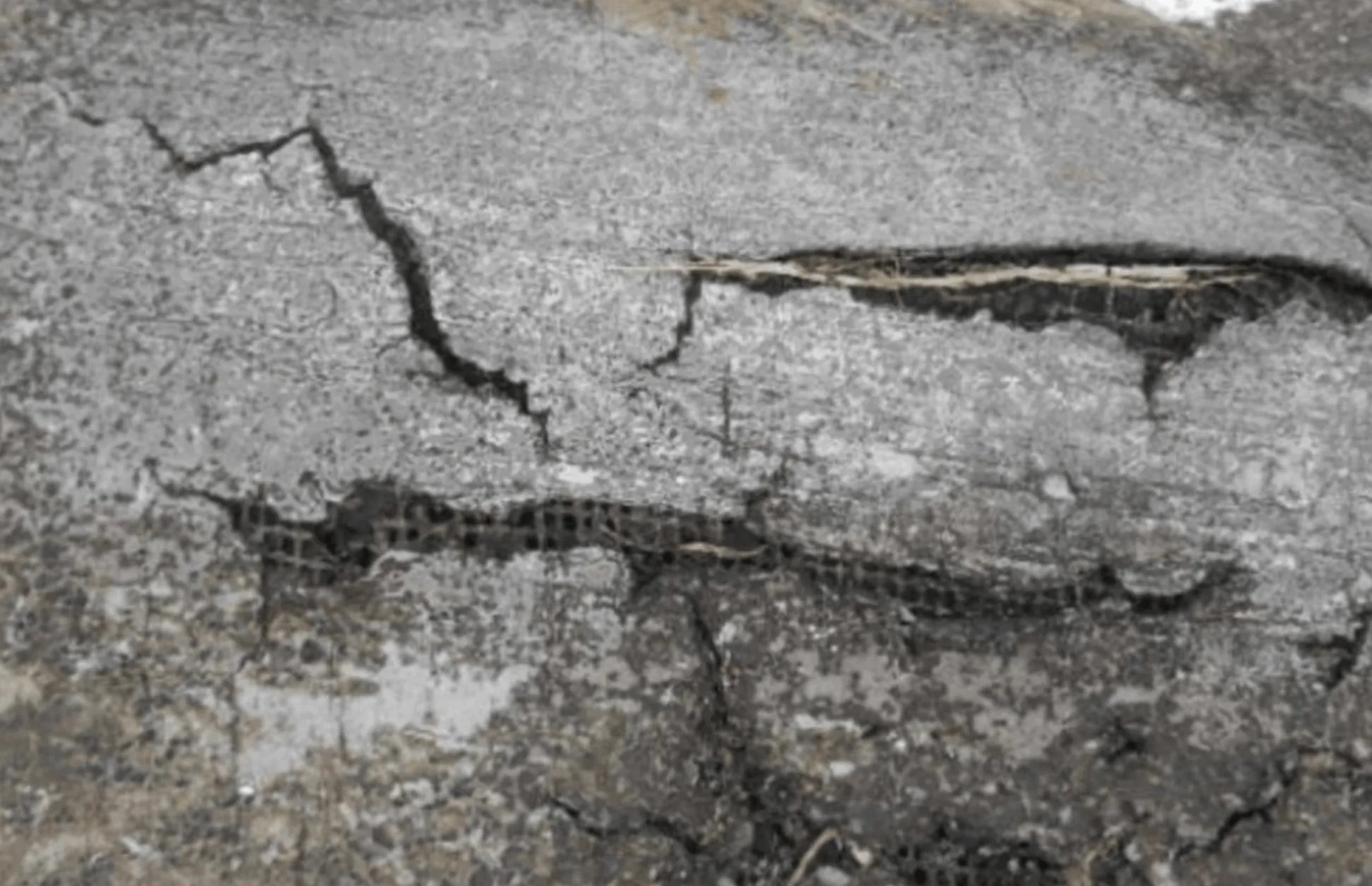
Priority Leak Response in Cheyenne, WY
Priority Leak Response is not useful until the roof condition, access plan, and weather risk are clear. We consider Laramie County business parks, Cheyenne Logistics Hub properties, North Range Business Park warehouses, and the I-25 and I-80 freight interchange before we recommend work.
That keeps the scope tied to the roof that is actually on the building: membrane condition, seams, metal, drainage, rooftop units, access, tenant needs, and timing.
Cheyenne's weather calendar produces two peak leak seasons that every commercial building owner in Laramie County should anticipate. The first is spring thaw, typically March through May, when accumulated snowpack and ice on roofs begins to melt while overnight temperatures are still below freezing. This creates a dangerous daily cycle: melt water saturates the roof surface and moves toward drains during the afternoon, then refreezes overnight when temperatures drop below 32°F. Drains and scuppers that were partially blocked by ice throughout the winter cannot clear this water fast enough, and the backed-up melt infiltrates at flashings, through membrane stress fractures, and around penetrations that survived the winter intact. The second peak is summer hail season, April through July, when large-stone hail events create immediate perforations and delayed bruise failures that produce leaks in the weeks following a storm.
Spring thaw leak response in Cheyenne has a specific urgency that is different from a standard summer leak call. When a building is actively leaking during thaw season, the roof surface may be partially snow-covered, partially icy, and partially wet, conditions that make both safe access and leak source identification significantly more difficult than a dry-weather inspection. Our priority leak response crews are equipped and trained for thaw-season roof access: ice cleats, fall protection for wet and slippery surfaces, and the experience to recognize that what looks like a single leak point at the ceiling may correspond to a different source location on a roof that still has two inches of ice over much of its surface.
Identifying the leak source during a spring thaw event requires understanding the roof's drainage geometry and the likely water pathway from entry point to interior manifestation. Water entering through a flashing separation at the parapet may travel horizontally through the insulation for twenty feet before dripping through the deck at a low point. The ceiling stain is twenty feet from the actual entry point, and probing the membrane directly above the stain rarely finds the source. We trace water pathways using the roof's drainage pattern, known vulnerability points, and electronic leak detection when conditions permit, and we document the actual source location separately from the symptom location for accurate repair targeting.
Temporary protection is a critical emergency response capability for Cheyenne buildings during active leak events. When permanent repair cannot be completed immediately, because the roof surface is too wet or icy, because the repair scope requires materials not immediately available, or because the full extent of damage has not yet been assessed, temporary protection stops active water intrusion while permanent repair is planned. Our emergency response includes the ability to deploy temporary roofing covers, apply emergency sealants to identified entry points, and install interior water diversion systems to protect equipment, inventory, or building systems from continued water damage while permanent repairs are staged.
Hail-triggered emergency leak response has a different operational profile than thaw-season response. After a major hail event, multiple buildings in the Cheyenne area will have damage, and available roofing crews will be stretched. We maintain priority response capacity for existing maintenance program customers, buildings in our maintenance database have documented condition histories that allow faster damage assessment and repair scoping than buildings we are seeing for the first time. For new customers calling after a hail event, we triage based on severity of reported damage and the sensitivity of the occupied use, prioritizing healthcare facilities, food service operations, and data center buildings where water intrusion has immediate operational consequences.
The window between a hail event and the onset of freeze-thaw cycling matters for both structural and insurance reasons. A membrane perforation from June hail will allow water to enter the insulation layer. That water, once in the insulation, will freeze during Cheyenne's cold nights and expand, progressively delaminating the insulation from the membrane above and the deck below. By November, what was a hail perforation has become a delaminated insulation section with a floating membrane, a much more extensive repair than the original perforation required. Emergency response that addresses perforations in the weeks following a hail event prevents this compounding damage cycle.
Leak response on F.E. Warren Air Force Base facilities and other institutional buildings with access restrictions requires pre-established protocols. Base access for emergency roofing response involves security screening, escort requirements, and badge credentialing that can delay response significantly if not arranged in advance. We maintain current credentialing and access arrangements with institutional facilities that are part of our ongoing maintenance programs, which is one concrete advantage of established maintenance relationships over transactional service relationships. When a thaw-season leak develops on a base facility at 2 AM, pre-established access protocols mean response can begin at first light rather than waiting for administrative processing.
Documentation of emergency leak response is important for insurance purposes, particularly when the leak is attributable to a storm event that may support an insurance claim. We document pre-repair conditions, the leak source, visible damage, and interior impact, before any repair work begins, and we provide written reports with photographs that can be submitted with insurance claims. Emergency repairs documented as temporary measures allow supplemental claim submission for permanent repair costs once the full scope is established. Undocumented emergency repairs make later insurance claim submission for the same event more difficult and are worth avoiding even when the immediate priority is stopping the water.
After the emergency is resolved and permanent repairs are complete, a root cause review helps prevent recurrence. Most Cheyenne commercial roof leaks during thaw and hail seasons have contributing factors, inadequate drain capacity that allowed ice backup, a flashing that was marginal and finally failed under thaw-season stress, or a membrane that was already approaching end of life when hail impact pushed it to failure. Understanding these contributing factors and addressing them as part of the post-emergency repair scope converts a reactive event into a proactive improvement. A roof that has been reinforced at its actual vulnerability points after an emergency will perform better in the next weather cycle than one that simply had the symptom patched.
Questions Owners Ask
What should I do immediately when I discover an active roof leak in my Cheyenne commercial building?
First, protect interior assets, move inventory, cover equipment, and set out containers to collect water if needed. Then call us for emergency response. While waiting for our crew, do not attempt roof access on a wet, icy, or snow-covered roof without proper safety equipment. Document the interior damage with photographs before cleanup begins, as this documentation supports insurance claims. If the leak is severe and involves electrical systems or structural ceiling elements, consult your building engineer or facilities manager before re-occupying the affected area.
How long does emergency leak response typically take to arrive in Cheyenne?
For maintenance program customers, we target same-day response for active leak emergencies during business hours and next-morning response for after-hours calls. For new customers, response time depends on crew availability, which is constrained during high-demand periods like post-hail events when multiple buildings in the area have damage simultaneously. We recommend establishing a maintenance program relationship before an emergency occurs, pre-established relationships with documented building history produce faster and more accurate emergency response than cold calls during a regional storm event.
Why do Cheyenne buildings leak more during spring thaw than during heavy summer rains?
Spring thaw creates conditions that are uniquely damaging compared to rain events. Snow and ice accumulating over months reaches volumes far exceeding typical rain events, and as it melts, it produces sustained water levels on the roof surface for days or weeks rather than hours. Drains blocked by ice from the winter cannot clear this water volume fast enough. Simultaneously, flashings that have been subjected to freeze-thaw stress throughout the winter are at their most vulnerable. The combination of high water volume, impaired drainage, and stress-weakened flashings produces leak events that a rain event of equivalent volume would not cause.
Can a temporary repair hold through a Cheyenne winter if permanent repair cannot be scheduled immediately?
It depends on the nature and location of the damage. A properly applied temporary repair using commercial-grade materials can survive through a Cheyenne winter if the damaged area does not involve structural membrane failure or delaminated sections that will continue moving under freeze-thaw stress. We evaluate each temporary repair situation individually and provide honest guidance on whether a temporary fix will hold through winter or whether permanent repair before freeze-up is necessary to prevent progressive damage. We do not install temporary repairs and collect payment for work we believe will fail before permanent repair can be scheduled.
Does my commercial property insurance cover emergency leak response costs?
Emergency mitigation costs, including temporary protection, emergency labor, and materials used to stop active water intrusion, are generally covered under commercial property policies as part of the loss mitigation obligation. Most policies require that you take reasonable steps to prevent further damage, and emergency roofing response fulfills that obligation. We provide invoices formatted for insurance claim submission and can supplement the emergency response documentation with our damage assessment report. Review your specific policy with your broker, as coverage terms vary, but emergency mitigation costs are a routine element of commercial property claims.
Related Roof Work
Useful next pages for this roof decision.
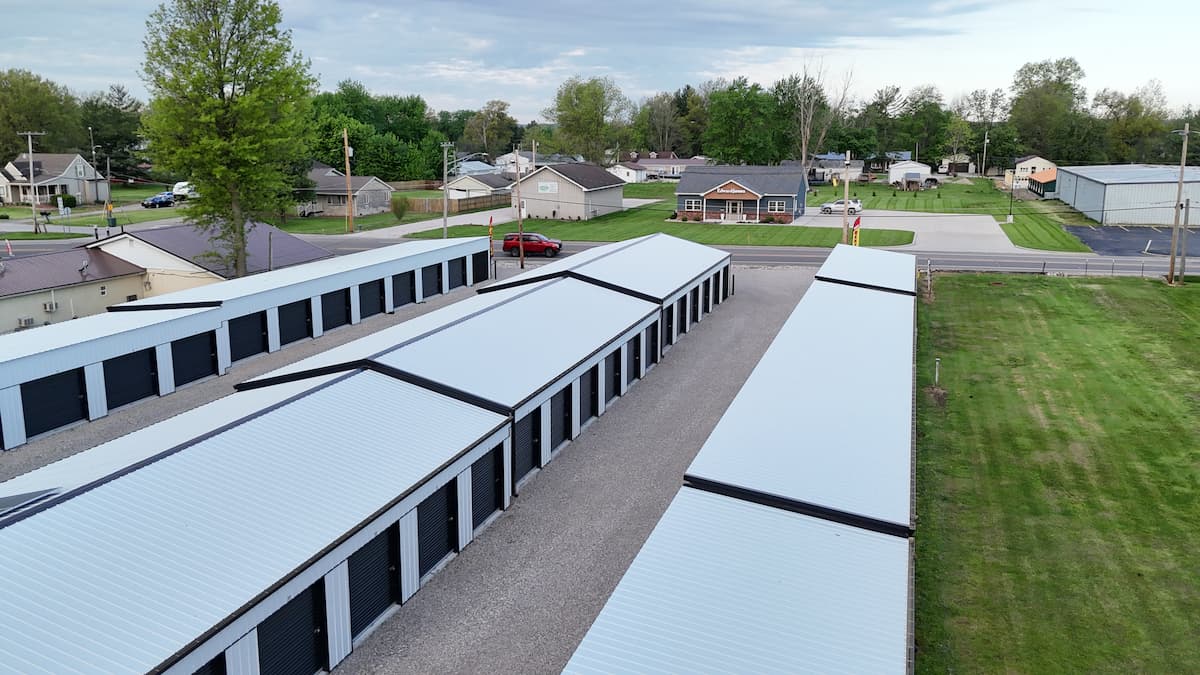
Self-Storage Facility Roofing
Self-Storage Facility Roofing is scoped around Dell Range Boulevard retail roofs, Lincolnway corridor storefronts, and South Cheyenne industrial sites. The scope stays practical: stop water first, document the roof, then choose the repair or replacement path that fits the building.
View Scope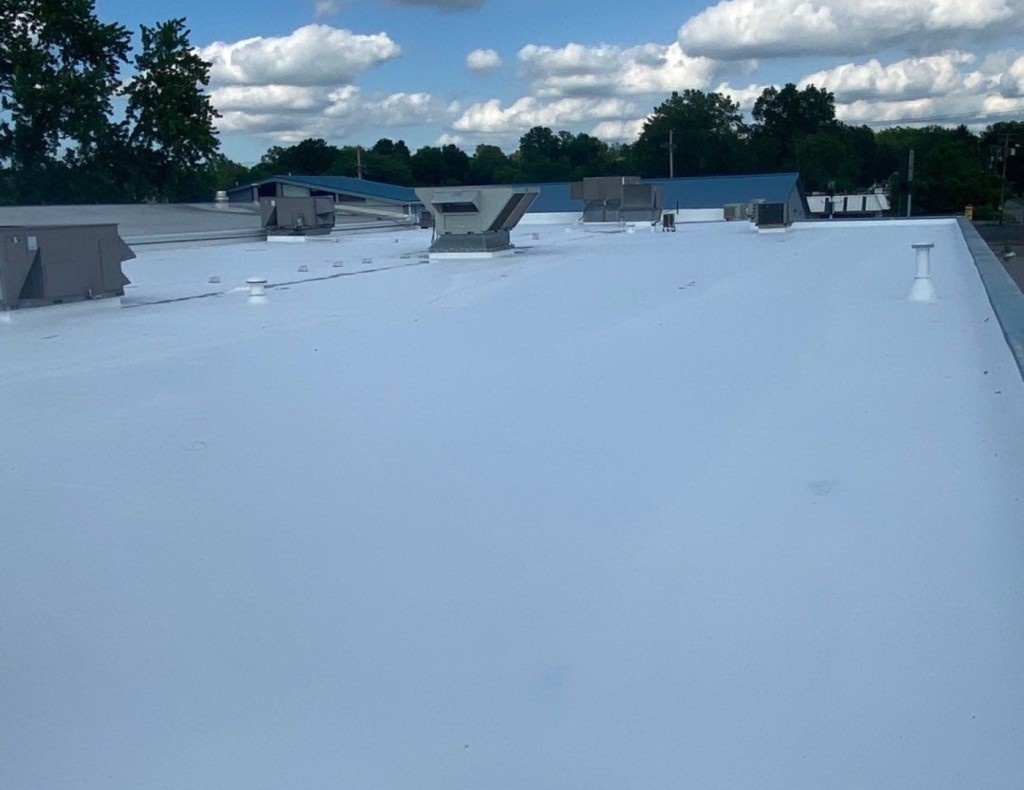
Single-Ply Roofing
Single-Ply Roofing is scoped around Dell Range Boulevard retail roofs, Lincolnway corridor storefronts, and South Cheyenne industrial sites. We keep access, weather windows, and tenant disruption in the plan before crews step onto the roof.
View Scope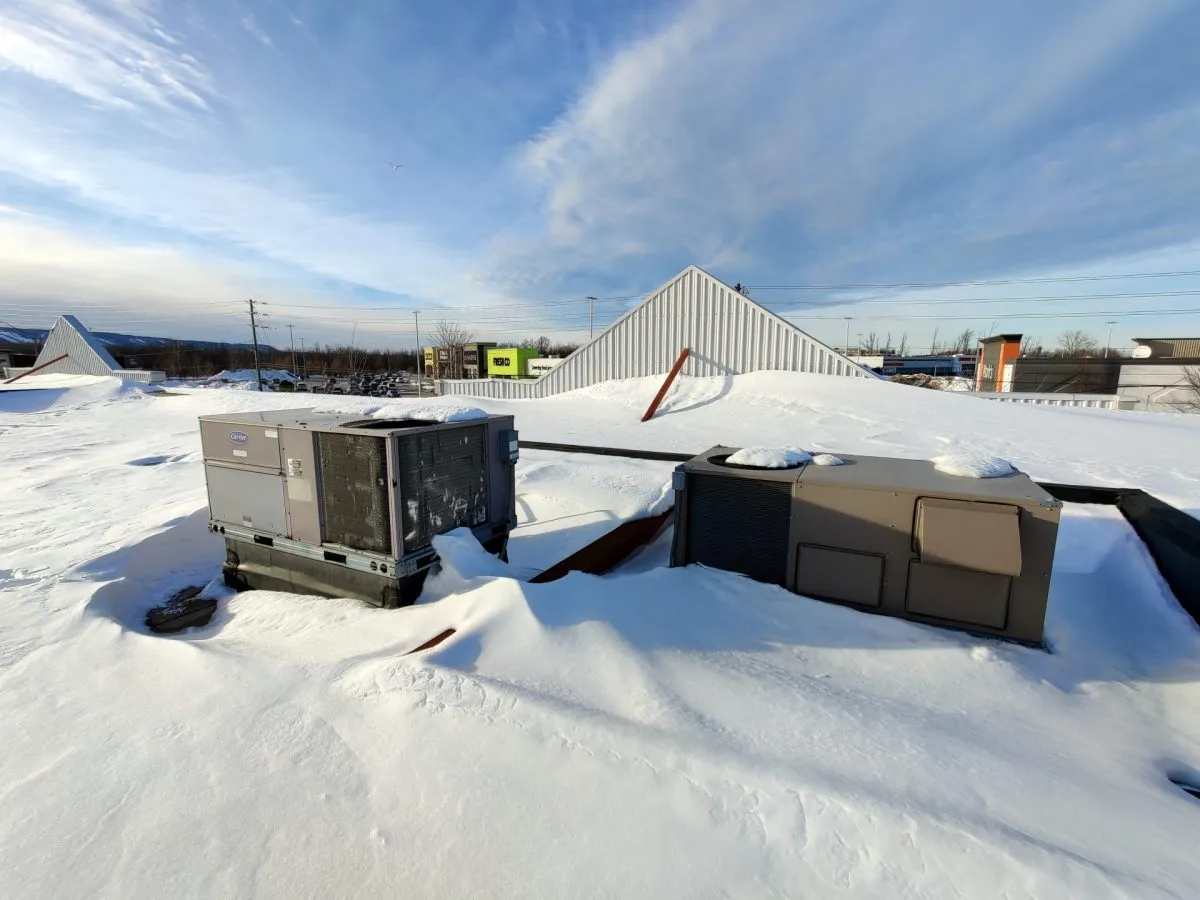
Snow Load Roof Planning
Snow Load Roof Planning is scoped around the I-25 and I-80 freight interchange, Frontier Mall and nearby service buildings, and snow drift at parapets and rooftop units. Every recommendation is tied to observed conditions, not a prewritten roof package.
View ScopeGet the roof decision into writing.
Tell us what changed on the roof, where the building sits, and who needs the report. We will turn the next step into a clear scope.