 Contact Us Now
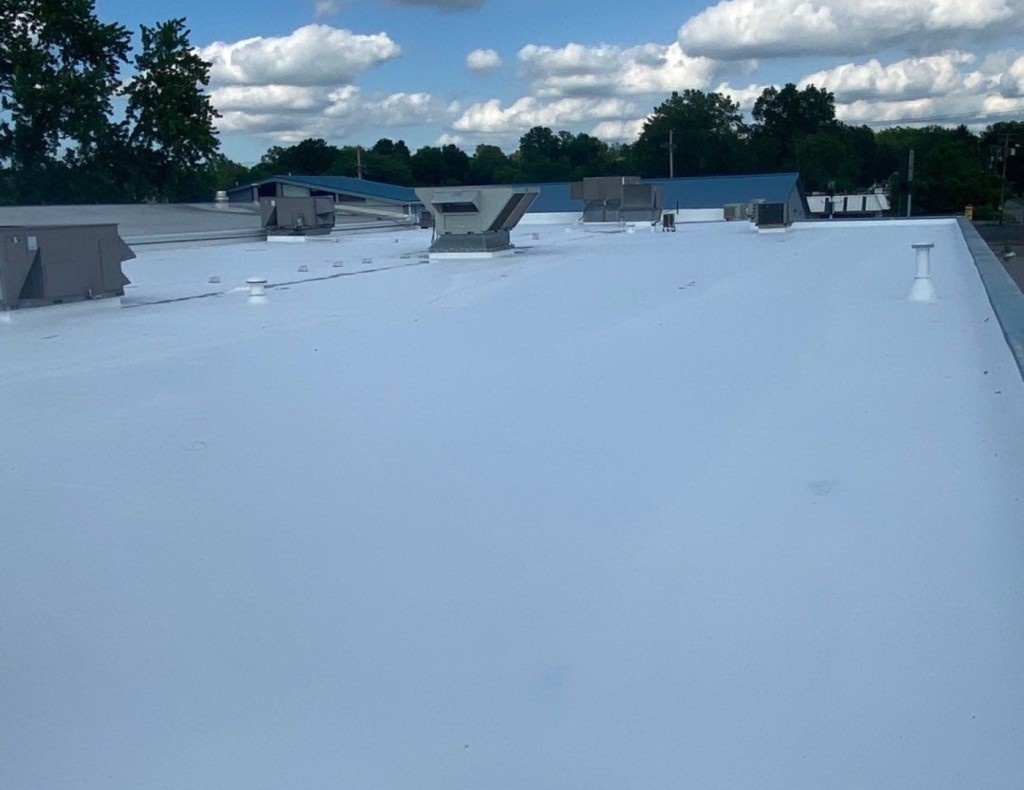
Single-Ply Roofing in Cheyenne, WY
Single-Ply Roofing is not useful until the roof condition, access plan, and weather risk are clear. We consider Dell Range Boulevard retail roofs, Lincolnway corridor storefronts, South Cheyenne industrial sites, and Laramie County business parks before we recommend work.
That keeps the scope tied to the roof that is actually on the building: membrane condition, seams, metal, drainage, rooftop units, access, tenant needs, and timing.
Single-ply roofing, TPO, EPDM, and PVC membrane systems, dominates new commercial roofing in Cheyenne and accounts for the majority of the re-roofing work performed on the city's commercial building stock each decade. The three systems differ meaningfully in their performance characteristics, and the choice between them on a Cheyenne commercial building should be based on the specific climate demands the building will face rather than cost alone or installer preference. Wyoming's temperature cycling from minus 20°F to 90°F-plus, sustained high winds, and large-stone hail events each interact differently with the three membrane types, and those interactions determine how the system performs over a 20-year service life rather than just at installation.
TPO, thermoplastic polyolefin, is the most widely used single-ply membrane in current Cheyenne commercial construction, and for good reason. Heat-welded TPO seams, when properly executed, are the strongest element of the system, the weld zone is typically stronger than the parent sheet, which means seam failures on well-installed TPO systems are rare. TPO's white reflective surface reduces summer cooling loads and contributes to energy code compliance in Cheyenne's Climate Zone 6B designation. The primary performance concern for TPO in Cheyenne is thermal cycling stress, the extreme temperature range from Cheyenne's coldest winters to hottest summer days puts mechanical stress on constrained areas of the membrane, particularly at penetrations, corners, and perimeter edge terminations. Proper detailing at these locations is more important on Cheyenne TPO installations than on TPO in moderate climates.
EPDM, ethylene propylene diene monomer, has a long track record on Cheyenne commercial buildings and remains relevant for specific applications. Its primary advantage in Wyoming's climate is low-temperature flexibility: EPDM maintains elasticity at temperatures where TPO can become more brittle and less forgiving of substrate movement. For buildings in Cheyenne that experience significant deck deflection under snow load, or for structures with known thermal movement characteristics that put stress on the membrane at low temperatures, EPDM's cold-weather flexibility is a genuine performance advantage. EPDM's historical weakness, seam reliability, has improved with modern tape and liquid-applied adhesive systems, but heat-welded TPO seams still outperform EPDM adhesive laps in long-term watertightness under thermal cycling stress.
PVC, polyvinyl chloride, is used on Cheyenne commercial roofs where chemical resistance is a requirement. Buildings with rooftop kitchen exhaust, grease discharge, or industrial process emissions that would degrade TPO or EPDM benefit from PVC's superior resistance to oils and chemicals. PVC is also heat-weldable like TPO, providing the same seam strength advantage over EPDM laps. The practical disadvantage of PVC in Cheyenne's climate is low-temperature brittleness, PVC becomes increasingly rigid as temperatures drop and can crack at impact points during cold weather installation or maintenance. For standard commercial applications without chemical exposure, TPO is generally the preferred choice over PVC in Cheyenne's temperature-extreme climate.
Wind zone compliance is a non-negotiable specification requirement for single-ply systems on Cheyenne commercial buildings. Mechanically attached TPO and EPDM systems must meet FM Global or UL wind uplift ratings appropriate for Laramie County's design wind speeds and the building's exposure category. Attachment density, fastener spacing and row spacing, must be calculated for the specific wind load rather than applied as a generic pattern. Corner and perimeter zones experience wind uplift two to three times higher than field zones on the same roof, and attachment must be increased proportionally in those areas. We calculate wind uplift requirements for each project based on the building's specific geometry, height, and exposure and verify that the specified system meets those requirements before installation begins.
Energy code compliance for single-ply systems on Cheyenne commercial buildings requires meeting minimum insulation R-values for Climate Zone 6B. Current IECC requirements mandate continuous insulation levels that, for polyisocyanurate, require accounting for cold-temperature thermal performance de-rating, a consideration specific to cold climates that is sometimes overlooked in thermal calculations. White TPO and PVC membranes contribute to energy performance through solar reflectance and thermal emittance, but in Cheyenne's heating-dominated climate, the insulation level is a more significant energy performance driver than surface reflectance. We confirm energy code compliance as part of every single-ply specification and provide documentation for permit submission when required.
Hail impact resistance varies across single-ply membrane types and thicknesses. Thicker membranes, 60 and 80 mil, provide more resistance to hail perforation than 45-mil systems, but no single-ply membrane provides complete perforation resistance against large-diameter hail stones. The practical approach on Cheyenne commercial buildings is to specify adequate thickness, 60-mil minimum on buildings in known hail corridors, and to plan for post-hail inspection and repair as a routine maintenance event rather than an exceptional occurrence. Buildings in North Range and Campstool that have been re-roofed with 45-mil TPO as a cost-saving measure are accepting meaningful additional hail damage risk compared to those with 60 or 80-mil systems.
Installation quality control on Cheyenne single-ply projects requires specific attention to seam welds, adhesive application, and perimeter detailing. TPO seam welds should be probe-tested throughout the installation, not just at project closeout, and any areas where weld width or adhesion is questionable should be re-welded immediately rather than deferred. EPDM seam adhesive must be applied in both coverage and splice tape pressure within manufacturer specifications, with temperature monitoring to ensure adhesive is applied within the acceptable range. Perimeter and corner detailing, where wind uplift is highest and thermal stress is greatest, deserves extra quality control attention on every Cheyenne single-ply installation.
Long-term performance of single-ply roofing on Cheyenne commercial buildings depends on the combination of system selection, installation quality, and ongoing maintenance. A 60-mil TPO or EPDM system installed by a manufacturer-certified contractor, with biannual maintenance inspections, can be expected to deliver 20 to 25 years of service in Cheyenne's climate. The same system installed without quality control and maintained reactively will reach 12 to 15 years before requiring major intervention. The difference represents hundreds of thousands of dollars in avoided replacement cost on a large commercial building, and it starts with specification and contractor selection decisions made before the first square foot of membrane is installed.
Questions Owners Ask
Which single-ply membrane is best for a Cheyenne commercial building, TPO, EPDM, or PVC?
For most Cheyenne commercial applications without special chemical exposure, TPO in 60-mil thickness is our standard recommendation. Heat-welded seams provide reliable long-term watertightness under thermal cycling, white reflective surface contributes to energy performance, and the system has a well-established track record in high-wind, temperature-extreme climates. EPDM is a strong alternative for buildings with significant deck movement or where low-temperature membrane flexibility is a specific concern. PVC is appropriate where chemical resistance is required. The right answer depends on the specific building and its use, we evaluate each project individually rather than applying a default without considering the specifics.
What thickness of TPO should I specify for a Cheyenne commercial roof?
60-mil is the minimum we recommend for Cheyenne commercial buildings, and 80-mil is worth considering for buildings with high hail exposure, heavy foot traffic from rooftop equipment maintenance, or longer warranty requirements. 45-mil TPO, while available and less expensive, does not provide adequate hail impact resistance for Cheyenne's large-stone hail events and is likely to require more frequent hail damage repairs over its service life. The cost difference between 45-mil and 60-mil TPO on a typical commercial project is modest relative to the total project cost and the reduced maintenance burden a thicker membrane provides.
How does Wyoming's temperature range affect single-ply membrane performance?
The minus 20°F to 90°F temperature range Cheyenne experiences, a 110-degree swing, puts mechanical stress on membrane materials that expand and contract with temperature change. Constrained areas where the membrane cannot move freely, at penetrations, inside corners, and at termination bars, experience the highest stress concentrations. TPO at very low temperatures has reduced flexibility compared to room temperature, which means impact from hail or falling ice during a cold winter event can cause cracking that would not occur in warmer conditions. Proper installation detailing that allows controlled thermal movement at constrained points is the primary design response to this stress, and it separates quality Cheyenne installations from those that fail prematurely at constrained locations.
Does a single-ply roof require more maintenance in Cheyenne than in other markets?
Yes, measurably so. Cheyenne's freeze-thaw cycling, hail frequency, and sustained wind loading each create damage mechanisms that require more frequent inspection and repair than typical commercial roofing environments. Biannual maintenance inspections, at minimum, are necessary to catch flashing separations, backed-out fasteners, hail bruises, and seam stress before they become active leaks. Single-ply roofs maintained on a once-per-year or reactive-only basis in Cheyenne typically reach end of service life 5 to 8 years earlier than those on biannual maintenance programs. The additional maintenance cost is a small fraction of the value of the extended service life it produces.
What warranty is available for single-ply roofing on a new Cheyenne commercial building?
Major manufacturers offer NDL (no-dollar-limit) warranties on TPO, EPDM, and PVC systems installed by certified applicators. Standard warranty terms run 15, 20, or 25 years depending on the manufacturer and system selected. NDL warranties cover manufacturing defects and installation failures without a dollar cap, which provides meaningful protection on large commercial roofs where repair costs can be substantial. Warranty issuance requires manufacturer inspection at project completion, and warranty maintenance requires periodic inspection visits that must be documented. We coordinate manufacturer certification, inspection, and warranty issuance as a standard part of the project closeout process.
Related Roof Work
Useful next pages for this roof decision.
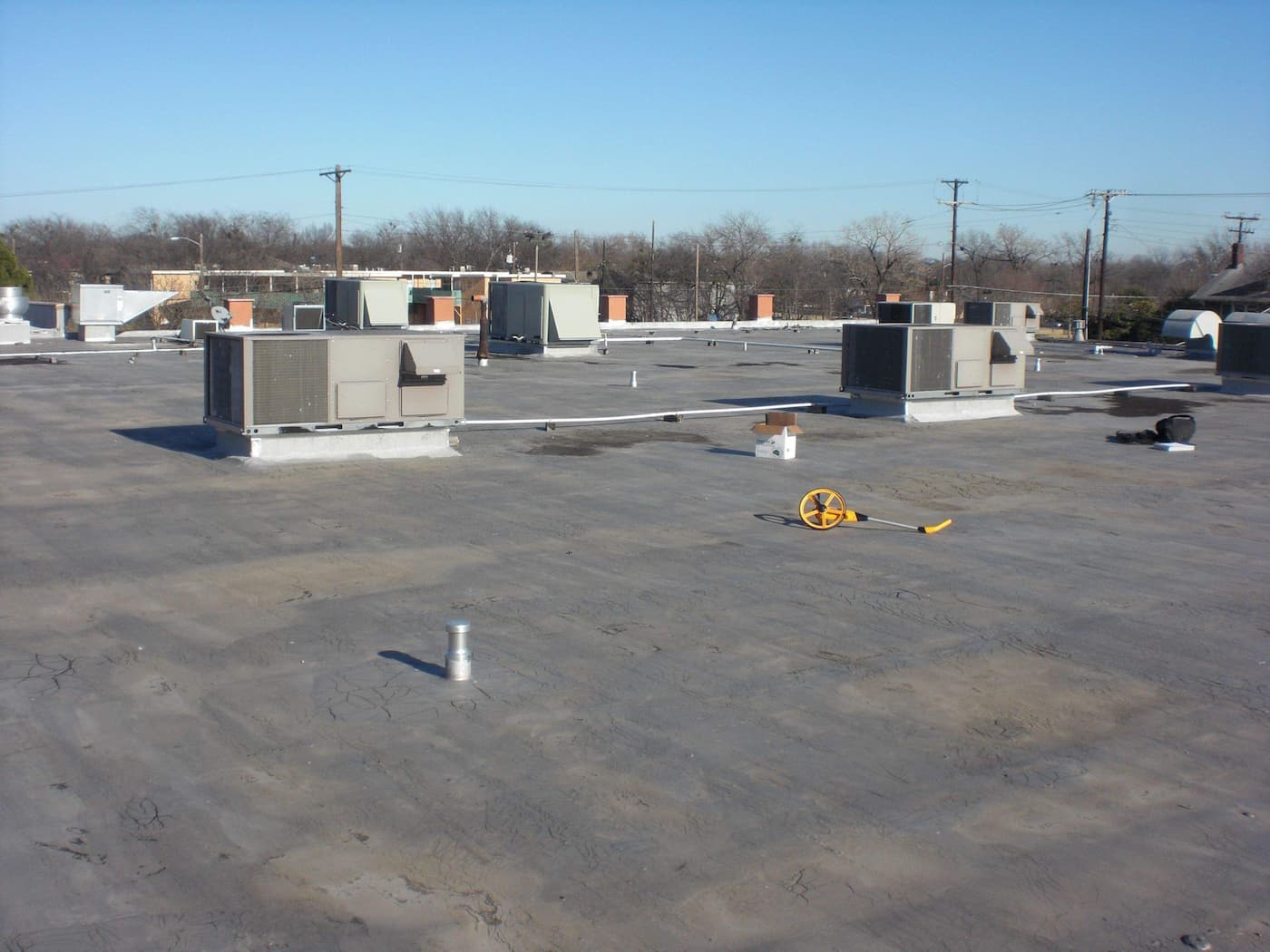
Hail Damage Roof Repair
Hail Damage Roof Repair is scoped around High Plains wind and hail exposure, Laramie County public buildings, and Dell Range Boulevard retail roofs. The scope stays practical: stop water first, document the roof, then choose the repair or replacement path that fits the building.
View Scope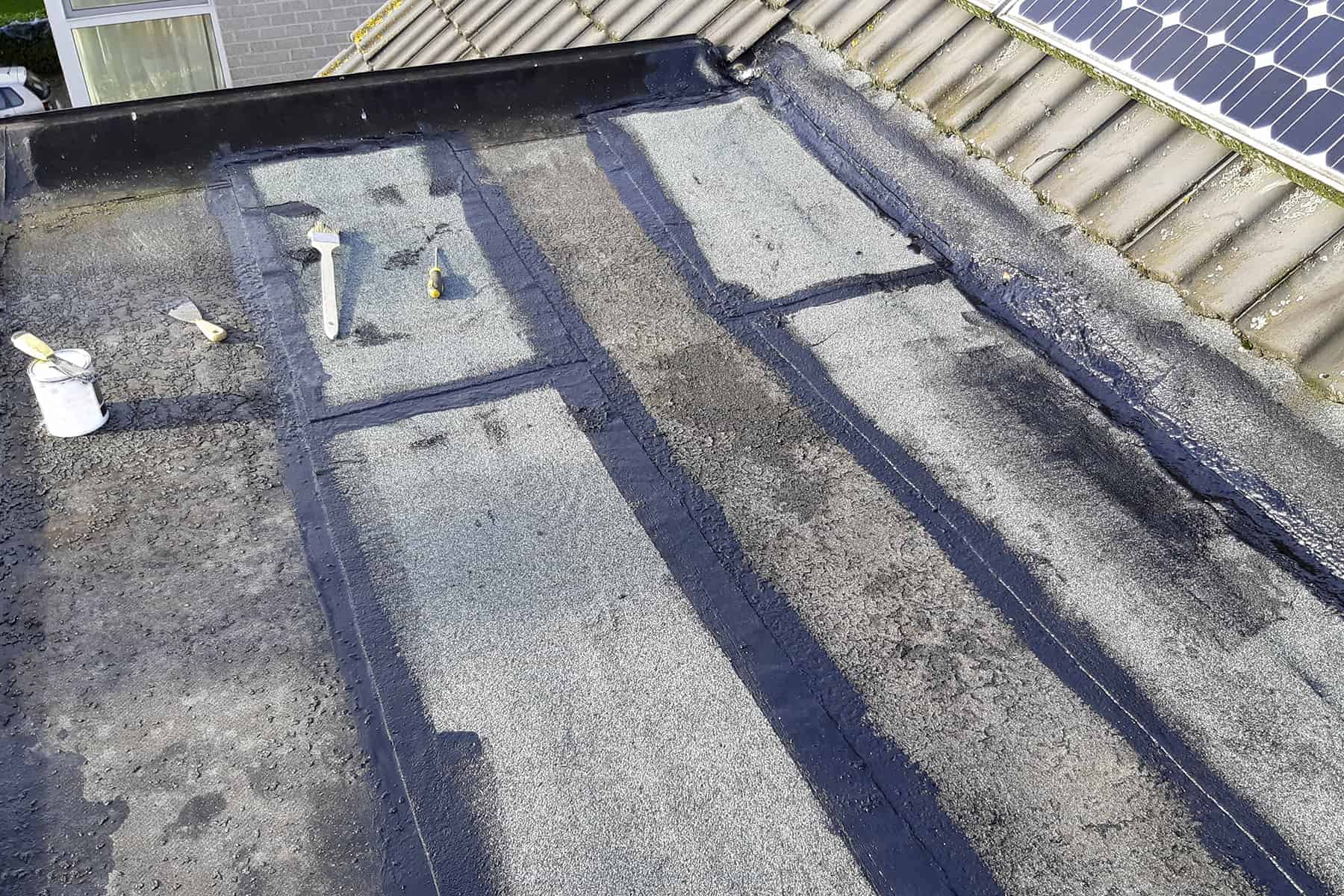
Flat Roof Repair
Flat Roof Repair is scoped around North Range Business Park warehouses, the I-25 and I-80 freight interchange, and Frontier Mall and nearby service buildings. We keep access, weather windows, and tenant disruption in the plan before crews step onto the roof.
View Scope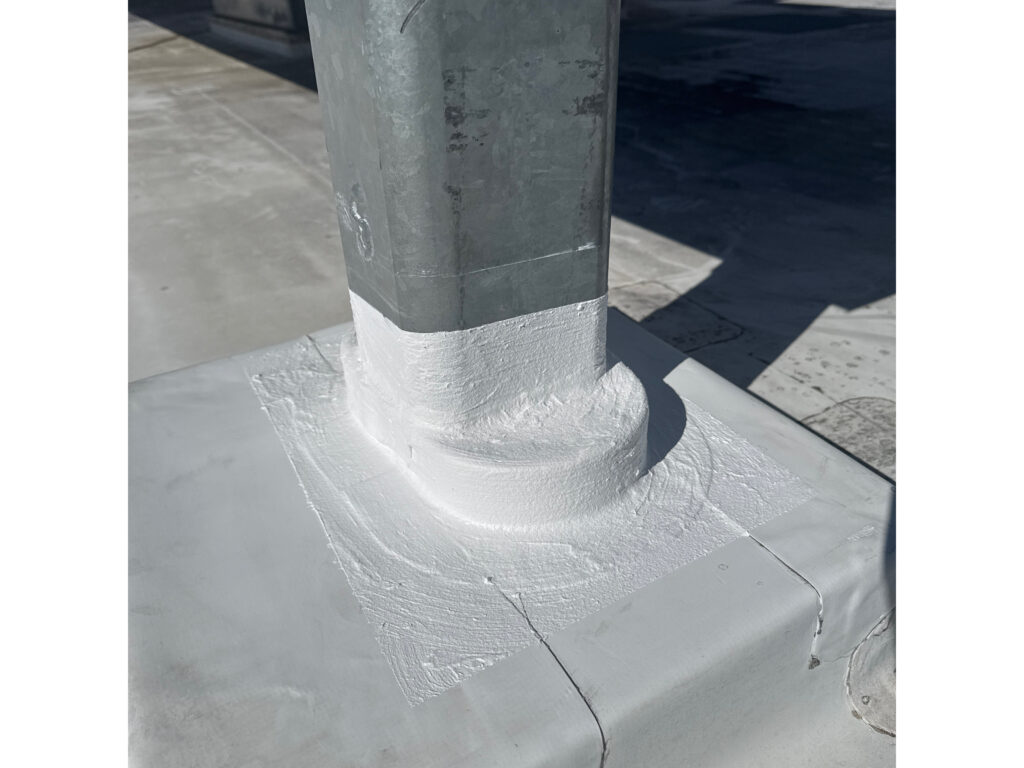
Roof Flashing Repair
Roof Flashing Repair is scoped around North Range Business Park warehouses, the I-25 and I-80 freight interchange, and Frontier Mall and nearby service buildings. Every recommendation is tied to observed conditions, not a prewritten roof package.
View ScopeGet the roof decision into writing.
Tell us what changed on the roof, where the building sits, and who needs the report. We will turn the next step into a clear scope.