 Contact Us Now
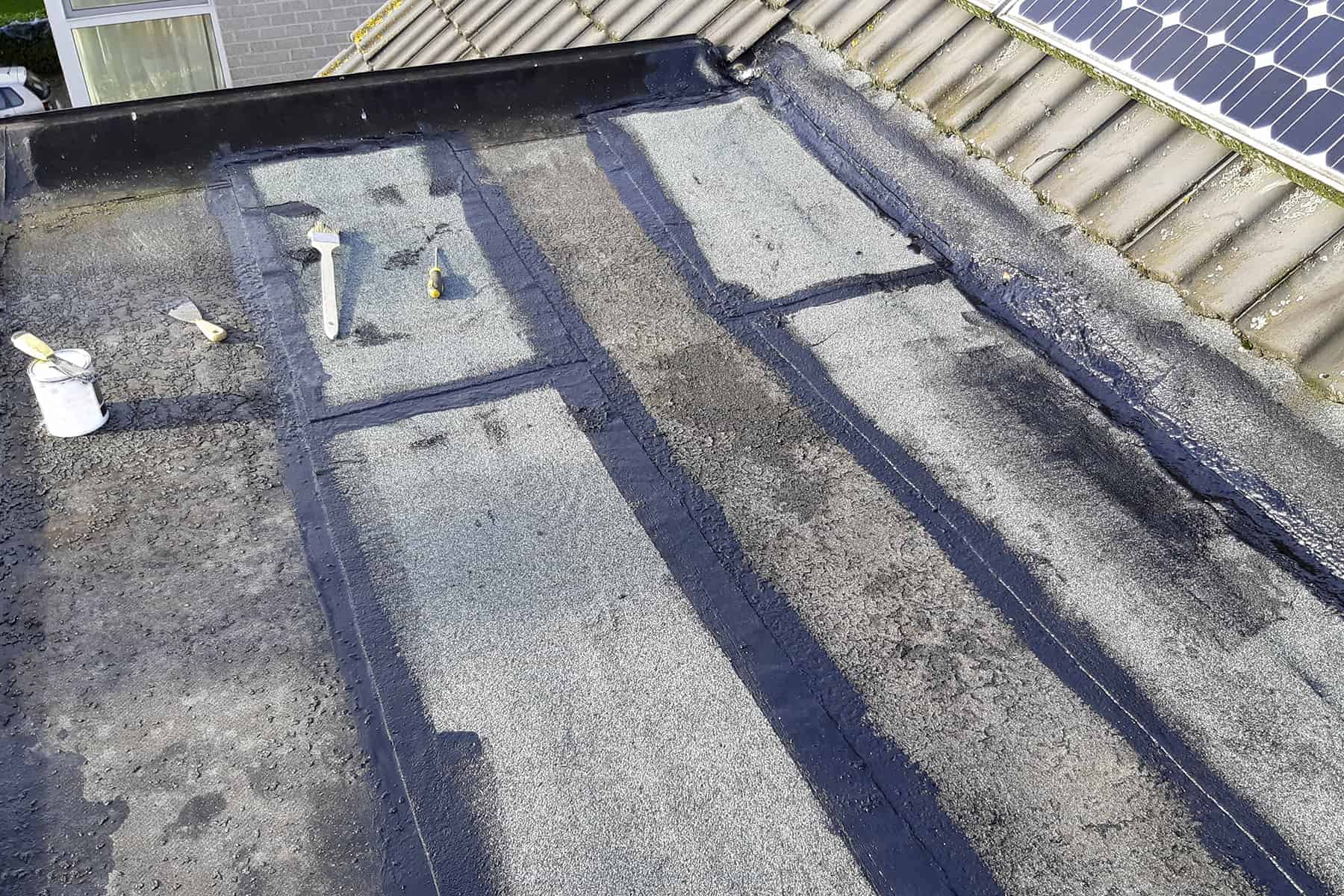
Flat Roof Repair in Cheyenne, WY
Flat Roof Repair is not useful until the roof condition, access plan, and weather risk are clear. We consider North Range Business Park warehouses, the I-25 and I-80 freight interchange, Frontier Mall and nearby service buildings, and snow drift at parapets and rooftop units before we recommend work.
That keeps the scope tied to the roof that is actually on the building: membrane condition, seams, metal, drainage, rooftop units, access, tenant needs, and timing.
Low-slope commercial roof repair in Cheyenne is shaped by three failure drivers that do not have counterparts in milder markets: snow drift loading failures at specific structural locations, drain freeze-over that converts a functional drainage system into an ice dam overnight, and April snowmelt infiltration that floods through entry points that have been silently opening all winter. These three mechanisms account for the majority of flat roof repair calls in Cheyenne's commercial building stock, and understanding which one is at work determines the correct repair approach. A generic flat roof repair, membrane patch, sealant touch-up, applied without diagnosing the actual failure driver will not hold through the next seasonal cycle.
Snow drift loading failures are concentrated and predictable. Cheyenne's prevailing westerly wind pushes snow off upper roof sections and deposits it in drifts at parapets, equipment screens, curbs, and any other vertical obstruction on the low-slope roof. These drifts can accumulate to two to three times the uniform design snow load in a localized area, and buildings with narrow bay spacing or aging structural members that have seen decades of this cyclic loading may develop low points, deflections, or deck distortions in these zones. When we see a membrane with a depression or ponding pattern that does not match the intended drainage slope, directly adjacent to a parapet or equipment screen, drift loading is the probable cause and the repair must address the substrate geometry, not just the membrane surface, to be durable.
Drain freeze-over is the most preventable of Cheyenne's flat roof failure drivers and one of the most common. A roof drain that freezes solid overnight in November stays frozen through February. Snowmelt and any rainfall that occurs above freezing during this period cannot drain and backs up across the roof surface, finding infiltration paths at every minor membrane defect, every flashing gap, and every lap that has opened slightly under thermal cycling. When we arrive for a spring repair call on a Cheyenne flat roof, the first thing we check is whether the drains were functional through the winter, a drain bowl with ice staining around the rim, a distorted strainer, or a clamping ring that has been pushed by ice expansion are all evidence of seasonal freeze-over that explains the pattern of infiltration across the roof field. The repair must include heat trace installation at the drain bowl if it does not already exist, not just membrane patching at the infiltration points.
April snowmelt infiltration drives the peak of Cheyenne's flat roof repair season because it reveals the accumulated damage from five months of winter stress in a concentrated period. As snowmelt volumes rise in late March and April, water moves through the entry points that opened during the winter, cracked sealant at penetrations, open laps at seams that freeze-thaw cycling worked loose, drain seals displaced by ice expansion, and interior staining or dripping appears for the first time. Building owners who have been through a Cheyenne winter without visible interior evidence reasonably assume their flat roof is fine. The spring melt call is frequently a surprise, but it should not be, the entry points were there all winter, just waiting for the water volume that snowmelt delivers.
Drain-related repair on Cheyenne flat roofs involves more than clearing a blocked strainer. We inspect the drain bowl clamp ring tightness and the membrane-to-drain seal integrity, check that the drain dome height is sufficient to allow flow without allowing debris to enter the leader, and assess whether the drain bowl shows cracking or distortion from repeated ice expansion events. When a drain bowl has been damaged by freeze-thaw cycling, cracked cast iron, distorted aluminum, or a clamping ring that no longer seats correctly against the membrane, we replace the drain assembly rather than attempting to repair a drain that will fail again. Heat trace installation in the drain bowl and down the first several feet of the leader is the permanent solution for drains that have a documented freeze-over history.
Logistics Hub and Campstool Business Park large flat roofs have repair challenges that scale with building size. A 150,000-square-foot flat roof with 20 interior drains, dozens of HVAC penetrations, and multiple equipment screens has a repair complexity that a single-drain 5,000-square-foot retail building does not. Leak tracing on large roofs requires systematic investigation methodology, we use infrared scanning to identify wet insulation zones, probe testing at suspect lap locations, and controlled water testing at specific penetrations to isolate the entry point from the interior evidence location. The wrong approach is walking the roof looking for the most obvious defect and patching it, on a large flat roof, the most obvious defect visible from a walkover is frequently not the active leak source.
Membrane field repair on Cheyenne flat roofs requires material compatibility and correct installation procedures for the specific existing system. The flat roof membrane inventory in Cheyenne's commercial building stock spans TPO, EPDM, modified bitumen (torch-applied and self-adhered), built-up roofing (BUR), and older coal tar pitch systems on pre-1980 buildings. Each requires a different repair approach: heat-welded TPO patches, EPDM cold-applied contact cement bonding, modified bitumen torch-applied patches, BUR hot-mop or cold-applied repair felts, and coal tar pitch repairs using compatible pitch products. Applying the wrong material, EPDM adhesive on a TPO membrane, for example, produces a repair that appears complete but will delaminate at the patch perimeter within one to two freeze-thaw cycles. We identify the existing membrane system before specifying repair materials on every flat roof repair call.
Long-term repair strategy for aging Cheyenne flat roofs requires honest assessment of the membrane's remaining service life relative to the repair investment. A built-up roof that has been in service for 30 years on a Campstool Business Park building, with documented moisture in the insulation and multiple concurrent repair locations, has passed the threshold where repair investment is justified by the remaining useful life. Each repair on a system that is failing systemically buys a small amount of additional time at a cost that, accumulated over the remaining life of the system, approaches or exceeds the replacement cost. We make this argument directly when the data supports it, because a building owner who has been repair-patching an overdue flat roof for three years deserves to know that a replacement project would have been less expensive in total than the continued repair cycle.
Questions Owners Ask
Why does our flat roof leak in April but not during summer thunderstorms?
The April leak pattern is classic freeze-thaw damage behavior. The entry points, cracked sealant, open laps, failed drain seals, were opened during the winter by ice expansion and thermal cycling. Summer rain typically falls at lower intensity and does not produce the sustained infiltration pressure that April snowmelt creates as cubic feet of accumulated snowpack melt over days. The same defects that allow infiltration under April snowmelt pressure may not produce visible interior evidence during a 30-minute summer thunderstorm. This does not mean the roof is fine in summer, it means the failure points are present year-round and the annual snowmelt event is what reveals them.
How do we know if our flat roof drains are freezing in winter?
Signs of drain freeze-over include: ice staining or buildup around the drain dome in late winter photographs, distorted or cracked drain bowls after winter, clamping rings that are loose or displaced when checked in spring, and interior staining or dripping that appears during warm spells when snowmelt should be draining but the drain appears blocked. If your building has had spring leak events concentrated near drain locations, seasonal drain freeze-over is the probable cause. Installing heat trace in the drain bowl and leader is the permanent solution, a self-regulating cable that activates at near-freezing temperatures prevents ice formation at the drain throughout the winter without manual intervention.
Can a flat roof in Cheyenne be repaired in winter, or do we have to wait until spring?
Emergency repairs can be performed in winter using cold-weather membrane materials and substrate warming equipment, but the range of repair options is limited compared to the warm-season window. Self-adhered modified bitumen emergency patches can be applied in very cold temperatures with proper surface preparation. Heat-welded repairs require membrane temperatures above 40°F, achievable with propane or electric substrate warmers when air temperatures are above 20°F. We do not apply water-based adhesives or coatings in below-freezing conditions. When winter repair is necessary to stop active infiltration, we execute the repair that is appropriate for the conditions and note when a permanent repair or upgrade should be completed during the following warm-season window.
What causes ponding water on our Cheyenne flat roof?
Ponding on a flat roof is caused by one or more of: inadequate initial drainage slope (many Cheyenne commercial buildings were constructed with less than the recommended 1/4 inch per foot drainage slope), blocked drains or leaders that prevent water from exiting the roof, structural deflection that has created low points in a roof that once drained adequately, or tapered insulation systems that have compressed over time at high-load locations. Ponding that persists more than 48 hours after a precipitation event is a warranty issue for most membrane manufacturers and a structural concern because it adds sustained live load to the deck. We assess the cause of ponding and recommend corrections, drain additions, tapered insulation crickets, or slope correction overlays, appropriate for the specific condition.
How much does flat roof repair cost in Cheyenne?
Repair cost depends entirely on the scope identified during investigation. A single drain seal replacement and flashing repair is a few hundred dollars in materials and labor. A repair visit that finds multiple concurrent failure points, drain seal, perimeter flashing failure, two open lap seams, and a failed pitch pan, can run several thousand dollars for a proper permanent repair. We provide a written repair proposal with line-item scope and cost before proceeding on any repair that goes beyond the pre-authorized maintenance threshold. For due diligence purposes, flat roof repair costs in Cheyenne on a per-square-foot basis for targeted repairs generally run $3 to $8 per square foot for the affected area, depending on system type and repair complexity.
Related Roof Work
Useful next pages for this roof decision.
Commercial Metal Roofing
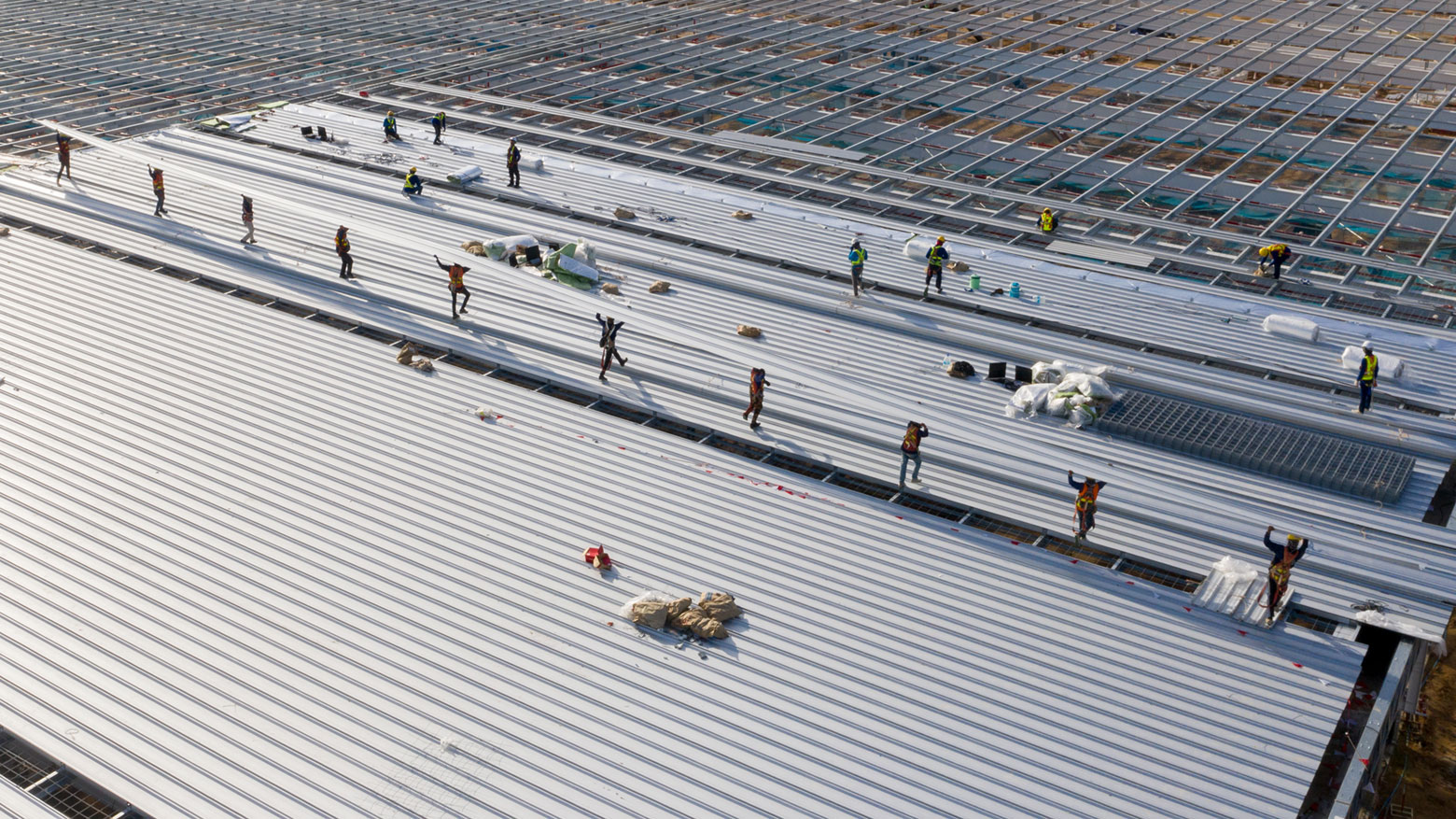
Commercial Metal Roofing is scoped around South Cheyenne industrial sites, Laramie County business parks, and Cheyenne Logistics Hub properties. The scope stays practical: stop water first, document the roof, then choose the repair or replacement path that fits the building.
View Scope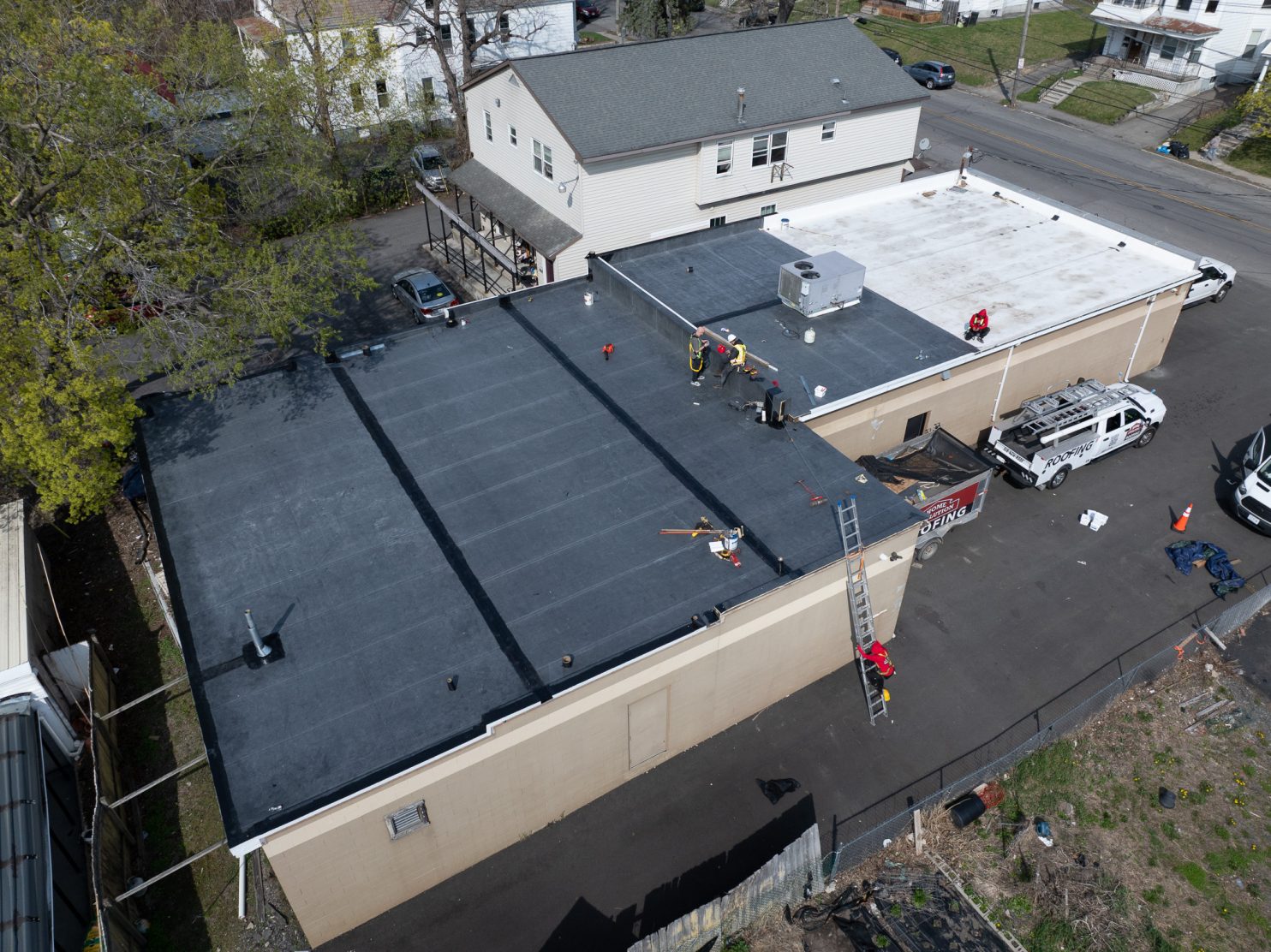
Low-Slope Roofing
Low-Slope Roofing is scoped around Frontier Mall and nearby service buildings, snow drift at parapets and rooftop units, and Capitol Avenue office buildings. We keep access, weather windows, and tenant disruption in the plan before crews step onto the roof.
View Scope
Silicone Roof Systems
Silicone Roof Systems is scoped around Cheyenne Regional Airport facilities, High Plains wind and hail exposure, and Laramie County public buildings. Every recommendation is tied to observed conditions, not a prewritten roof package.
View ScopeGet the roof decision into writing.
Tell us what changed on the roof, where the building sits, and who needs the report. We will turn the next step into a clear scope.