 Contact Us Now
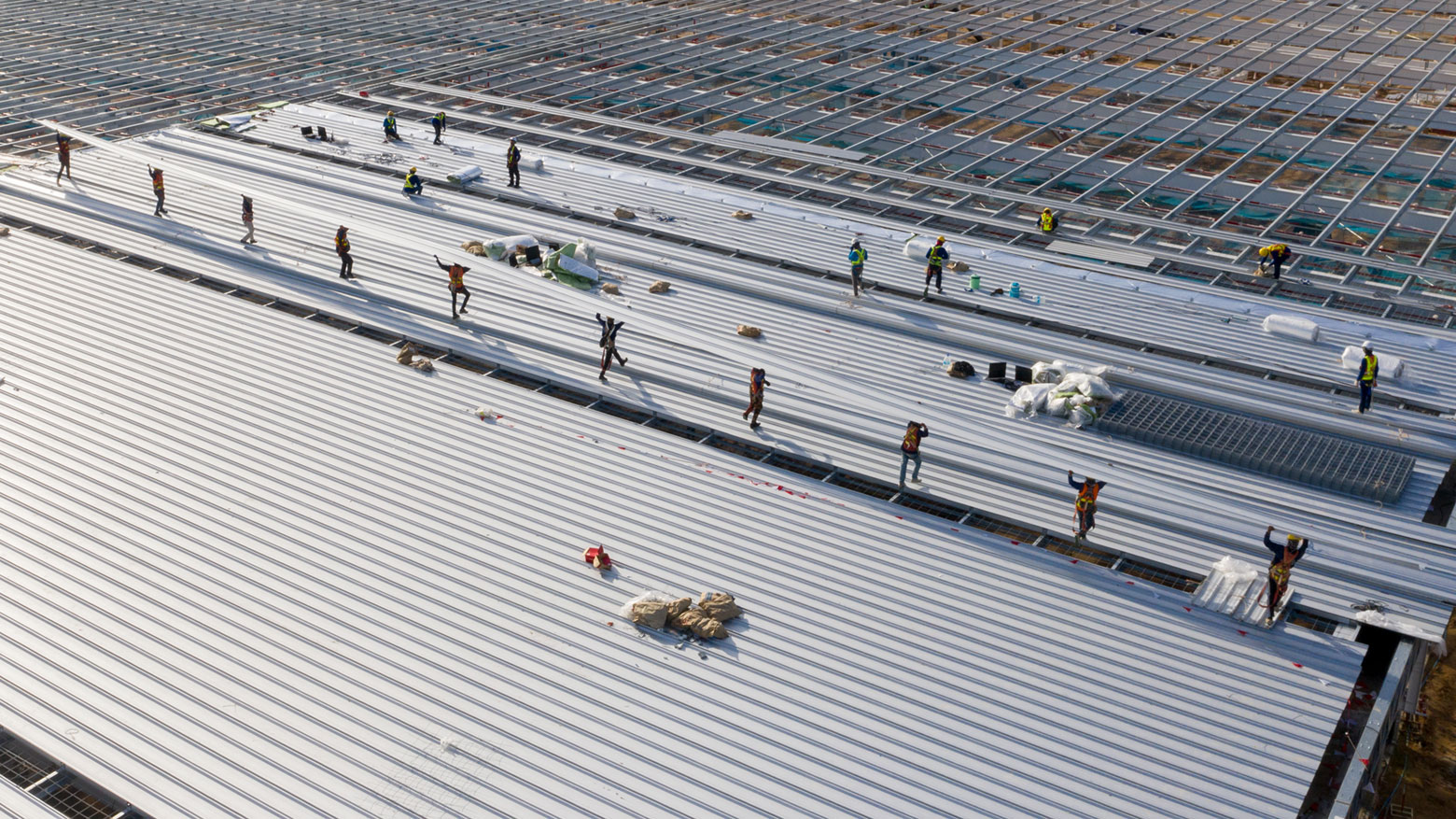
Commercial Metal Roofing in Cheyenne, WY
For Commercial Metal Roofing, we look at the roof as an operating asset, not a one-time line item. We consider South Cheyenne industrial sites, Laramie County business parks, Cheyenne Logistics Hub properties, and North Range Business Park warehouses before we recommend work.
That keeps the scope tied to the roof that is actually on the building: membrane condition, seams, metal, drainage, rooftop units, access, tenant needs, and timing.
Metal roofing on Cheyenne's logistics and industrial buildings is not a stylistic choice, it is an engineering decision driven by the specific demands of the high plains environment. R-panel and standing seam systems dominate the roofing profile at the Cheyenne Logistics Hub, along the I-25/I-80 interchange corridor, and throughout the Campstool and North Range Business Parks because they handle snow load, wind uplift, and the thermal cycling of Cheyenne's climate more reliably than many alternatives when properly specified and installed. The critical word is properly, metal roofing that is specified or installed to mild-climate standards will fail in southeast Wyoming, and those failures are expensive to correct after the fact.
Wind uplift at the I-25/I-80 interchange area is not a design-table abstraction. Buildings in open exposure at the edge of the high plains, particularly on the north and west sides of the logistics corridor, experience sustained winds of 30 to 50 mph with periodic gusts above 70 mph during front passages. The uplift forces at corner and perimeter zones of a large flat metal roof are substantially higher than midfield forces, and standard clip spacing from a light commercial application catalog will not hold. We engineer uplift fastening patterns for each building's exposure, roof geometry, and occupancy category using ASCE 7 wind speed data specific to Cheyenne's terrain category, and we do not deviate from the engineering to save on clip count.
Snow drift loading on lower-slope metal roofs is a structural concern that affects panel selection, purlin spacing, and overall system design. Cheyenne's prevailing westerly winds push snow off upper roof sections and deposit it in drifts at vertical obstructions, parapet walls, roof-mounted equipment, HVAC screens, and the junction of a higher roof with a lower adjoining bay. These drifts can accumulate to two or three times the uniform ground snow load in a localized area, and a metal panel or purlin system not designed for this surcharge load is at risk of deflection or permanent deformation. We review drift load distributions with a structural engineer on all new metal roofing projects and on re-roofing projects where insulation additions change the dead load on the structural system.
Standing seam systems are our preferred specification for Cheyenne commercial buildings where budget allows. The concealed fastener design eliminates the primary leak path of exposed-fastener R-panel, the washer-and-fastener penetration that cycles with thermal expansion and eventually allows water infiltration as the washer ages and the fastener backs out. In Cheyenne's temperature range from -20°F to 90°F, thermal expansion and contraction on a long metal panel run is substantial, and a standing seam floating clip system accommodates that movement without working the fastener penetration. Over a 30-year roof life, this means far fewer leak calls and far less maintenance labor.
R-panel exposed-fastener systems remain appropriate for agricultural, light industrial, and cost-sensitive commercial applications where the maintenance model includes periodic fastener inspection and replacement. When we install R-panel on a Cheyenne commercial building, we specify neoprene or EPDM washers rated for the full temperature range, torque fasteners to the manufacturer's specification rather than driving them to the deck, and include a 5-year fastener inspection in the maintenance plan. An R-panel roof installed and maintained this way will perform well in Cheyenne's environment. The failure mode is an R-panel roof installed and never inspected, by year 10, backed-out fasteners and failed washers create dozens of minor leak points simultaneously.
Metal roofing on rail-served buildings at the Cheyenne Logistics Hub presents additional design considerations. Rail vibration transfers through the structural frame to the roof system, and panel clip designs that rely on friction rather than positive mechanical engagement can walk under repeated vibration. We specify clips with positive locking engagement for buildings on or adjacent to active rail spurs, and we confirm that panel end conditions at ridges and eaves are designed for movement rather than rigidly anchored at both ends, which would create fatigue stress at midspan under vibration loading.
Retrofit insulation on existing metal roofs is a common project in Cheyenne's older industrial stock. Buildings constructed in the 1980s and 1990s with minimal fiberglass batt insulation in the purlin cavity are chronically under-insulated by current Wyoming energy code standards. Adding continuous rigid insulation above the existing panel, either by installing a new structural standing seam over the old panel with a thermal spacer system or by stripping and replacing with an insulated metal panel system, can dramatically reduce heating costs on a large warehouse building. We model the energy performance delta before the project so the owner can evaluate the payback against the capital cost.
Metal roof warranty management in Cheyenne requires attention to both the paint finish warranty and the weathertight warranty. Paint finish warranties on Kynar/PVDF coatings are typically 40 years for fading and chalk, but high-altitude UV intensity in Cheyenne, at 6,000 feet elevation, is significantly higher than sea-level, which can accelerate fade beyond manufacturer projections if the specific product was not UV-tested for high-altitude exposure. We specify products with high-altitude UV testing data where available and register every metal roofing installation with the manufacturer to preserve warranty standing. Weathertight warranties require periodic inspection by a certified contractor to remain valid, and we offer that inspection service as part of our metal roofing maintenance programs.
Questions Owners Ask
How do we know if our existing metal roof's fasteners need inspection?
The indicators are: visible rust streaking below fastener rows on the underside of the panel, water staining on the ceiling or insulation below specific fastener locations, or visible daylight through a fastener hole when inspecting from inside on a bright day. If your building is 10 or more years old with an exposed-fastener panel system, a proactive fastener inspection is warranted regardless of visible symptoms. We can perform a full fastener pull test survey and provide a written report of which sections need re-fastening or washer replacement.
What is the difference between R-panel and standing seam for a Cheyenne warehouse?
R-panel uses exposed fasteners that penetrate the panel and are sealed with a neoprene washer. It is lower cost to install but requires periodic fastener inspection and washer replacement, particularly in Cheyenne's temperature-cycling environment. Standing seam uses concealed clips under the seam, so there are no exposed penetrations in the field of the roof, the only exposed fasteners are at perimeter conditions. Standing seam costs more initially but has lower maintenance requirements and longer weathertight life. For a building you intend to own and maintain for 20 or more years, standing seam typically has a lower lifetime cost despite the higher upfront investment.
Can snow sliding off a metal roof cause damage to equipment or people below?
Yes. Snow shed from a sloped metal roof can be sudden and heavy, particularly after a thaw-refreeze cycle when the snow becomes a dense slab. We specify snow retention devices, either bar-style or pipe-style snow guards, on metal roofs above walkways, truck docks, HVAC equipment, and any other location where a sudden snow release would be hazardous. Snow guards are engineered for the specific panel profile and snow load, not just clipped on as an afterthought. Proper snow retention design is as important as the panel system itself on a Cheyenne metal roof.
How does Cheyenne's altitude affect metal roofing material performance?
At 6,156 feet, Cheyenne has significantly higher UV intensity than lower-elevation markets. This accelerates color fade on painted metal panels faster than sea-level warranties might suggest. We recommend Kynar/PVDF coatings over standard polyester finishes and specify products that have been UV-tested at altitude where manufacturer data is available. High altitude also means lower air pressure, which has minor effects on thermal transfer but is more relevant to the performance of any foam insulation incorporated in the panel system, where cell size and R-value can shift slightly versus sea-level published values.
What maintenance does a standing seam metal roof in Cheyenne need?
Annual inspection is the minimum: checking seam integrity, sealant condition at penetrations and trim flashings, snow guard bracket tightness, and edge metal fastening at eaves and rakes. In Cheyenne, the post-winter inspection in April or May is the most important, it reveals any movement, sealant cracking, or edge metal displacement that occurred during the winter. We also recommend cleaning debris from the panel surface annually to prevent corrosion under organic matter, which can occur even on Galvalume panels when wet leaves or pine needles sit against the surface for extended periods.
Related Roof Work
Useful next pages for this roof decision.
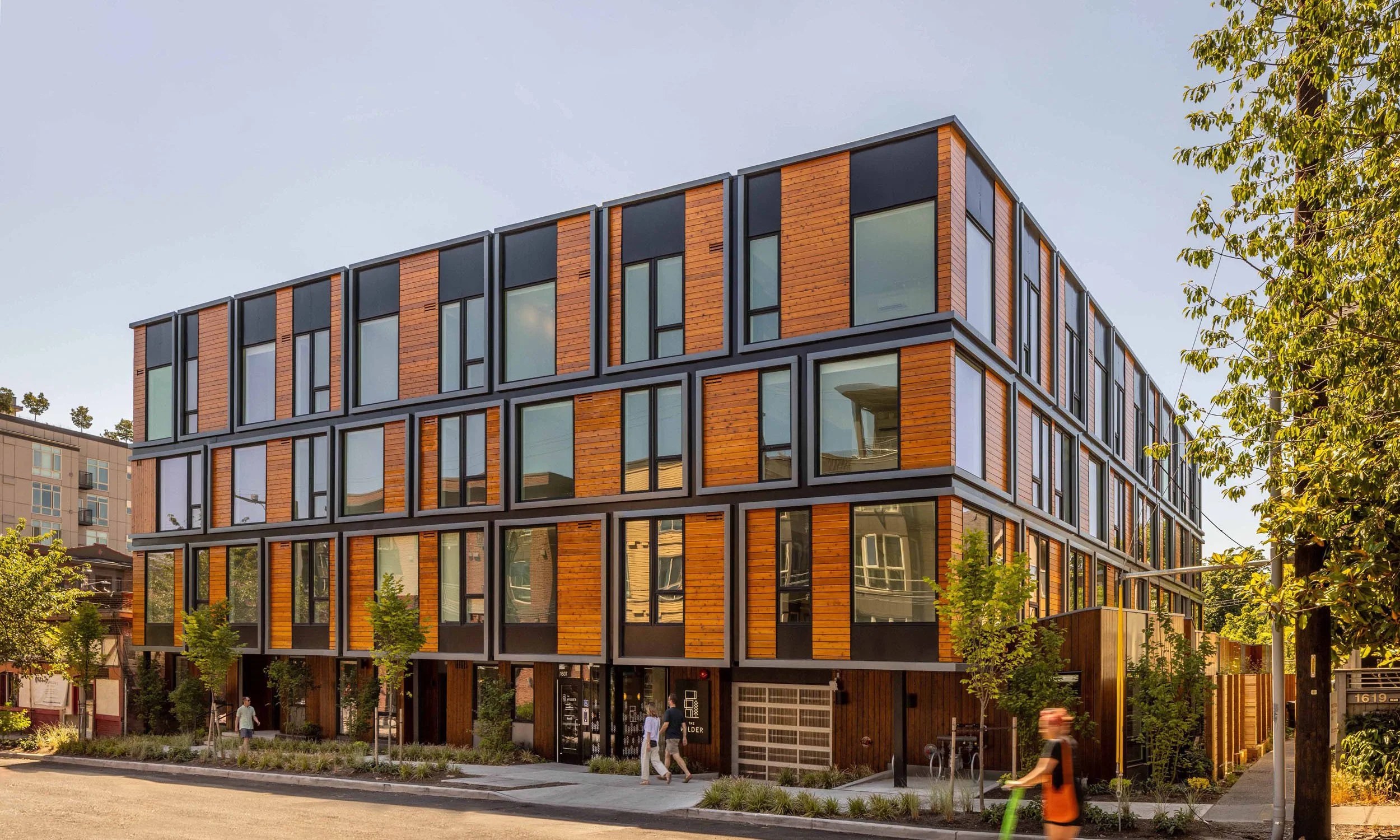
Multifamily and Apartment Building Roofing
Multifamily and Apartment Building Roofing is scoped around the I-25 and I-80 freight interchange, Frontier Mall and nearby service buildings, and snow drift at parapets and rooftop units. The scope stays practical: stop water first, document the roof, then choose the repair or replacement path that fits the building.
View Scope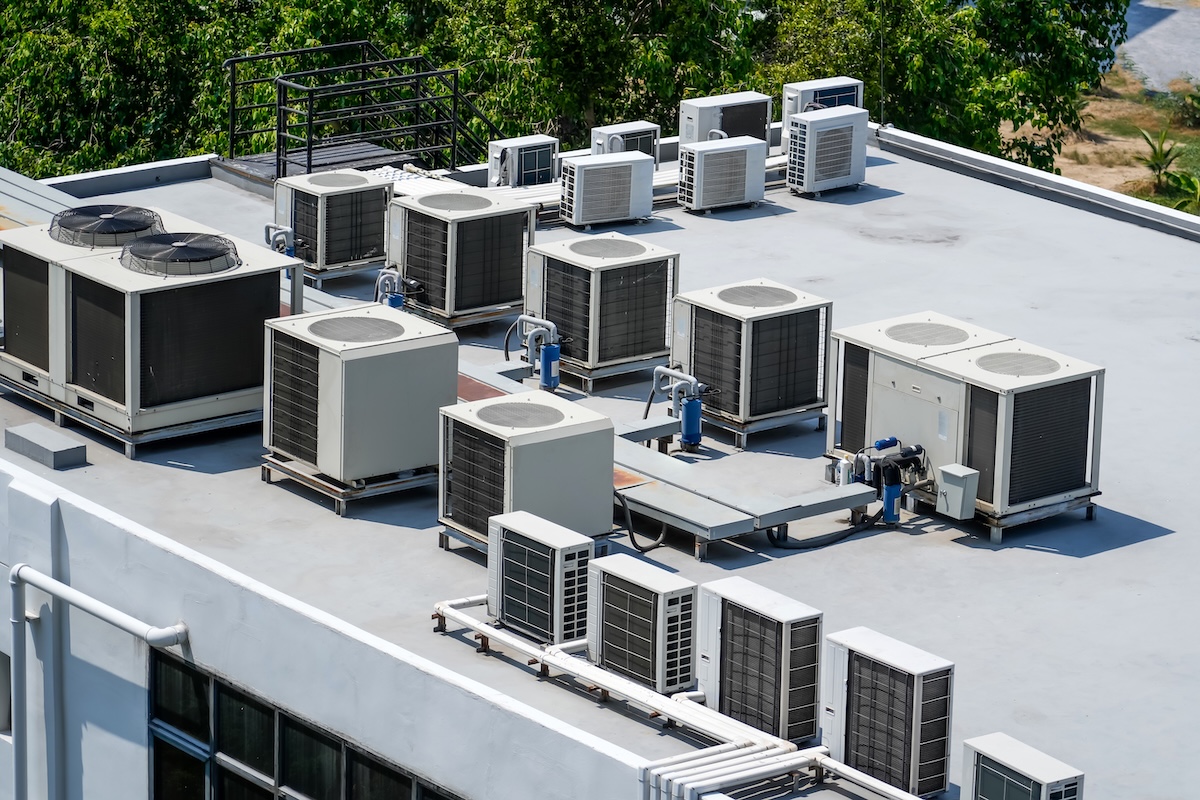
Office Building Roofing
Office Building Roofing is scoped around South Cheyenne industrial sites, Laramie County business parks, and Cheyenne Logistics Hub properties. We keep access, weather windows, and tenant disruption in the plan before crews step onto the roof.
View Scope
Restaurant and Food Service Building Roofing
Restaurant and Food Service Building Roofing is scoped around snow drift at parapets and rooftop units, Capitol Avenue office buildings, and F.E. Warren Air Force Base area contractors. Every recommendation is tied to observed conditions, not a prewritten roof package.
View ScopeGet the roof decision into writing.
Tell us what changed on the roof, where the building sits, and who needs the report. We will turn the next step into a clear scope.