 Contact Us Now
Office Building Roofing in Cheyenne, WY
Office Building Roofing is not useful until the roof condition, access plan, and weather risk are clear. We consider South Cheyenne industrial sites, Laramie County business parks, Cheyenne Logistics Hub properties, and North Range Business Park warehouses before we recommend work.
That keeps the scope tied to the roof that is actually on the building: membrane condition, seams, metal, drainage, rooftop units, access, tenant needs, and timing.
Wyoming's state government complex in Cheyenne, including the State Capitol campus, the Herschler Building, and the cluster of agency office buildings along Capitol Avenue, along with the private-sector offices of energy companies like Ultra Petroleum and Occidental Petroleum's Wyoming operations, represents the core of Laramie County's commercial office stock. Cheyenne's office market is small by national standards but demanding by any climatic measure: the combination of extreme wind, deep cold, intense high-altitude UV radiation, and the compressed construction season that these conditions impose creates a roofing environment where only experienced contractors using well-specified systems can deliver reliable long-term performance.
Wind is the dominant design consideration for every Cheyenne office building roof, and the approach to occupied office buildings adds specific complexity to wind management. During re-roofing construction, temporary membrane sections and in-progress work areas must be secured against the Chinook wind events that can develop with minimal warning and generate gusts exceeding 80 mph. Pre-job planning must include a wind response protocol identifying the maximum acceptable open-roof area at any one time, the specific temporary fastening procedure for in-progress work sections, and clear triggers for work stoppage when the National Weather Service issues a high-wind warning for Laramie County. Contractors who have worked in Cheyenne understand that wind management is not an edge case, it is a daily operational reality.
LEED certification interest in Cheyenne's office market is driven primarily by the state government campus and by energy companies with public sustainability commitments. Wyoming's state building program has adopted energy efficiency standards that align with ASHRAE 90.1, and new state office construction in Cheyenne has generally incorporated green building practices as a matter of state policy. Private-sector energy companies whose shareholders increasingly scrutinize sustainability performance also create demand for office buildings with documented energy performance credentials. Re-roofing projects on Cheyenne Class A office buildings should document cool-roof SRI values, insulation R-values, and embodied carbon data for roofing products to support these sustainability reporting needs.
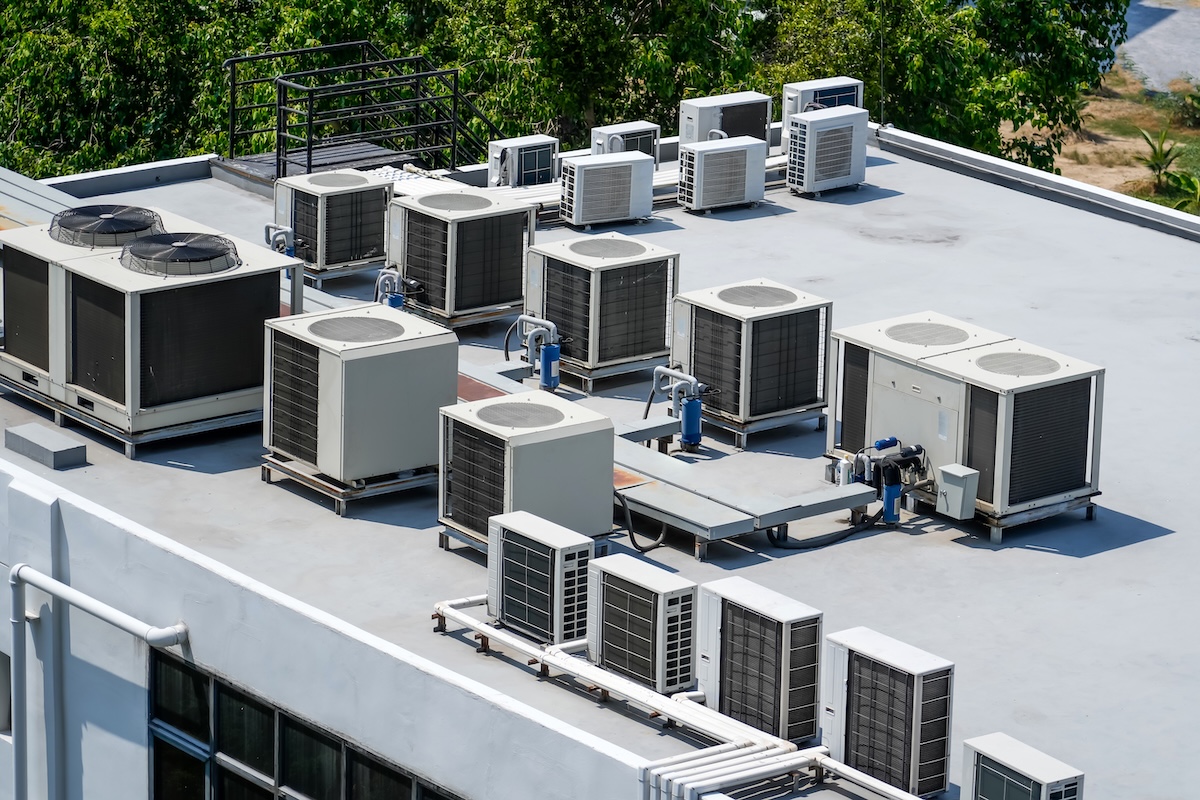
HVAC coordination for Cheyenne office buildings is dominated by the heating-season challenge of maintaining comfortable temperatures in buildings facing sustained 40-mph winds at 6,000 feet elevation in January. Rooftop HVAC units serving Cheyenne office buildings work harder in heating mode than virtually anywhere else in the lower 48 states, and the pre-roofing mechanical assessment should specifically evaluate heat exchanger condition, gas valve reliability, and supply air temperature adequacy in -20°F ambient conditions. Any unit showing heat exchanger degradation or gas valve irregularities should be replacement-scheduled for the re-roofing project, as emergency HVAC replacement in a Cheyenne January is expensive, dangerous for service technicians, and disruptive to building occupants who may be working in below-freezing conditions while repairs are made.
The compressed Wyoming construction season requires that Cheyenne office re-roofing projects be planned with exceptional precision. The practical installation window for adhesive-based systems is May 20 through September 30 in most years, leaving barely four months to complete projects where occupied-building coordination, HVAC equipment coordination, and phased work plans typically add 20 to 40 percent to the construction duration compared to an unoccupied warehouse project of equivalent roof area. Projects should be designed, specified, and contracted in winter, with material delivery scheduled for late April or early May so that work can begin immediately when temperatures consistently exceed the minimum for adhesive application.
Energy performance is a particularly high-value improvement for Cheyenne office buildings because of Wyoming's harsh winters and the heating energy that is wasted through underinsulated roof assemblies. Most pre-2000 Cheyenne office buildings were constructed to insulation standards well below current Wyoming IECC Climate Zone 6 requirements, and the heating energy savings from bringing roof insulation to R-30 are substantial over the 20-25 year service life of a new membrane system. Xcel Energy's commercial efficiency program and Black Hills Energy's commercial program both offer technical assistance and potential rebates for qualifying insulation improvements that can partially offset the upgrade cost incorporated in re-roofing projects.
Historical preservation requirements apply to several buildings in Cheyenne's downtown commercial district, particularly in the area around the State Capitol and along Capitol Avenue where significant Victorian and early-20th-century commercial buildings remain in office use. The Wyoming State Historic Preservation Office (SHPO) reviews projects on National Register-listed or eligible properties, and the Cheyenne Historic Preservation Board has jurisdiction over locally designated historic landmarks. Changes to visible roofline elements, parapet profiles, coping materials, rooftop equipment placement, on historic buildings require preservation review that can add months to the project schedule if not initiated well before the desired construction start.
Lease management in Cheyenne's small, relationship-driven office market requires the same attention to tenant communication and disruption minimization that characterizes professional office building management anywhere, but the consequences of mismanagement are concentrated: Cheyenne has a limited number of major office tenants, and a re-roofing project that disrupts a major state government agency or energy company tenant can affect the building owner's reputation across the entire Laramie County professional community. Investing in quality contractor selection, detailed pre-construction planning, and proactive tenant communication is not optional for Cheyenne office building owners, it is basic asset protection in a market where every major tenant relationship matters.
Cheyenne's commercial roofing market is served by a small number of qualified contractors, some of whom also serve the Casper market and other Wyoming cities. Building owners planning major re-roofing projects should begin contractor identification and qualification 18 to 24 months before the desired construction start, as the limited pool of qualified contractors for large occupied office projects can mean long lead times between initial contact and available project start dates. Contractors who regularly work for the state building program bring documentation standards and insurance capacity that are strong qualifications for private-sector Class A office projects in Cheyenne.
- What wind design requirements apply to Cheyenne office building roofs?
- ASCE 7 designates most of Laramie County at design wind speeds of 115-120 mph for Risk Category II office buildings, reflecting Cheyenne's extreme wind exposure. Third-party engineering review of the proposed roofing system's wind uplift resistance is required as part of the Wyoming commercial building permit application. Fully adhered or mechanically fastened systems with enhanced perimeter and corner attachment patterns are required for code compliance in this wind environment.
- How does Wyoming's short construction season affect office re-roofing scheduling?
- The practical membrane installation window in Cheyenne runs from approximately May 20 through September 30, providing about four months for exterior work. Occupied office buildings require additional time for phased work sequencing, HVAC coordination, and tenant accommodation, effectively compressing available productive days further. Projects should be contracted by March with materials ordered for April delivery to ensure timely mobilization at season start.
- What insulation is required for Cheyenne office buildings under current code?
- Wyoming IECC Climate Zone 6 requires R-30 continuous insulation minimum for commercial office roofs. Most pre-2000 Cheyenne office buildings were constructed to standards well below this requirement, making insulation upgrade a mandatory component of code-compliant re-roofing permit applications. Tapered polyiso systems that simultaneously improve drainage and add R-value are commonly used on older Cheyenne office buildings with inadequate roof slope.
- Do historic preservation requirements affect office re-roofing in Cheyenne?
- Yes. Buildings in Cheyenne's historic downtown district or individually listed on the National Register of Historic Places require Wyoming SHPO review and possibly Cheyenne Historic Preservation Board review for changes to visible roofline elements. Early pre-application consultation with both the SHPO and the city preservation board, at least six months before the desired construction start, allows preservation requirements to be incorporated into the project design before specifications are finalized.
- How should Cheyenne office tenants be managed during re-roofing?
- Review all tenant leases for notice requirements and maintenance restriction provisions before setting the project schedule. Provide written notice at least 60 days before work begins, hold pre-construction briefings for major tenants to explain the work plan and disruption mitigation measures, and assign a dedicated tenant liaison who provides weekly project status updates throughout construction. In a small professional community like Cheyenne, transparent and respectful tenant communication is as important as the technical quality of the roofing work itself.
Related Roof Work
Useful next pages for this roof decision.
Commercial Roof Claims
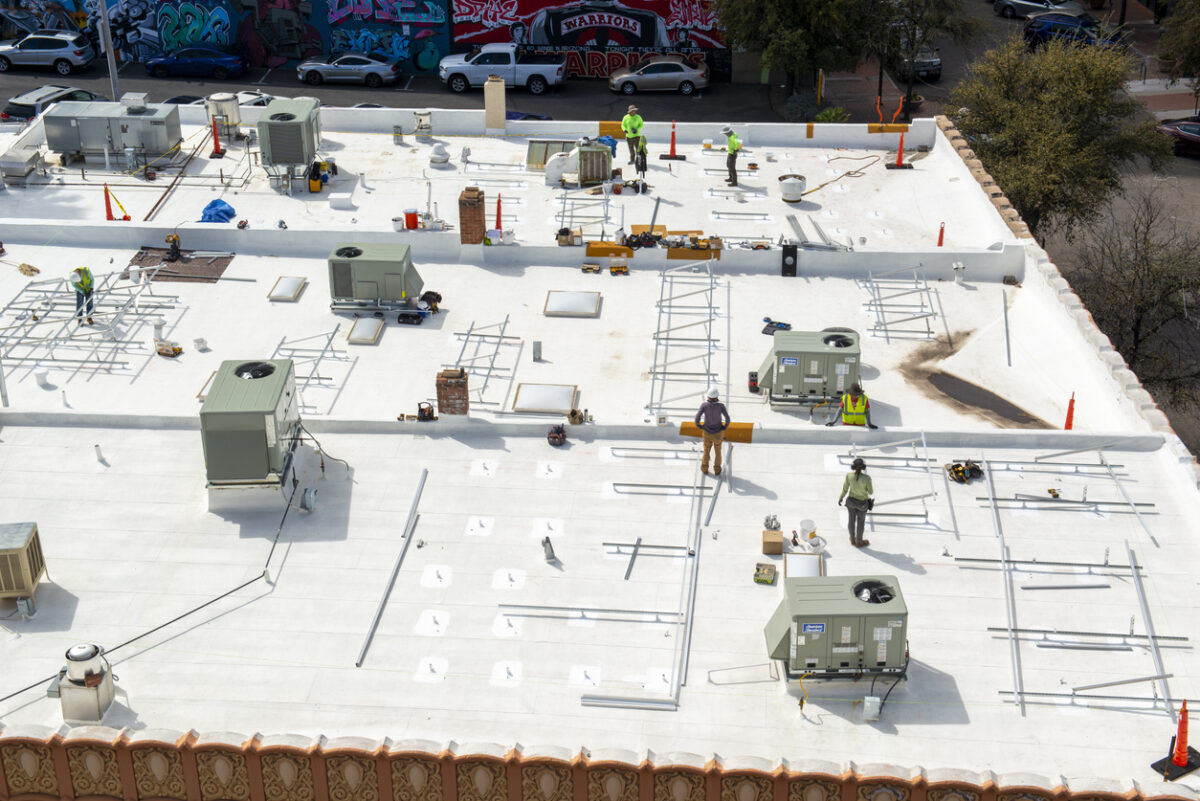
Commercial Roof Claims is scoped around Cheyenne Regional Airport facilities, High Plains wind and hail exposure, and Laramie County public buildings. The scope stays practical: stop water first, document the roof, then choose the repair or replacement path that fits the building.
View Scope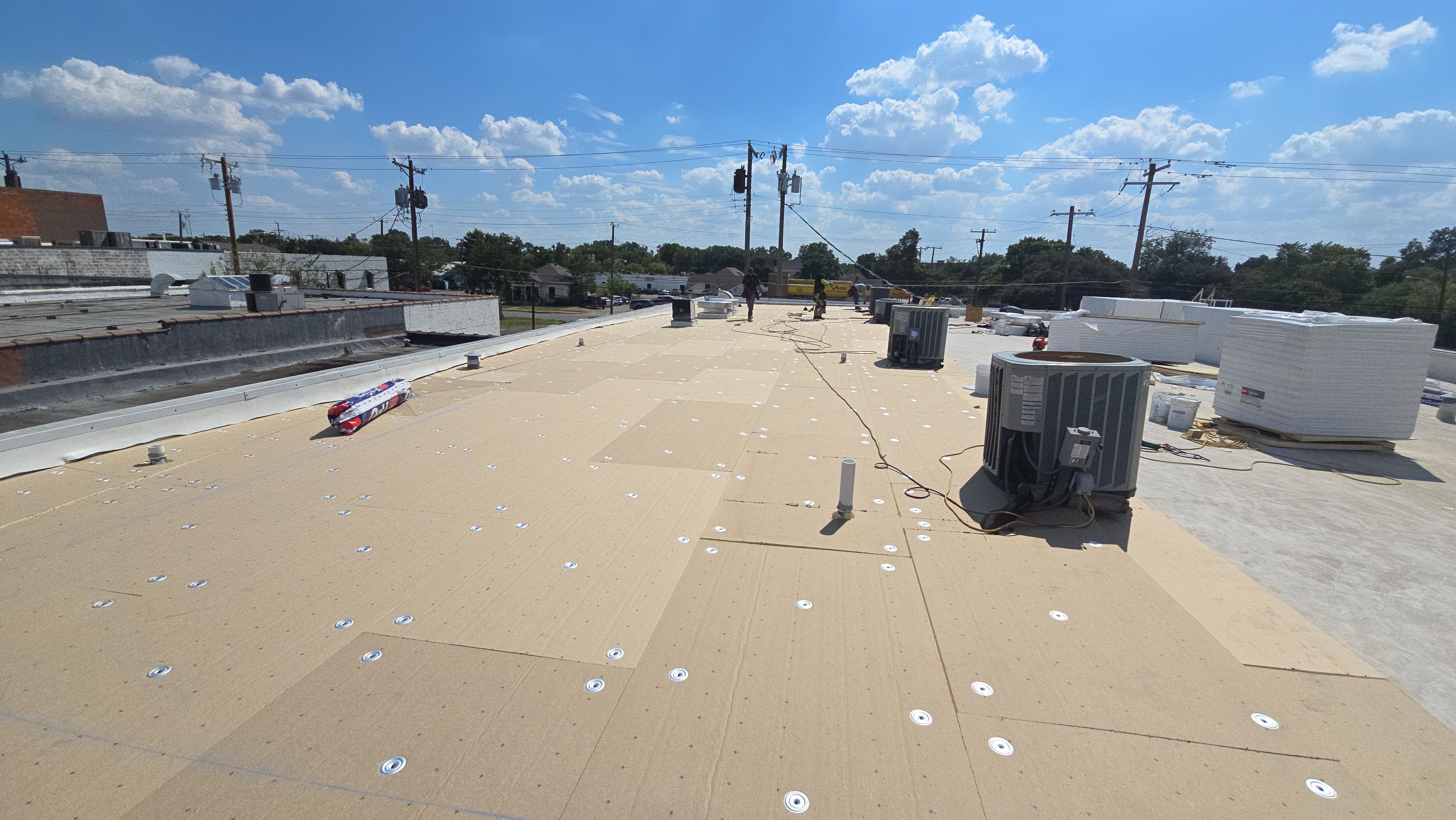
Commercial Roof Installation
Commercial Roof Installation is scoped around South Cheyenne industrial sites, Laramie County business parks, and Cheyenne Logistics Hub properties. We keep access, weather windows, and tenant disruption in the plan before crews step onto the roof.
View Scope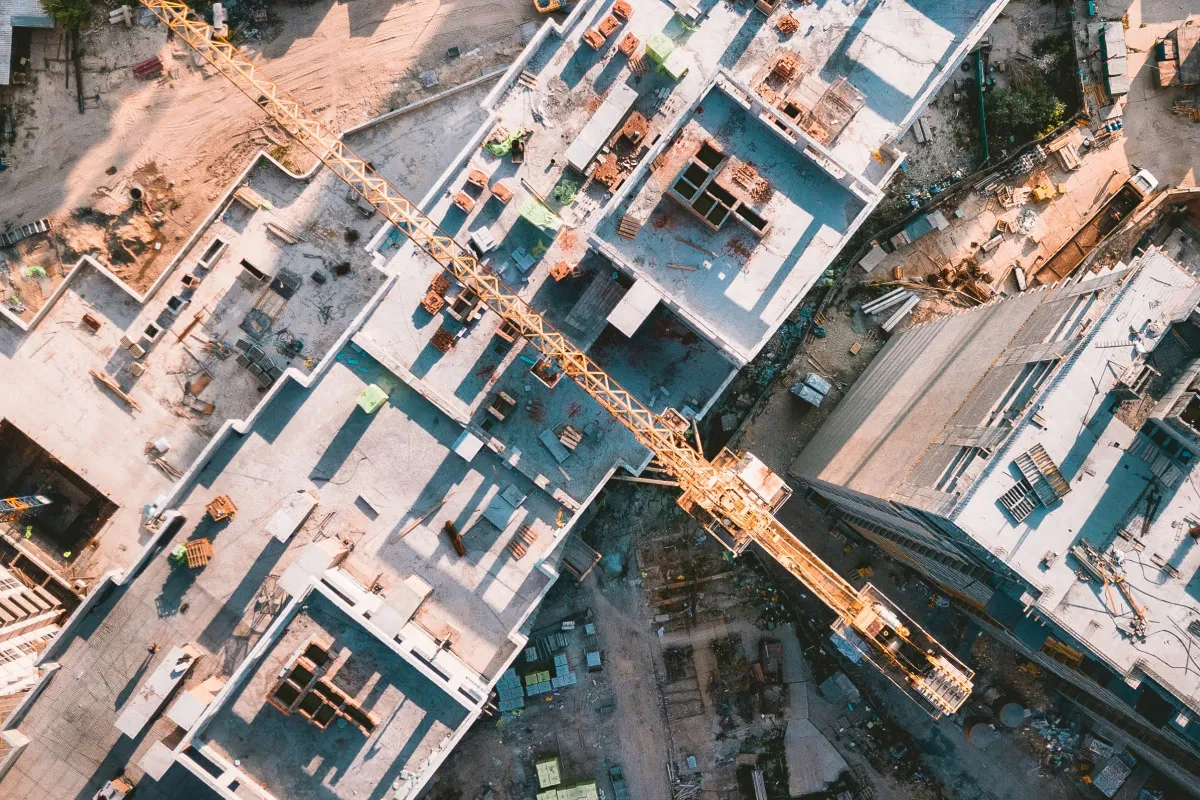
Commercial Roof Procurement
Commercial Roof Procurement is scoped around snow drift at parapets and rooftop units, Capitol Avenue office buildings, and F.E. Warren Air Force Base area contractors. Every recommendation is tied to observed conditions, not a prewritten roof package.
View ScopeGet the roof decision into writing.
Tell us what changed on the roof, where the building sits, and who needs the report. We will turn the next step into a clear scope.