 Contact Us Now
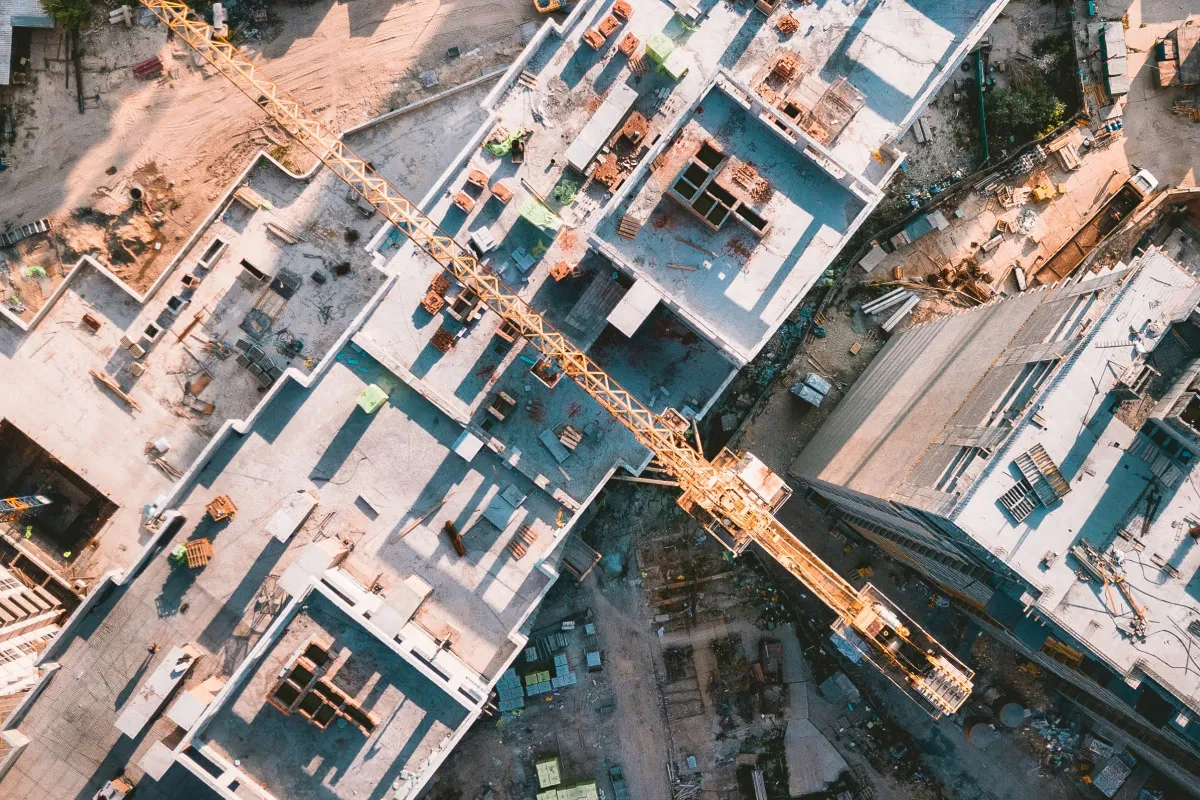
Commercial Roof Procurement in Cheyenne, WY
For Commercial Roof Procurement, we look at the roof as an operating asset, not a one-time line item. We consider snow drift at parapets and rooftop units, Capitol Avenue office buildings, F.E. Warren Air Force Base area contractors, and freeze-thaw cycles after spring storms before we recommend work.
That keeps the scope tied to the roof that is actually on the building: membrane condition, seams, metal, drainage, rooftop units, access, tenant needs, and timing.
Commercial roof procurement in Cheyenne is a process with real stakes: the right contractor, spec, and schedule combination produces a 20-year asset; the wrong one produces a warranty dispute and a re-roof in year eight. The Cheyenne contractor market is smaller than a major metro, the number of roofing contractors with genuine large-scale commercial flat roof experience in southeast Wyoming is limited, and the discipline of a structured bid process is what separates property owners who get qualified competitive proposals from those who accept the first number they hear. Managing that process well, from specification writing through contractor evaluation to contract execution, is a professional service that pays for itself on any project above a few hundred thousand dollars.
Bid specification writing is where procurement quality is determined. A vague specification, "replace roof with TPO, 60 mil, mechanically fastened", invites bids that are technically compliant but wildly different in actual scope and quality. A well-written Cheyenne commercial roof specification defines the substrate preparation standard, the insulation R-value and board type, the fastening pattern and fastener type for each roof zone, the membrane manufacturer and approved alternates, the flashing heights at all conditions, the drain detail type, the edge metal design standard, and the warranty terms required from both contractor and manufacturer. Contractors bidding against a tight specification are competing on execution and overhead, not on scope interpretation, that is the only comparison that reveals the true competitive price.
Cheyenne Business Parkway and government-facility procurement environments each have their own procedural requirements that affect how bids are solicited and evaluated. Cheyenne Business Parkway property managers operating under institutional ownership or REIT management may have internal procurement thresholds that trigger a formal bid process for projects above a certain dollar value. Government-facility procurement, whether a city facility, county building, or contractor facility operating under a government master contract, may require prevailing wage compliance, bonding requirements, insurance minimums, and bid opening protocols that differ from private commercial procurement. We are experienced in both environments and can structure the bid package to meet the applicable requirements without over-complicating a straightforward private-sector procurement.
Contractor evaluation for a Cheyenne commercial roof project goes beyond the bid price. The relevant questions are: Has this contractor installed the specified system type on buildings of similar size and complexity in Wyoming's climate? Are they a manufacturer-certified installer for the system being specified, and has that certification been independently verified? What is their workforce's experience with cold-weather installation procedures, not theoretical familiarity, but actual practice? Do they carry appropriate insurance limits for the project scope, including installation floater coverage for material stored on the roof? Can they provide verifiable references from Cheyenne or southeast Wyoming projects completed in the past three years? A contractor who scores well on price but cannot answer these questions credibly is a procurement risk.
Logistics Hub and North Range Business Park procurement timelines are frequently compressed by development or lease-up schedules that do not leave the procurement process the time it deserves. A new tenant with a specific move-in date creates pressure to get a roofing contractor mobilized before the spec is properly written or the bid process is properly run. We can accelerate a procurement timeline when genuinely required without sacrificing specification quality, but the acceleration must be planned rather than reactive. A compressed timeline achieved by issuing a loose spec and awarding to the first bidder is not an accelerated procurement; it is a deferred problem.
Bonding and insurance requirements for Cheyenne commercial roof procurement protect the building owner in ways that are easy to underestimate until a claim arises. A contractor without a performance bond on a large-scale project creates a scenario where, if the contractor fails mid-project, the building owner is left with an incomplete and potentially exposed roof assembly and no financial backstop beyond pursuing the contractor directly. On projects above a defined threshold, typically $100,000 or more, we recommend requiring a performance and payment bond as a bid condition, not as an optional provision. The bond premium adds a small percentage to the project cost and transfers a significant risk from the building owner to the surety.
Bid leveling is the step in the procurement process that most building owners skip because it is time-consuming, but it is where the actual apples-to-apples comparison happens. Raw bid prices from different contractors on a Cheyenne commercial roof project are almost never directly comparable because contractors make different assumptions about scope items the specification did not address clearly: how many roof drains will be replaced versus reused, what the substrate preparation scope includes, whether flashings at all penetrations are included or only those specifically identified on the drawing. We build a bid leveling matrix that identifies every scope assumption difference between proposals and adjusts the pricing to a common scope basis. Only after leveling do the actual competitive differences become visible.
Contract execution for a Cheyenne commercial roof project should include provisions that address the specific risks of this market: a weather delay protocol that defines what constitutes an excused weather delay without creating a blank check for schedule extension, a material escalation provision that allocates the risk of significant material price changes between owner and contractor for projects with long lead times, and a liquidated damages clause calibrated to the actual cost consequences of schedule overrun for the specific project. We help building owners understand which contract provisions matter most for their specific project and procurement environment, and we are available to review proposed contract language before execution.
Questions Owners Ask
How many bids should we get for a Cheyenne commercial roof project?
Three qualified bids is the standard minimum for a meaningful competitive comparison. Fewer than three does not provide enough market data to know whether you are at the competitive price. More than five creates evaluation work that rarely changes the outcome, the qualified contractors in the Cheyenne market for a large commercial project are a known group, and inviting unqualified contractors to fill out the bid list produces proposals that cannot be reliably leveled and evaluated. The goal is three to five qualified bids from contractors who have been pre-screened for relevant experience, manufacturer certification, insurance, and bonding capacity.
How long does the commercial roof procurement process take from start to contract?
A well-run procurement for a mid-size Cheyenne commercial roof project typically runs 6 to 10 weeks from specification development through contract execution. This includes 2 to 3 weeks for specification writing and drawing preparation, 2 weeks for bidding, 1 to 2 weeks for bid leveling and evaluation, and 1 to 2 weeks for contract negotiation and execution. Projects requiring public procurement procedures, prevailing wage compliance, or engineer-stamped drawings may take longer. Building material lead time, which for some insulation and membrane products has run 8 to 16 weeks in recent years, is a separate timeline that runs in parallel with procurement and must be planned for in the overall project schedule.
Should the specification or the drawing be the primary contract document?
Both are necessary, and their hierarchy should be explicitly stated in the contract. For commercial roofing, the specification typically governs material requirements and installation standards, while the drawing governs geometry, dimensions, and layout. Conflicts between the two documents should be resolved in favor of the more stringent requirement, or by contractor RFI and written clarification before bid. Projects that proceed without resolving specification-drawing conflicts create change order disputes during construction, the contractor bids to one interpretation and the owner expects another, and the gap between them becomes a contested extra.
What qualifications should we require for contractors bidding a Cheyenne commercial roof project?
At minimum: Wyoming contractor license, manufacturer certification for the specified system, commercial general liability insurance at appropriate limits for the project size, workers' compensation coverage, a performance and payment bond for projects above $100,000, and three verifiable references from comparable Wyoming commercial projects completed within the past five years. For government-facility work, add prevailing wage compliance documentation. For sensitive occupancies, add an occupied-building work protocol and insurance riders covering any potential interior damage claims. Require all documentation before issuing the invitation to bid, not after award, discovering a qualification gap after award creates problems that a pre-qualification requirement prevents.
Can we negotiate with the low bidder after bid opening, or does that undermine the process?
Post-bid negotiation is common in private commercial procurement and is not inherently problematic. The key is transparency: if you intend to negotiate, all bidders should know before bid submission that negotiation may occur, so they do not strategically withhold their best price hoping to sharpen their pencil after bid opening. Negotiating exclusively with the low bidder after sealed bid opening without disclosing the low price to the other bidders is the approach that undermines the process. A best-and-final-offer round issued simultaneously to the top two or three bidders is a cleaner approach that maintains competitive integrity while allowing the owner to optimize price and terms.
Related Roof Work
Useful next pages for this roof decision.
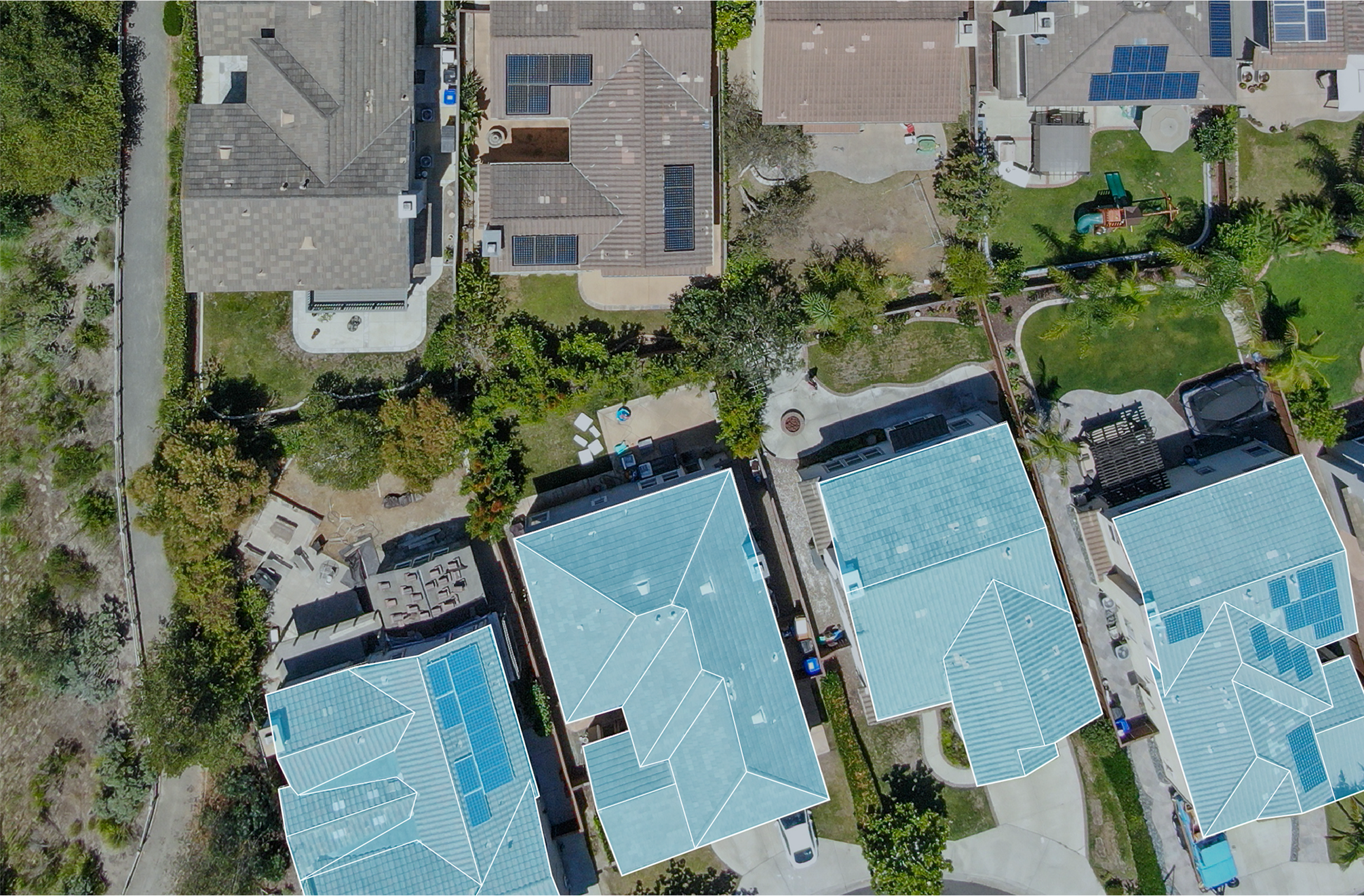
Drone Roof Inspection
Drone Roof Inspection is scoped around North Range Business Park warehouses, the I-25 and I-80 freight interchange, and Frontier Mall and nearby service buildings. The scope stays practical: stop water first, document the roof, then choose the repair or replacement path that fits the building.
View Scope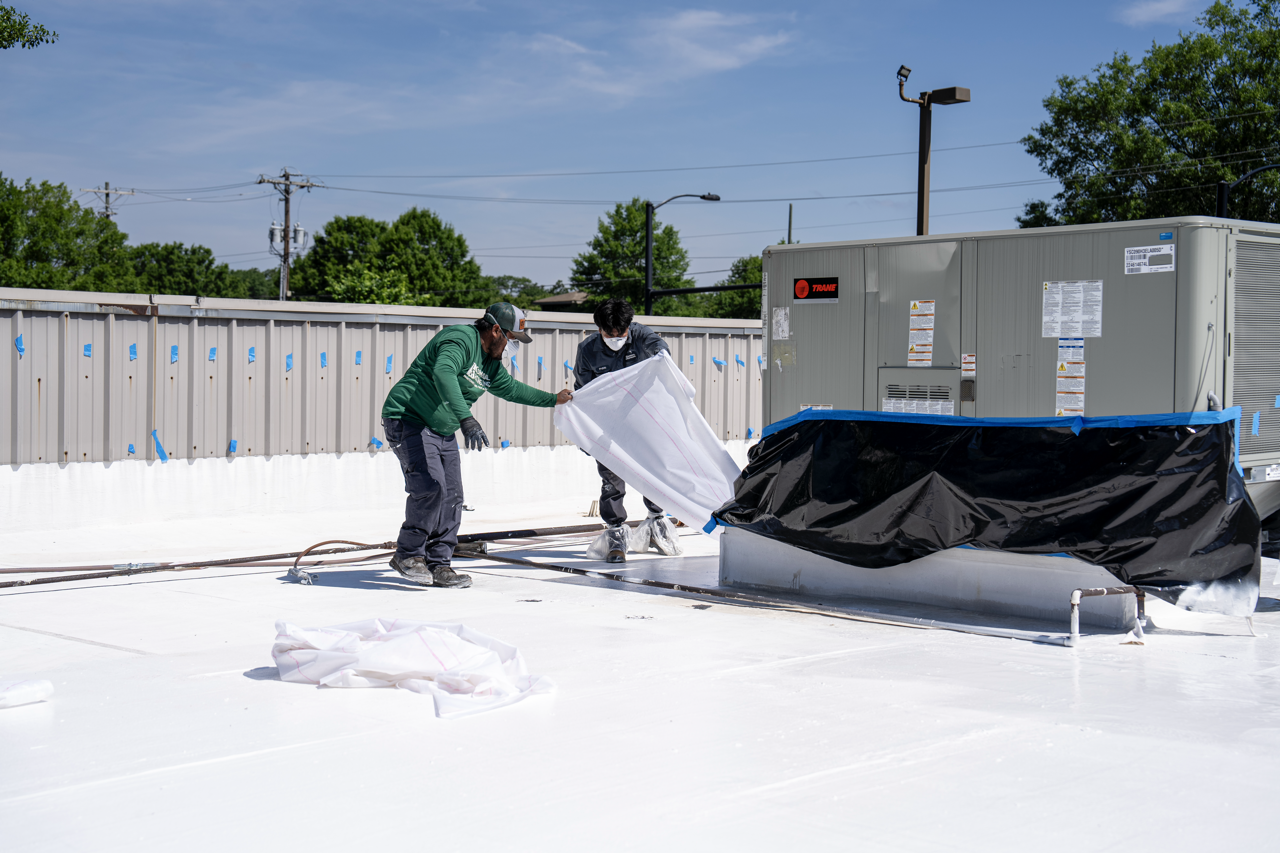
Preventive Roof Maintenance
Preventive Roof Maintenance is scoped around North Range Business Park warehouses, the I-25 and I-80 freight interchange, and Frontier Mall and nearby service buildings. We keep access, weather windows, and tenant disruption in the plan before crews step onto the roof.
View Scope
Commercial Roof Maintenance
Commercial Roof Maintenance is scoped around Laramie County business parks, Cheyenne Logistics Hub properties, and North Range Business Park warehouses. Every recommendation is tied to observed conditions, not a prewritten roof package.
View ScopeGet the roof decision into writing.
Tell us what changed on the roof, where the building sits, and who needs the report. We will turn the next step into a clear scope.