 Contact Us Now
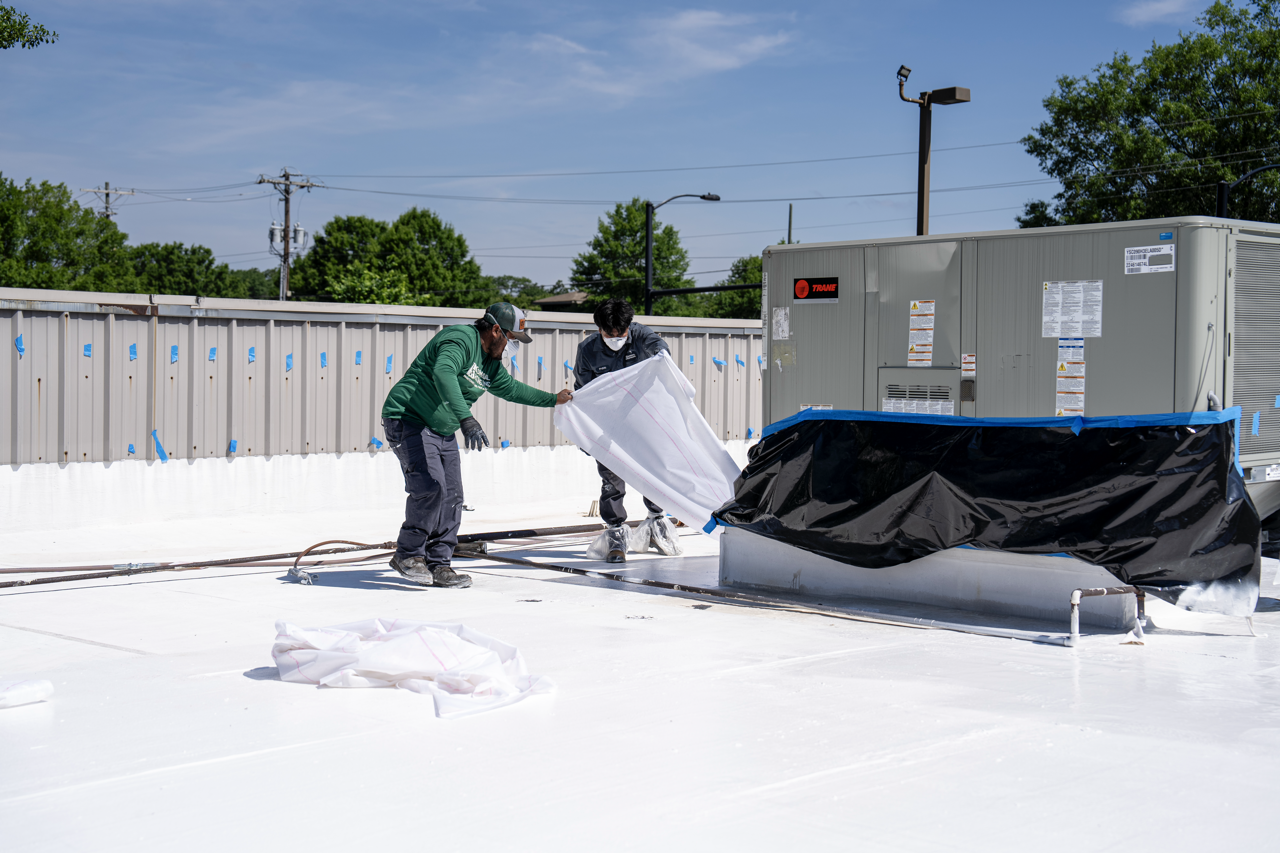
Preventive Roof Maintenance in Cheyenne, WY
A useful maintenance program records recurring conditions, clears drainage, services vulnerable details, tracks repairs, and turns each visit into a prioritized roof history. A roof scope for Preventive Roof Maintenance has to start with what the building is doing today. We consider North Range Business Park warehouses, the I-25 and I-80 freight interchange, Frontier Mall and nearby service buildings, and snow drift at parapets and rooftop units before we recommend work.
That keeps the scope tied to the roof that is actually on the building: membrane condition, seams, metal, drainage, rooftop units, access, tenant needs, and timing.
Wyoming's commercial market concentrates in Cheyenne and Casper, with the I-80 commercial corridor, the Warren AFB support service ring, the College Drive and Dell Range commercial belts, and the Casper Events Center district. Commercial roof preventive maintenance programs in this market protect warranty validity, provide the semi-annual inspection documentation that major manufacturers require, and generate capital planning forecasts that let property owners and facilities managers budget for roofing expenditures before an emergency forces the decision.
Preventive roof maintenance in Cheyenne is not a generic seasonal checklist, it is a climate-driven program based on two critical service windows that Cheyenne's weather calendar dictates. The first is spring, typically late April through May, after the freeze-thaw season has run its course and before summer hail season begins. The second is fall, September through October, before the first hard freeze locks the roof under winter conditions for months. Missing either window consistently is the primary reason that Cheyenne commercial roofs fail before their design service life, not because the membrane was poor or the installation was bad, but because the climate-specific damage that accumulates between those windows was never addressed on schedule.
Spring post-thaw maintenance is the more consequential of the two windows. A Cheyenne winter subjects commercial roofs to 170-plus days of freeze-thaw cycling, heavy snow loads, ice dam formation at drains and scuppers, and membrane stress from thermal contraction at temperatures that can reach minus 20°F. By the time spring arrives, the roof has been through a sustained assault that leaves specific and predictable damage patterns. Flashing separations at wall-to-roof joints, fastener backout at field seams, ice-driven membrane lifting at drain rims, and insulation board cracking under membrane impact points are all damage types that emerge from Cheyenne winters and that should be identified and repaired before summer UV and hail season arrives.
Spring drain service is a specific priority that is easy to overlook but has significant consequences when deferred. Overflow drains and primary drains that were partially blocked by ice during winter need to be cleared, inspected, and tested before the spring snowmelt season generates its peak drainage demand. A drain that was frozen shut for three months may have debris, ice-damaged bowl gaskets, or displaced strainers that prevent it from functioning when the April snowpack begins to melt. We include drain cleaning and flow testing in every spring maintenance visit and document drain condition before and after service.
Fall pre-freeze maintenance prepares the roof system to survive another Cheyenne winter in the best possible condition. The fall window is about identifying and repairing existing damage before it worsens under freeze-thaw stress, ensuring drains are clear for the first snowmelt events, and checking flashings and penetrations that will be under sustained ice load through the winter. A flashing separation that is two inches wide in October will be four inches wide by March after freeze-thaw cycling works moisture further into the opening. Addressing these conditions in fall, before they are locked under snow and ice for months, is the most cost-effective maintenance investment a Cheyenne commercial building owner can make.
Portfolio maintenance programs for Cheyenne Business Parkway building owners and property managers who maintain multiple commercial assets benefit from a structured annual maintenance contract that covers all buildings in the portfolio under a single scheduled program. Portfolio programs provide consistent documentation across all properties, allow us to track condition trends building by building over multiple years, and create a foundation for capital planning that is based on actual documented condition rather than age assumptions. For property managers overseeing five to twenty Cheyenne commercial buildings, a portfolio maintenance program eliminates the scheduling burden of individual service calls and ensures no buildings are inadvertently skipped in a given season.
Between the two annual maintenance windows, reactive maintenance calls are inevitable on Cheyenne commercial buildings, a summer hail event, a high-wind episode that lifts edge metal, or a leak that develops at a new penetration all generate service needs outside the planned schedule. The value of an ongoing maintenance relationship is that these reactive calls are handled by a contractor who already knows the building. We maintain condition histories for all maintenance program properties, which means when an emergency call comes in, we know the roof's existing vulnerabilities, recent repair history, and the specific details of its drainage and flashing configuration. That knowledge makes emergency response faster and more accurate than starting from scratch on every reactive call.
Documentation is a core component of preventive maintenance value for Cheyenne commercial building owners. Each maintenance visit should produce a written report with photographs of conditions found, work performed, and any deferred conditions requiring future attention. These reports serve multiple purposes: they support insurance claims when weather damage is identified during maintenance inspections, they provide documentation for capital planning when a roof replacement is being planned, and they demonstrate due diligence in roof care when a building is sold or refinanced. Verbal reporting or informal text messages from a roofer who walked the roof do not serve these purposes, formal written documentation does.
The maintenance program structure we recommend for Cheyenne commercial buildings includes two planned annual visits, spring and fall, plus a post-hail response inspection whenever a significant hail event affects the property. The post-hail inspection is not a warranty-type response but a proactive assessment that documents conditions immediately after a storm event and identifies repairs needed before freeze-thaw cycles convert storm damage into more extensive failures. Building owners who skip the post-hail inspection often find that November leaks can no longer be connected to a May hailstorm for insurance purposes, the documentation window has closed and causation is disputed.
Preventive maintenance on Cheyenne commercial roofs delivers a measurable return on investment through extended membrane service life, reduced emergency repair frequency, and better capital planning accuracy. Industry data consistently shows that maintained commercial roofs last five to eight years longer than unmaintained roofs of equivalent quality. In Cheyenne's climate, where membrane stress from freeze-thaw, wind, and hail is elevated compared to most US markets, the maintenance premium over service life is even more pronounced. The cost of a biannual maintenance program on a typical Cheyenne commercial building is a small fraction of the cost difference between a 15-year and a 22-year roof replacement cycle.
Questions Owners Ask
What is the best time of year to schedule preventive roof maintenance in Cheyenne?
Late April through May for the spring visit, and September through October for the fall visit. The spring visit should happen after freeze-thaw season is reliably over but before summer hail season begins. The fall visit should happen early enough in fall to address any repairs before the first hard freeze, once temperatures are consistently below freezing, sealant applications and some repair work cannot be performed. We schedule maintenance visits in these windows for all program customers and provide advance notice to coordinate building access.
What does a preventive maintenance visit actually include?
A typical Cheyenne commercial roof maintenance visit covers: full perimeter edge metal inspection, flashing inspection at all wall-to-roof junctions and penetrations, membrane surface inspection for damage and deterioration, drain cleaning and flow testing, debris removal from drains and low spots, minor sealant repairs at open joints, and a written report with photographs documenting conditions found and work performed. Any damage beyond minor sealant repairs is documented for follow-up scheduling. The visit typically takes two to four hours depending on building size and condition.
How often should I schedule roof maintenance on my Cheyenne commercial building?
Twice per year at minimum, spring and fall, for any commercial building in Cheyenne. Buildings with known problem areas, drainage deficiencies, or aging membranes benefit from quarterly visits that add a mid-summer and mid-winter check. Large portfolio buildings or those with occupied uses sensitive to water intrusion (healthcare, food service, data centers) are also good candidates for quarterly programs. The incremental cost of quarterly versus biannual visits is modest relative to the additional assurance it provides.
Can preventive maintenance be performed on a roof that already has active leaks?
Yes, and it should be. An active leak does not preclude maintenance, it makes maintenance more urgent. We address the active leak as part of the maintenance visit when the source is identifiable and repair is within the maintenance scope, or we document the leak, establish temporary protection if needed, and schedule a repair visit immediately following. Active leaks documented during a maintenance visit are treated as priority repairs, not deferred items.
Does my roofing warranty require maintenance visits to remain valid?
Most manufacturer NDL warranties require periodic maintenance inspections, typically annual or biannual, as a condition of maintaining warranty coverage. Failure to maintain documented inspection history can void warranty coverage for claims made later in the warranty period. We provide inspection documentation formatted for warranty compliance records and can register inspection reports with manufacturers that require it. Review your specific warranty terms for inspection requirements, we can help you understand what your warranty requires.
Related Roof Work
Useful next pages for this roof decision.
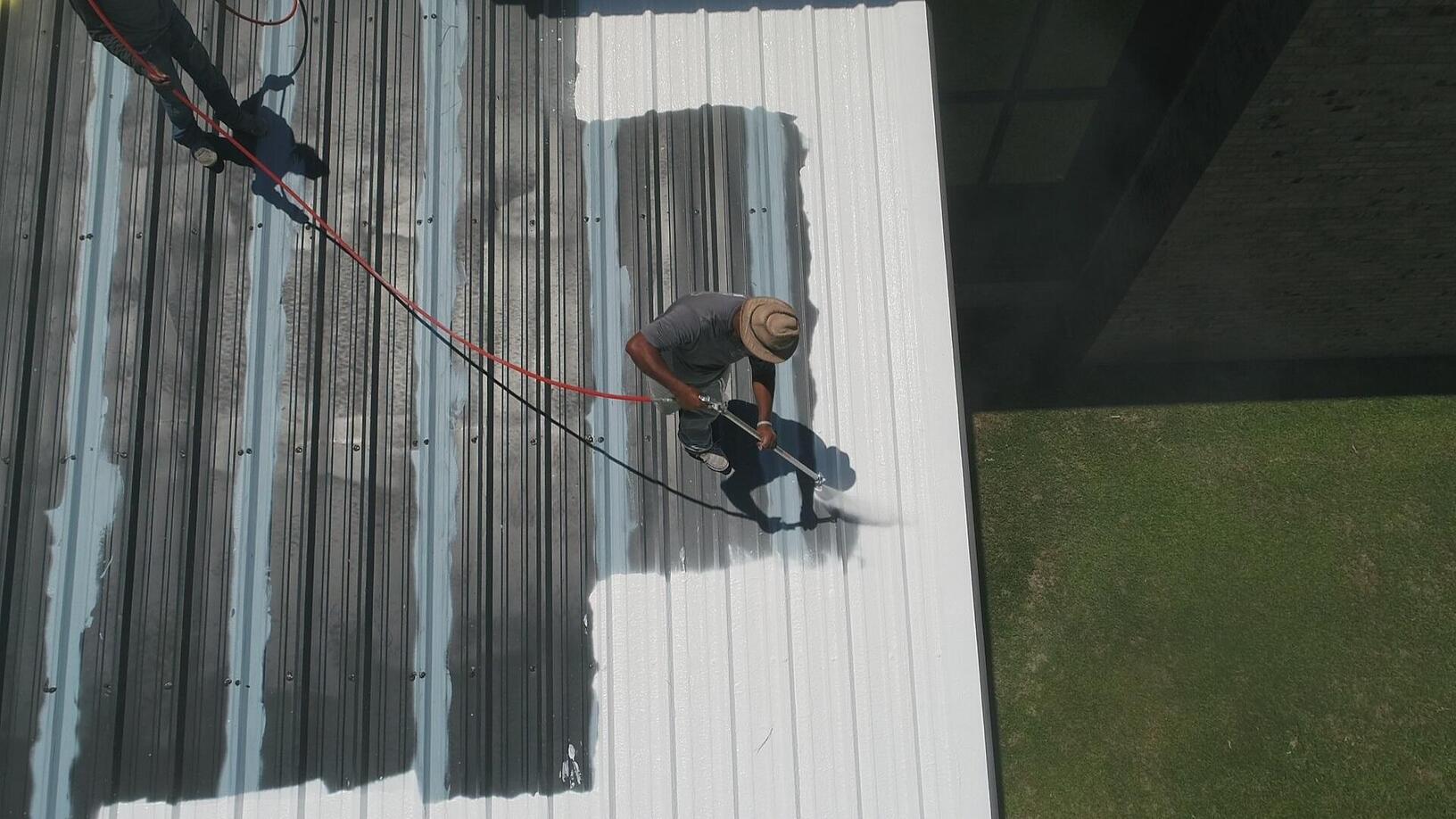
Commercial Roof Restoration
Commercial Roof Restoration is scoped around Cheyenne Logistics Hub properties, North Range Business Park warehouses, and the I-25 and I-80 freight interchange. The scope stays practical: stop water first, document the roof, then choose the repair or replacement path that fits the building.
View Scope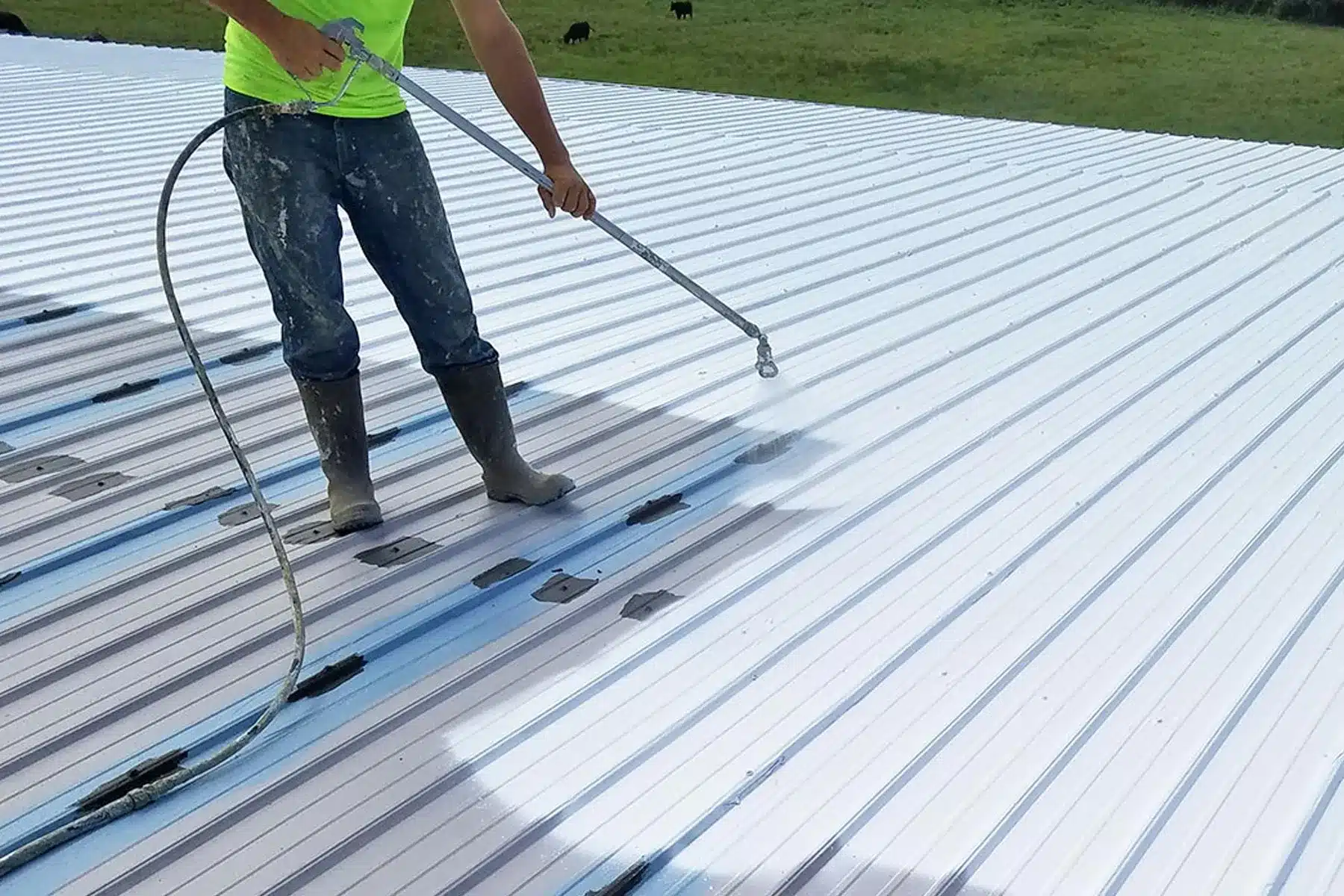
Fluid-Applied Roofing
Fluid-Applied Roofing is scoped around South Cheyenne industrial sites, Laramie County business parks, and Cheyenne Logistics Hub properties. We keep access, weather windows, and tenant disruption in the plan before crews step onto the roof.
View Scope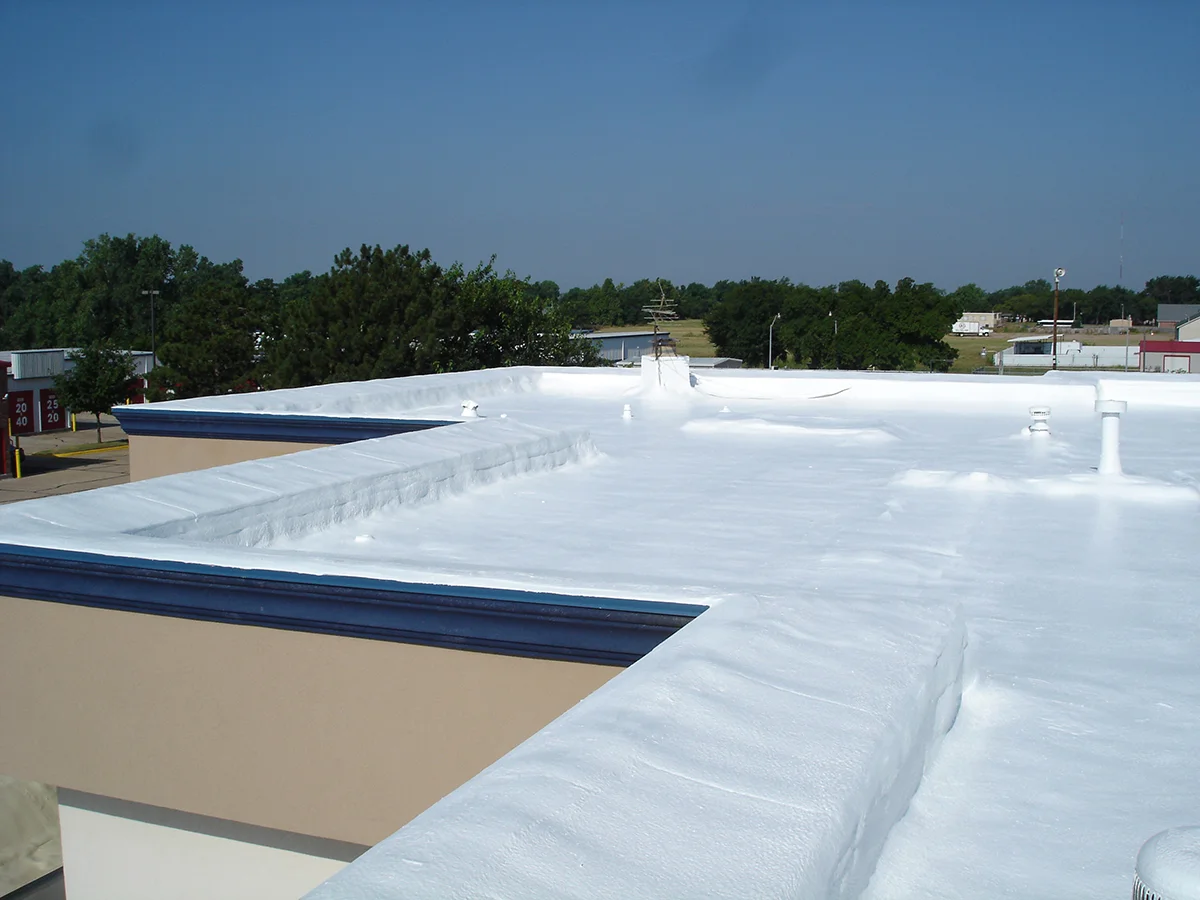
Spray Foam Roofing
Spray Foam Roofing is scoped around Cheyenne Regional Airport facilities, High Plains wind and hail exposure, and Laramie County public buildings. Every recommendation is tied to observed conditions, not a prewritten roof package.
View ScopeGet the roof decision into writing.
Tell us what changed on the roof, where the building sits, and who needs the report. We will turn the next step into a clear scope.