 Contact Us Now
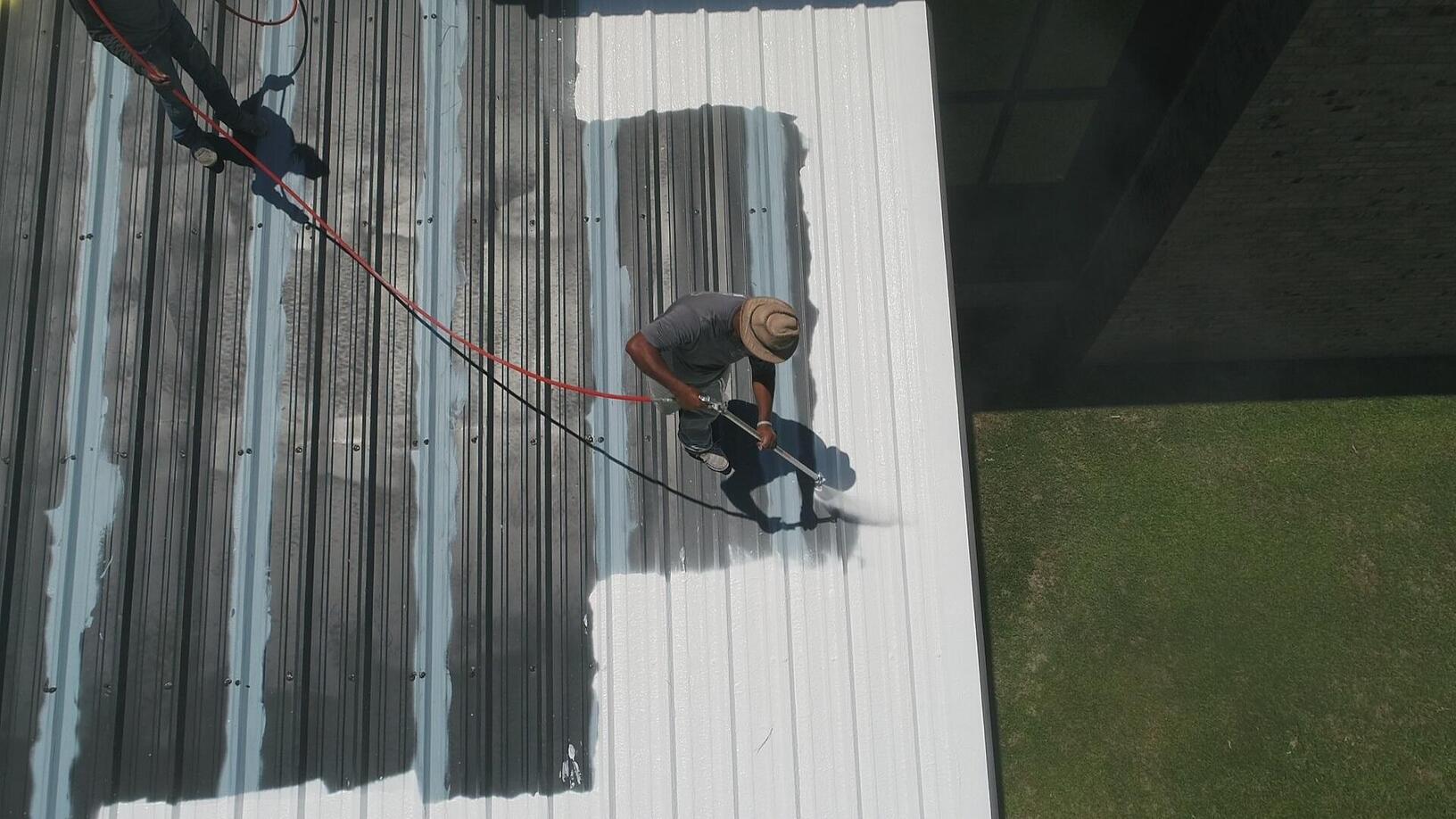
Commercial Roof Restoration in Cheyenne, WY
A roof scope for Commercial Roof Restoration has to start with what the building is doing today. We consider Cheyenne Logistics Hub properties, North Range Business Park warehouses, the I-25 and I-80 freight interchange, and Frontier Mall and nearby service buildings before we recommend work.
That keeps the scope tied to the roof that is actually on the building: membrane condition, seams, metal, drainage, rooftop units, access, tenant needs, and timing.
Fluid-applied roof restoration in Cheyenne is a climate-constrained discipline. The same product category that is widely used in the Southeast and Southwest as a first-line roofing strategy becomes a more carefully managed decision in southeast Wyoming, where the temperature range from -20°F to 90°F, the narrow application window, the freeze-thaw cycling that tests every coating's flexibility, and the high-altitude UV intensity combine to reduce the margin for error in product selection, substrate preparation, and application conditions. A restoration system that is correctly specified and correctly installed in Cheyenne will provide 10 to 15 years of additional service life on a recoverable substrate. One that is specified or installed without accounting for Wyoming's climate will fail in two to four years.
The restoration candidate assessment in Cheyenne begins with an honest evaluation of the existing substrate. Restoration is appropriate when the existing membrane is structurally sound, seams intact or repairable, no significant blistering or delamination, deck in good condition, and the insulation is dry. A building with saturated insulation is not a restoration candidate regardless of the membrane's surface appearance. We perform infrared thermographic scanning and core sampling on every building evaluated for restoration, and we communicate clearly when the substrate conditions disqualify restoration and replacement is the correct answer. A restoration coating applied over wet insulation will trap the moisture, accelerate deck deterioration, and fail within a few seasons, the worst possible outcome for both the building owner and the restoration contractor's reputation.
F.E. Warren adjacent buildings and defense contractor facilities in north Cheyenne frequently have built-up roofing (BUR) or modified bitumen systems from the 1980s and 1990s that are structurally recoverable but have surface deterioration, oxidized surfaces, open laps at seams, minor blistering, that makes them good candidates for restoration if the insulation is dry. These buildings often have operational constraints that make replacement disruptive: occupied spaces, security access requirements, and operational continuity expectations that make a multi-week tear-off-and-replace project problematic. A well-executed fluid-applied restoration can be completed in shorter windows with less disruption, which is a meaningful operational benefit for these facilities.
Silicone restoration systems have the best argument for Cheyenne's climate among the fluid-applied options. Silicone remains elastomeric at -20°F, does not embrittle or crack under freeze-thaw cycling, resists ponded water without absorbing it, and provides strong UV resistance at Cheyenne's high-altitude exposure. For a BUR or modified bitumen substrate in sound condition, a reinforced silicone restoration system applied at manufacturer-specified dry film thickness provides a monolithic waterproofing layer that bridges minor surface defects and laps, extending the effective service life of the assembly without the cost and waste of a full tear-off and replacement. The reinforcing fabric embedded in the base coat adds tensile strength at seams and laps where the substrate may have minor irregularities.
Application weather windows for fluid-applied restoration in Cheyenne are significantly narrower than national product spec sheets suggest. Water-based coatings require ambient and substrate temperatures above 50°F and no rain forecast for 24 hours. In Cheyenne, mornings in late May through September may meet this standard, but afternoon thunderstorms can arrive without reliable warning and will wash uncured coating off a wet substrate. We schedule restoration projects for early-morning start times, monitor weather radar continuously, and maintain work zone sizes that can be fully protected within 15 minutes if conditions deteriorate. Evening and weekend application is sometimes used to take advantage of calm, dry windows that midday work cannot reliably achieve.
Substrate preparation for a Cheyenne restoration project requires more than a pressure wash. The high-plains dust environment deposits an accumulation of dirt, oil from HVAC equipment, and airborne contaminants on aging membrane surfaces that create a bond-breaking layer between the coating and the substrate. We perform mechanical surface preparation, wire brushing, grinding at heavily oxidized areas, in addition to pressure washing, and apply a primer specified for the substrate type and the coating being used. All open seams, laps, and cracks are sealed with compatible elastomeric sealant or fabric-reinforced base coat before the field coating is applied. Restoration failures almost always trace to inadequate preparation rather than product deficiency.
Energy performance claims for restoration systems in Cheyenne require the same honest framing we apply to cool roof coatings generally. The reflectivity benefit of a white or light-colored restoration system is modest in a climate with only 14.9 days above 90°F annually. The more meaningful performance benefit is thermal cycling stress reduction, a reflective coating keeps the restored membrane cooler in summer, reducing the expansion-contraction amplitude that drives fatigue failures at seams and terminations. Over a 10-to-15-year restoration service life, this reduced thermal stress can be a meaningful contributor to system longevity. We present this argument honestly rather than overstating the energy savings in a heating-dominated climate.
Restoration warranty terms for Cheyenne buildings require careful review. Manufacturer warranties for fluid-applied systems are typically 10 to 15 years and may include restrictions on ponding water, minimum mil thickness requirements for warranty eligibility, and periodic inspection or recoating requirements. Some warranties require that a manufacturer-certified applicator perform the installation and that the warranty be registered within a specified period after installation. We are certified applicators for the restoration systems we install, we register warranties at project completion, and we review the warranty terms with building owners before product selection so there are no surprises about the maintenance obligations required to keep the warranty in force.
Questions Owners Ask
How do we know if our existing roof is a good candidate for restoration?
The key qualifying criteria are: the existing membrane is structurally sound with seams that are intact or repairable, the insulation is dry as confirmed by infrared scan and core samples, the deck is in good condition without significant structural deterioration, and the remaining useful life of the existing system without restoration is less than the service life the restoration would provide. Buildings that meet all four criteria are typically good restoration candidates. Buildings with saturated insulation, significantly deteriorated membranes, or structural deck problems are not, restoration would be a short-term deferral of an inevitable replacement, not a cost-effective life extension.
What is the cost comparison between restoration and replacement for a Cheyenne commercial building?
Fluid-applied restoration typically costs 30 to 60 percent less than a full tear-off-and-replace project, depending on system type and the extent of preparation and repair required. The comparison, however, is not just first cost, it is first cost divided by service life delivered. A $8-per-square-foot restoration that provides 12 years of additional life versus a $16-per-square-foot replacement that provides 22 years are comparable on a cost-per-year basis. The restoration option also preserves the existing insulation and avoids the landfill disposal cost of tear-off. For buildings where the substrate qualifies and the operational disruption of replacement is a real concern, restoration is often the more economical choice when lifecycle is considered.
Can a restoration system be applied over TPO or EPDM?
Yes, with the appropriate primer and a coating compatible with the existing membrane chemistry. Silicone coatings adhere well to properly primed EPDM and TPO substrates. Acrylic coatings are compatible with some single-ply substrates but require careful primer selection. The critical requirement is that the existing single-ply membrane is fully adhered or the laps are fully bonded, a restoration coating applied over a mechanically fastened membrane with unbonded perimeter and lap conditions will bridge the coating across gaps that will eventually crack under stress. We evaluate the specific substrate and coating compatibility before specifying any restoration system on a single-ply membrane.
How long does a fluid-applied restoration project take?
Project duration depends on roof area, substrate preparation scope, and weather windows. A straightforward restoration on 20,000 square feet of BUR with minimal preparation required typically takes 3 to 5 days of application work, plus mobilization, preparation, and demobilization. Larger projects are proportionally longer. Weather delays in Cheyenne's unpredictable summer can extend any project timeline, which is why we build weather contingency into every restoration project schedule. We do not rush application to meet an artificial deadline, thin application or application in marginal weather conditions are both more expensive than a schedule extension.
What maintenance does a restored roof require in Cheyenne?
Annual inspection, particularly the spring post-winter inspection that is standard practice for all Cheyenne commercial roofs, is the minimum maintenance for a restored roof. The spring inspection looks for any areas where the restoration coating has cracked, lifted, or lost adhesion due to freeze-thaw cycling or mechanical damage, and addresses them with compatible touch-up coating before they become infiltration points. Some manufacturer warranties require a periodic recoat, typically at the 7 to 10-year mark, to maintain warranty coverage to the full term. We include the recoat requirement in the project documentation so building owners are not surprised by a future maintenance obligation that was always part of the system's lifecycle plan.
Related Roof Work
Useful next pages for this roof decision.
Commercial Roof Maintenance
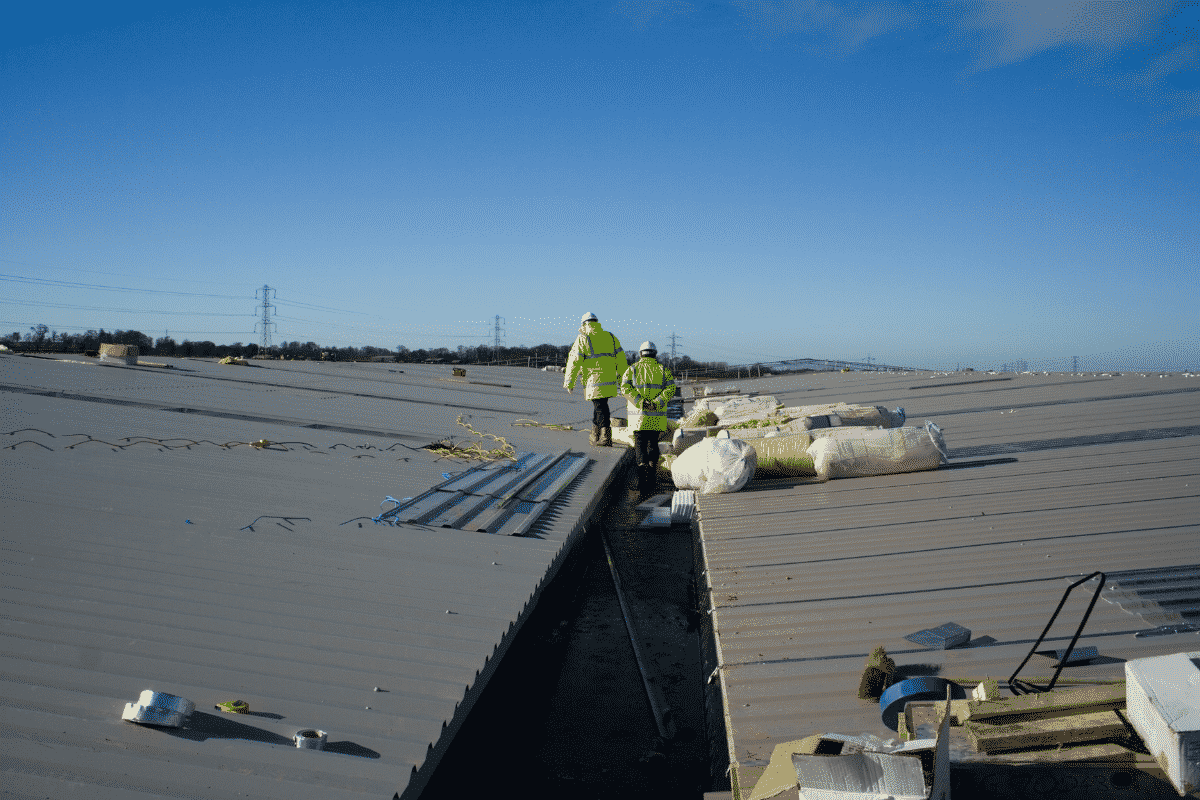
Commercial Roof Maintenance is scoped around Laramie County business parks, Cheyenne Logistics Hub properties, and North Range Business Park warehouses. The scope stays practical: stop water first, document the roof, then choose the repair or replacement path that fits the building.
View Scope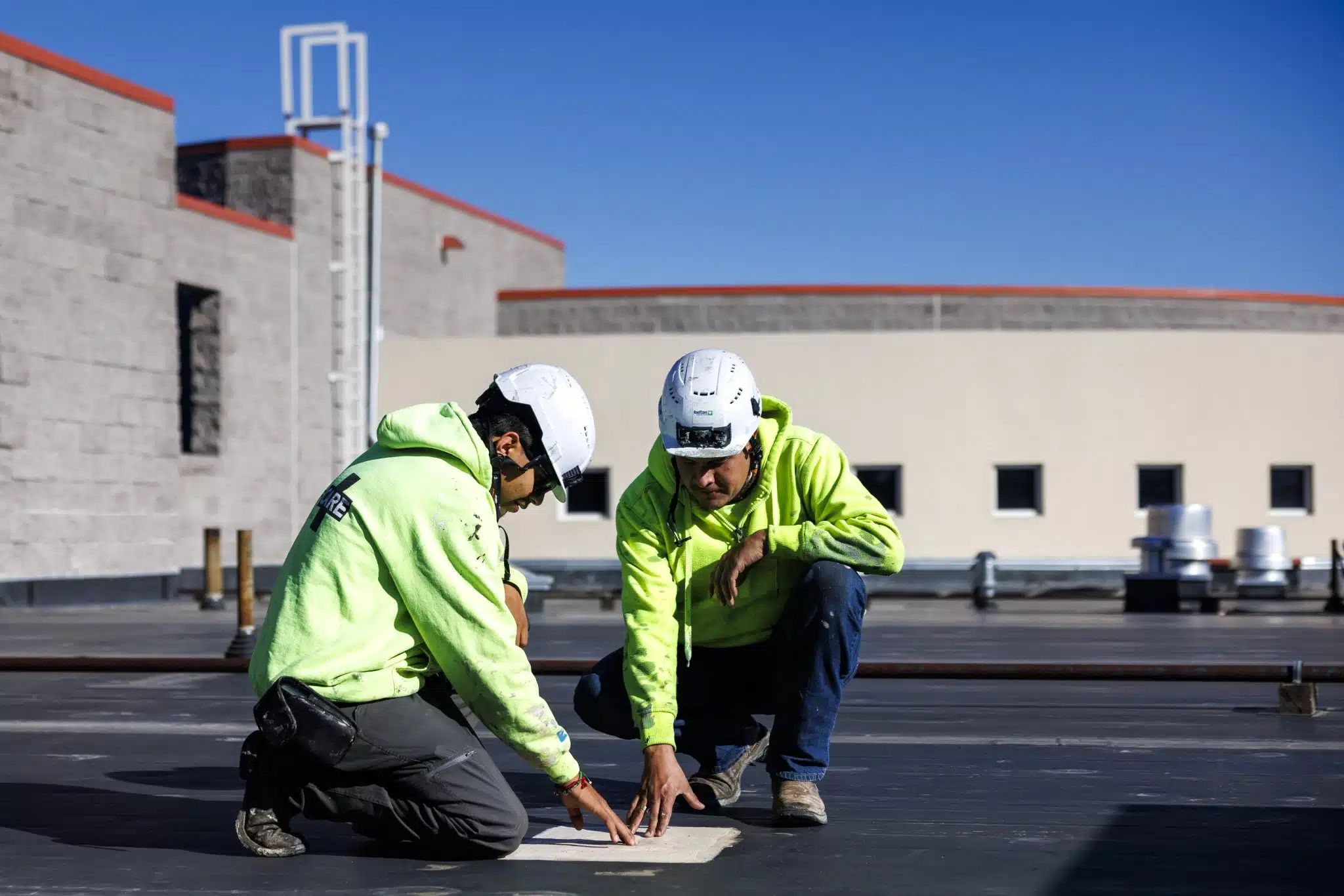
Commercial Roof Maintenance Contracts
Commercial Roof Maintenance Contracts is scoped around freeze-thaw cycles after spring storms, Cheyenne Regional Medical Center area offices, and Cheyenne Regional Airport facilities. We keep access, weather windows, and tenant disruption in the plan before crews step onto the roof.
View Scope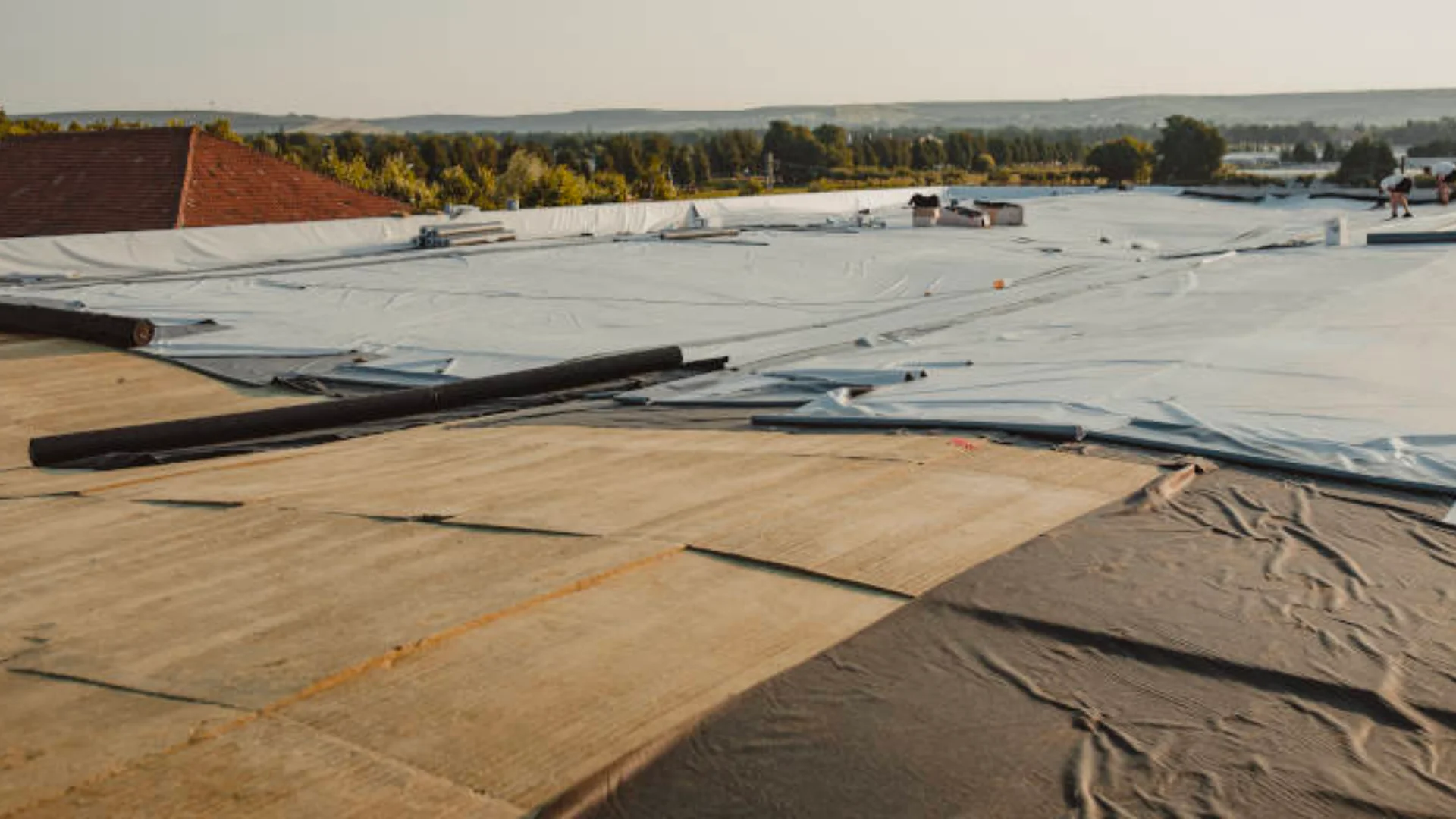
Emergency Roof Repair
Emergency Roof Repair is scoped around Laramie County business parks, Cheyenne Logistics Hub properties, and North Range Business Park warehouses. Every recommendation is tied to observed conditions, not a prewritten roof package.
View ScopeGet the roof decision into writing.
Tell us what changed on the roof, where the building sits, and who needs the report. We will turn the next step into a clear scope.