 Contact Us Now
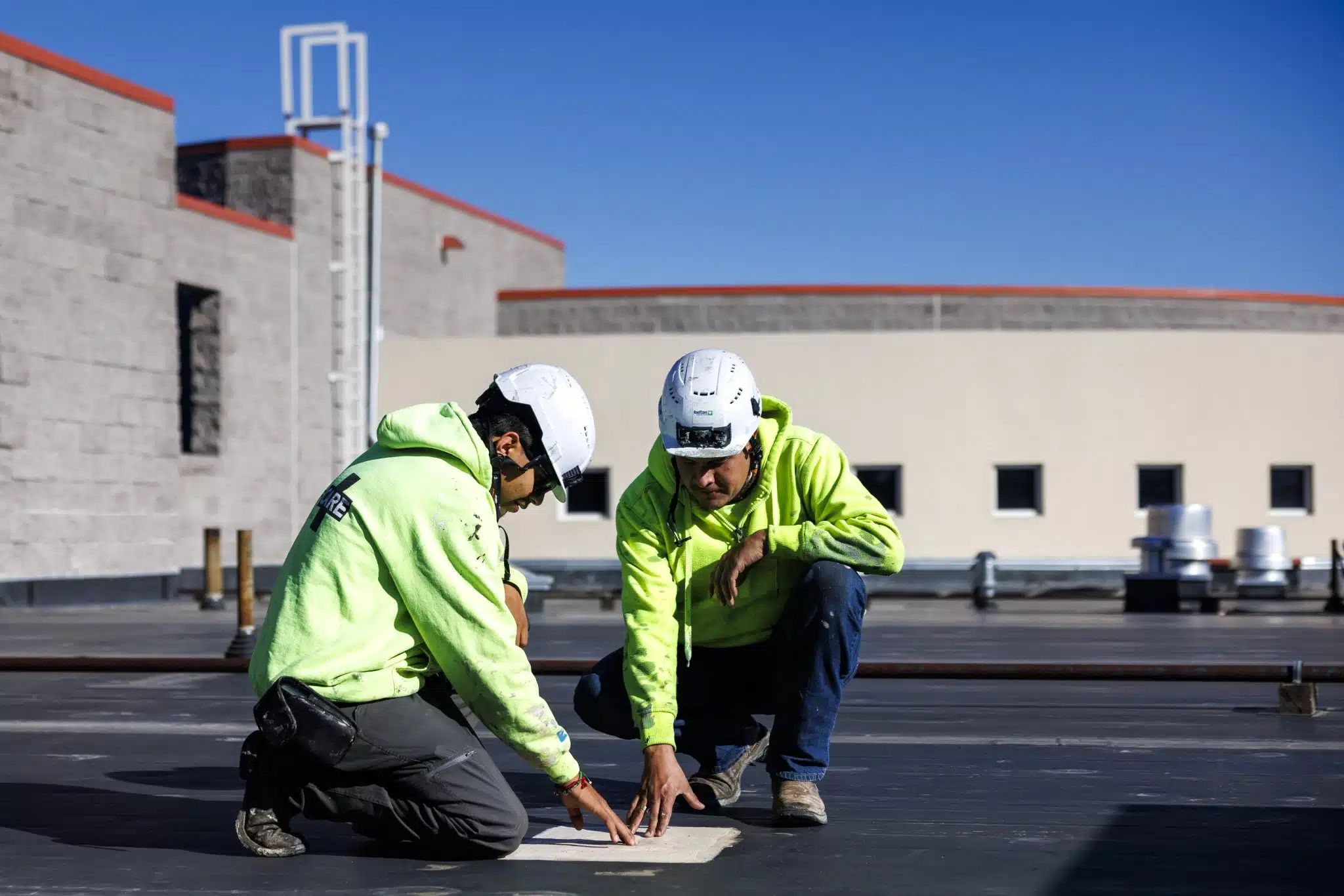
Commercial Roof Maintenance Contracts in Cheyenne, WY
For Commercial Roof Maintenance Contracts, we look at the roof as an operating asset, not a one-time line item. We consider freeze-thaw cycles after spring storms, Cheyenne Regional Medical Center area offices, Cheyenne Regional Airport facilities, and High Plains wind and hail exposure before we recommend work.
That keeps the scope tied to the roof that is actually on the building: membrane condition, seams, metal, drainage, rooftop units, access, tenant needs, and timing.
A maintenance contract for a Cheyenne commercial roof is not a commodity service agreement, it is a weather-calibrated program that accounts for the specific stress cycle this climate imposes on commercial roofing systems. The buildings that benefit most from structured maintenance contracts in Cheyenne are those where deferred maintenance has real operational or financial consequences: the logistics facilities along the I-25/I-80 corridor whose contents and operations cannot tolerate a spring leak event, the Cheyenne Business Parkway office and flex buildings whose tenants expect a professionally managed facility, and the government-adjacent contractor facilities where a failed roof during a contract performance period creates schedule and compliance problems far beyond the repair cost itself.
Annual maintenance contract programs for Cheyenne commercial portfolios are structured around the two-season maintenance calendar that Wyoming's climate demands. The spring visit, scheduled for May after snowpack clears, addresses all winter-season damage and prepares the roof for the summer maintenance and repair window. The fall visit, scheduled for September, prepares the building for the coming winter, clearing drains, inspecting and activating heat trace systems, tightening snow guard hardware, and addressing any sealant conditions that would worsen under freeze-thaw cycling. Building owners on an annual contract receive priority scheduling for both visits so they are completed in the optimal weather windows rather than being deferred into suboptimal conditions.
Government-adjacent contractor facilities and defense contractor support businesses in the Cheyenne area operate under contract terms that make facility reliability a compliance issue, not just a maintenance preference. A contractor facility at a logistics support park adjacent to F.E. Warren that experiences roof-related operational disruption during a contract performance period may face questions from their government customer about facility management competence. Maintenance contracts for these facilities are structured with documentation standards that support facility compliance reporting, visit records, defect logs, and repair authorizations formatted for inclusion in the facility management program that government contractors are typically required to maintain.
Cheyenne Business Parkway property managers overseeing multi-tenant flex and office buildings have specific maintenance contract needs that differ from single-tenant industrial. Multi-tenant buildings have more complex occupancy considerations, a leak in a common area or above a shared corridor creates liability exposure and tenant relations problems that an industrial owner does not face. Maintenance contracts for these buildings include a tenant notification protocol for any intrusive roof work and a standard of care that ensures maintenance activity does not create dust, odor, or noise disruptions during normal business hours. We work within property management platforms and communication systems already in use rather than requiring the property manager to adopt a new workflow.
Repair authorization thresholds are a key element of a well-structured maintenance contract for Cheyenne commercial properties. Rather than requiring a separate approval cycle for every small repair discovered during a maintenance visit, which adds administrative burden and delays repairs that should be done immediately, we structure contracts with a pre-authorized repair amount per visit. Repairs within that threshold are completed during the visit and documented in the visit summary. Repairs that exceed the threshold are quoted separately and authorized before proceeding. This structure keeps the maintenance process efficient while maintaining the building owner's financial control over larger expenditures.
Emergency response provisions in a Cheyenne commercial maintenance contract address the reality that this climate produces emergencies. A wind event in April or an April snowstorm that damages a roof does not wait for a scheduled maintenance visit, and building owners under contract should expect a faster emergency response than non-contract customers. We structure our maintenance contracts with an emergency response priority commitment, typically same-day or next-morning response for active leak emergencies during business hours, and we staff our emergency response capacity to honor that commitment during Cheyenne's peak spring repair season, when demand for emergency service concentrates in a four-to-six-week window.
Multi-building portfolio maintenance contracts for Cheyenne commercial real estate owners provide cost efficiencies that per-building contracts cannot. When we mobilize a crew to Campstool Business Park for a maintenance visit, visiting three or four buildings in the same park on the same day reduces mobilization cost per building and allows more efficient scheduling of the inspector-contractor team. Portfolio pricing reflects these efficiencies while maintaining the same per-building inspection rigor. We also provide a portfolio-level annual summary report that aggregates findings across all buildings, sorted by condition priority, giving the portfolio manager a single document that supports both capital planning and lender reporting for the entire portfolio.
Contract renewal and condition update provisions are built into our long-term maintenance programs. As a Cheyenne commercial roof ages, the appropriate maintenance scope changes, a roof in year 5 needs different attention than the same roof in year 18. Our contracts include an annual condition review that allows us to update the maintenance scope, adjust the pre-authorized repair threshold, and recommend changes to the inspection frequency as the building's roofing asset moves through its service life. This means the maintenance program stays calibrated to the actual condition of the roof rather than running a year-3 maintenance protocol on a year-15 roof that needs more intensive attention.
Questions Owners Ask
What is typically included in an annual commercial roof maintenance contract in Cheyenne?
A standard annual contract covers two scheduled visits, spring and fall, with each visit including drain clearing, flashing and sealant inspection with minor touch-up repairs within the pre-authorized threshold, membrane surface inspection and documentation, snow guard hardware inspection, edge metal and coping inspection, downspout flush, and a written visit summary with photographs. Emergency response priority is included, meaning contract customers are dispatched ahead of non-contract customers when multiple calls arrive simultaneously during the spring emergency season. Annual contracts also include a year-end condition summary suitable for CapEx planning and lender reporting.
How much does an annual maintenance contract cost for a Cheyenne commercial building?
Contract pricing depends on roof area, system complexity, number of penetrations and mechanical units, and whether the building requires specialized access procedures such as security badging or occupied-building protocols. As a general range, a single-building contract for a standard commercial roof in the 10,000 to 50,000 square foot range typically runs from a few hundred to a few thousand dollars annually, depending on scope. We provide a specific proposal after a brief review of the building's roof plan and current condition. Portfolio contracts for multiple buildings carry volume pricing. The contract cost is routinely a fraction of a single emergency repair call avoided.
Can we add buildings to an existing maintenance contract mid-year?
Yes. We handle mid-year additions with a prorated contract for the remaining visits in the current year and a standard full-year contract beginning with the next renewal cycle. New buildings added to a portfolio contract receive a baseline condition inspection at the first visit so we have a starting point for tracking condition changes over time. This is especially common when a portfolio owner acquires a new building mid-year and wants to bring it into the existing maintenance program rather than managing it separately.
What happens if a serious problem is found during a maintenance visit that exceeds the pre-authorized repair amount?
We document the condition thoroughly with photographs and a written description, provide a separate repair proposal with scope and cost, and request authorization before proceeding with work beyond the pre-authorized threshold. If the condition presents an active leak risk or imminent structural concern, we will communicate that urgency clearly in the repair proposal. We do not leave an active leak condition unaddressed simply because the repair cost exceeds the contract threshold, we will install a temporary protection measure within the pre-authorized amount if the full repair cannot be authorized immediately.
Are maintenance contracts transferable when a building is sold?
Maintenance contracts can be assigned to a new owner with our consent, which we routinely provide in straightforward building sale transactions. The new owner benefits from the inspection history, repair records, and condition documentation that the contract has accumulated, which has real value as a facility management asset. If the new owner prefers to start with a fresh contract rather than assuming an existing one, we conduct a baseline inspection and establish a new contract on the same terms. Either path ensures continuity of documentation for the building's roofing asset.
Related Roof Work
Useful next pages for this roof decision.
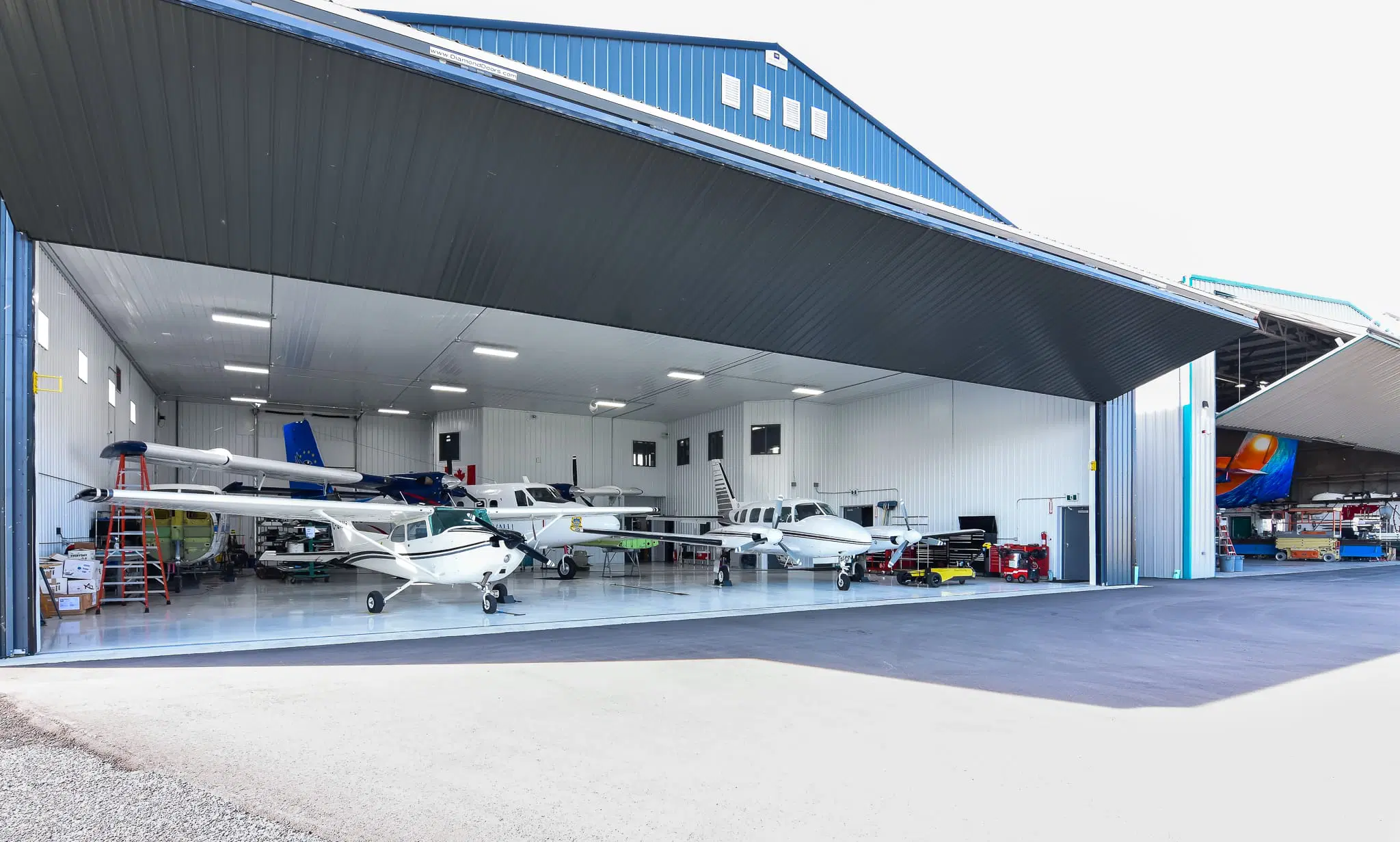
Airport Facility Roofing
Airport Facility Roofing is scoped around Dell Range Boulevard retail roofs, Lincolnway corridor storefronts, and South Cheyenne industrial sites. The scope stays practical: stop water first, document the roof, then choose the repair or replacement path that fits the building.
View Scope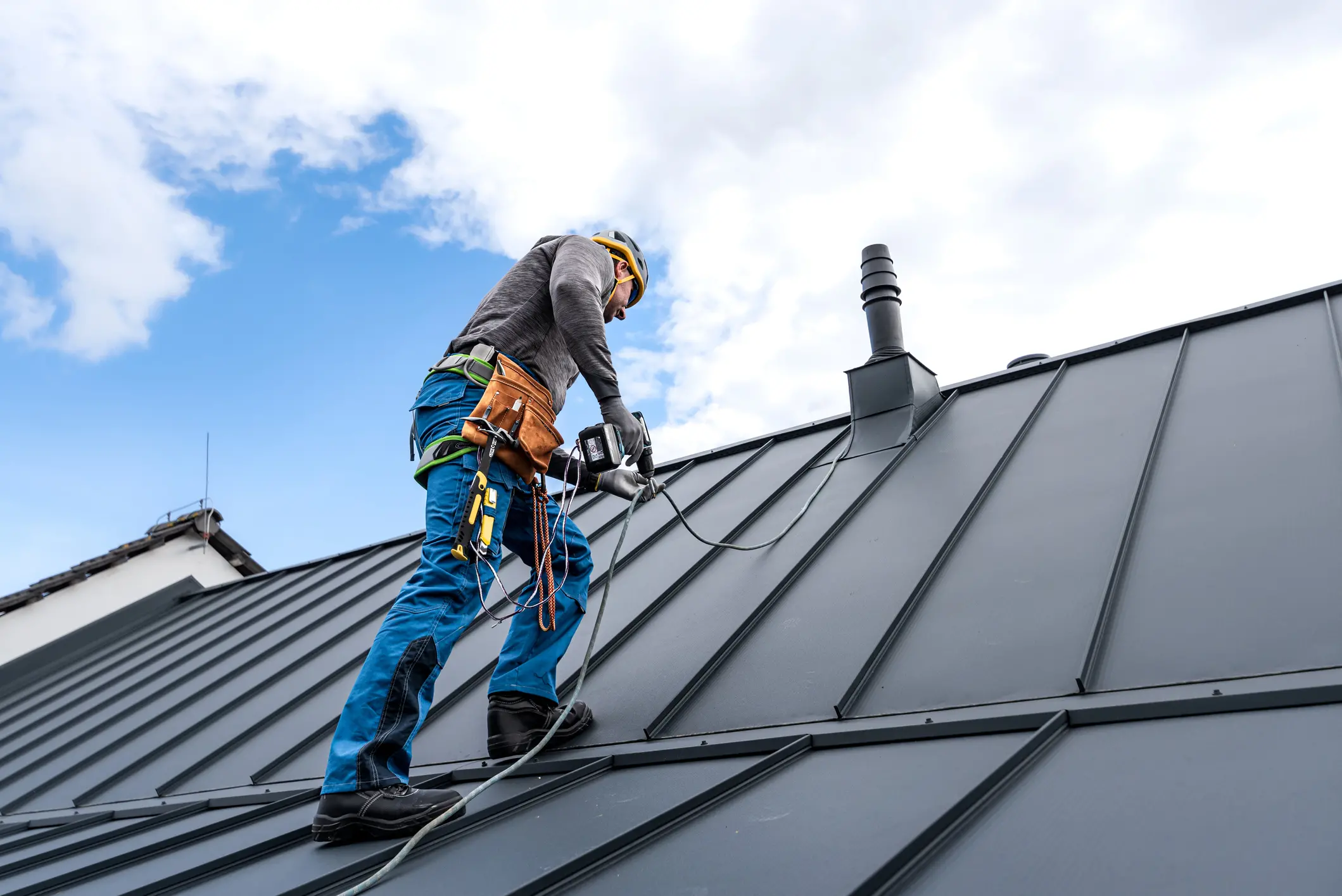
Architectural Sheet Metal
Architectural Sheet Metal is scoped around Cheyenne Regional Medical Center area offices, Cheyenne Regional Airport facilities, and High Plains wind and hail exposure. We keep access, weather windows, and tenant disruption in the plan before crews step onto the roof.
View Scope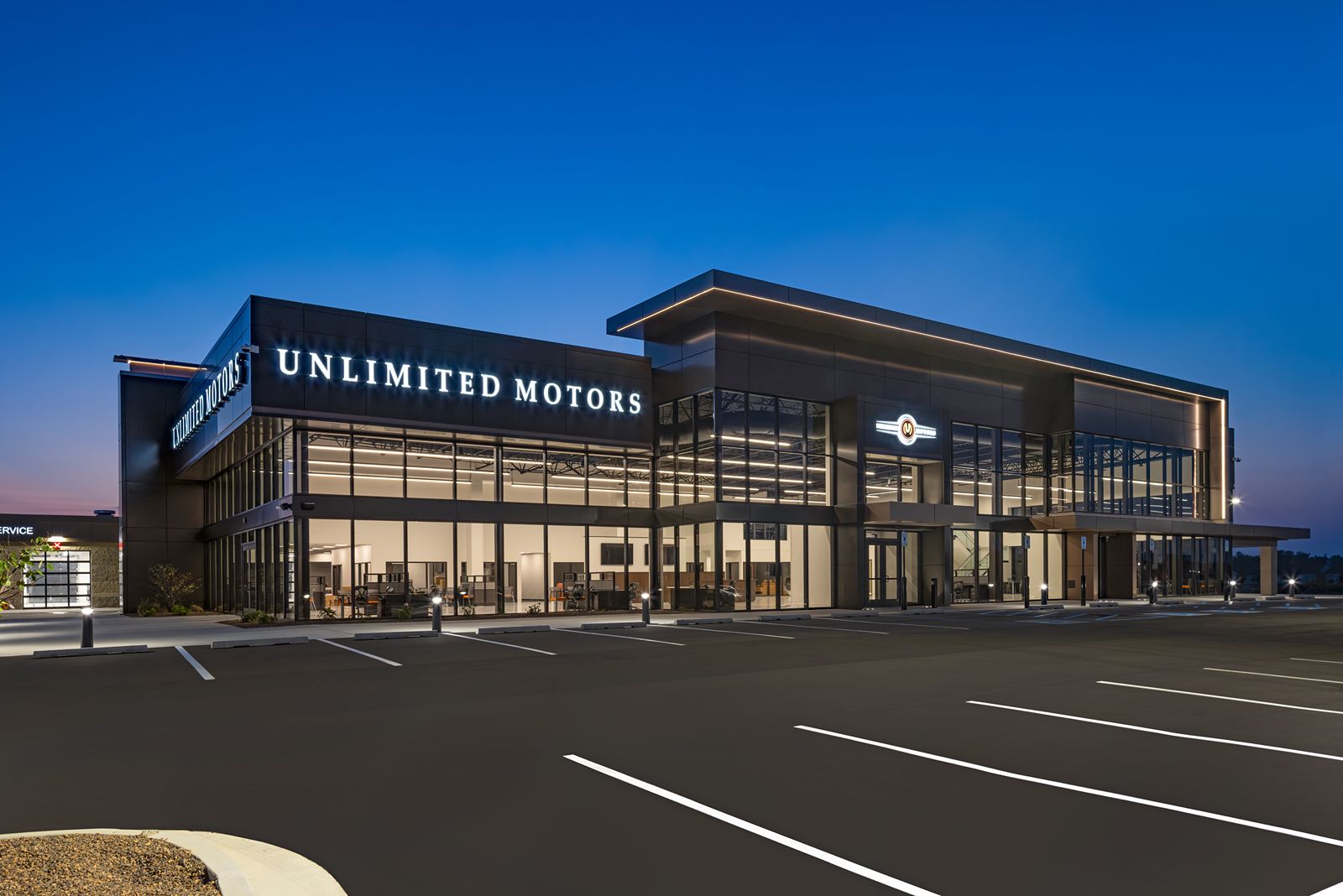
Auto Dealership Roofing
Auto Dealership Roofing is scoped around snow drift at parapets and rooftop units, Capitol Avenue office buildings, and F.E. Warren Air Force Base area contractors. Every recommendation is tied to observed conditions, not a prewritten roof package.
View ScopeGet the roof decision into writing.
Tell us what changed on the roof, where the building sits, and who needs the report. We will turn the next step into a clear scope.