 Contact Us Now
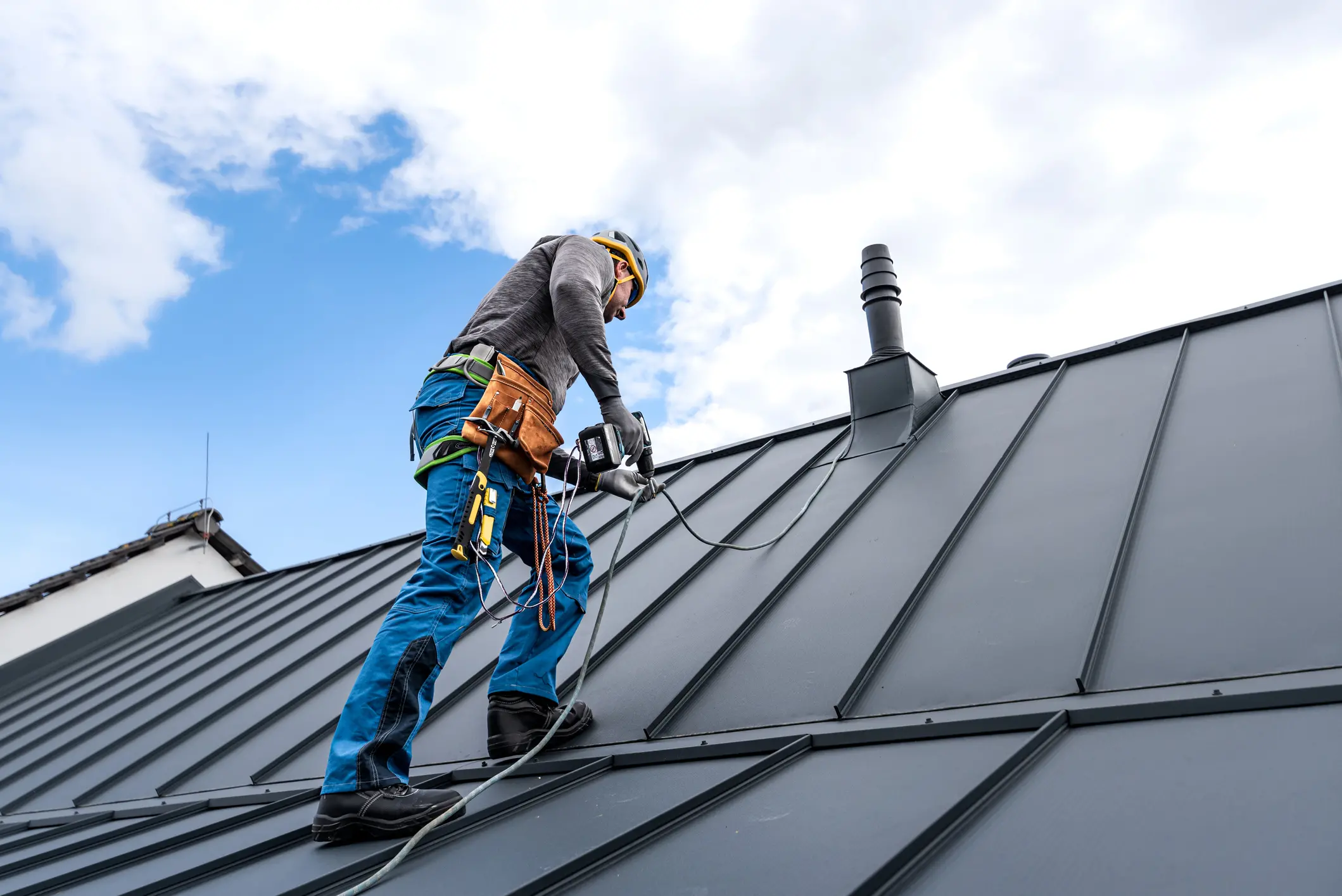
Architectural Sheet Metal in Cheyenne, WY
The first move on Architectural Sheet Metal is separating visible symptoms from the assembly condition below them. We consider Cheyenne Regional Medical Center area offices, Cheyenne Regional Airport facilities, High Plains wind and hail exposure, and Laramie County public buildings before we recommend work.
That keeps the scope tied to the roof that is actually on the building: membrane condition, seams, metal, drainage, rooftop units, access, tenant needs, and timing.
Cheyenne's civic and institutional buildings carry architectural sheet metal that does real work, it is not purely decorative. Cornices on Capitol Avenue limestone buildings, custom coping on the Cheyenne Depot Plaza structures, standing seam dormers on government facilities near F.E. Warren, and large flat-seam panels on financial and municipal buildings all face an environment that tests metal fabrication quality more severely than most inland markets. High plains wind, dramatic temperature swings from -20°F to 90°F, and the mechanical stress of 62.9 inches of annual snowfall make correct alloy selection, joint design, and anchorage engineering non-negotiable.
Wind uplift is the central concern in architectural sheet metal on Cheyenne's exposed buildings. The city sits in open terrain with no mountain or forest buffer against prevailing westerlies. Sustained winds of 30 to 50 mph with gusts exceeding 70 mph during storm events create suction pressures at parapet caps and flat-seam roof fields that are well above what standard small-building sheet metal installation assumes. We engineer perimeter coping and edge metal anchorage to FM Global or ANSI/SPRI ES-1 standards for Cheyenne's wind exposure, with clip spacing and seam lock specifications that account for the actual uplift forces at corner and edge zones.
Flat-seam copper and zinc panels on Cheyenne civic buildings require expansion joint planning that goes beyond mild-climate standards. A zinc panel installed at 20°F and exposed to 90°F summer sun undergoes thermal movement that, over years, will work loose a cleat nailed at standard small-building spacing. We calculate thermal movement across the full temperature range, specify floating cleats with appropriate engagement length, and design seam patterns that allow panel movement without telegraphing to the substrate or cracking the finish. This is especially important on south and west exposures on downtown Cheyenne buildings where direct sun and high-altitude UV intensity compound thermal cycling.
Parapet coping on Cheyenne commercial buildings takes a beating that building owners often underestimate. Snow accumulates against parapets, freeze-thaw cycles work at the coping-to-wall interface, and wind-driven snow finds every imperfect joint. We fabricate coping to SMACNA Low Slope Application standards with concealed splice joints designed for thermal movement, through-wall counterflashing that laps into the roof membrane, and anchor clip spacing calculated for uplift. Where existing coping is failing, we perform a full investigation of the wall substrate before replacing, a failed coping often masks deteriorated cap flashing, loose brick, or failed through-wall waterproofing underneath.
Custom gutters and scuppers on Cheyenne's historic and civic buildings are fabricated to match original profiles whenever the building's character warrants it. We maintain fabrication capability for half-round, ogee, and box gutter profiles in copper, galvanized steel, Galvalume, and pre-painted aluminum. Scupper sizing on Cheyenne buildings is calculated for rapid snowmelt volume, not just design storm rainfall, a spring warm-up can melt several inches of roof snowpack in 24 hours, and an undersized scupper will back up and overflow before the primary drain can handle the load.
Standing seam architectural panels on high-plains-exposed commercial buildings demand a higher clip engagement standard than catalog defaults. We specify heavy-duty floating clips at corner zones and reduce panel width on exposed roof fields to limit the cumulative thermal movement any single panel run must accommodate. Sealant at transition conditions, where standing seam meets a vertical wall, a curb, or a change in pitch, is selected for flexibility at -20°F, because a sealant that cracks at low temperature on a Cheyenne February night will admit snowmelt infiltration before the morning inspection crew arrives.
Valley flashings, transition flashings, and penetration flashings on institutional buildings near F.E. Warren and at Laramie County Community College are often the first elements to fail on aging sheet metal systems. We fabricate replacement flashings to current SMACNA standards with proper pan dimensions, end dams, and counterflashing heights that account for the snow accumulation patterns on those specific buildings. Where the original metal was galvanized steel that has corroded through at the seams, we upgrade to Galvalume or copper rather than repeat the same material in the same configuration.
Architectural sheet metal restoration on Cheyenne's downtown historic buildings is a specialty that requires both fabrication skill and historic preservation sensitivity. Capitol Avenue commercial buildings and structures within the Cheyenne downtown historic district may have character-defining metal cornices, finials, and bay fronts that should be repaired rather than replaced with modern trim coil. We photograph, measure, and replicate profiles in matching or approved substitute materials, coordinating with the State Historic Preservation Office when alterations require review. Our goal is a finished product that is indistinguishable from the original at street level but properly engineered for another 40 years of Wyoming weather.
Questions Owners Ask
Why does coping on our Cheyenne building keep blowing off when it was installed just a few years ago?
Most coping failures in Cheyenne trace back to clip spacing and seam design that was not engineered for high-plains wind uplift. Standard light commercial coping details assume a sheltered exposure. Cheyenne's open terrain and sustained wind speeds create suction forces at parapet edges that will progressively loosen standard cleated coping. Re-installation requires recalculating clip spacing for your specific building's exposure and upgrading to through-fastened or mechanically locked seams at corners and transitions.
What metal is best for architectural sheet metal in Cheyenne's climate?
Galvalume and pre-painted steel are cost-effective and perform well in Cheyenne's dry, high-UV environment. Copper is the premium long-life choice for civic and historic buildings where patina and longevity justify the cost. Zinc is excellent but requires careful thermal movement planning given Cheyenne's temperature range. Bare galvanized steel is the least appropriate, the dry atmosphere and UV intensity accelerate paint and zinc coating degradation. Aluminum is good for lightweight trim applications but has higher thermal expansion than steel, which must be accounted for in long panel runs.
Can you match the profile of original 1920s copper gutters on our downtown building?
Yes. We maintain brake equipment capable of fabricating custom profiles, and we keep reference documentation for historic gutter and cornice profiles common to Cheyenne's late 19th and early 20th century commercial stock. Where original copper is too deteriorated to measure directly, we use photographic analysis and comparison with similar surviving examples. We can also work with your State Historic Preservation Office contact if the building is listed or contributing to a historic district.
How do you prevent ice from backing up under architectural sheet metal flashings in winter?
The primary defense is correct flashing height and lap geometry, counterflashings should lap at least 4 inches over base flashings, and base flashings should extend high enough that snowmelt cannot work behind them before draining. On north-facing and low-slope conditions where ice damming is a recurring problem, we also install heat trace cable in the gutter and at drip edge flashings. Proper drainage slope so water does not sit and freeze overnight is as important as any product specification.
Do architectural sheet metal repairs require a permit in Cheyenne?
Like-for-like repair of existing flashings and coping typically does not require a permit in Cheyenne. However, changes to drainage configuration, structural modifications, or work on listed historic buildings may require review by the City of Cheyenne Building Division or the State Historic Preservation Office. We pull all required permits and handle the submittal process as part of our project scope. It is always better to confirm permit requirements before starting work than to face a stop-work order mid-project.
Related Roof Work
Useful next pages for this roof decision.
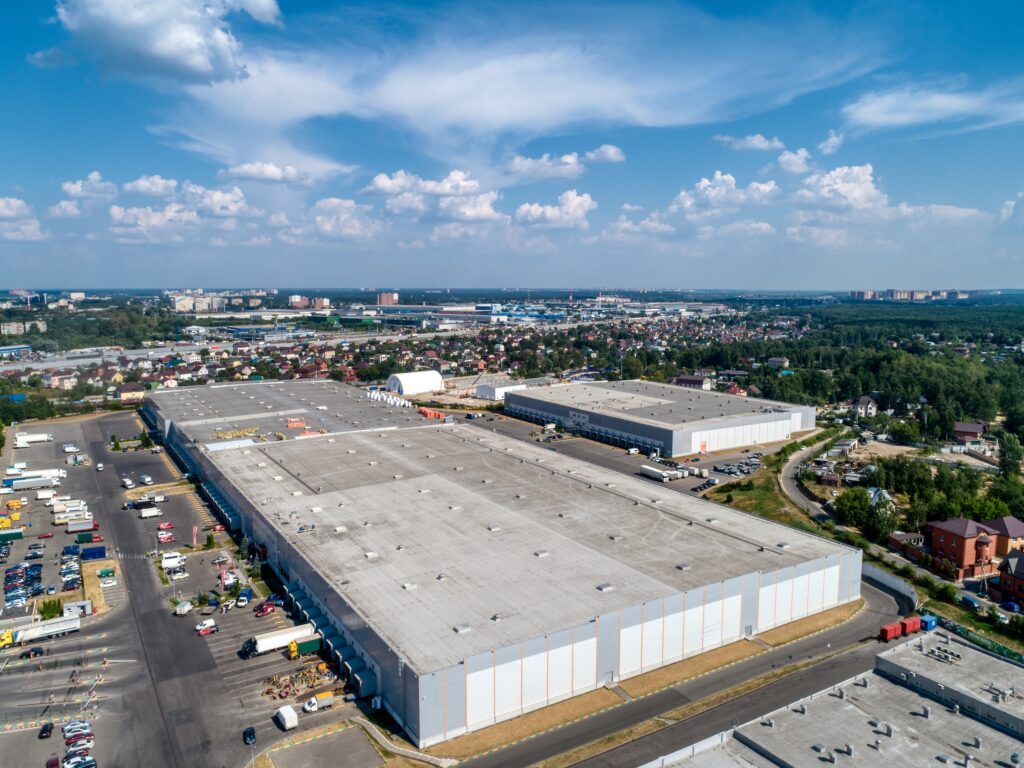
Warehouse and Distribution Center Roofing
Warehouse and Distribution Center Roofing is scoped around the I-25 and I-80 freight interchange, Frontier Mall and nearby service buildings, and snow drift at parapets and rooftop units. The scope stays practical: stop water first, document the roof, then choose the repair or replacement path that fits the building.
View Scope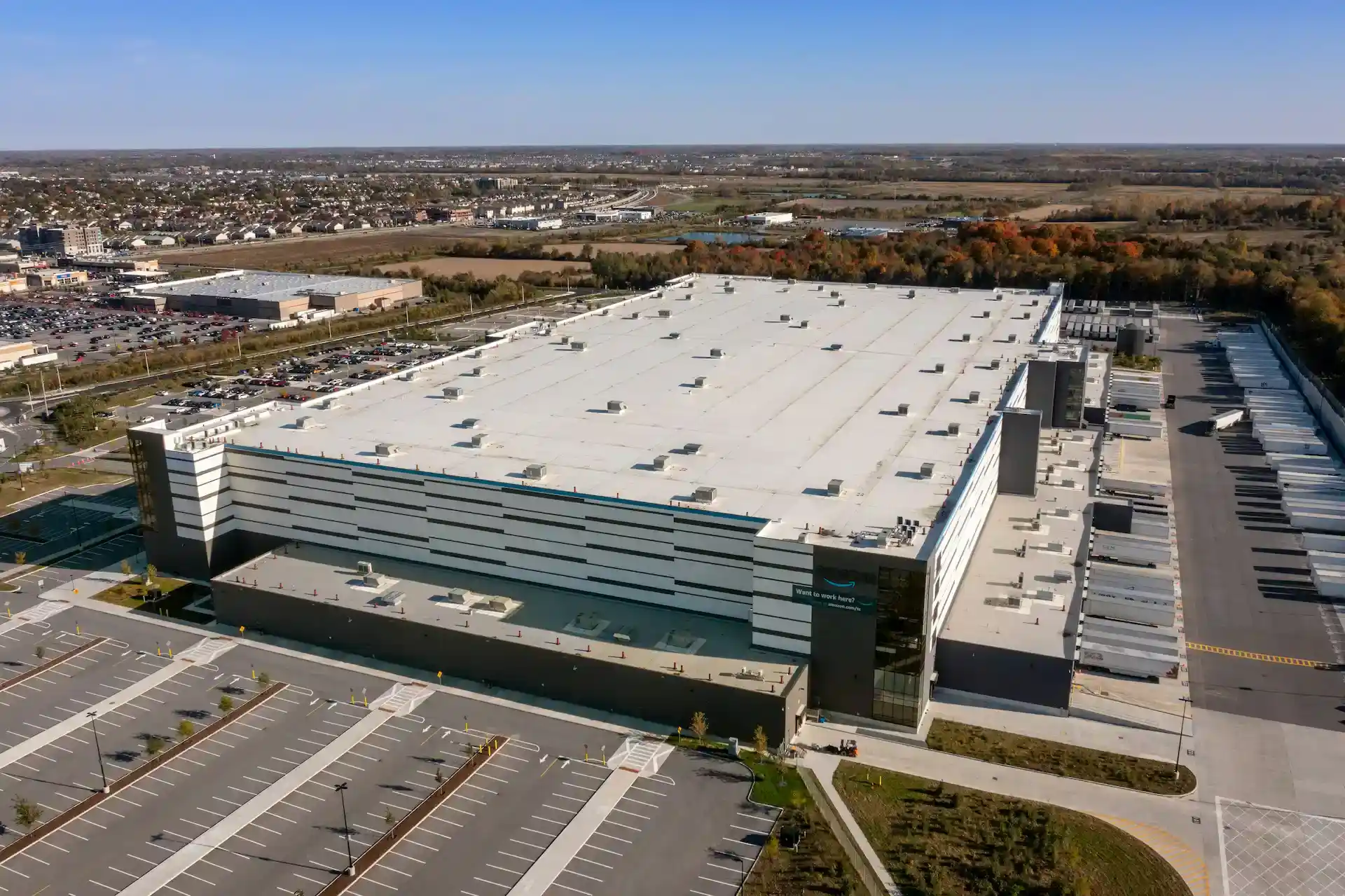
Warehouse Drainage Retrofits
Warehouse Drainage Retrofits is scoped around the I-25 and I-80 freight interchange, Frontier Mall and nearby service buildings, and snow drift at parapets and rooftop units. We keep access, weather windows, and tenant disruption in the plan before crews step onto the roof.
View Scope
Work-Order Dispatch and Tracking
Work-Order Dispatch and Tracking is scoped around Laramie County business parks, Cheyenne Logistics Hub properties, and North Range Business Park warehouses. Every recommendation is tied to observed conditions, not a prewritten roof package.
View ScopeGet the roof decision into writing.
Tell us what changed on the roof, where the building sits, and who needs the report. We will turn the next step into a clear scope.