 Contact Us Now
Work-Order Dispatch and Tracking in Cheyenne, WY
Work-Order Dispatch and Tracking works best when the repair plan, replacement timing, and documentation all point to the same decision. We consider Laramie County business parks, Cheyenne Logistics Hub properties, North Range Business Park warehouses, and the I-25 and I-80 freight interchange before we recommend work.
That keeps the scope tied to the roof that is actually on the building: membrane condition, seams, metal, drainage, rooftop units, access, tenant needs, and timing.
Managing commercial roofing service across a multi-building portfolio in Cheyenne requires more than a phone number and a contractor who shows up when called. Property managers and asset owners responsible for five, ten, or twenty buildings in North Range, Campstool, and the Cheyenne Business Parkway face a coordination challenge that is genuinely complex: multiple buildings with different roof ages and conditions, two critical service windows per year plus unpredictable storm response, a weather calendar that compresses reactive response into the same periods as scheduled maintenance, and a documentation requirement that spans insurance, capital planning, tenant relations, and owner reporting. Work order dispatch and tracking systems purpose-built for commercial roofing portfolio management address this complexity in ways that informal contractor relationships cannot.
A managed work order system for Cheyenne commercial roofing portfolios centralizes all service requests, scheduled maintenance visits, and emergency responses under a single tracked system rather than dispersing them across email threads, phone calls, and individual contractor invoices. Each building in the portfolio has a permanent file within the system that accumulates condition history, service records, photographs, and documentation from every interaction. When a new service request is initiated for a building, whether from a tenant report, a property manager observation, or an automatic trigger from a scheduled maintenance calendar, the responding crew has immediate access to the building's full service history and current condition status before they arrive on site.
Multi-building work order management for Cheyenne Business Parkway and North Range portfolios requires dispatch logic that accounts for geography, urgency, and crew capability simultaneously. An emergency leak call at a North Range warehouse during spring thaw should not displace a scheduled drain cleaning at a Campstool building where the delay would leave drains uncleared for an approaching weather event. Effective dispatch manages the competing demands of reactive and scheduled work across the portfolio, ensuring that emergency responses are handled promptly without systematically sacrificing the scheduled maintenance that prevents the next round of emergencies. This dispatch logic is what distinguishes a managed service from a contractor who simply goes where the phone calls direct them.
Maintenance tracking across a Cheyenne commercial portfolio produces data that building owners and asset managers need for capital planning. When every service event is documented, scheduled inspection, reactive repair, emergency response, drain cleaning, hail damage assessment, the accumulated record shows which buildings are consuming disproportionate maintenance resources, which roofs are approaching replacement territory, and where deferred maintenance has created risk concentrations that should be addressed in the next budget cycle. A property manager who can pull a two-year maintenance history for each building in a portfolio at budget season is in a fundamentally different planning position than one who is working from memory and incomplete records.
Vendor management is a component of work order systems that is relevant for portfolios where specialty work, structural engineering, waterproofing, HVAC-roofing interface work, or historic restoration, requires coordination with trade partners beyond the primary roofing contractor. A managed service tracks these vendor relationships, coordinates access and scheduling with specialty contractors, and documents their work in the same system as primary roofing service. For Cheyenne portfolio managers who also coordinate with general contractors for tenant improvement work that affects rooftop penetrations, this integration prevents the common problem of undocumented penetrations added during tenant improvements that create leak sources not connected to any roofing service record.
Invoice verification is a specific work order system function that has financial value for large portfolio owners. In the absence of a managed system, roofing invoices for a multi-building portfolio are typically verified informally, a property manager checks the invoice against their memory of what was authorized and the work that was reported complete. A managed system provides invoice verification against the documented scope of authorized work, the crew's arrival and departure log, and the post-service condition documentation. Overcharges, duplicate invoicing, and billing for work that was not completed are all caught through systematic invoice-to-work-order reconciliation that informal processes miss.
Cheyenne Business Parkway multi-tenant industrial portfolio programs have specific work order requirements driven by tenant coordination. A building with four tenants in separate bays may have roofing service needs that affect only one bay, and tenant notification, access coordination, and documentation must be handled correctly for each event. A managed work order system maintains tenant contact information, service notification templates, and access coordination logs that ensure tenants are properly informed before service events and that access confirmations are documented. Tenant disputes about roof service, timing, access, billing allocation, are resolved much more cleanly when documentation exists than when they depend on recollections of informal conversations.
Seasonal scheduling integration is a feature that makes managed service programs particularly valuable for Cheyenne portfolios. The system maintains a forward-looking maintenance calendar that shows the full portfolio's scheduled service events for the coming six months, identifies scheduling conflicts between buildings, and generates advance notices to building contacts before each scheduled visit. This calendar integration ensures that fall pre-freeze maintenance visits for all buildings in the portfolio are scheduled and confirmed before October, rather than being compressed into a rushed queue in late October when weather is already threatening. For portfolios of ten or more buildings, manual coordination of seasonal scheduling is genuinely burdensome, systematic calendar management makes it routine.
Reporting to building owners and institutional investors on roofing program performance is a managed service deliverable that sophisticated asset owners increasingly expect. Quarterly and annual reports that summarize maintenance activity, reactive service events, capital expenditures, and forward-looking condition and budget projections are standard outputs of a well-run portfolio roofing program. For Cheyenne commercial assets held by institutional investors or managed by professional property management firms with reporting obligations, these structured reports satisfy disclosure requirements and support asset valuation discussions in ways that informal service relationships cannot. The managed service program that produces consistent, documented, reportable roofing performance data is a meaningful asset management value-add, not just a maintenance convenience.
Questions Owners Ask
What is the minimum portfolio size that benefits from a managed work order system?
Generally, portfolios of three or more commercial buildings in Cheyenne benefit from a structured work order system. Below three buildings, the coordination overhead of a formal system may exceed its value and a well-organized informal tracking approach is adequate. At five or more buildings, particularly with mixed ages, conditions, and tenant situations across North Range, Campstool, and the Business Parkway, the value of systematic dispatch, documentation, and reporting is clear. Large portfolios of ten or more buildings essentially require a managed system to maintain consistent service quality and documentation across all properties simultaneously.
How does a managed work order system handle emergency calls during Cheyenne's spring thaw season?
Emergency calls are logged as priority work orders in the system, triggering immediate dispatch notification and a response timeline commitment based on the emergency type and building criticality. The responding crew sees the building's condition history and current known vulnerabilities before arrival, which speeds accurate leak source identification. After the emergency response, the work order is documented with photographs, a description of conditions found, work performed, and any follow-up requirements, all of which becomes part of the building's permanent record. The system tracks open emergency work orders to ensure follow-up repair commitments are fulfilled, not simply documented and forgotten.
Can the work order system integrate with our property management software?
Integration capability depends on the specific property management platform in use. We can provide service records in standard formats, CSV exports, PDF reports, API connections where supported, that can be imported into most commercial property management systems. For portfolios using major platforms like Yardi, MRI, or AppFolio, we can discuss specific integration options. The minimum requirement is that our system produces complete, formatted documentation that your property management team can incorporate into their records, regardless of whether direct integration is technically feasible.
How are work orders authorized and approved for invoice payment in a managed system?
Work order authorization follows a documented approval chain that you define at program setup. Scheduled maintenance work is pre-authorized under the program contract. Reactive repairs up to a defined dollar threshold can be authorized by the property manager on site without additional approval. Repairs above the threshold require owner or asset manager approval before proceeding, with a documented estimate submitted through the system before work begins. Emergency repairs that cannot wait for formal approval are documented as emergency authorizations with post-event review. This tiered authorization structure balances operational responsiveness with appropriate financial controls for each type of roofing service event.
What documentation does the managed service program provide for insurance and capital planning purposes?
The program produces complete service records for every work order, scheduled and reactive, including pre-service photographs, condition notes, work performed, materials used, and post-service photographs. Annual condition summary reports cover every building in the portfolio with current condition ratings and forward-looking capital needs estimates. Post-hail inspection reports are documented in the same system and formatted for insurance claim submission. Capital budget projections based on documented condition trends are prepared annually for each building and for the portfolio as a whole. This documentation suite addresses insurance, capital planning, asset reporting, and owner communication requirements in a single organized system.
Related Roof Work
Useful next pages for this roof decision.
Commercial Roof Inspection
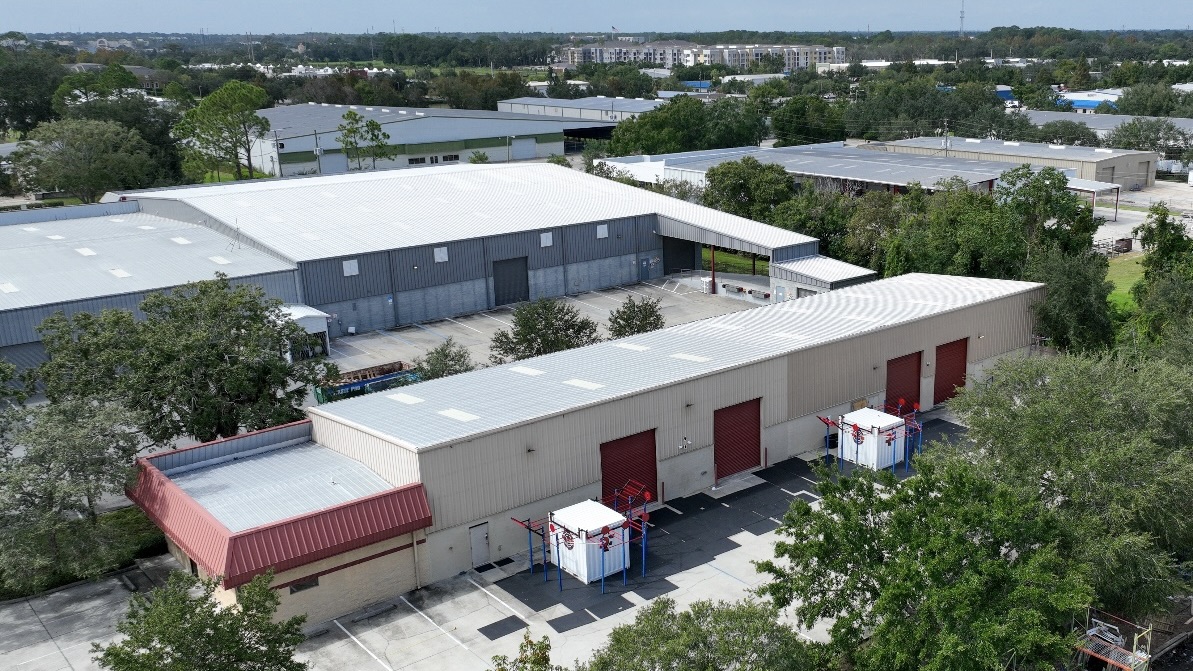
Commercial Roof Inspection is scoped around High Plains wind and hail exposure, Laramie County public buildings, and Dell Range Boulevard retail roofs. The scope stays practical: stop water first, document the roof, then choose the repair or replacement path that fits the building.
View Scope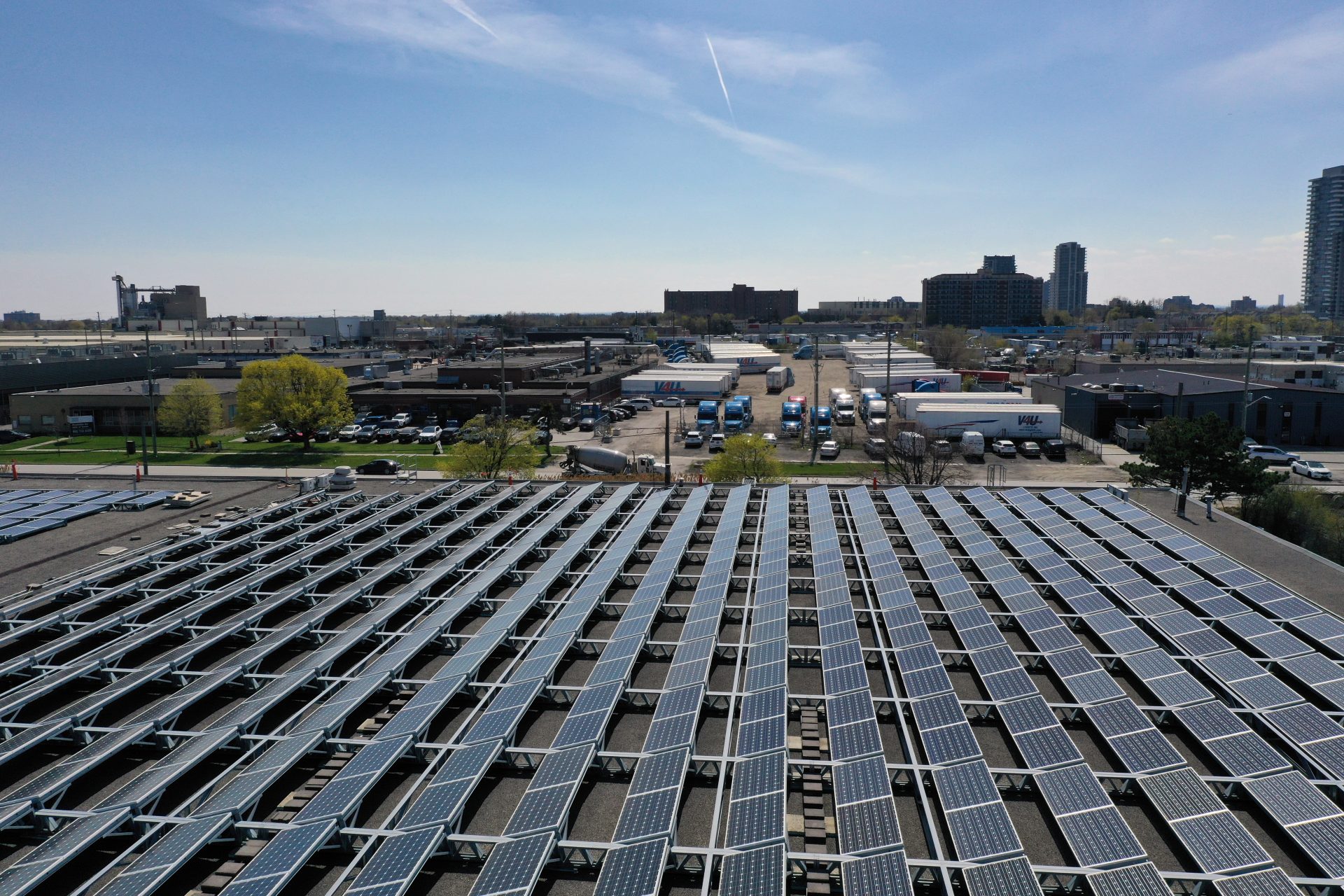
Hail Impact Roof Inspection
Hail Impact Roof Inspection is scoped around Frontier Mall and nearby service buildings, snow drift at parapets and rooftop units, and Capitol Avenue office buildings. We keep access, weather windows, and tenant disruption in the plan before crews step onto the roof.
View Scope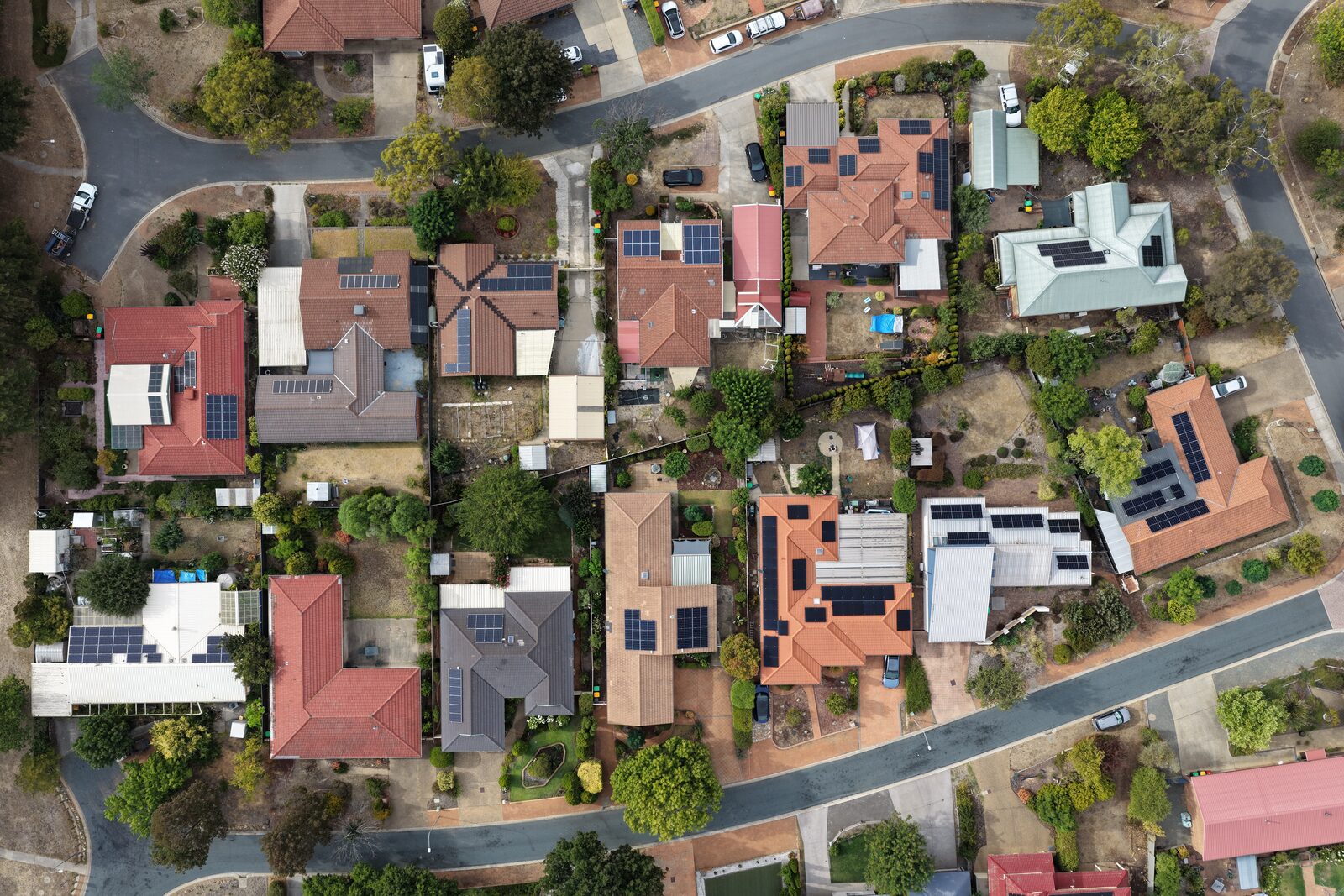
Recurring Roof Inspection Programs
Recurring Roof Inspection Programs is scoped around North Range Business Park warehouses, the I-25 and I-80 freight interchange, and Frontier Mall and nearby service buildings. Every recommendation is tied to observed conditions, not a prewritten roof package.
View ScopeGet the roof decision into writing.
Tell us what changed on the roof, where the building sits, and who needs the report. We will turn the next step into a clear scope.