 Contact Us Now
Recurring Roof Inspection Programs in Cheyenne, WY
A roof scope for Recurring Roof Inspection Programs has to start with what the building is doing today. We consider North Range Business Park warehouses, the I-25 and I-80 freight interchange, Frontier Mall and nearby service buildings, and snow drift at parapets and rooftop units before we recommend work.
That keeps the scope tied to the roof that is actually on the building: membrane condition, seams, metal, drainage, rooftop units, access, tenant needs, and timing.
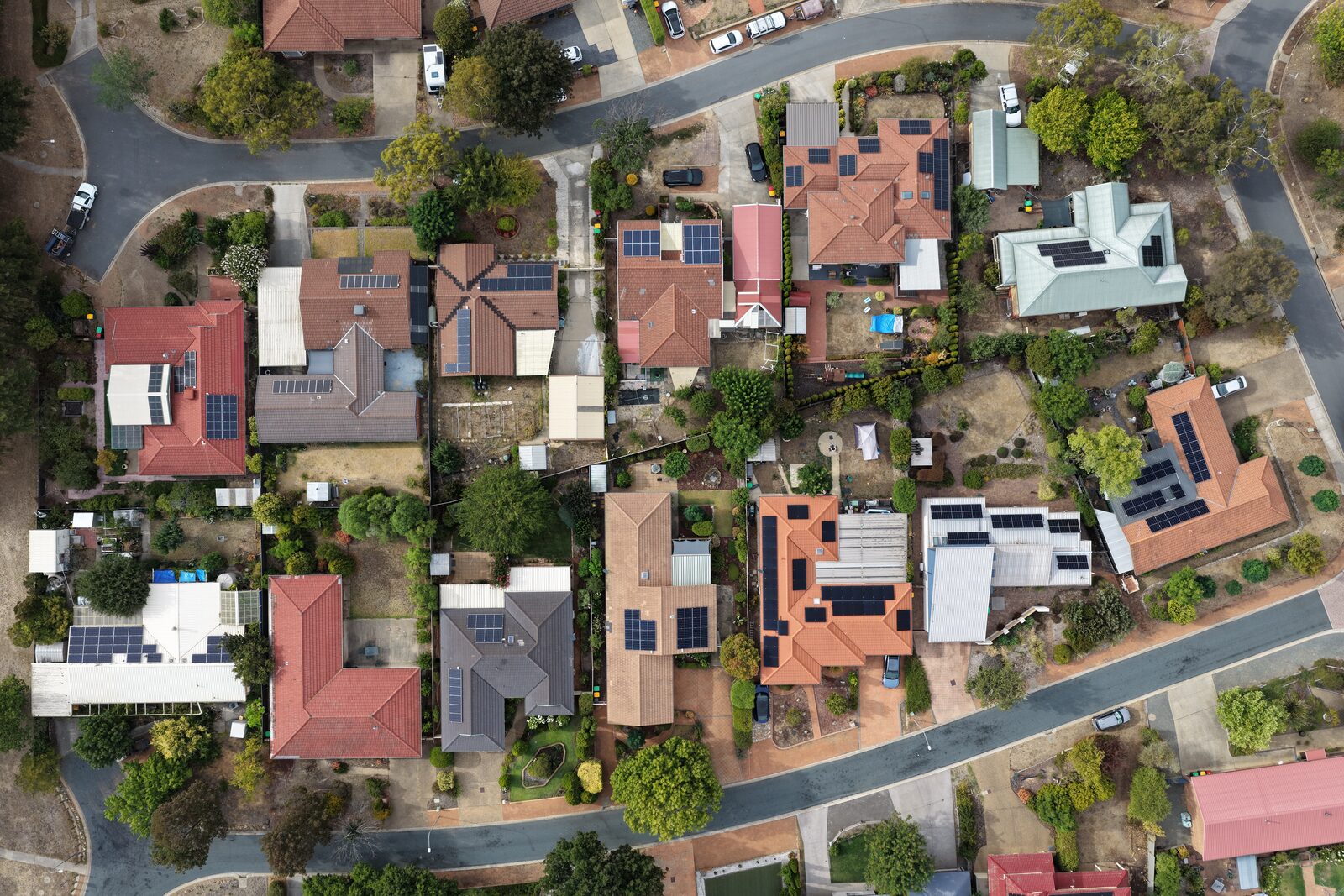
Scheduled inspection programs for Cheyenne commercial buildings convert roof management from a reactive cost center into a planned capital asset. Property owners and managers with multiple buildings in Cheyenne's North Range, Campstool, or Business Parkway zones who manage their roofs reactively, calling a contractor when something leaks, consistently spend more on roofing over a ten-year period than those with scheduled inspection contracts. The difference is that reactive management pays emergency rates for damage that has already progressed, while scheduled inspections find the same conditions when they are still minor repairs rather than major remediation projects.
The structure of a Cheyenne commercial inspection program reflects the climate's two critical maintenance windows. Biannual programs schedule inspections in late April through May and again in September through October, aligning with the post-thaw and pre-freeze windows that define the Cheyenne roofing calendar. Quarterly programs add a mid-summer inspection during peak hail season (June through August) and a mid-winter check in January or February when accessible. The mid-summer visit is particularly valuable for hail event response, a scheduled July inspection will identify hail damage from spring and early summer events while the documentation window for insurance purposes is still open.
The Cheyenne commercial inspection checklist covers twelve core categories tailored to Wyoming climate conditions. Membrane condition includes surface assessment for UV degradation, thermal shrinkage cracking, hail bruising, and seam integrity. Flashing condition covers base flashing, counter flashing, pipe boot flashings, and reglet terminations at all wall penetrations. Edge metal covers fascia, coping, and gravel stop for wind damage and sealant condition. Drainage covers all primary and overflow drains, scuppers, gutters, and downspouts for blockage and physical damage. Insulation condition is assessed where core cuts or existing damage areas allow inspection. Penetration condition covers all roof penetrations for flashing integrity and sealant condition. Structural indicators include any visible deck deflection, ponding water locations, and parapet condition. Each category is rated on a standardized scale and photographed.
Documentation format is a critical element of inspection program value. Each inspection produces a written report with date-stamped, GPS-tagged photographs organized by roof section, a condition rating for each inspection category, a list of recommended repairs prioritized by urgency, and a comparison to the previous inspection report that identifies new conditions and tracks the progression of known issues. This comparison function, what changed since the last inspection, is one of the most valuable outputs of a recurring program and cannot be produced by a one-time inspection. Knowing that a flashing separation that was two inches wide in October is now four inches wide in April tells you exactly what that condition is doing and what it will do if left unaddressed for another winter.
For Cheyenne Business Parkway portfolio programs covering multiple buildings under single management, we structure the inspection program with a master dashboard that shows condition status across the entire portfolio. Property managers can see at a glance which buildings have urgent repair needs, which are in good condition, and which are approaching replacement-budget territory. This portfolio-level visibility is essential for annual capital budget planning, a property manager who knows in October that two of their six buildings have conditions likely to require attention by spring can budget and schedule accordingly, rather than receiving surprise emergency calls in March.
Inspection program contracts specify response time commitments that go beyond the scheduled visits. Most programs include a post-hail inspection response, typically within 72 hours of a significant hail event, and a priority response for leak emergencies. These response commitments are embedded in the contract rather than negotiated separately for each event, which means program customers are not competing with the general market for contractor attention after a major storm. During Cheyenne's post-hail periods when roofing crews are stretched across multiple storm-affected buildings, having a priority response commitment in writing is a material advantage.
The frequency question, biannual versus quarterly, depends on building age, membrane condition, operational sensitivity, and ownership risk tolerance. A newer building with a current-generation membrane and good drainage in a light industrial use is a reasonable biannual program candidate. A fifteen-year-old building with known drainage issues, a food service or healthcare occupant, and an owner who values early warning over cost minimization is a quarterly candidate. We help building owners select program frequency based on an initial baseline inspection that establishes current condition and identifies the building's specific vulnerability profile.
Inspection programs for institutional facilities in Cheyenne, Cheyenne Regional Medical Center, Laramie County Community College, Cheyenne Regional Airport, operate under procurement and access protocols that differ from private commercial programs. Institutional programs typically require formal RFP processes, insurance documentation, and performance bond requirements. They also involve larger building portfolios with more complex scheduling requirements. We have experience with institutional procurement processes and can provide the documentation, certifications, and compliance materials that institutional facilities programs require. Institutional owners benefit from the same inspection program structure as private commercial owners, they simply have a more formal procurement path to get there.
Long-term inspection program relationships produce an increasingly valuable asset over time: a documented condition history for every building in the portfolio. After five years of biannual inspections, the condition history for a North Range warehouse shows exactly how its membrane has aged, which areas have required repeat repairs, and how drainage performance has changed as drains have been maintained or neglected. This history supports capital planning decisions with actual data rather than general age-based assumptions, and it provides defensible documentation if a roofing system fails and a warranty or contractor liability question arises. The inspection program pays for itself many times over in the quality of the capital planning decisions it enables.
Questions Owners Ask
What is included in a standard biannual inspection program for a Cheyenne commercial building?
Two scheduled inspections per year, spring and fall, each producing a written report with photographs, condition ratings by category, a prioritized repair list, and comparison to the prior inspection. Program contracts also include priority response for leak emergencies and post-hail inspection response within 72 hours of a significant event. Minor sealant repairs identified during inspections can be included in the program scope or quoted separately depending on program structure. We customize program scope to each building owner's preferences and building characteristics.
How is a recurring inspection program different from just calling a roofer when something goes wrong?
A reactive approach pays premium rates for emergency service, addresses damage after it has progressed, and has no documented history to support capital planning or insurance claims. A recurring program pays scheduled rates, finds conditions when they are minor repairs, produces documented history that supports capital planning and claims, and includes priority emergency response already covered under the program fee. Over a ten-year period, buildings on recurring programs consistently have lower total roofing costs and longer membrane service lives than comparable buildings managed reactively.
Can I enroll multiple Cheyenne buildings in a single portfolio program?
Yes, and portfolio programs are the preferred structure for owners managing multiple buildings. Portfolio pricing provides better per-building rates than individual building contracts, and the portfolio dashboard gives property managers a single view of condition status across all buildings. We currently manage portfolio programs covering buildings in North Range, Campstool, Cheyenne Business Parkway, and downtown Cheyenne. Portfolio programs are structured with a master contract covering all buildings and individual building schedules that coordinate around access and operational requirements.
What triggers a post-hail inspection under an inspection program contract?
We monitor weather reports and local storm damage reports for the Cheyenne area. When a storm producing significant hail is confirmed in Laramie County, typically stones three-quarters of an inch or larger, we contact all program customers in the affected area to schedule post-hail inspections. Customers can also trigger a post-hail response by reporting visible storm damage or requesting an inspection after a storm they are aware of. Post-hail inspections are included in program fees and are not billed as separate service calls.
How long does a typical inspection take on a Cheyenne commercial building?
For a single-story commercial building of 10,000 to 30,000 square feet, a thorough inspection including all twelve checklist categories, photography, and on-site notation takes two to three hours. Large industrial buildings over 50,000 square feet require four to six hours for a complete inspection. We schedule inspection visits with adequate time blocks and do not rush inspections to fit more buildings into a day, a rushed inspection that misses developing conditions is not worth the program fee.
Related Roof Work
Useful next pages for this roof decision.
Auto Dealership Roofing
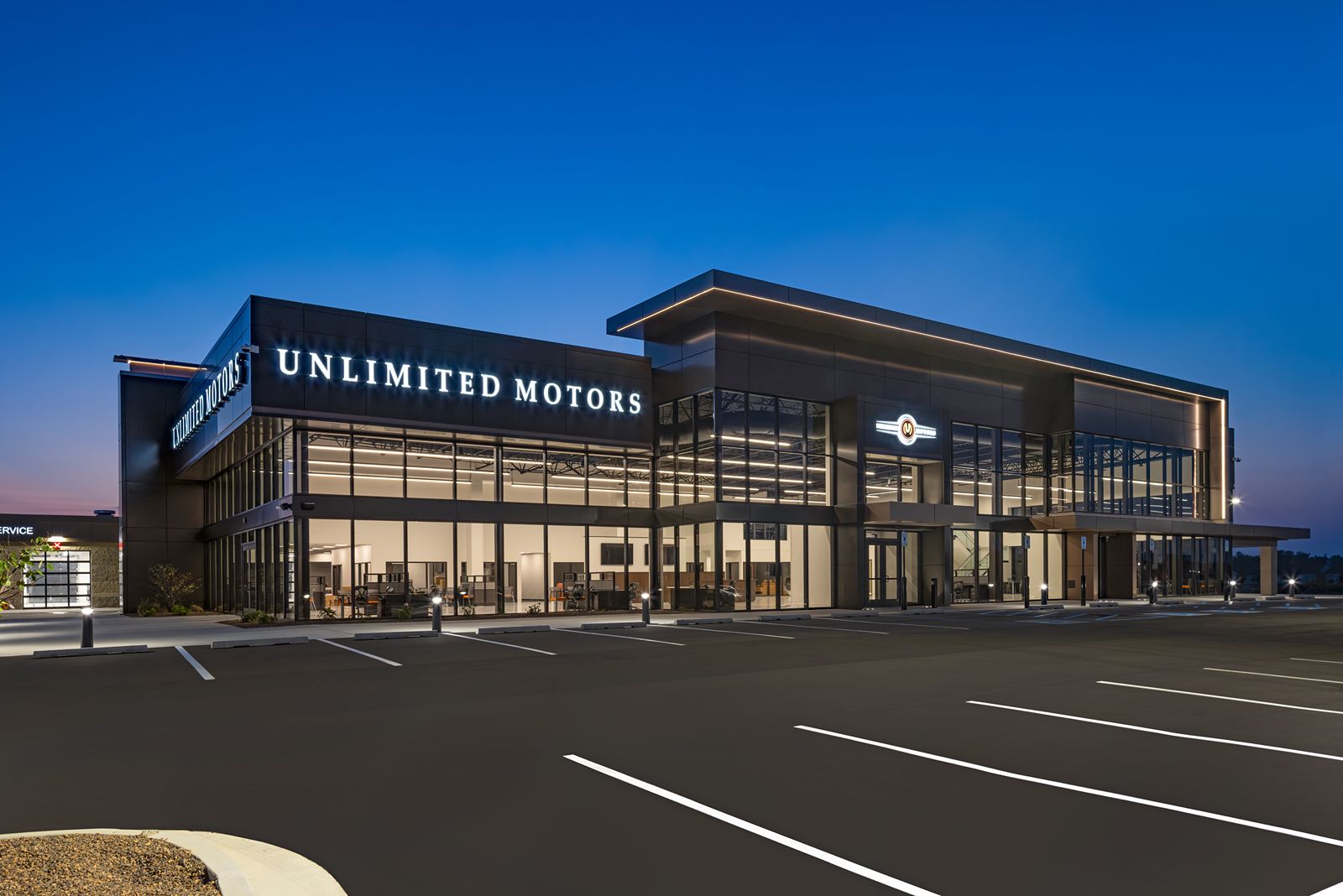
Auto Dealership Roofing is scoped around snow drift at parapets and rooftop units, Capitol Avenue office buildings, and F.E. Warren Air Force Base area contractors. The scope stays practical: stop water first, document the roof, then choose the repair or replacement path that fits the building.
View Scope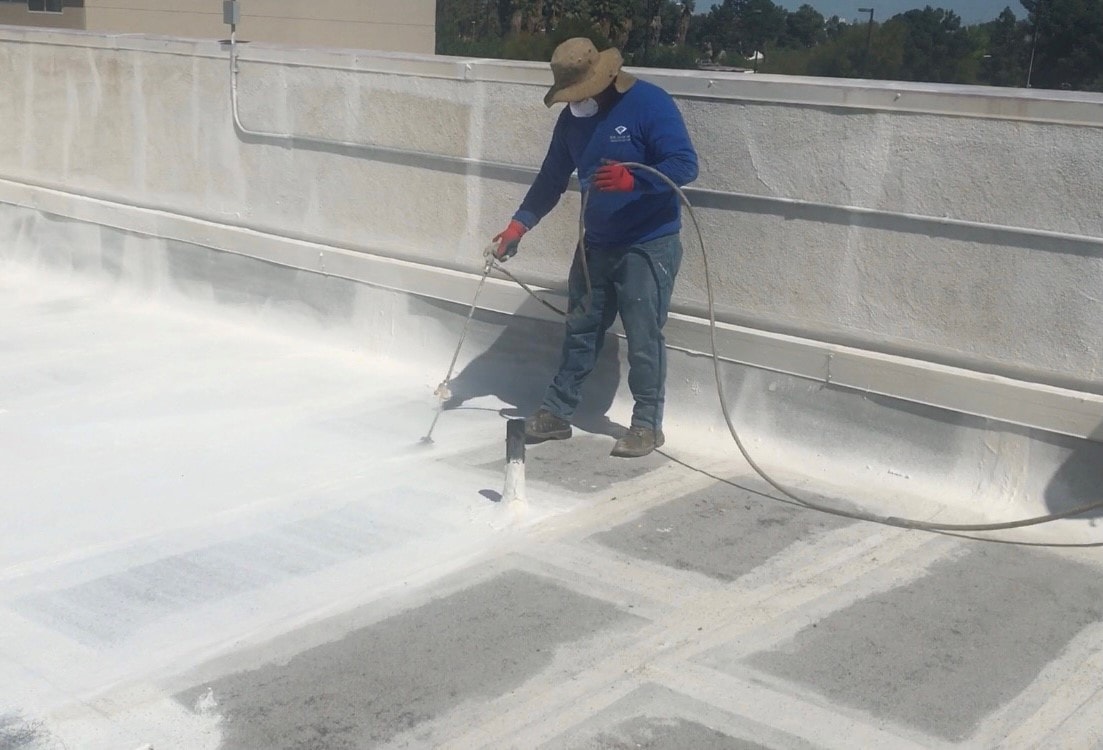
Building Envelope Waterproofing
Building Envelope Waterproofing is scoped around Capitol Avenue office buildings, F.E. Warren Air Force Base area contractors, and freeze-thaw cycles after spring storms. We keep access, weather windows, and tenant disruption in the plan before crews step onto the roof.
View Scope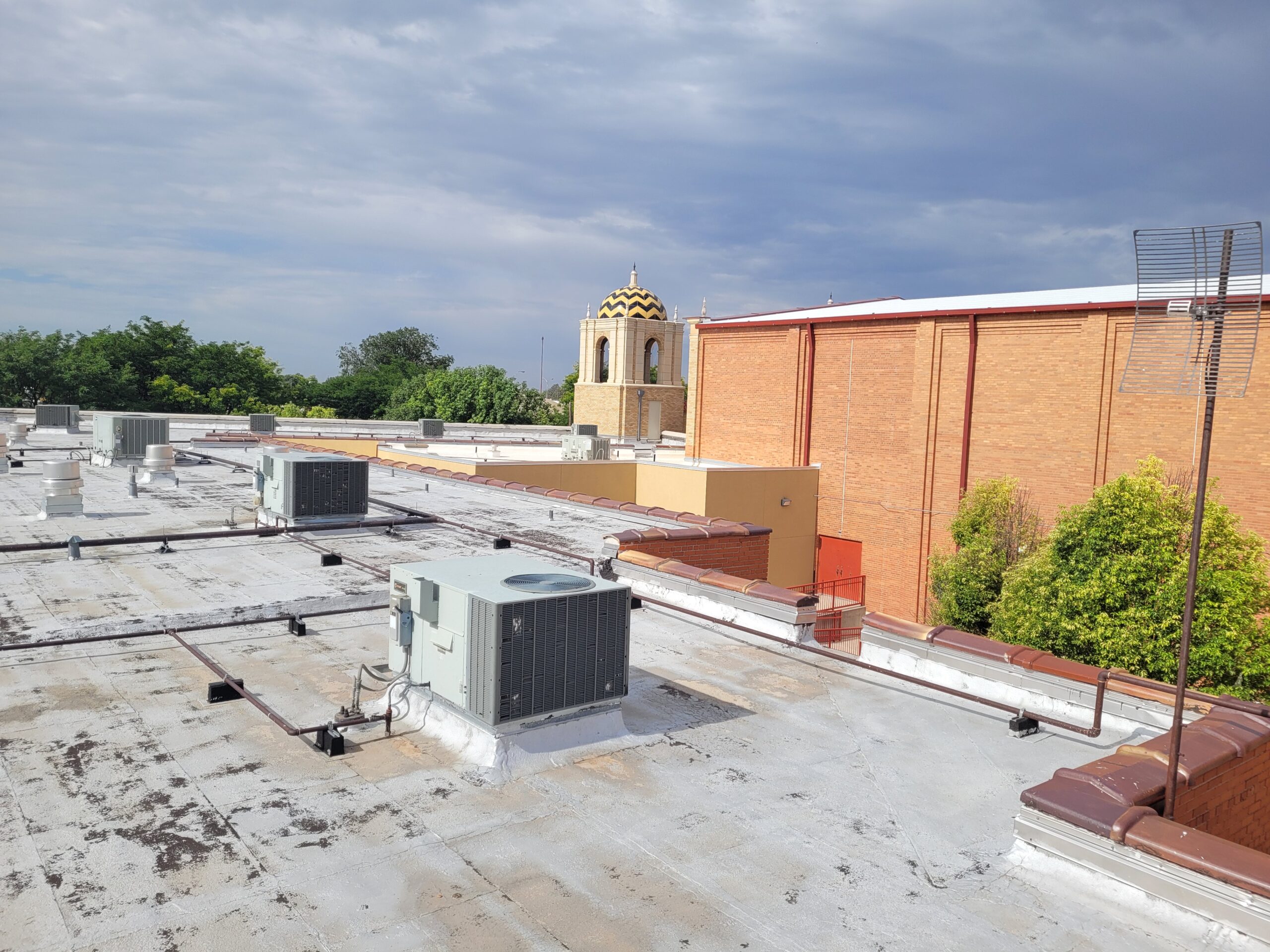
CAPEX Roof Planning
CAPEX Roof Planning is scoped around Capitol Avenue office buildings, F.E. Warren Air Force Base area contractors, and freeze-thaw cycles after spring storms. Every recommendation is tied to observed conditions, not a prewritten roof package.
View ScopeGet the roof decision into writing.
Tell us what changed on the roof, where the building sits, and who needs the report. We will turn the next step into a clear scope.