 Contact Us Now
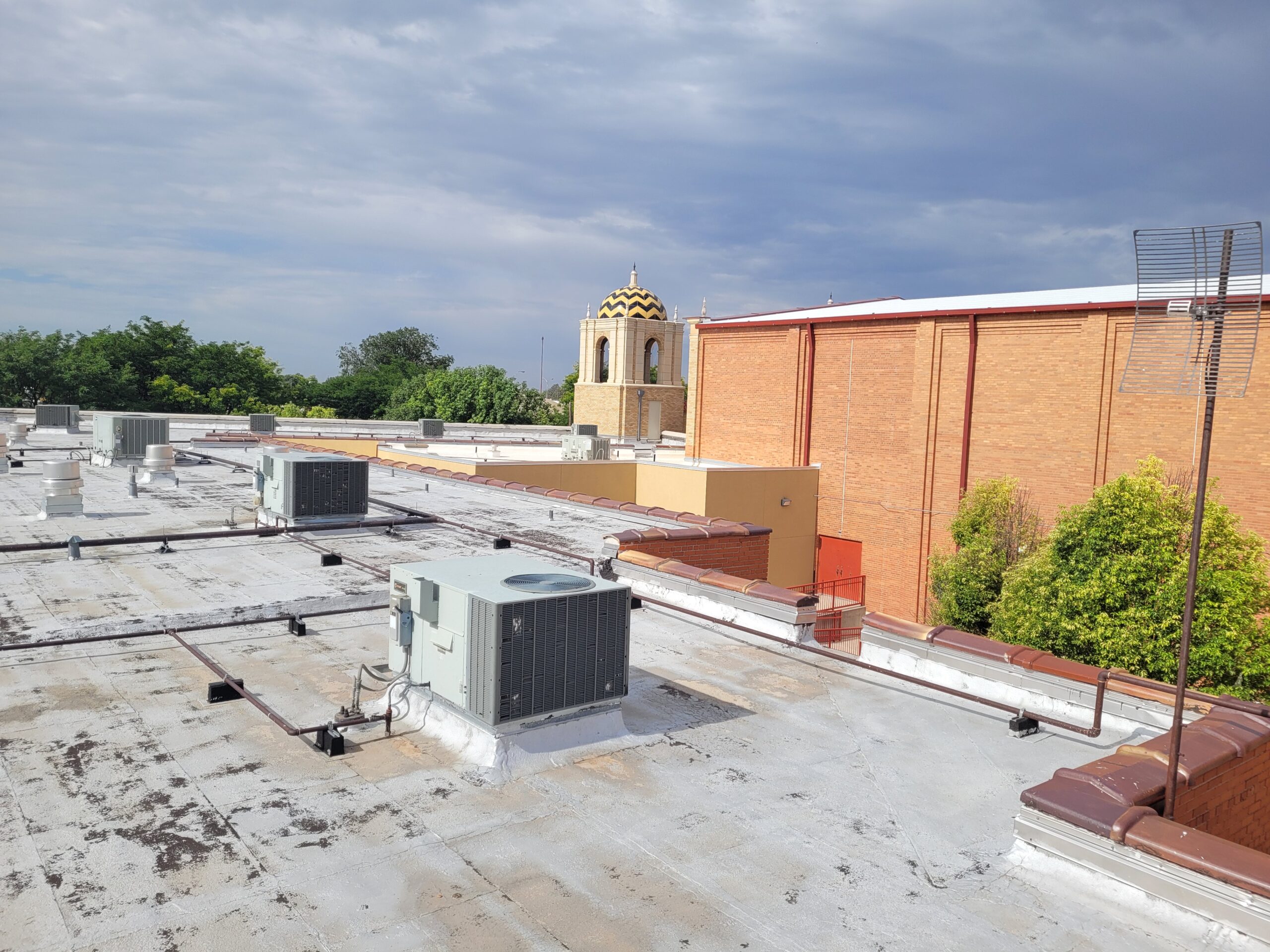
CAPEX Roof Planning in Cheyenne, WY
CAPEX Roof Planning works best when the repair plan, replacement timing, and documentation all point to the same decision. We consider Capitol Avenue office buildings, F.E. Warren Air Force Base area contractors, freeze-thaw cycles after spring storms, and Cheyenne Regional Medical Center area offices before we recommend work.
That keeps the scope tied to the roof that is actually on the building: membrane condition, seams, metal, drainage, rooftop units, access, tenant needs, and timing.
Capital planning for commercial roofing in Cheyenne is a discipline that rewards specificity. Property managers overseeing portfolios at Cheyenne Business Parkway, North Range Business Park, Campstool Business Park, or Bison Business Park are not managing abstract square footage, they are managing specific membrane systems installed in specific years on buildings with specific exposure conditions. A 5-to-10-year replacement schedule built on actual condition data rather than rule-of-thumb age estimates will consistently save money and prevent the budget disruptions that come from emergency replacements that were not planned for.
The starting point for any credible CapEx roof plan in Cheyenne is a condition assessment that accounts for Wyoming's specific failure modes. A roof that looks serviceable to a cursory inspection may have significant freeze-thaw damage at laps and flashings, undetected moisture in the insulation from snowmelt infiltration, or fastener back-out from thermal cycling that only shows up under infrared scanning or pull testing. Conversely, a roof that looks rough may have another eight years of life with targeted repairs. We do not produce CapEx numbers from visual walkovers alone, we use infrared thermography, core samples, and pull testing to anchor the condition data that drives the financial model.
Cheyenne's weather calendar creates a compressed replacement window that directly affects CapEx scheduling logic. Membrane installation requires ambient and substrate temperatures above 40°F for most adhesive and heat-welded systems. In Cheyenne, that window opens in late April or May and closes in October. Projects that miss the late-summer scheduling window face either a winter delay (accepting another season of risk on a degraded roof) or a premium for accelerated fall scheduling. A 5-year CapEx plan that ignores the seasonal capacity constraint will produce unrealistic timelines and cost overruns when multiple buildings in a portfolio are scheduled for the same year.
Multi-building portfolio planning at Cheyenne Business Parkway and North Range Business Park requires a triage logic that prioritizes by risk, not just age. Buildings housing sensitive equipment, finished interior spaces, or high-value inventory are prioritized over shell warehouses where a roof that allows incidental infiltration can be managed with temporary protection. Buildings with active moisture in the insulation assembly are prioritized over buildings with surface degradation only, wet insulation does not self-dry in Cheyenne's climate and will continue to degrade the deck and reduce thermal performance with each freeze-thaw cycle it endures.
Reserve study support is a service we provide to property owners, lenders, and HOA managers who need a defensible financial projection for roof capital expenditures. Our reserve study component includes remaining useful life estimates by section, projected replacement cost in current dollars, a recommended annual reserve contribution, and an inflation factor for materials and labor in the Wyoming construction market. For commercial real estate transactions, this document often forms part of the due diligence package and influences purchase price negotiations when significant capital needs are identified.
Phased replacement planning is often the right strategy for large flat-roof buildings in the Cheyenne logistics corridor. A 200,000-square-foot distribution facility with an aging built-up roof is not always a single-year replacement project. We can design a phased approach that addresses the highest-risk sections first, typically the oldest portions of the roof, areas around mechanical penetrations, and sections with documented moisture, while deferring lower-risk sections to subsequent budget years. Each phase is completed as a watertight unit so the building is never left in a partially replaced condition through a Cheyenne winter.
Energy performance is a secondary but real component of CapEx planning in Cheyenne. Insulation values in older built-up and modified bitumen roofs are often far below current energy code minimums for the Cheyenne climate zone. A reroofing project that brings insulation to current R-value requirements is partly an energy investment that generates measurable heating cost reduction. For natural gas-heated warehouse buildings in the Cheyenne logistics parks, the payback on added insulation is shorter than it would be in milder climates because heating loads are substantial. We can model the energy delta as part of the CapEx planning document.
Coordination with Cheyenne's construction permit timeline is a practical CapEx planning input that many property managers overlook. The City of Cheyenne Building Division has standard permit review timelines, and projects with structural or drainage modifications may require engineer-stamped drawings that add lead time before a permit is issued. Building this lead time into the CapEx schedule, typically 4 to 8 weeks for commercial roofing permits with engineering, prevents the scenario where a budget is approved, a contractor is under contract, but work cannot start because permitting is delayed.
Questions Owners Ask
How far in advance should we start planning a large roof replacement in Cheyenne?
For a replacement project over 20,000 square feet, we recommend beginning the planning process 12 to 18 months before the target construction window. This allows time for a thorough condition assessment, system specification, permit submittal and review, contractor selection, and material lead times, which for some specialty membranes and insulation products can run 8 to 16 weeks. Starting in the fall for the following summer construction season is the most reliable cadence for Cheyenne's compressed installation window.
What does a CapEx roof report cost, and what does it include?
Our CapEx roof assessment reports are scoped to the building or portfolio size. A single building assessment typically includes an infrared scan, core samples for moisture and insulation R-value verification, a written condition report with photographic documentation, a remaining useful life estimate by roof section, a projected replacement cost in current dollars with a 5-year escalation factor, and a recommended phasing sequence. Portfolio assessments for multi-building parks are priced at a per-building rate with a volume discount. Contact us for a scoped proposal specific to your portfolio.
Can a CapEx plan help us with lender or investor reporting?
Yes. Many commercial lenders and equity investors require a third-party roof condition report and remaining useful life estimate as part of their underwriting. Our reports are formatted to support reserve study integration and can be updated annually as conditions change. If you are refinancing or recapitalizing a Cheyenne commercial property, providing a current CapEx roof assessment demonstrates proactive asset management and can support your reserve contribution arguments with the lender.
What happens if a roof we planned to replace in year 4 starts leaking in year 2?
A well-structured CapEx plan includes a maintenance and repair budget for each roof in the portfolio, not just a replacement timeline. We recommend setting aside a per-square-foot annual repair budget for roofs in the deferred replacement queue so that reactive repairs can be addressed without raiding the replacement reserve. If a deferred roof deteriorates faster than projected, we update the assessment and revise the replacement priority. The plan is a living document, not a static forecast.
Do you work with property managers at Cheyenne Business Parkway and similar parks on ongoing portfolio management?
Yes. We work with property managers, asset managers, and building owners across Cheyenne's commercial parks on recurring annual inspection programs, condition updates, and replacement project execution. We can serve as the roofing advisor for a portfolio, providing consistent assessment methodology, repair versus replace recommendations, and project management for approved replacements. Continuity matters, a contractor who has inspected a roof three years running has far more useful context for a replacement recommendation than one seeing it for the first time.
Related Roof Work
Useful next pages for this roof decision.
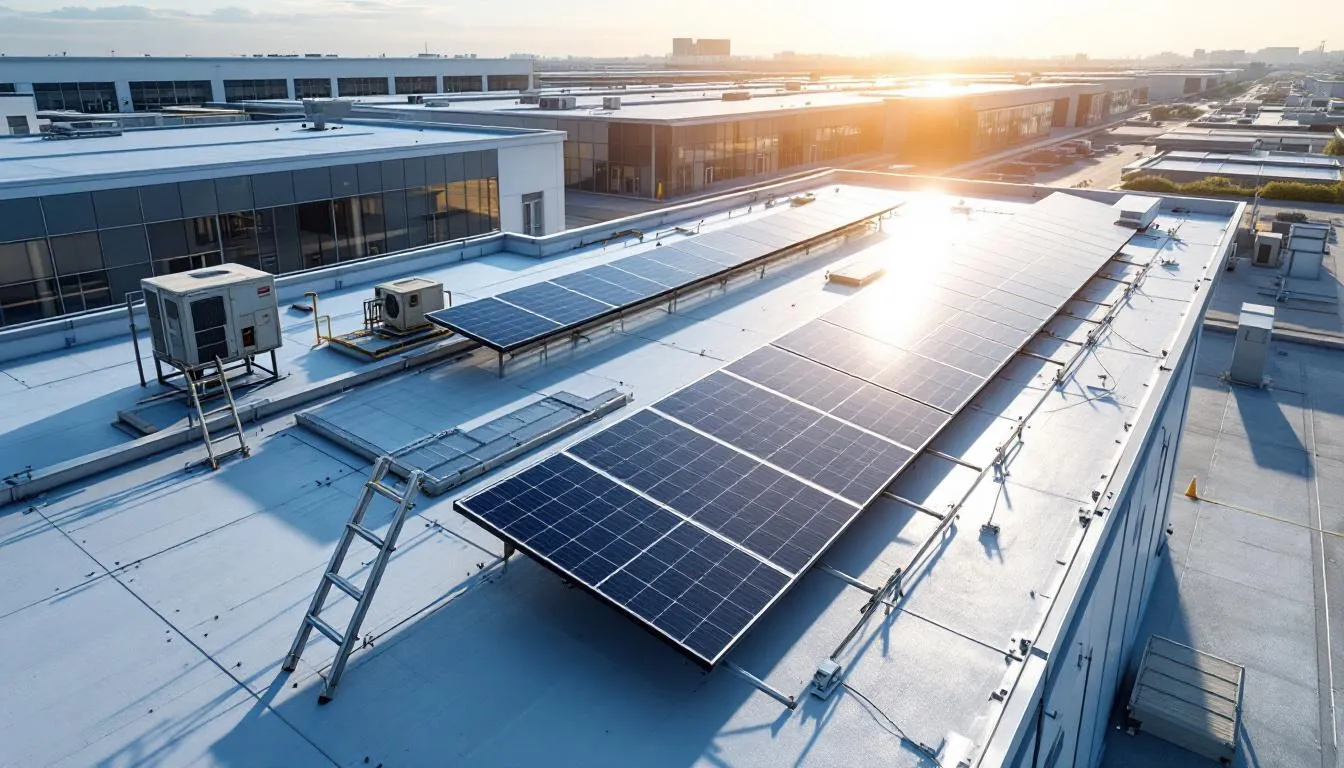
Industrial Rail Park Roofing
Industrial Rail Park Roofing is scoped around Cheyenne Logistics Hub properties, North Range Business Park warehouses, and the I-25 and I-80 freight interchange. The scope stays practical: stop water first, document the roof, then choose the repair or replacement path that fits the building.
View Scope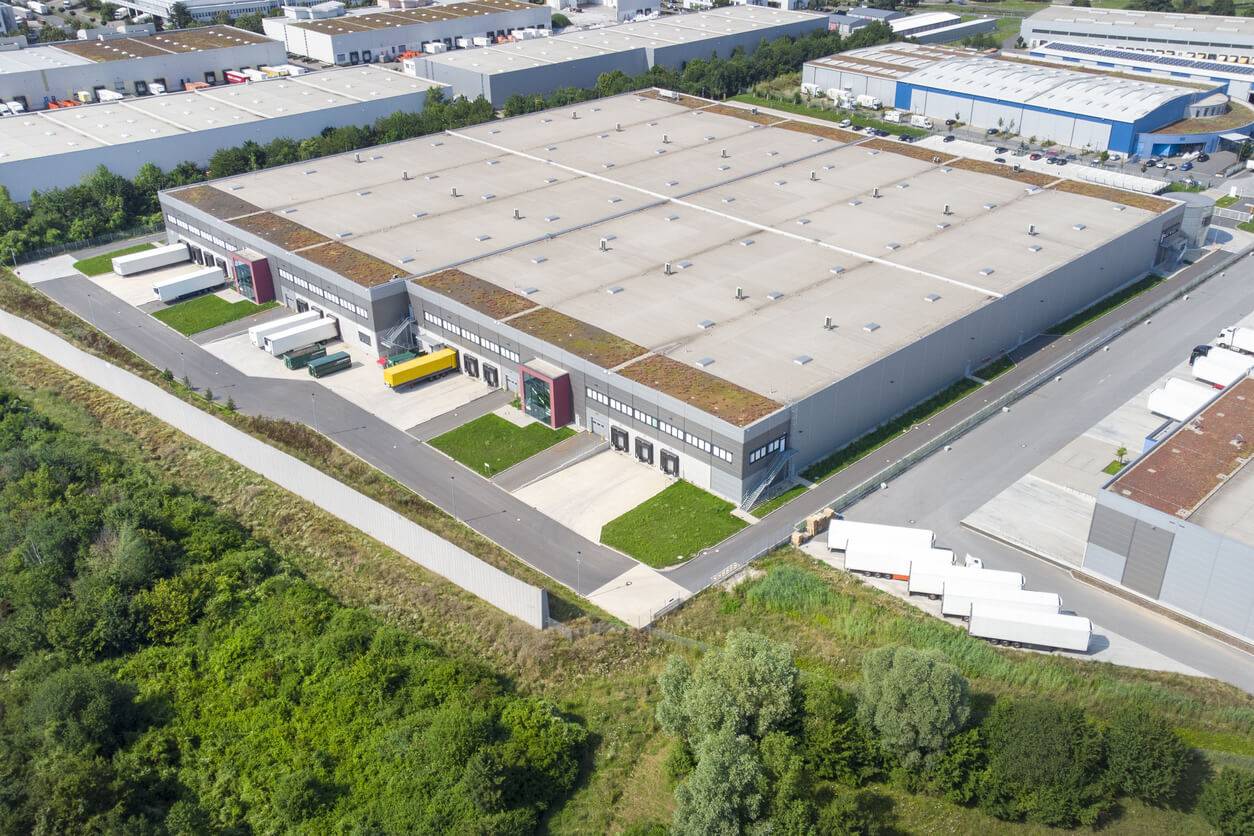
Industrial Roofing
Industrial Roofing is scoped around snow drift at parapets and rooftop units, Capitol Avenue office buildings, and F.E. Warren Air Force Base area contractors. We keep access, weather windows, and tenant disruption in the plan before crews step onto the roof.
View Scope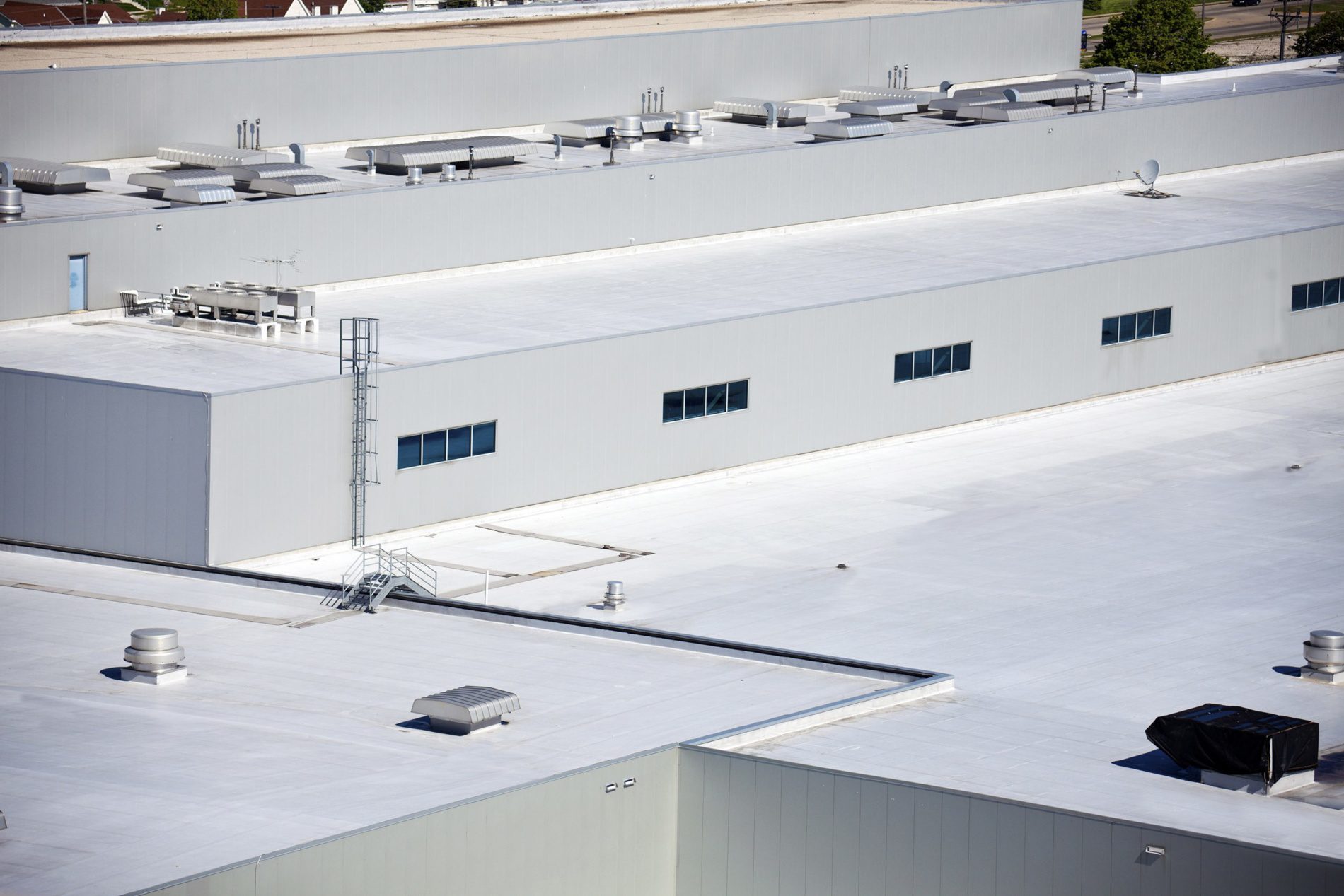
Manufacturing Facility Roofing
Manufacturing Facility Roofing is scoped around Dell Range Boulevard retail roofs, Lincolnway corridor storefronts, and South Cheyenne industrial sites. Every recommendation is tied to observed conditions, not a prewritten roof package.
View ScopeGet the roof decision into writing.
Tell us what changed on the roof, where the building sits, and who needs the report. We will turn the next step into a clear scope.