 Contact Us Now
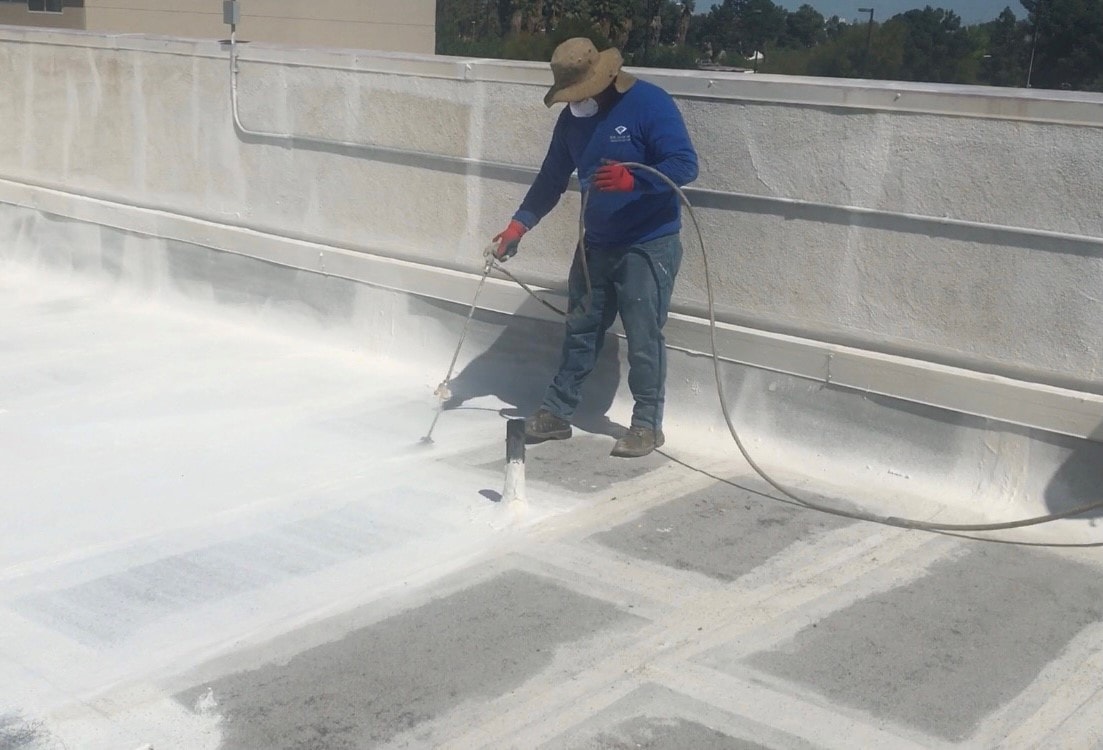
Building Envelope Waterproofing in Cheyenne, WY
Building Envelope Waterproofing works best when the repair plan, replacement timing, and documentation all point to the same decision. We consider Capitol Avenue office buildings, F.E. Warren Air Force Base area contractors, freeze-thaw cycles after spring storms, and Cheyenne Regional Medical Center area offices before we recommend work.
That keeps the scope tied to the roof that is actually on the building: membrane condition, seams, metal, drainage, rooftop units, access, tenant needs, and timing.
Cheyenne's freeze-thaw cycle is not a seasonal curiosity, it is an engineering load case that determines whether a below-grade waterproofing system survives a decade or fails in three years. With 170.4 days per year where overnight lows drop below freezing, and spring snowmelt delivering significant hydrostatic pressure against foundation walls just as the ground is thawing, below-grade and plaza deck waterproofing in southeast Wyoming demands materials and details that can accommodate repeated volume change in the adjacent soil and drainage layer without cracking or delaminating.
Hydrostatic pressure from spring snowmelt is the primary load event for Cheyenne below-grade waterproofing. When 60-plus inches of accumulated snowpack begins melting in March and April, often accelerated by warm rain events, the soil adjacent to foundation walls becomes saturated faster than it can drain. Buildings with inadequate drainage composite or failed foundation drains will see hydrostatic heads of several feet pushing against the waterproofing membrane. Systems specified for damp-proofing conditions rather than hydrostatic conditions will allow water infiltration under this pressure, and interior flooding can follow within 24 to 48 hours of a significant melt event.
Below-grade waterproofing system selection must account for ground temperature extremes. Cheyenne's soil temperatures drop well below 32°F during extended cold snaps, and a waterproofing membrane or coating that becomes brittle at low temperature is a liability in this market. We specify self-adhered sheet membranes, bentonite composite systems, or high-build liquid-applied systems specifically rated for cold-temperature flexibility and adhesion. Crystalline waterproofing additives are an effective supplemental strategy for concrete that must perform in positive and negative hydrostatic pressure conditions, which is the case for many Cheyenne below-grade structures.
Plaza decks over occupied below-grade spaces, parking structures, retail lower levels, mechanical rooms, carry a layered waterproofing assembly that must perform under traffic loading, freeze-thaw cycling in the wearing surface, and the thermal movement of the structural deck. Cheyenne's temperature range from -20°F to 90°F produces substantial concrete deck movement that will bridge and crack a rigid waterproofing coating applied without proper detailing at drains, curbs, and expansion joints. We design plaza deck systems with a hot-applied rubberized asphalt or reinforced liquid-applied membrane over a prepared concrete substrate, protection board, drainage composite, and a wearing surface selected for Cheyenne's freeze-thaw durability.
Drainage composite selection is critical in Cheyenne's climate. Soil adjacent to a below-grade wall must be able to drain the spring snowmelt load quickly enough to prevent sustained hydrostatic pressure buildup. We specify drainage composite with hydraulic flow rates appropriate for the anticipated melt volumes, paired with a properly sized perimeter drain at the footing level that daylight to a point where it will not freeze over during the drainage event. A drain outlet that freezes solid during a February cold snap will allow hydrostatic pressure to build overnight, even if the drain was functioning the day before.
Cheyenne Business Parkway and North Range Business Park industrial buildings with finished lower levels, data center infrastructure, or mechanical equipment rooms have a zero-tolerance posture on below-grade water infiltration. We approach those projects with a redundant waterproofing strategy, primary membrane plus a drainage composite that directs any incidental moisture to the perimeter drain rather than allowing it to pond against the wall. Where existing waterproofing has failed and full excavation is not feasible, interior negative-side waterproofing systems using crystalline or cementitious products can provide meaningful improvement, though exterior-applied positive-side systems remain the preferred solution when access allows.
Expansion joints in below-grade concrete, common in larger Cheyenne commercial buildings with significant footprints, are waterproofing failure points that require special attention. A standard membrane lapped over a moving joint without a properly designed preformed waterstop or expansion joint cover will tear or debond over time as the joint cycles. We specify preformed thermoplastic or EPDM waterstop profiles at all construction and expansion joints, with compatible surface-applied covers that accommodate the anticipated joint movement without losing the watertight seal.
Documentation and quality assurance on below-grade waterproofing projects are non-negotiable because the work is buried and inaccessible after backfill. We perform flood testing on plaza decks before protection board is installed, perform electric field vector mapping (EFV) leak detection on larger installations, and provide photographic documentation of every transition condition, wall-to-slab, penetrations, expansion joints, and drain sumps. This record is not only a quality control tool, it is the foundation of a warranty claim defense if water infiltration occurs years later and the source must be identified without excavation.
Questions Owners Ask
Why is our below-grade wall leaking only in spring but not the rest of the year?
Spring-only leakage in Cheyenne is the classic hydrostatic pressure signature. When snowmelt saturates the soil adjacent to the foundation, water pressure against the wall exceeds the capacity of a damaged or inadequate waterproofing system. During summer and fall, the soil moisture level is lower and the same defects do not allow infiltration under damp-proofing conditions. The fix requires addressing the waterproofing system, not just patching visible cracks, and improving the drainage composite and outlet to reduce the peak hydrostatic head during melt events.
Can you waterproof from the inside if we cannot excavate?
Interior negative-side waterproofing is a viable remediation strategy when exterior access is not feasible. Crystalline waterproofing systems penetrate concrete and chemically seal the capillary structure, and cementitious coatings can block infiltration from the interior face. The limitation is that negative-side systems cannot address hydrostatic pressure at failed cracks or construction joints without mechanical injection or a drainage board system that redirects water to a sump. We assess the specific failure mode before recommending interior versus exterior approaches.
What kind of waterproofing is appropriate for a Cheyenne plaza deck over parking?
Plaza decks in Cheyenne's climate require a hot-applied rubberized asphalt or a reinforced liquid-applied membrane system with flexibility rated for -20°F, a drainage composite to prevent water from ponding on the membrane surface, and a wearing surface, typically concrete pavers, unit masonry, or poured concrete, that is freeze-thaw resistant. The critical details are the drain bowl and dome assembly, perimeter curbs, and any expansion joint covers, all of which must accommodate the full thermal movement of the structural deck.
How long should a quality below-grade waterproofing system last in Cheyenne?
A properly specified and installed self-adhered sheet or hot-applied rubberized asphalt system on a well-prepared concrete substrate, with a protective drainage composite and a functioning perimeter drain, should provide 20 to 30 years of service life. The most common cause of premature failure is not material degradation but installation defects at transitions, penetrations, and expansion joints, or drainage composite failures that allow sustained hydrostatic loading beyond the system's design capacity. Quality control during installation is the highest-leverage investment in system longevity.
Do you offer warranties on below-grade waterproofing work?
Yes. We provide a workmanship warranty on all below-grade waterproofing installations, and many of the system manufacturers we work with offer product warranties when installed to their specifications. The length and terms vary by system and manufacturer. We also provide a complete documentation package, flood test records, EFV scan results where performed, and photographic condition reports, so that any future warranty claim has a clear baseline to work from. We recommend requesting our documentation package as a project deliverable before final payment is released.
Related Roof Work
Useful next pages for this roof decision.
Industrial Rail Park Roofing
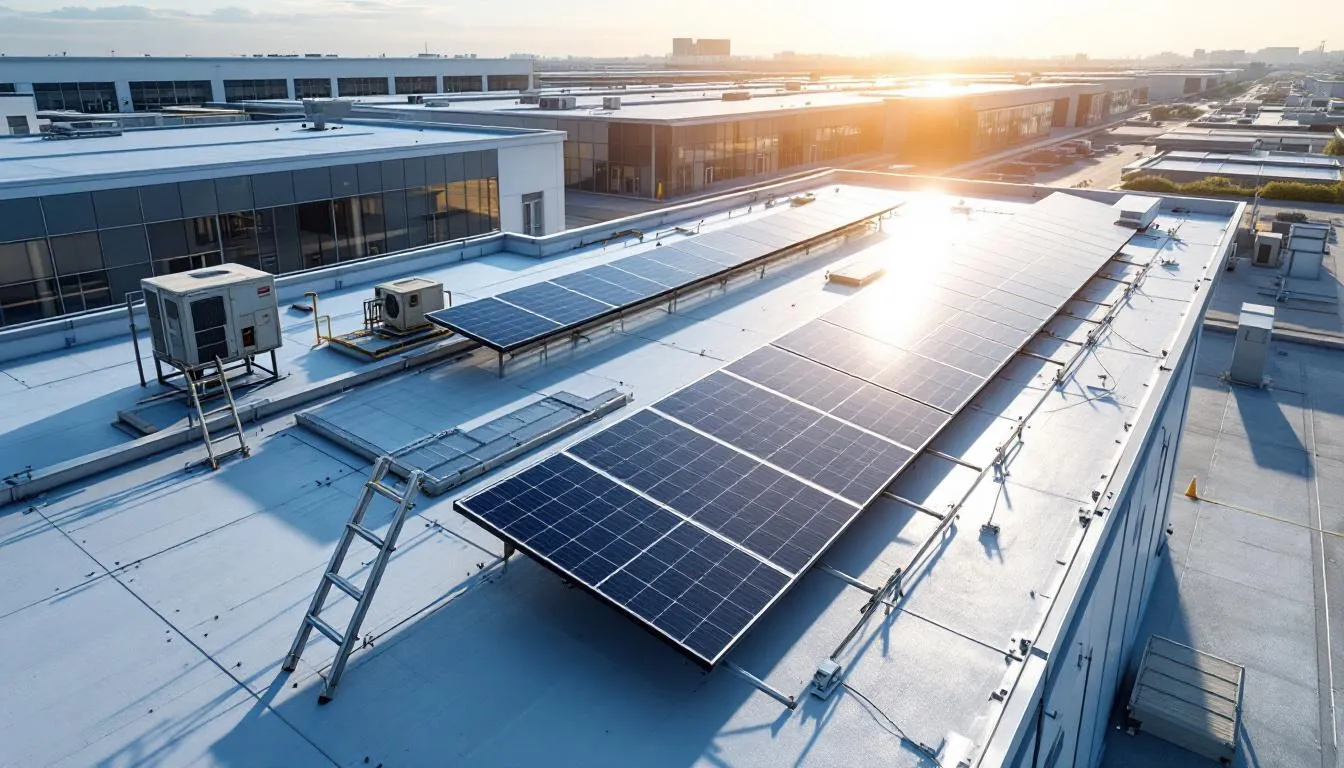
Industrial Rail Park Roofing is scoped around Cheyenne Logistics Hub properties, North Range Business Park warehouses, and the I-25 and I-80 freight interchange. The scope stays practical: stop water first, document the roof, then choose the repair or replacement path that fits the building.
View Scope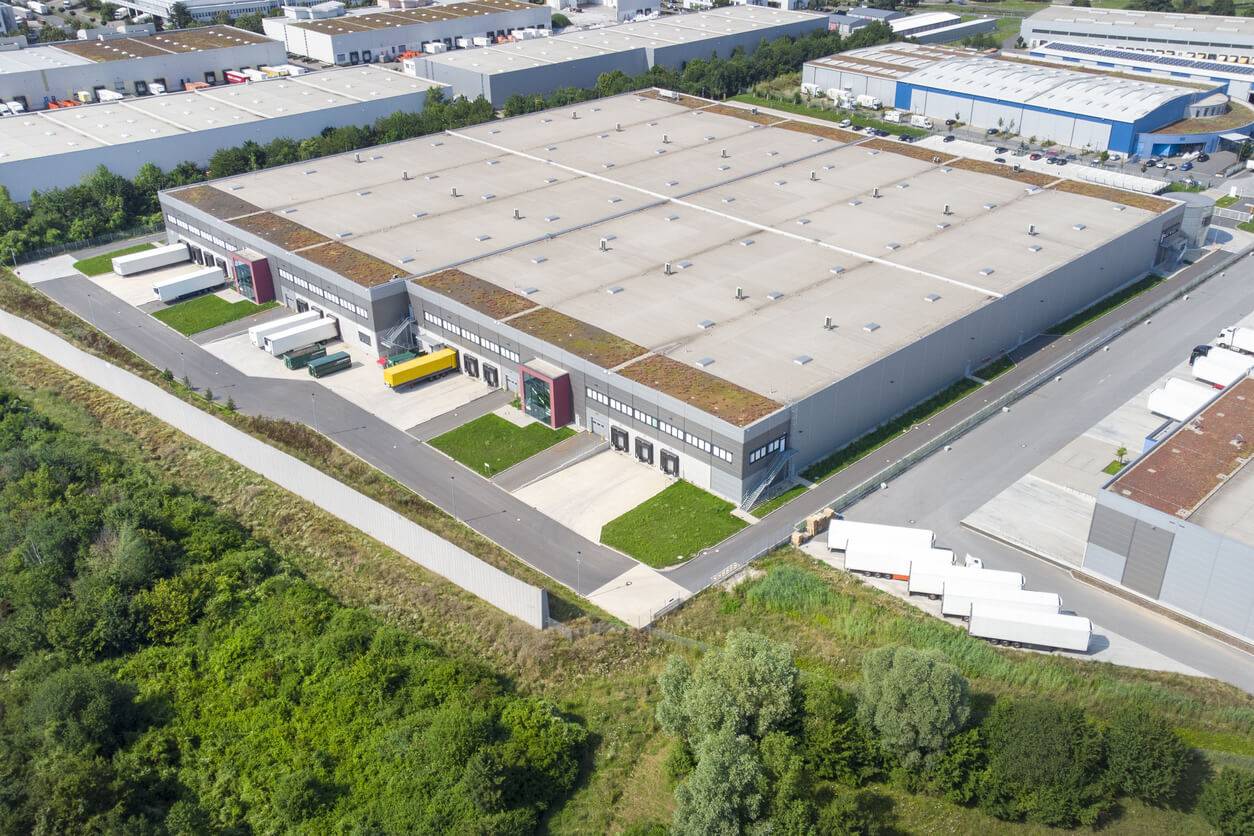
Industrial Roofing
Industrial Roofing is scoped around snow drift at parapets and rooftop units, Capitol Avenue office buildings, and F.E. Warren Air Force Base area contractors. We keep access, weather windows, and tenant disruption in the plan before crews step onto the roof.
View Scope
Manufacturing Facility Roofing
Manufacturing Facility Roofing is scoped around Dell Range Boulevard retail roofs, Lincolnway corridor storefronts, and South Cheyenne industrial sites. Every recommendation is tied to observed conditions, not a prewritten roof package.
View ScopeGet the roof decision into writing.
Tell us what changed on the roof, where the building sits, and who needs the report. We will turn the next step into a clear scope.