 Contact Us Now
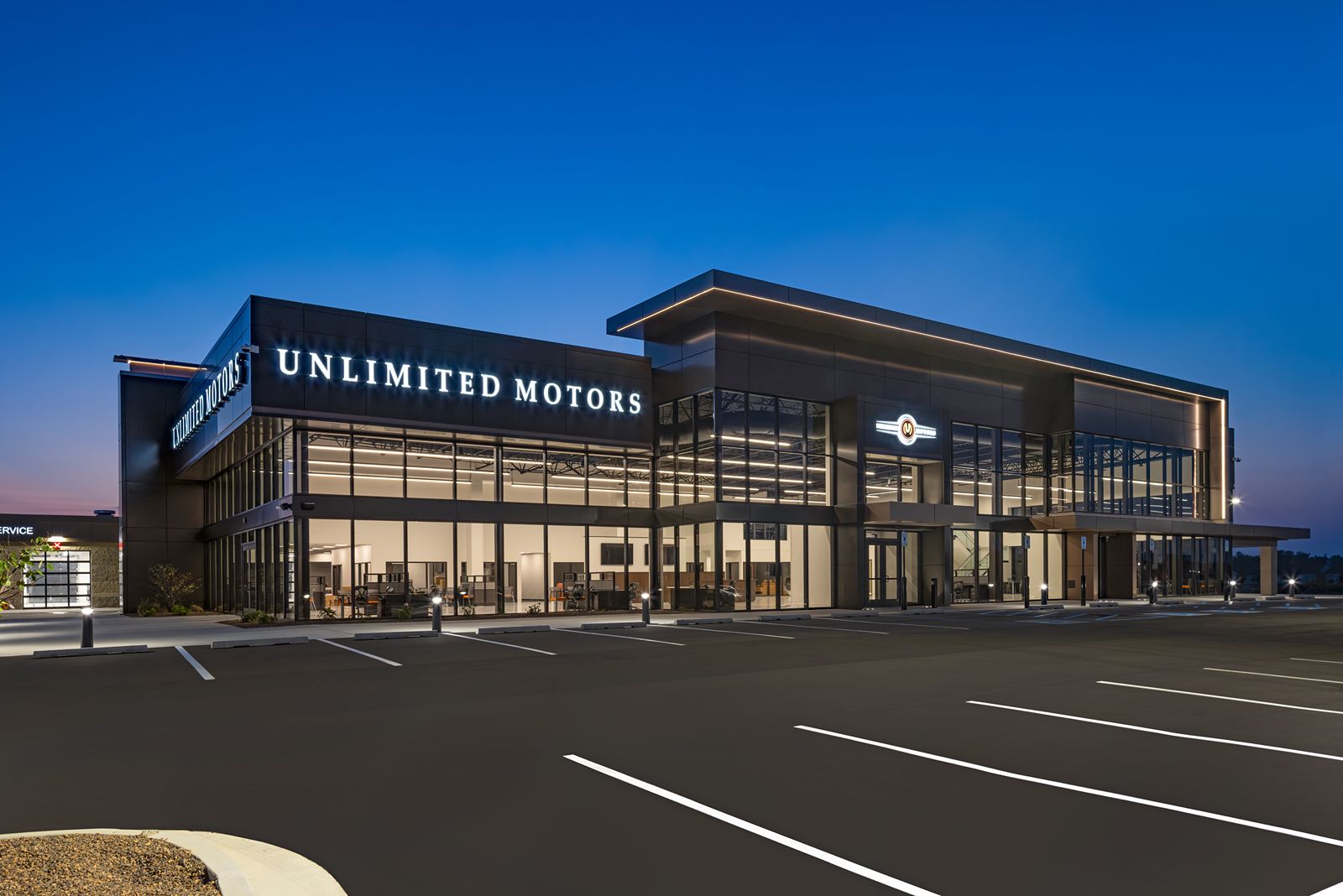
Auto Dealership Roofing in Cheyenne, WY
Auto Dealership Roofing is not useful until the roof condition, access plan, and weather risk are clear. We consider snow drift at parapets and rooftop units, Capitol Avenue office buildings, F.E. Warren Air Force Base area contractors, and freeze-thaw cycles after spring storms before we recommend work.
That keeps the scope tied to the roof that is actually on the building: membrane condition, seams, metal, drainage, rooftop units, access, tenant needs, and timing.
McDonald Automotive Group, with its Cheyenne Toyota and related franchise operations on Dell Range Boulevard, operates dealership facilities in one of the country's most demanding roofing environments for commercial buildings. Cheyenne's combination of extreme wind speeds, significant snowfall with drift potential, intense high-altitude UV radiation, and a freeze-thaw cycle that spans most of the calendar year creates roofing challenges that require both careful specification and experienced installation execution. An auto dealership showroom roof in Cheyenne is not a mild-climate building envelope, it is a structure that will be tested by weather extremes multiple times each winter season.
Wind is the defining roofing challenge in Cheyenne, and auto dealerships with their large showroom roof spans and service department footprints have significant surface area exposed to the sustained winds and gusts that Cheyenne experiences regularly. The city records some of the highest annual average wind speeds of any major US city, and peak gust events at sixty-to-seventy miles per hour are annual occurrences, not rare events. Edge metal attachment at Cheyenne dealerships must be engineered and installed to resist those repeated wind loading cycles without developing the fastener fatigue and edge lift that less robust installations experience within a few years.
Showroom skylights at Cheyenne dealerships face the dual challenge of UV resistance at altitude and structural performance under snow and wind loads. High-altitude UV intensity degrades skylight glazing faster than at sea level, and standard polycarbonate panels that yellow within five years at lower elevations may degrade even faster at Cheyenne's 6,000-foot elevation. We specify UV-stabilized polycarbonate or multi-wall polycarbonate panels with extended UV protection coatings for Cheyenne showroom skylights, and we detail their perimeter flashings with movement accommodation for the substantial thermal cycling the Wyoming climate imposes.
Service department roofing at Cheyenne dealerships carries all the standard penetrations, exhaust fans, HVAC units, compressed air lines, overhead door headers, plus the additional requirement that all penetration details maintain integrity through Cheyenne's severe temperature range from single digits in winter to over 90 degrees in summer. That range approaches 90 degrees of ambient temperature swing, and rooftop surface temperatures extend the effective range further. Two-component silicone sealants with verified service temperature ratings from minus 65 to plus 300 degrees are specified at all Cheyenne dealership penetrations to ensure that sealant adhesion and flexibility are maintained through the full temperature cycle.
Snow management on Cheyenne dealership roofs requires designing for drift accumulation at parapets and roof-to-wall transitions, not just for average snowfall loads. Prevailing westerly winds in Cheyenne drive snow into drift accumulations against east-facing parapets that can reach depths of four to five feet in significant snow events. These drifts impose localized loads that are multiples of the average roof snow load, and structural adequacy for drift loading must be confirmed before any project that adds roof dead load. We require structural engineering review as a prerequisite for every Cheyenne dealership reroofing project.
Chinook wind events, the warm, dry downslope winds that periodically raise Cheyenne temperatures by thirty to forty degrees within hours, create rapid snow melt that can overwhelm drainage systems not sized for the rapid runoff these events generate. Self-storage and dealership alike need oversized primary drains and overflow scuppers that can handle the sudden high-volume flow when a winter snowpack liquefies in a Chinook event. Drain sizing for Cheyenne projects uses Wyoming-specific runoff intensity data that accounts for Chinook melt scenarios, not just standard rainfall intensity values.
Auto dealerships in Cheyenne also deal with the practical challenge of a long construction season that is shortened by both early-season cold and late-season snowfall. The reliable installation window for adhesive-based roofing systems runs from mid-June through mid-September in Cheyenne, with shoulder season work possible using cold-weather protocols but carrying increased weather risk. We build Cheyenne project schedules with weather contingency days factored in and communicate clearly with dealership management about the variability inherent in Wyoming construction scheduling.
Vehicle inventory protection planning for a Cheyenne dealership reroofing project must account for both precipitation risk and the possibility of unexpected snow events in the shoulder seasons. A late May or early September snowstorm in Cheyenne is not unusual, and project sequencing that maintains finished membrane sections at all open boundaries provides the protection needed when the forecast changes without warning. Emergency cover materials are pre-staged and crew briefed on deployment protocols from the first day of demolition on every Cheyenne project.
Auto dealership operators in Cheyenne and across Laramie County can schedule a complimentary commercial roofing assessment with our Wyoming-experienced commercial roofing team. We evaluate wind attachment performance, snow load capacity, UV condition, Chinook melt drainage, and freeze-thaw resilience in a written report that provides the foundation for informed capital planning and roofing maintenance decisions in Wyoming's uniquely demanding climate.
- How does Cheyenne's extreme wind environment affect auto dealership roof maintenance requirements?
- High sustained winds create mechanical fatigue in edge metal fasteners, membrane seam edges, and perimeter attachment systems that calmer-climate buildings never experience. Cheyenne dealerships should schedule annual perimeter and edge metal inspections, check for fastener backing and edge metal separation at all corners and parapet locations, and perform prompt repairs of any edge lift before it progresses under subsequent wind events. Wind-related failures that start small develop rapidly in Cheyenne's wind environment.
- What should a Cheyenne dealer know about snow drift loads on showroom roofs?
- Wind-driven drift accumulations against east-facing parapets on Cheyenne showroom buildings can impose localized loads of 40 to 60 psf or higher in significant storms, well above the average roof design load for the location. Wide-span showroom roof structures should have drift load calculations performed by a Wyoming-licensed structural engineer as part of any reroofing project, particularly if insulation thickness is being increased. Building owners without original structural drawings should commission a structural assessment before the first winter in a new ownership.
- How does Wyoming's altitude affect roofing membrane longevity in Cheyenne?
- UV intensity at Cheyenne's 6,000-foot elevation is approximately 15 to 20 percent higher than at sea level, which accelerates UV degradation of membrane stabilizers and skylight glazing coatings. Products should be specified with high-altitude service in mind, and manufacturer warranties should explicitly cover Wyoming altitude conditions. We confirm altitude-specific warranty applicability with manufacturers before product selection on all Cheyenne projects.
- What is a Chinook event and how should drainage be designed for it?
- A Chinook is a warm, dry downslope wind that can raise Cheyenne temperatures by 30 to 40 degrees within a few hours, rapidly melting accumulated winter snowpack. The resulting runoff volume can exceed what standard rain-sized drain systems handle. Oversized primary drains and generously sized overflow scuppers at every parapet bay are the design response, ensuring that Chinook melt water evacuates without structural loading from standing water on the roof surface.
- When is the best time to schedule an auto dealership reroofing project in Cheyenne?
- The core reliable installation window is mid-June through mid-September. This provides warm temperatures for adhesive performance, long daylight work hours, and the lowest probability of snow events. May and October are feasible with cold-weather protocols but carry meaningful snow risk that adds scheduling uncertainty. Most Cheyenne commercial reroofing projects that begin in late June can complete before early fall weather becomes a factor.
Related Roof Work
Useful next pages for this roof decision.
Hail Damage Roof Repair
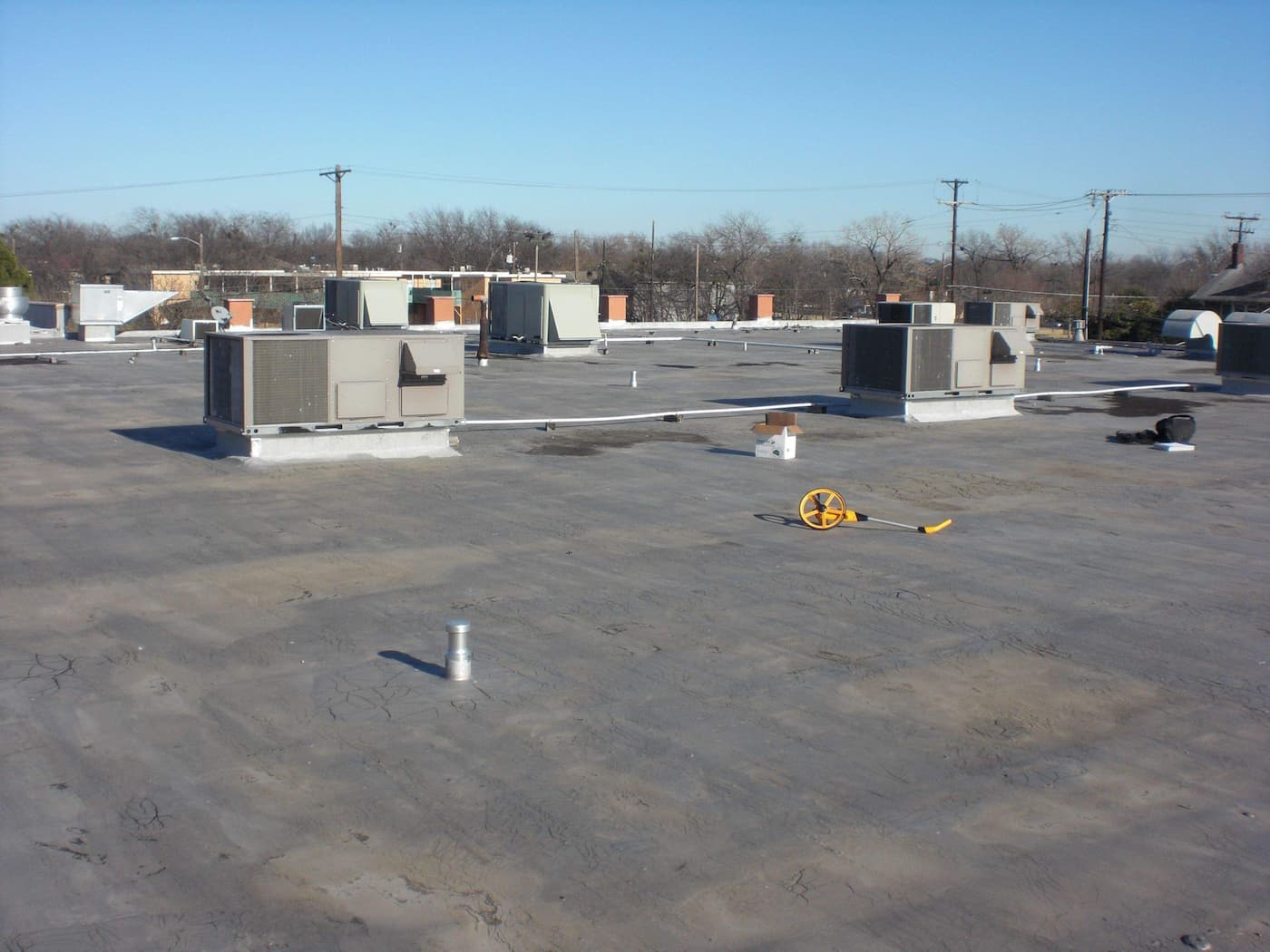
Hail Damage Roof Repair is scoped around High Plains wind and hail exposure, Laramie County public buildings, and Dell Range Boulevard retail roofs. The scope stays practical: stop water first, document the roof, then choose the repair or replacement path that fits the building.
View Scope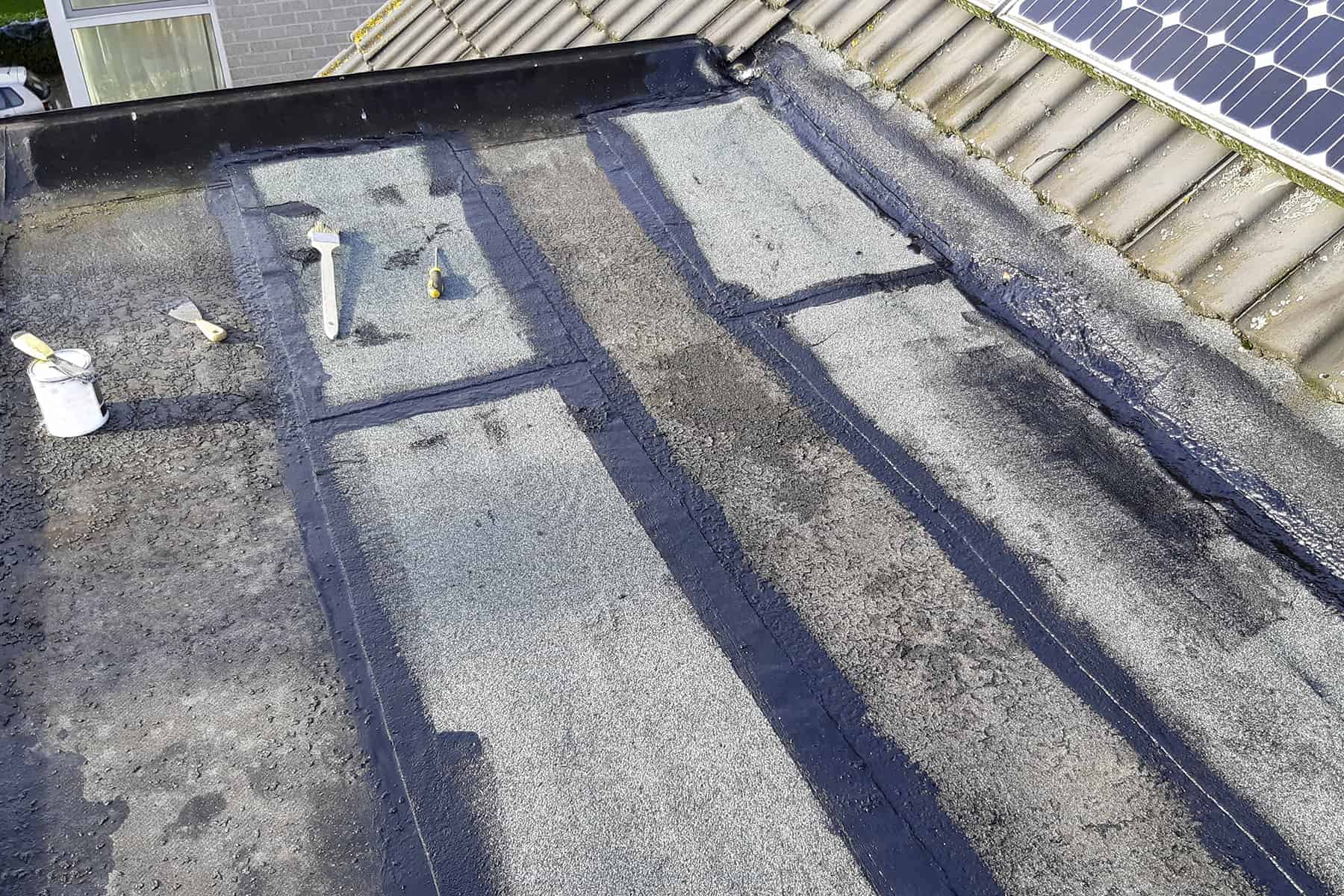
Flat Roof Repair
Flat Roof Repair is scoped around North Range Business Park warehouses, the I-25 and I-80 freight interchange, and Frontier Mall and nearby service buildings. We keep access, weather windows, and tenant disruption in the plan before crews step onto the roof.
View Scope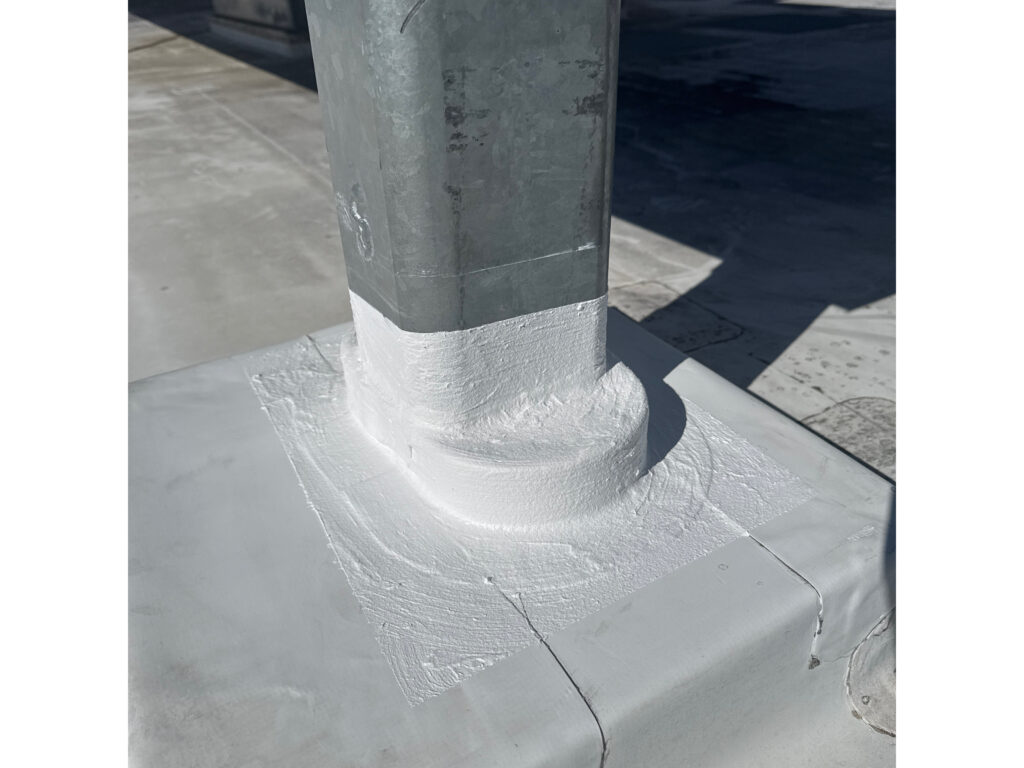
Roof Flashing Repair
Roof Flashing Repair is scoped around North Range Business Park warehouses, the I-25 and I-80 freight interchange, and Frontier Mall and nearby service buildings. Every recommendation is tied to observed conditions, not a prewritten roof package.
View ScopeGet the roof decision into writing.
Tell us what changed on the roof, where the building sits, and who needs the report. We will turn the next step into a clear scope.