 Contact Us Now
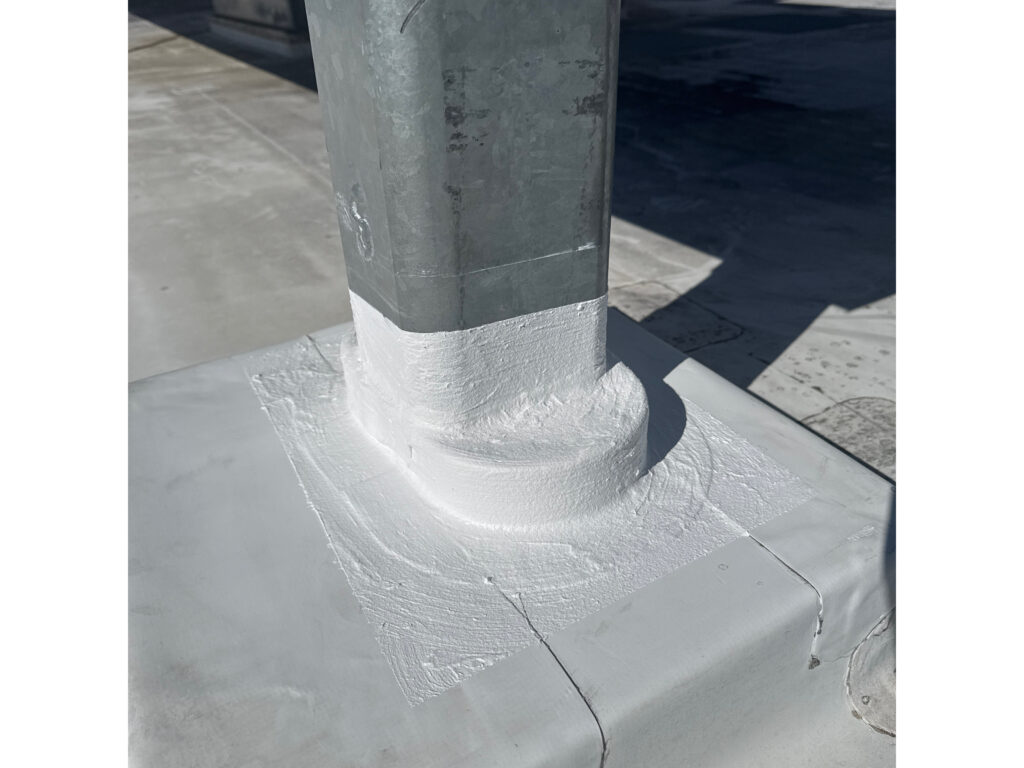
Roof Flashing Repair in Cheyenne, WY
For Roof Flashing Repair, we look at the roof as an operating asset, not a one-time line item. We consider North Range Business Park warehouses, the I-25 and I-80 freight interchange, Frontier Mall and nearby service buildings, and snow drift at parapets and rooftop units before we recommend work.
That keeps the scope tied to the roof that is actually on the building: membrane condition, seams, metal, drainage, rooftop units, access, tenant needs, and timing.
Flashing failures are the leading cause of water intrusion in Cheyenne commercial buildings, and freeze-thaw cycling is the primary mechanism that drives those failures. Every wall-to-roof joint, every pipe penetration, every curb transition, and every parapet cap on a Cheyenne commercial building is subjected to relentless thermal stress as temperatures cycle through the freezing point 170-plus times per year. Metal flashings expand and contract with temperature changes. Sealant joints open and close as adjacent substrates move at different rates. Any moisture that enters an open joint during an above-freezing wet event freezes overnight, expanding the opening and admitting more moisture in the next cycle. Over five to ten years, this process degrades flashings that were adequately installed at construction to the point where they require repair or replacement, not because of poor installation but because the climate is simply that demanding.
Base flashing at wall-to-roof intersections is the highest-priority flashing category on Cheyenne commercial buildings. Base flashing extends from the membrane surface up the vertical wall face to a termination point, typically counter flashing embedded in the wall or secured in a reglet. The bond between the base flashing and the wall substrate deteriorates under freeze-thaw cycling as differential movement between the flexible membrane material and the rigid wall causes shear stress at the adhesive or fastened bond. Base flashing separations on older downtown Cheyenne buildings and campus facilities are a routine finding, the buildings may have 30 or 40 years of accumulated freeze-thaw cycles working against original installation details that were adequate for their era but have been stressed beyond their service life.
Counter flashing integrates with the wall construction to receive and cap the top of the base flashing, creating a lapped joint that sheds water rather than catching it. On masonry buildings common in downtown Cheyenne, counter flashing is typically set into a reglet cut in the mortar joint. Over decades, the mortar securing the reglet deteriorates, the reglet itself may corrode, and the counter flashing can slide down or pull free from the reglet. When counter flashing drops below the top of the base flashing, the lapped joint that was designed to shed water becomes a scoop that collects it. Reglet re-grouting, counter flashing re-setting, and replacement of corroded reglet stock are common repair items on older Cheyenne commercial and downtown mixed-use buildings.
Step flashing at roof-to-wall transitions on buildings with adjacent sloped sections requires individual flashing units integrated with each course of roofing material. Step flashing failures are most common at the bottom of a run where water concentration is highest and where ice dam formation during Cheyenne winters creates sustained pressure against the flashing laps. When step flashing fails on a building with a sloped metal roof adjacent to a flat addition, the leak typically shows up well inside the building rather than at the obvious transition point, water travels horizontally under the step flashing before finding an entry point through the deck. We trace these failures systematically rather than responding to where water appears on the ceiling.
Pipe boot flashings, the rubber or metal collars that seal around pipe penetrations through the roof membrane, are a high-failure-rate component in Cheyenne's temperature-extreme climate. Rubber pipe boots become brittle at the low temperatures Cheyenne regularly reaches in January and February, and thermal cycling causes them to crack at the collar lip where the rubber interfaces with the pipe. A cracked pipe boot leaks at the collar, and because the penetration is surrounded by membrane, the water entry point is often not visible from below. We replace deteriorated pipe boots as a standard item in flashing repair work and upgrade to metal two-piece flashings on penetrations where the boot failure pattern has been recurrent.
Curb flashings at HVAC unit bases, exhaust fan curbs, and skylight frames are subjected to both thermal stress and the weight and vibration of the equipment above them. Curb base flashings seal the junction between the vertical curb face and the horizontal membrane, and they are stressed by HVAC equipment vibration, by thermal movement of the metal curb, and by differential settlement of the curb relative to the deck. Curb flashings on older Cheyenne commercial buildings frequently show separation at the membrane-to-curb bond and at the top cap that bridges from the curb to the equipment base. A complete curb flashing repair addresses the base seal, the cap, and the counter flashing at the equipment interface, not just the most visible open joint.
Reglet and counter flashing repair on older downtown Cheyenne buildings requires materials compatibility awareness. Masonry buildings with copper counter flashing, original lead reglets, or galvanized steel components from different eras may have galvanic corrosion between dissimilar metals that is actively degrading the flashing system even when individual components appear intact. We identify dissimilar metal conditions during flashing assessments and specify repair materials that are compatible with the existing system rather than introducing new galvanic interfaces. This is a detail that matters more on older downtown Cheyenne buildings with original historic metal than on modern construction with standardized flashing materials.
Flashing repair scope on a Cheyenne commercial building should always extend beyond the point of active leaking to include adjacent conditions at a similar stage of deterioration. A base flashing that has separated and is actively leaking on the north wall of a building was installed at the same time and has experienced the same freeze-thaw cycles as the base flashing on the east and west walls, which are likely at a similar deterioration stage even if they are not yet leaking. Repairing only the active leak location and deferring the adjacent flashings saves money today and produces three additional leak service calls in the next two winters. We recommend flashing repair scopes that address all flashings at equivalent deterioration stages in a single mobilization.
Long-term flashing performance on Cheyenne commercial buildings is best maintained through the spring and fall inspection program that identifies developing flashing conditions before they become active leaks. A flashing separation that is caught and resealed when it is two inches wide costs a fraction of what it costs after a winter of freeze-thaw expansion has widened it to eight inches and allowed moisture to migrate into the wall cavity or insulation layer. Flashing maintenance is the highest-return-per-dollar maintenance investment on most Cheyenne commercial buildings, and it is the category most often deferred because developing flashing failures are not visible from inside the building until they are well advanced.
Questions Owners Ask
How do I know if my building has flashing problems if there are no active leaks?
Most flashing failures are not immediately visible from inside the building, they allow moisture into wall cavities and insulation layers before producing interior symptoms. Exterior inspection during a spring maintenance visit will show open sealant joints, base flashing separations, counter flashing drops, and reglet condition that indicate developing problems. Electronic moisture scanning can detect moisture that has already migrated into wall cavities or insulation at flashing locations. Waiting for an interior symptom means the flashing failure has already been allowing water infiltration for at least one to two seasons.
Why do flashings on downtown Cheyenne buildings seem to fail more often than those on newer industrial buildings?
Downtown Cheyenne masonry buildings have accumulated more freeze-thaw cycles than newer construction, and their original flashing details were designed to standards that predate current best practices for high-freeze-thaw climates. Masonry buildings also have more complex flashing geometry, parapet caps, reglets, step flashings, and built-up base flashings, than simple metal-wall industrial buildings. The combination of age, material complexity, and accumulated thermal stress produces higher flashing failure rates on older downtown buildings. This does not mean they cannot be maintained effectively, it means their maintenance programs need to specifically prioritize flashing inspection and repair.
What is the difference between base flashing and counter flashing, and which fails more often in Cheyenne?
Base flashing is the vertical component that extends from the membrane surface up the wall face, it is typically part of the roofing system and made of modified bitumen, EPDM, or metal. Counter flashing is the metal component embedded in or attached to the wall that laps over the top of the base flashing to shed water away from the joint between them. In Cheyenne, base flashing adhesive failures and reglet-related counter flashing drops are both common. The consequences of counter flashing failure are often more severe because a failed counter flashing exposes the entire base flashing top edge to direct water entry rather than a single adhesion gap.
Can flashing repair extend the life of a roof that is otherwise near replacement age?
It can, if the membrane itself is in adequate condition. A roof with deteriorating flashings but a sound field membrane can often be given several additional years of service life through comprehensive flashing repair and resealing. This is a legitimate alternative to full replacement when budget timing or facility operations make immediate replacement impractical. The honest caveat is that a flashing repair program on a roof where both the flashings and the membrane are near end of life will require repeated investment, at some point, full replacement is more cost-effective than sustained repair. We provide honest guidance on which side of that line each building is on.
How long should new flashing repairs last on a Cheyenne commercial building?
Properly executed flashing repairs using quality materials should last five to ten years in Cheyenne's climate before requiring re-evaluation. Sealant-only repairs on open joints may have a shorter life, three to five years, before the sealant deteriorates and requires reapplication. Full flashing replacement at a wall section using properly integrated materials should match the life of the surrounding roofing system. The variable that most affects repair longevity is surface preparation, flashings applied to improperly cleaned or poorly bonded substrates fail much sooner than those applied to correctly prepared surfaces.
Related Roof Work
Useful next pages for this roof decision.
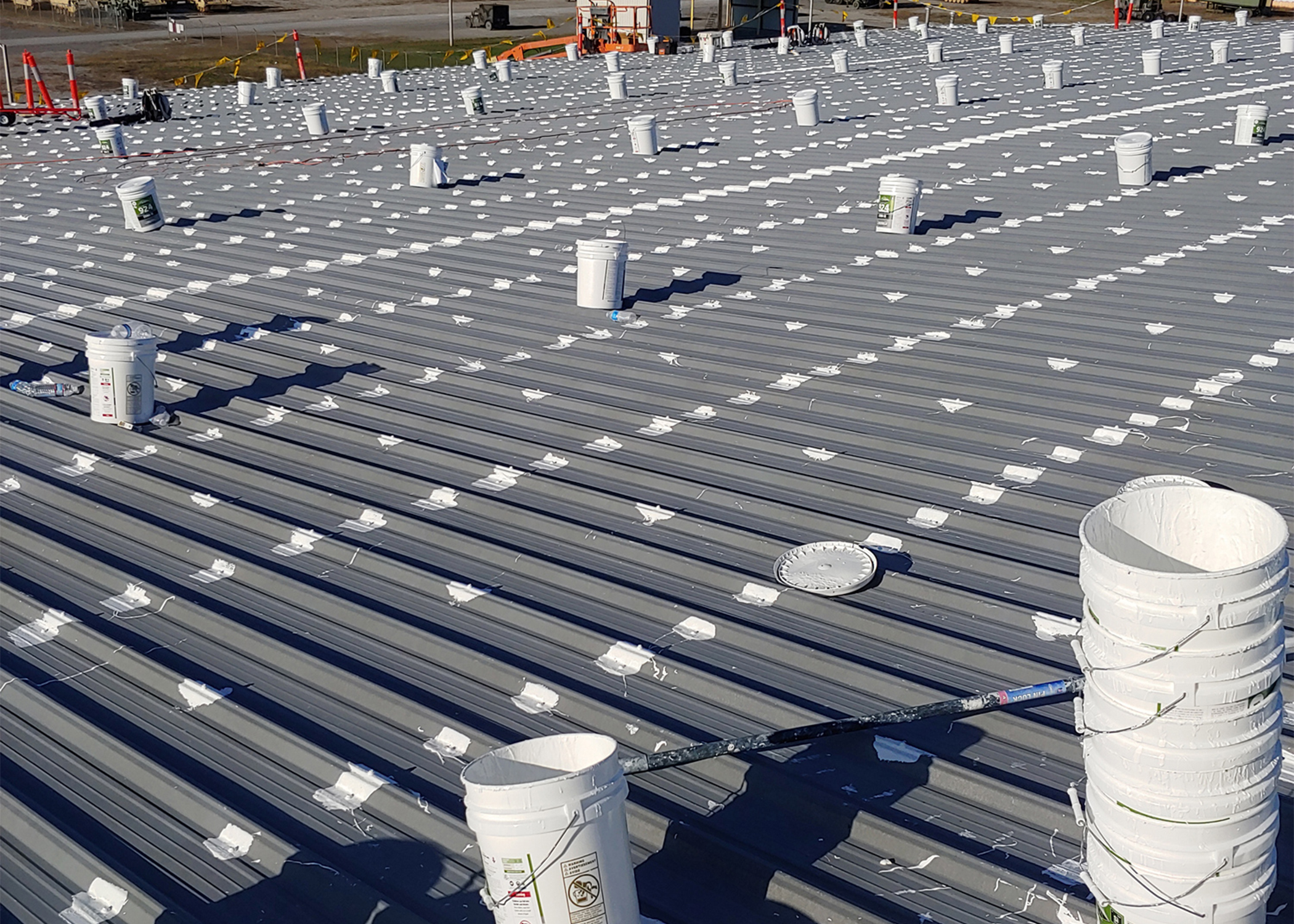
Silicone Roof Systems
Silicone Roof Systems is scoped around Cheyenne Regional Airport facilities, High Plains wind and hail exposure, and Laramie County public buildings. The scope stays practical: stop water first, document the roof, then choose the repair or replacement path that fits the building.
View Scope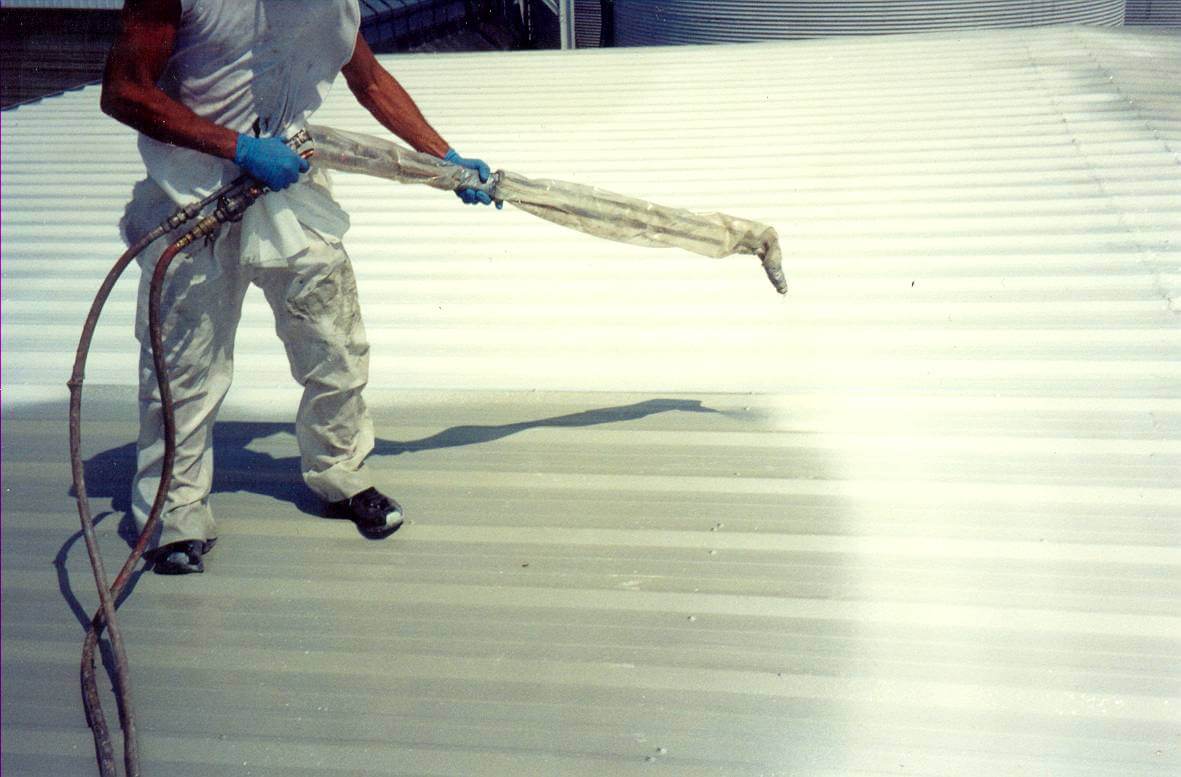
Commercial Roof Coatings
Commercial Roof Coatings is scoped around the I-25 and I-80 freight interchange, Frontier Mall and nearby service buildings, and snow drift at parapets and rooftop units. We keep access, weather windows, and tenant disruption in the plan before crews step onto the roof.
View Scope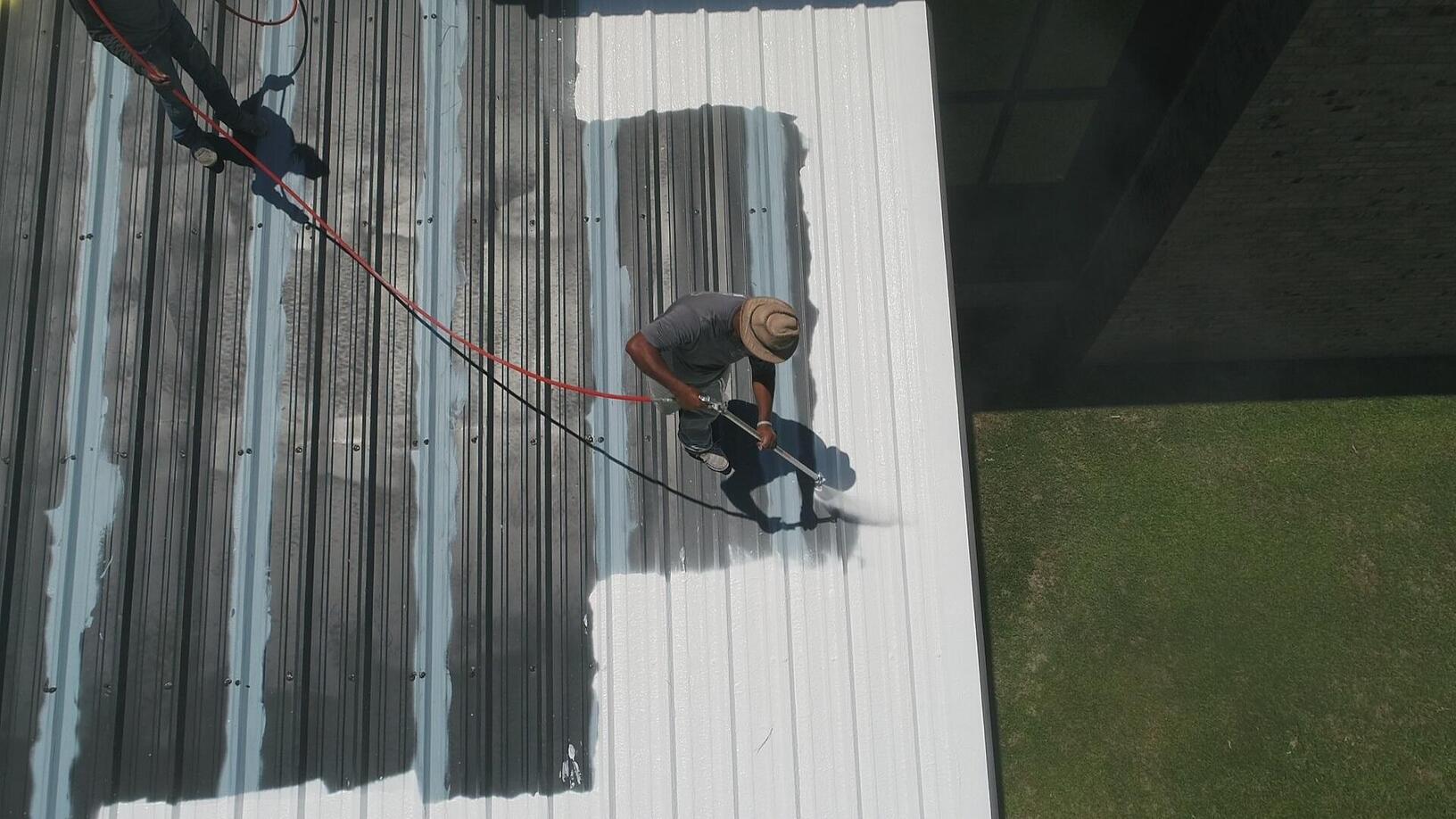
Commercial Roof Restoration
Commercial Roof Restoration is scoped around Cheyenne Logistics Hub properties, North Range Business Park warehouses, and the I-25 and I-80 freight interchange. Every recommendation is tied to observed conditions, not a prewritten roof package.
View ScopeGet the roof decision into writing.
Tell us what changed on the roof, where the building sits, and who needs the report. We will turn the next step into a clear scope.