 Contact Us Now
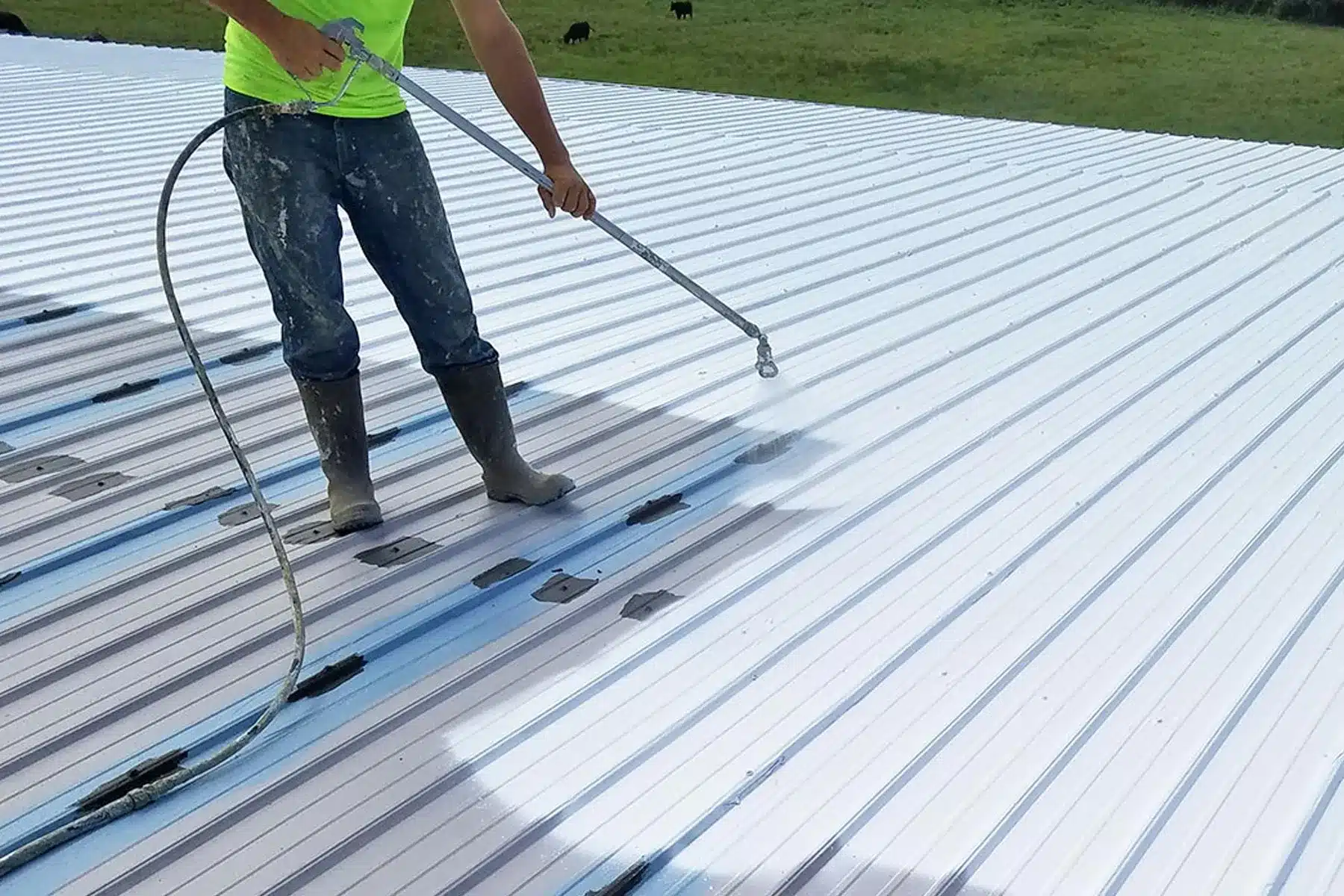
Fluid-Applied Roofing in Cheyenne, WY
The first move on Fluid-Applied Roofing is separating visible symptoms from the assembly condition below them. We consider South Cheyenne industrial sites, Laramie County business parks, Cheyenne Logistics Hub properties, and North Range Business Park warehouses before we recommend work.
That keeps the scope tied to the roof that is actually on the building: membrane condition, seams, metal, drainage, rooftop units, access, tenant needs, and timing.
Fluid-applied roofing systems in Cheyenne operate within constraints that make them a more specialized choice than in temperate markets. The appeal is real, seamless waterproofing membrane applied by spray or roller that conforms to complex roof geometry, bridges minor surface irregularities, and eliminates the lap seams that are the most common failure point in sheet-applied systems. The constraint is equally real: Cheyenne's wind, temperature variability, and precipitation pattern create application windows that are genuinely narrow, and a fluid-applied system installed outside those windows, in marginal temperatures, into a sudden afternoon wind, or with inadequate dry time before an evening temperature drop, will produce a compromised membrane that may not reveal its deficiencies until the first winter stress cycle confirms them.
Application temperature is the first constraint on fluid-applied roofing in Cheyenne. Most water-based fluid-applied systems require ambient and substrate temperatures above 50°F during application and through the cure period, typically 24 to 48 hours depending on the product and application thickness. Two-component urethane systems have broader temperature ranges, and some manufacturers offer cold-temperature formulations that extend the application window into the 40°F range. Even with these products, Cheyenne's overnight temperature drop is a constant concern: a system applied at 60°F on a September afternoon may face 35°F overnight temperatures before the membrane has achieved its design cure state. We plan fluid-applied projects for the June through August window whenever possible, accepting the schedule constraint rather than pushing into marginal temperature conditions.
Wind is the application challenge that is unique to Cheyenne among most US roofing markets. Spray-applied fluid systems require wind speeds below 10 to 15 mph for controlled application, overspray in higher winds wastes material, reduces applied thickness at the application point, and can contaminate adjacent surfaces or equipment. Cheyenne's afternoon winds frequently exceed this threshold even on otherwise favorable days, and the daily wind cycle, calm mornings that build through the afternoon, defines when fluid-applied work can proceed. We schedule spray application for early morning start times, plan crew and equipment staging to allow a full application cycle before afternoon winds build, and maintain wind speed monitoring throughout the day. Work stops when wind conditions exceed the application threshold, regardless of project schedule pressure.
Surface preparation for fluid-applied roofing in Cheyenne requires particular attention to the high-plains dust accumulation that coats aging membrane surfaces. A fluid-applied coating cannot develop its design bond strength over a layer of dirt, oxidized membrane surface, or oil contamination from rooftop equipment exhaust. We perform power washing at minimum, with mechanical surface preparation, wire brushing, grinding, at heavily contaminated or oxidized areas. The time between surface preparation and primer application is managed to prevent re-contamination from Cheyenne's airborne dust before the primer is applied. On days with visible dust in the air, common after periods of high wind, we defer primer and coating application until conditions allow a clean substrate to be maintained through the full application sequence.
Fluid-applied systems are particularly well-suited to Cheyenne's complex institutional and government building roofs, where irregular geometry, high penetration density, and the presence of multiple substrate types make sheet-applied membrane systems more difficult to detail correctly. A building with dozens of HVAC curbs, equipment supports, structural penetrations, and wall conditions in close proximity is a candidate for fluid-applied waterproofing because the seamless application can transition continuously from horizontal field to vertical flashing to curb cap without the material transitions and lap conditions that create vulnerability in sheet systems. F.E. Warren adjacent buildings and Cheyenne Regional Medical Center rooftop utility areas with complex equipment populations are examples where fluid-applied systems deliver meaningful installation quality advantages over sheet membrane systems.
Silicone fluid-applied systems have the best performance profile for Cheyenne's temperature extremes. Silicone maintains flexibility from -65°F to 300°F, a range that comfortably encompasses Cheyenne's worst case in both directions, and does not embrittle under freeze-thaw cycling. Silicone also resists ponded water without absorbing it, which matters on low-slope Cheyenne roofs where drain freeze-over creates seasonal ponding. The limitation of silicone in Cheyenne's environment is that it accumulates dirt in the high-plains dust environment, which reduces reflectivity over time. Periodic cleaning, pressure washing at the annual spring maintenance visit, maintains the silicone surface performance and extends the life of the reflective benefit through the system's service life.
Quality control for fluid-applied systems centers on confirming that the installed membrane has achieved its design dry film thickness uniformly across the roof field. Wet film thickness gauges allow application rate monitoring during installation, but the definitive confirmation is dry film thickness measurement after cure. We perform DFT spot checks at a grid of locations across the installed area, with additional checks at transitions and detail conditions where thickness variation is most likely. Areas below minimum DFT receive additional coats before the project is closed out. For manufacturer warranty qualification, minimum DFT at a specified sample frequency is typically a warranty eligibility requirement that we document and report as a standard closeout deliverable.
Fluid-applied roofing warranty terms require the same scrutiny in Cheyenne that any roofing warranty demands. Application temperature minimums, substrate preparation requirements, minimum installed DFT, and ponding water exclusions are all warranty conditions that must be met for the warranty to be valid. Some fluid-applied warranties require periodic inspection and recoat at specified intervals, typically 7 to 10 years, to maintain warranty coverage to the full term. We review warranty terms with building owners before product selection, document compliance with all warranty conditions during installation, and register the warranty with the manufacturer at project completion. A fluid-applied system warranty that is voided by an application condition not disclosed to the building owner at project award is a failure of contractor transparency that we are not willing to own.
Questions Owners Ask
What is the difference between fluid-applied roofing and a roof coating?
The distinction is primarily one of installed thickness and functional purpose. A roof coating is typically applied at 20 to 40 dry mils and is designed to extend the life of an existing membrane system by providing UV protection, reflectivity, and a degree of waterproofing reinforcement. A fluid-applied roofing system is applied at 60 mils or more, sometimes in multiple coats with embedded reinforcing fabric, and is designed to function as the primary waterproofing membrane rather than a coating over another system. The thicker, reinforced fluid-applied system can bridge cracks and substrate movement that a thinner coating cannot, and it carries a higher manufacturer warranty commitment appropriate to a primary membrane system.
Can fluid-applied systems be used on vertical surfaces like parapet walls in Cheyenne?
Yes. Fluid-applied waterproofing is one of the best solutions for parapet wall waterproofing in Cheyenne because it forms a continuous monolithic membrane from the roof field up the wall face without lap conditions that freeze-thaw cycling can work open. The system is applied to the prepared masonry or concrete surface of the parapet, typically with a reinforcing fabric embedded in the base coat at the roof-to-wall transition where stress concentration is highest. We use non-sag formulations or thixotropic products on vertical surfaces to prevent sagging during the wet application stage. The same system that waterproofs the roof field transitions continuously onto the parapet in a single application cycle.
How do Cheyenne's afternoon thunderstorms affect fluid-applied roofing projects?
Afternoon thunderstorms are a significant scheduling constraint on fluid-applied projects during Cheyenne's July and August construction window. An uncured fluid-applied membrane exposed to rain before it has achieved water resistance, typically 1 to 4 hours after application depending on the product and temperature, can be washed thin, blistered, or contaminated. We limit daily application area to what can be cured to water resistance before the afternoon storm window, monitor weather radar continuously during application, and stop work with sufficient time for the applied area to reach its rain-resistance threshold before storm probability increases. This typically means completing application by noon on days with afternoon storm risk.
What buildings in Cheyenne are best suited to fluid-applied roofing?
Buildings with complex roof geometry and high penetration density, medical facilities, institutional buildings, older commercial buildings with irregular conditions, are the strongest fluid-applied candidates because the seamless application handles geometric complexity better than sheet systems. Buildings where the existing substrate is in sound condition but sheet-applied recover is complicated by substrate irregularities are also good candidates. Buildings with simple, large-area flat roofs with few penetrations and good drainage are typically better served by sheet-applied systems that offer faster installation and straightforward quality control. We evaluate each building on its specific conditions rather than recommending fluid-applied as a universal solution.
How long does a fluid-applied roofing project take in Cheyenne?
Project duration depends on roof area, system type, and the number of application coats required for the specified DFT. As a general planning guide, a single-coat silicone system on 10,000 square feet of prepared substrate takes 2 to 3 days of application work. Multi-coat systems with fabric reinforcement take proportionally longer. Cheyenne's wind and weather constraints mean that not every day in the project window is a productive application day, we build weather contingency into every project schedule and communicate schedule updates to building owners weekly. Projects scheduled for the peak summer window (June through August) have the best reliability for on-schedule completion.
Related Roof Work
Useful next pages for this roof decision.
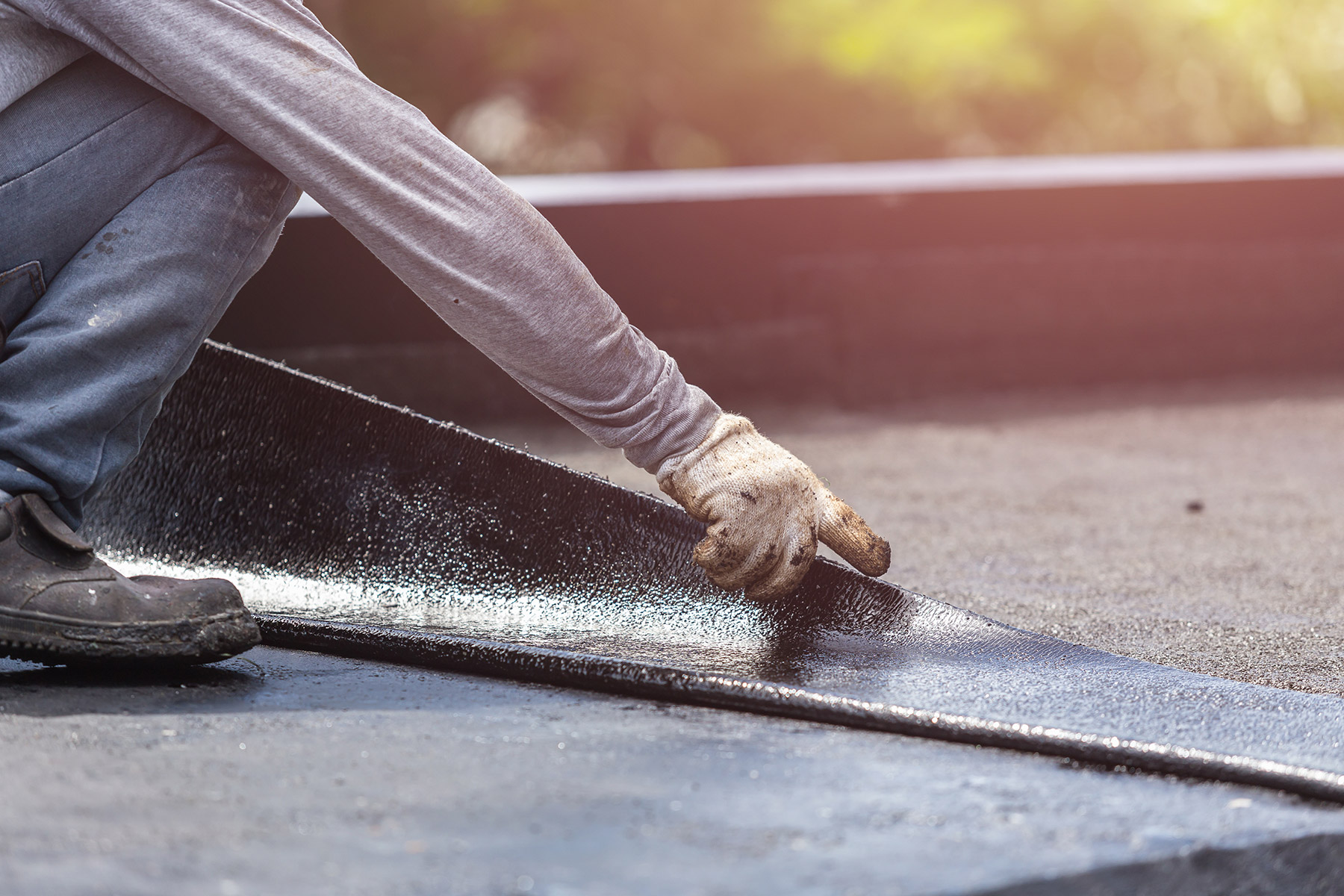
Commercial Roof Replacement
Commercial Roof Replacement is scoped around Lincolnway corridor storefronts, South Cheyenne industrial sites, and Laramie County business parks. The scope stays practical: stop water first, document the roof, then choose the repair or replacement path that fits the building.
View Scope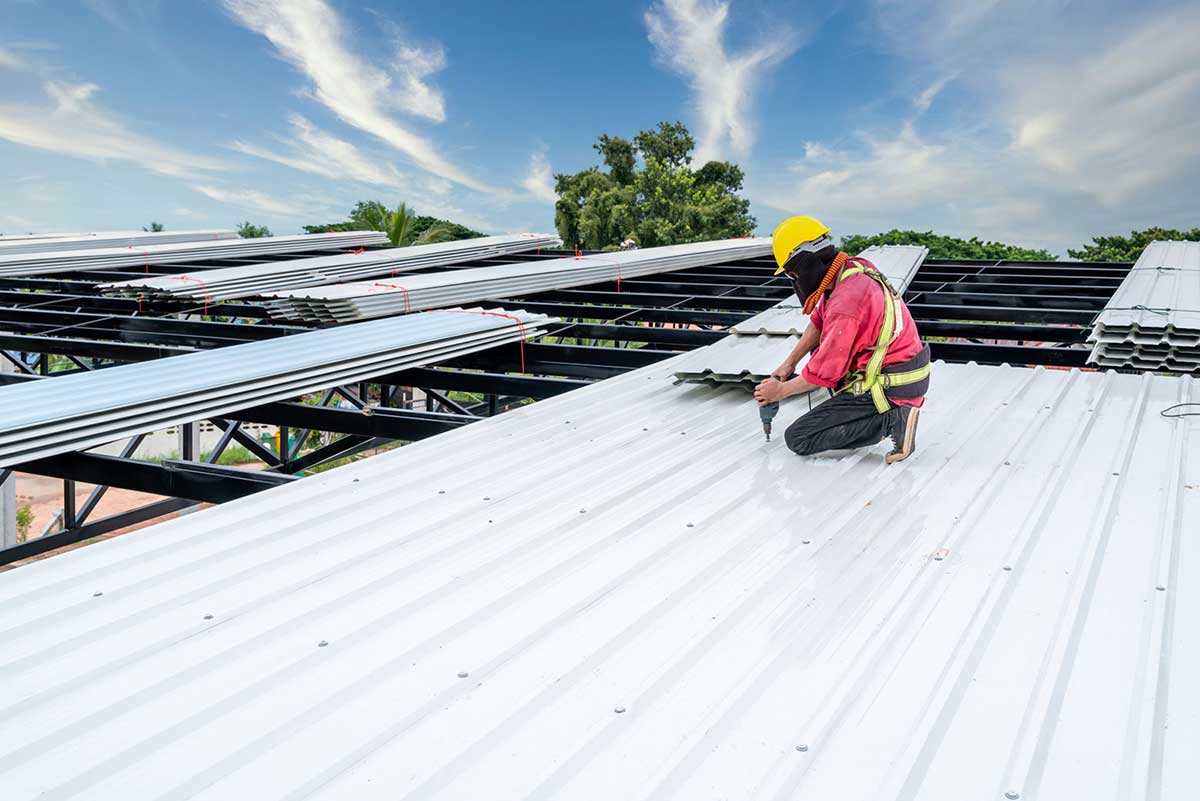
Commercial Reroofing
Commercial Reroofing is scoped around F.E. Warren Air Force Base area contractors, freeze-thaw cycles after spring storms, and Cheyenne Regional Medical Center area offices. We keep access, weather windows, and tenant disruption in the plan before crews step onto the roof.
View Scope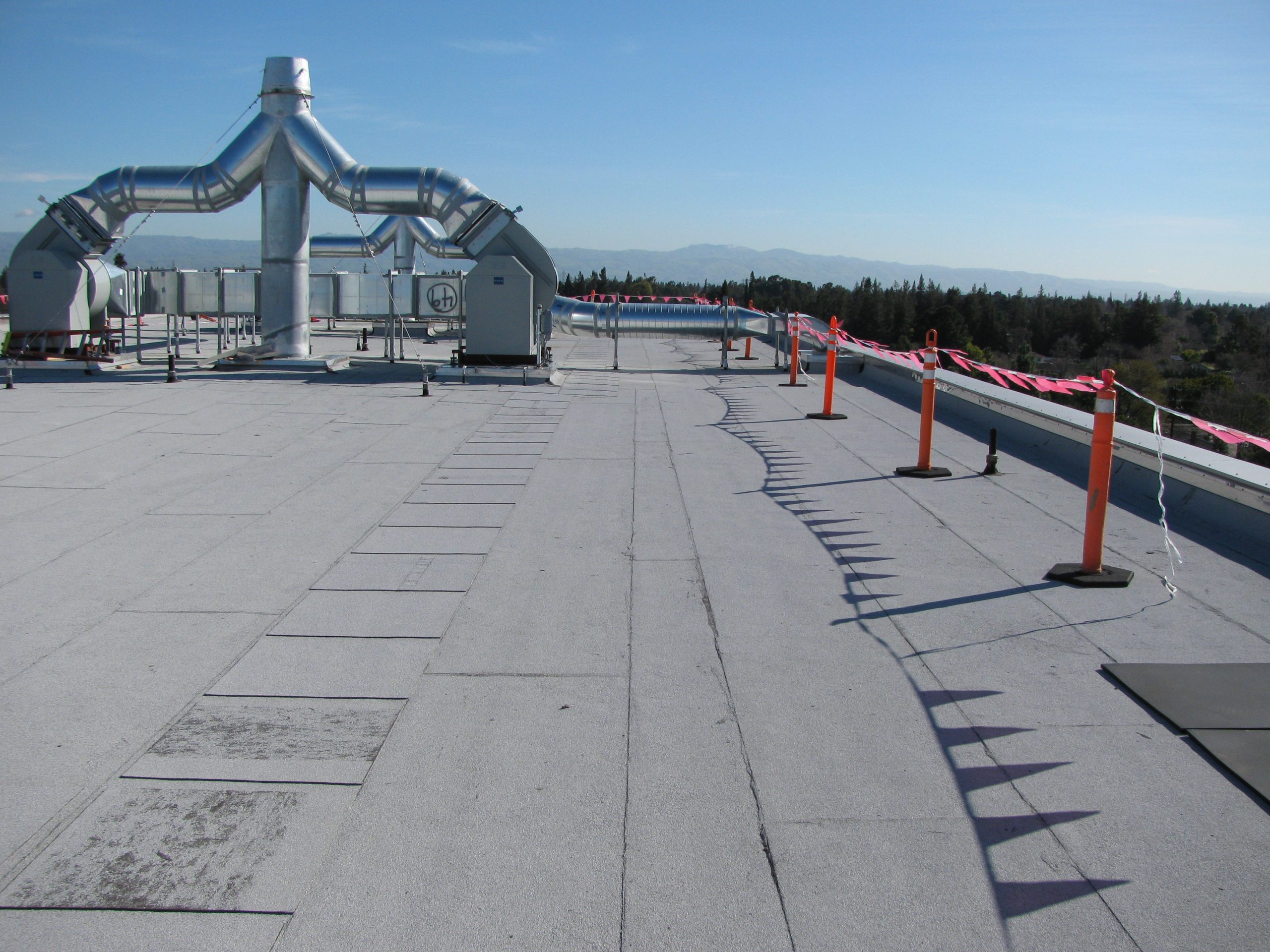
Occupied Building Re-Roofing
Occupied Building Re-Roofing is scoped around freeze-thaw cycles after spring storms, Cheyenne Regional Medical Center area offices, and Cheyenne Regional Airport facilities. Every recommendation is tied to observed conditions, not a prewritten roof package.
View ScopeGet the roof decision into writing.
Tell us what changed on the roof, where the building sits, and who needs the report. We will turn the next step into a clear scope.