 Contact Us Now
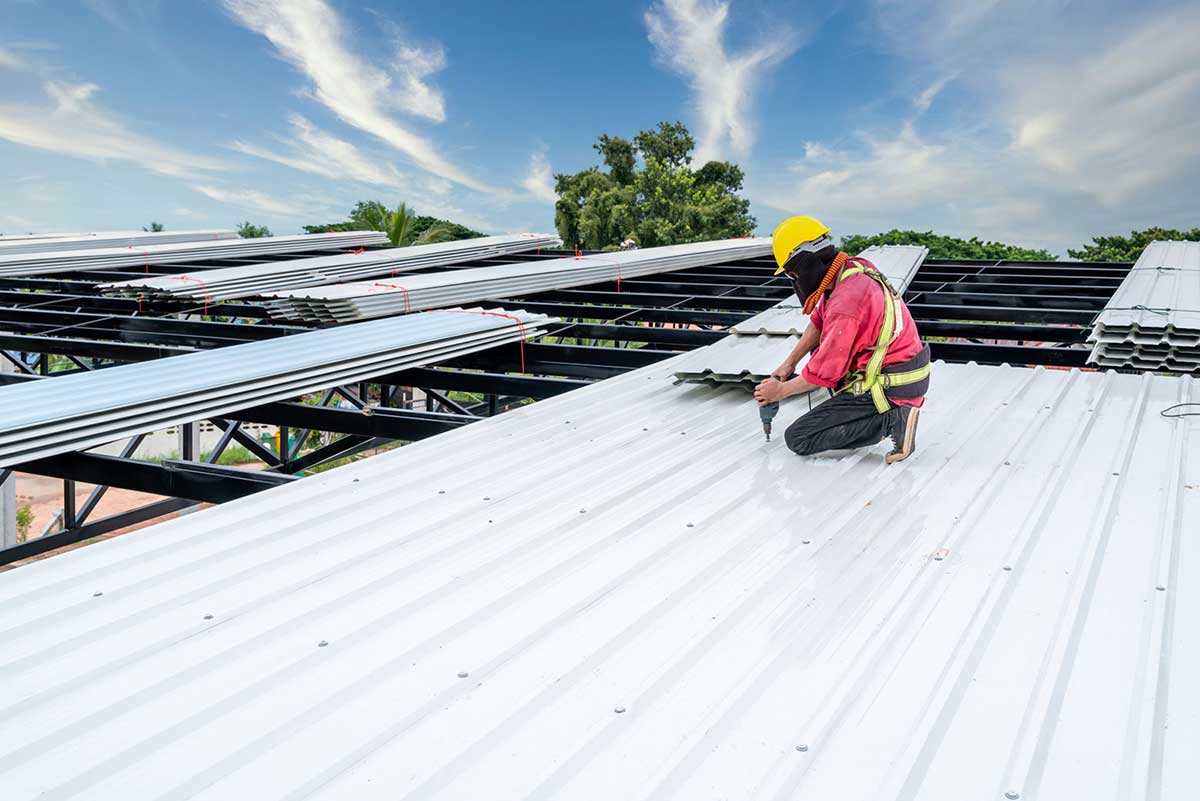
Commercial Reroofing in Cheyenne, WY
Commercial Reroofing works best when the repair plan, replacement timing, and documentation all point to the same decision. We consider F.E. Warren Air Force Base area contractors, freeze-thaw cycles after spring storms, Cheyenne Regional Medical Center area offices, and Cheyenne Regional Airport facilities before we recommend work.
That keeps the scope tied to the roof that is actually on the building: membrane condition, seams, metal, drainage, rooftop units, access, tenant needs, and timing.
The reroofing decision in Cheyenne, recover over the existing system or tear off and start fresh, is driven more by moisture than by age. A 20-year-old modified bitumen roof in Cheyenne may be perfectly recoverable if core samples show dry insulation and a structurally intact substrate. A 12-year-old TPO roof that has allowed snowmelt infiltration for three seasons may have saturated insulation that makes recovery impossible, wet insulation under a new membrane traps moisture and continues degrading the deck, eventually producing the same leak pattern the recovery was supposed to solve. In this market, the core sample is not optional: it is the foundation of the reroofing specification.
Moisture from snowmelt infiltration is the leading driver of tear-off decisions in Cheyenne commercial buildings. Unlike rain-driven infiltration, which is often limited to the area near an active leak, snowmelt can enter through dozens of minor flashing failures simultaneously and migrate laterally in the insulation layer before becoming visible as a ceiling stain. By the time a building owner calls for a repair, the saturated area is frequently two to three times larger than the visible leak location. Infrared thermographic scanning in the early morning hours, when the thermal differential between wet and dry insulation is greatest, is the most reliable way to map the actual saturated footprint before committing to a recovery versus tear-off decision.
Rail-served logistics buildings at the Cheyenne Logistics Hub and large flat-roof distribution facilities along the I-25/I-80 corridor present reroofing challenges that go beyond material selection. These buildings commonly have roof areas of 100,000 to 400,000 square feet with minimal interior access for crane staging, significant mechanical equipment populations on the roof, and operational constraints that limit how much of the roof can be opened at one time. A logistics facility that is processing freight 24 hours a day cannot tolerate an open deck during an overnight freeze, and in Cheyenne, overnight freezes are possible in every month from September through May. We phase every large reroofing project so that no section of exposed deck is left unprotected at end of shift.
Recover systems in Cheyenne must be specified for the combined weight of the existing and new assemblies. Wyoming's structural engineers typically design for ground snow loads around 30 psf in the Cheyenne area, and adding a second roofing assembly increases the dead load on the structure. For buildings originally designed with minimal dead load margin, we verify the structural adequacy of a recover before specifying it, adding 3 to 5 psf of roofing dead load to a structure already carrying a full snow load could exceed the design capacity of older buildings. Where structural margin is inadequate for a full recover, selective tear-off of the heaviest existing sections may be required even if moisture conditions would otherwise support a recover approach.
System selection for Cheyenne reroofing is dominated by single-ply membrane options, TPO and EPDM, along with modified bitumen torch-down and self-adhered systems. TPO heat-welded seams are reliable in cold weather when installation temperatures are managed correctly, but cold-weather TPO installation requires substrate warming, extended seam cooling times, and more rigorous probe testing to confirm weld quality. EPDM is inherently more cold-temperature flexible and has a longer track record in Wyoming's climate. Modified bitumen self-adhered systems can be applied in lower temperatures than torch-down with appropriate surface conditioning. We select the system that best matches the building's budget, exposure, structural constraints, and the installation window available in the Cheyenne calendar.
Insulation upgrades during reroofing are an opportunity that Cheyenne building owners should evaluate carefully. Current Wyoming energy code requires significantly higher roof R-values than code minimums in effect when most of Cheyenne's commercial building stock was constructed. A reroofing project that brings insulation to current R-38 or R-30 minimums for the climate zone, depending on occupancy and fuel type, reduces heating costs that are a real line item in Wyoming's cold climate. The marginal cost of adding insulation during a reroofing project is far lower than adding it as a standalone project, and many building owners find the energy payback justifies the additional upfront investment within 5 to 8 years.
Downtown Cheyenne building reroofing often involves the additional complexity of historic masonry parapets, ornate cornice conditions, and roof access constrained by adjacent buildings. We have experience navigating reroofing in the dense Capitol Avenue and Lincolnway corridor blocks where material staging, equipment access, and debris removal must be planned around shared alleys, adjacent business operations, and street use permits. We coordinate with the City of Cheyenne for any street lane closures or sidewalk protection required and schedule noisy operations to comply with the city's commercial noise ordinance.
Post-reroofing documentation is a standard deliverable on every project we complete. This includes a completed warranty registration with the membrane manufacturer, pull test records from the fastening inspection, welded seam probe test logs for heat-welded membranes, drainage flow verification after installation, and a photographic record of all penetration and flashing conditions as completed. For Cheyenne building owners who carry the property through multiple ownership or management transitions, this documentation package is the evidence base for future repair decisions and warranty claims. We store digital copies and can provide them on request for any project we have completed.
Questions Owners Ask
How do we decide between recovering the existing roof or tearing it off?
The primary factors are moisture content in the existing insulation, the structural capacity to carry an additional assembly, and the condition of the existing membrane as a substrate for adhesion or mechanical fastening. We perform infrared scanning and core sampling before making a recommendation. If more than 25 percent of the insulation area is wet, tear-off is almost always the right answer. If the existing system is dry and the substrate is sound, recovery can add 15 to 20 years of service life at a lower cost than tear-off and replacement.
Can reroofing happen in winter in Cheyenne?
Cold-weather reroofing is possible in Cheyenne but requires specific material selection and installation procedures. Self-adhered modified bitumen systems have cold-temperature application options, and some single-ply membranes can be installed in cold weather with appropriate substrate preparation. We do not perform open-deck tear-off work when nighttime temperatures are forecast to drop below 20°F and the deck cannot be fully covered by end of shift. Winter reroofing carries a premium for heating equipment, extended labor time, and additional quality control procedures, and we are candid about those costs when owners ask about winter scheduling.
What is the typical lifespan of a new reroofing system in Cheyenne's climate?
A properly installed single-ply or modified bitumen system on a dry, well-prepared substrate should provide 20 to 25 years of service life with annual maintenance. The Wyoming climate, specifically the freeze-thaw cycling, hail exposure, and UV intensity at elevation, puts more stress on roofing membranes than moderate climates, which is why we emphasize heavier membrane weights and more robust flashing details than national minimum specifications. A 60-mil EPDM or 80-mil TPO installed with appropriate flashing heights will outperform a 45-mil system that meets the minimum specification but has no service life margin for Cheyenne's conditions.
How long will a large logistics building reroofing project take?
Project duration depends on roof area, system type, and any operational constraints on the facility. As a general planning estimate, a 100,000-square-foot single-ply reroofing project in Cheyenne's summer construction window runs 3 to 6 weeks with a full crew. Projects with significant tear-off, extensive penetration work, or occupied-building phasing constraints will take longer. We provide a detailed project schedule with phasing milestones during the bid process so that operations managers can plan around the construction activity.
Will reroofing disrupt our building's operations?
The level of disruption depends on the system being replaced and the building's use. For most logistics and warehouse buildings, reroofing proceeds above the occupied space with minimal impact on operations below. We take precautions to protect interior spaces from dust and debris during tear-off, install temporary protection at any open deck areas before end of shift, and coordinate with facilities management on any planned outages for rooftop mechanical units that need to be moved or protected during the work. For sensitive occupancies like medical or data center buildings, we develop a specific operational impact mitigation plan during project planning.
Related Roof Work
Useful next pages for this roof decision.
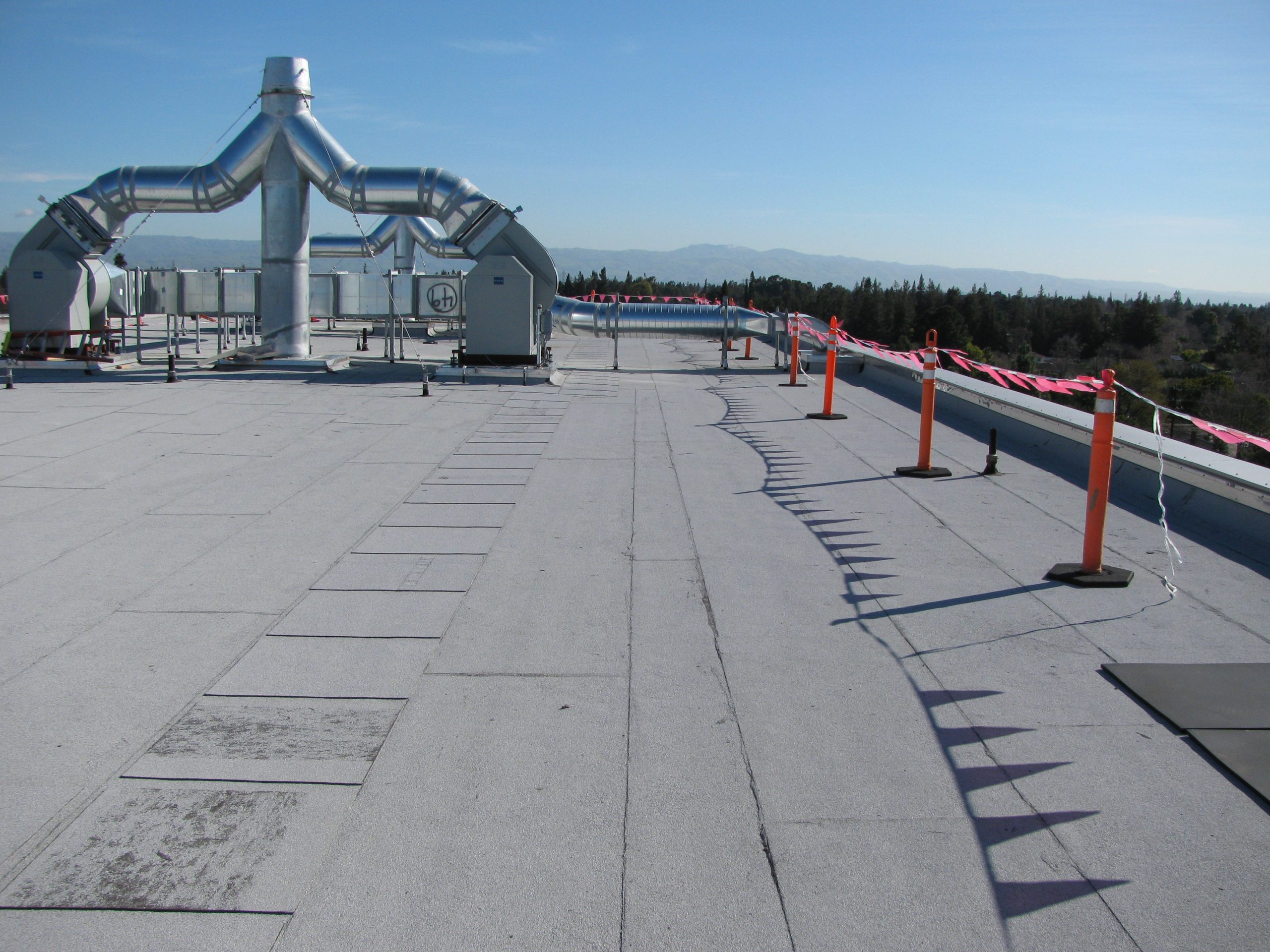
Occupied Building Re-Roofing
Occupied Building Re-Roofing is scoped around freeze-thaw cycles after spring storms, Cheyenne Regional Medical Center area offices, and Cheyenne Regional Airport facilities. The scope stays practical: stop water first, document the roof, then choose the repair or replacement path that fits the building.
View Scope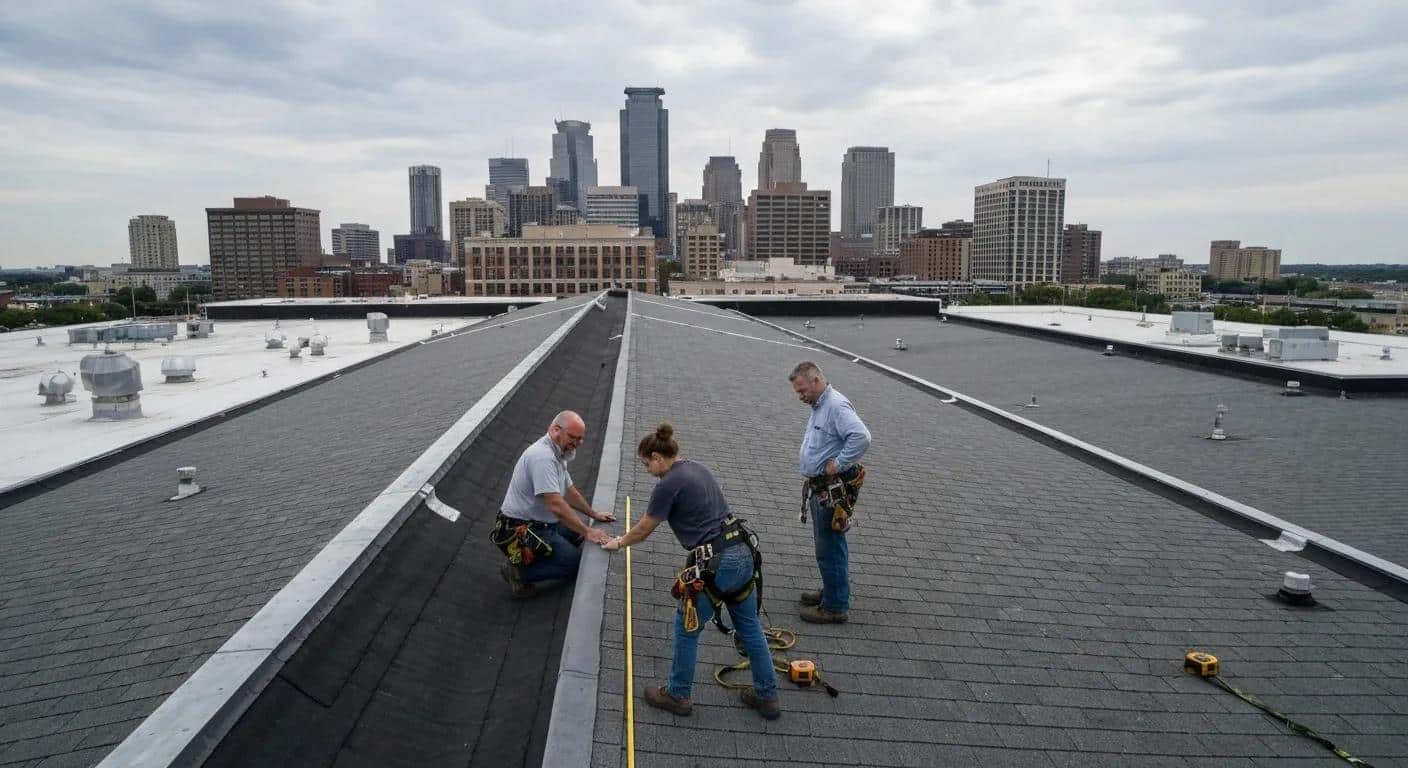
New Commercial Roofing
New Commercial Roofing is scoped around North Range Business Park warehouses, the I-25 and I-80 freight interchange, and Frontier Mall and nearby service buildings. We keep access, weather windows, and tenant disruption in the plan before crews step onto the roof.
View Scope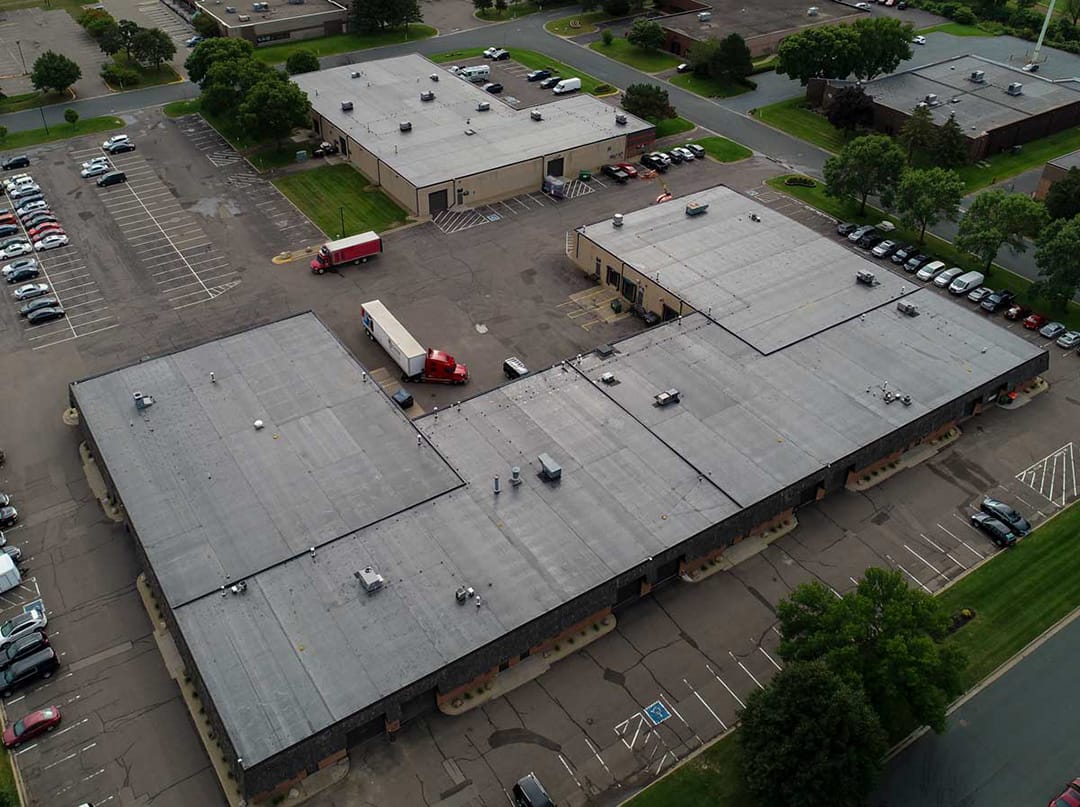
New Construction Roofing
New Construction Roofing is scoped around freeze-thaw cycles after spring storms, Cheyenne Regional Medical Center area offices, and Cheyenne Regional Airport facilities. Every recommendation is tied to observed conditions, not a prewritten roof package.
View ScopeGet the roof decision into writing.
Tell us what changed on the roof, where the building sits, and who needs the report. We will turn the next step into a clear scope.