 Contact Us Now
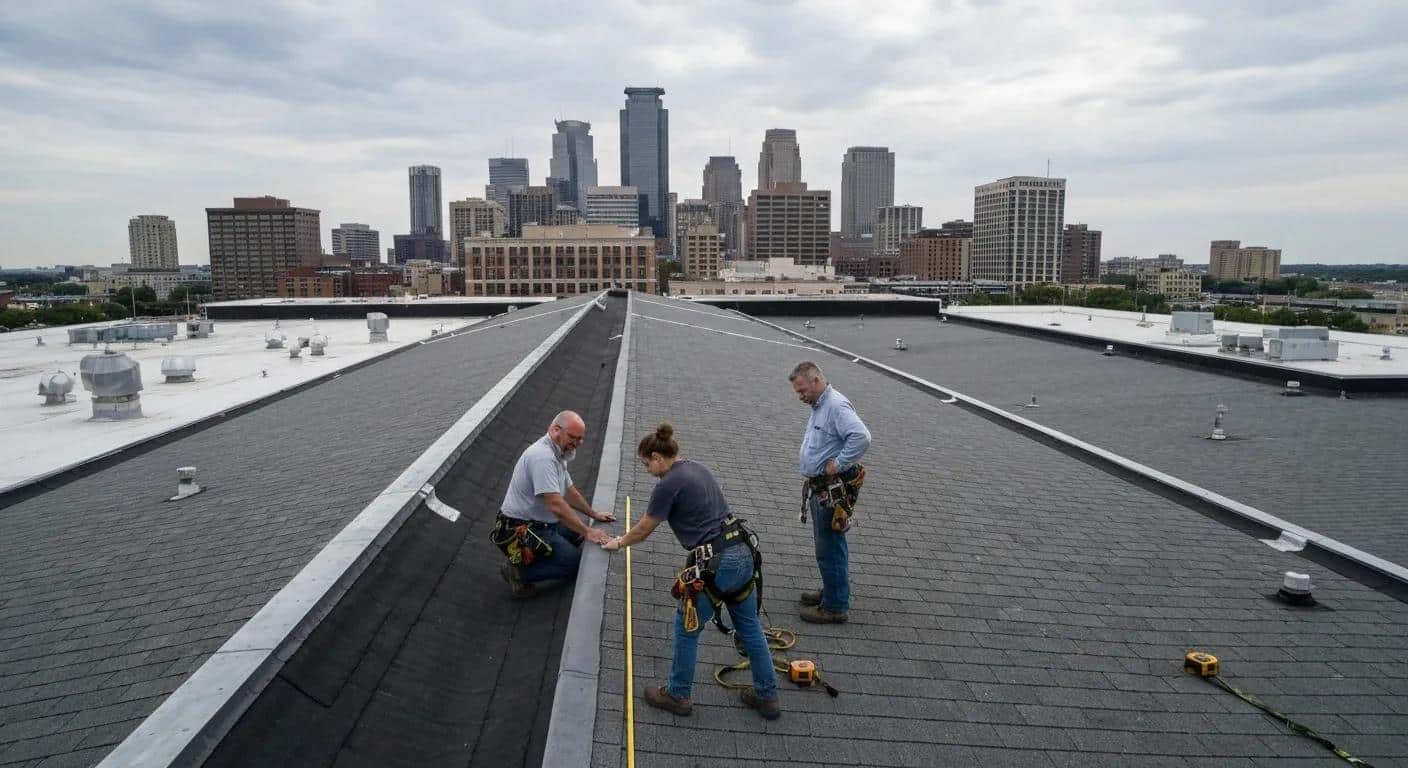
New Commercial Roofing in Cheyenne, WY
For New Commercial Roofing, we look at the roof as an operating asset, not a one-time line item. We consider North Range Business Park warehouses, the I-25 and I-80 freight interchange, Frontier Mall and nearby service buildings, and snow drift at parapets and rooftop units before we recommend work.
That keeps the scope tied to the roof that is actually on the building: membrane condition, seams, metal, drainage, rooftop units, access, tenant needs, and timing.
New commercial construction in Cheyenne is concentrated along the I-25 and I-80 growth corridors, with the Cheyenne Business Parkway and North Range Business Park leading current development activity. These projects represent an opportunity to install roofing systems that are engineered from the ground up for Cheyenne's demanding climate, rather than inheriting the drainage, edge securement, and insulation compromises that characterize much of the existing building stock. Getting the design right on a new commercial roof in Laramie County requires understanding wind speed design requirements, snow load engineering, energy code compliance, and the practical installation constraints that Wyoming's weather imposes on construction schedules.
Wind speed design for new commercial roofing in Laramie County is not optional or approximate. ASCE 7 design wind speeds for the Cheyenne area range from 110 to 130 mph depending on risk category and exposure, and roofing systems must be specified and installed to resist the uplift loads those wind speeds generate. Uplift design affects fastener density in mechanically attached membranes, adhesive coverage rates in fully adhered systems, edge metal attachment spacing and gauge, and parapet height requirements. Value engineering that reduces fastener counts or downgrades edge metal to save money on a new construction budget transfers significant risk to the building owner, a $15,000 value engineering savings on edge metal can produce a $150,000 wind damage event in the first severe wind season.
Snow load engineering on new Cheyenne commercial buildings must address both flat roof loads and drift load accumulations at vertical obstructions. The Laramie County ground snow load establishes the baseline, but mechanical equipment screens, parapet walls, and adjacent higher roof levels create drift accumulation zones where design loads are substantially higher than the flat roof value. These drift zones must be engineered into the structural system from the design phase, they cannot be addressed after the fact without structural modifications. Roof-level equipment screens, which are now standard on most commercial buildings for mechanical equipment concealment, are a particular drift concern and require coordination between the roofing and structural design teams.
Energy code compliance for new commercial roofing in Wyoming requires meeting minimum insulation R-values that have increased in recent code cycles. IECC 2021 or equivalent provisions adopted by Wyoming establish minimum continuous insulation requirements for commercial roofs that, for Cheyenne's climate zone, require substantial polyiso thickness. We work with design teams during the specifications phase to confirm that proposed insulation assemblies meet code requirements and that the specified R-values account for cold-temperature de-rating of polyiso, a factor that matters significantly in Cheyenne's winters and that is sometimes overlooked in thermal calculations prepared without climate-specific adjustment.
New commercial roof installations on Cheyenne Business Parkway projects often proceed on aggressive developer timelines that create pressure to install roofing in weather windows that may not be ideal. Spring and fall in Cheyenne bring temperature swings, wind events, and precipitation that can compromise adhesive application, seam quality, and insulation installation. We schedule work with weather monitoring and build schedule contingency for weather delays rather than pushing installation in conditions that will compromise performance. A manufacturer warranty is only as good as the installation it covers, and warranty claims on systems installed in non-compliant conditions are routinely denied.
Deck preparation and substrate verification before membrane installation are critical steps that are sometimes compressed under construction schedule pressure. A steel deck with misaligned seams, inadequate fastening, or surface contamination produces an uneven substrate that stresses the membrane at contact points and creates leak risk at low spots. Concrete decks must be tested for moisture content and surface profile before adhered membranes are applied, adhesive bond failures on improperly prepared concrete substrates are a common cause of premature membrane delamination. We verify substrate conditions before membrane work begins on every new construction project and document findings so that any required remediation is on record before the roof is covered.
Penetration coordination on new commercial construction requires active communication with the general contractor and MEP trades throughout the construction process. Penetrations added after membrane installation, which happens routinely on commercial construction projects when mechanical or electrical scope changes occur, require proper flashing that cannot be performed retroactively without cutting the membrane. We establish penetration freeze dates with the GC and provide a formal process for any post-installation penetrations so that each one is properly flashed and documented rather than field-improvised by an electrician or mechanical sub who is focused on their own scope rather than roof integrity.
Warranty selection for new commercial roofing on Cheyenne Business Parkway and North Range projects should reflect actual risk profile. Standard NDL (no-dollar-limit) warranties from major manufacturers provide meaningful protection but require manufacturer-certified installation and periodic inspections to remain valid. For large institutional or owner-occupied buildings, a 20 or 25-year NDL warranty is worth the premium over a shorter or more limited coverage option. For speculative development where the building will be sold or leased after completion, understanding what warranty terms transfer to new owners is important, some warranties are assignable and others are not.
New commercial roofing on Cheyenne projects benefits from early involvement of the roofing contractor in the design process. Specifications developed by architects unfamiliar with Wyoming-specific wind and snow requirements sometimes call for systems that are underspecified for local conditions, and catching these issues before the project goes to bid is far better than discovering them during construction or, worse, after a wind event. We participate in design-phase reviews and pre-construction meetings as a standard practice on new construction projects, and we provide written confirmation that specified systems meet local wind speed and snow load requirements before installation begins.
Questions Owners Ask
What wind speed should new commercial roofing in Cheyenne be designed for?
ASCE 7 design wind speeds for the Cheyenne area range from approximately 110 to 130 mph depending on building risk category (I through IV) and exposure category (B, C, or D). Open industrial sites like the Cheyenne Business Parkway and North Range Business Park are typically Exposure C or D, which produces higher design pressures than the same building in a more sheltered urban location. Your structural engineer of record establishes the specific design wind speed for your project, and roofing system specifications must be coordinated with that value.
Does Wyoming require a building permit for new commercial roofing?
Yes. New commercial construction roofing is covered under the building permit for the overall project. Standalone new roofing on an existing building also requires a permit in Cheyenne and Laramie County. Permit requirements include plan review for systems involving structural engineering, energy code compliance documentation, and inspection at key installation milestones. We coordinate permit applications and inspections as part of our project scope.
Can the roofing be installed during a Cheyenne winter?
Winter installation is possible but constrained. Cold temperatures affect adhesive performance, seam quality on heat-welded membranes, and the workability of sealants and mastics. Most manufacturer warranties set minimum installation temperature requirements of 40°F or higher for certain adhesives and 35°F for membrane welding. Cheyenne winters frequently fall below these thresholds for extended periods. November through March is generally considered a restricted installation window, and projects that must proceed during this period require heated enclosures, careful temperature monitoring, and additional quality control measures.
How do I coordinate roofing with other trades on a new commercial construction project?
Roofing coordination on new construction runs through the general contractor's scheduling process. We work within the GC's sequence but establish specific coordination protocols for deck readiness verification, penetration freeze dates, temporary weather protection during phased construction, and final inspection requirements. Pre-installation meetings with the GC and relevant MEP trades before roofing begins are standard practice on commercial projects. Post-installation coordination covers warranty documentation, as-built penetration maps, and owner training on inspection and maintenance requirements.
What does an NDL warranty cover, and is it worth the premium on a new Cheyenne commercial building?
An NDL (no-dollar-limit) warranty covers the cost of repair or replacement for manufacturing defects and installation failures without a dollar cap on the carrier's liability. This is significantly more valuable than a prorated or dollar-limited warranty, particularly on a large commercial roof where repair costs can be substantial. For owner-occupied or long-term-hold commercial buildings in Cheyenne, the NDL warranty premium is generally worth paying. It requires manufacturer-certified installation and periodic inspections to remain valid, both of which are good practice regardless of warranty status.
Related Roof Work
Useful next pages for this roof decision.
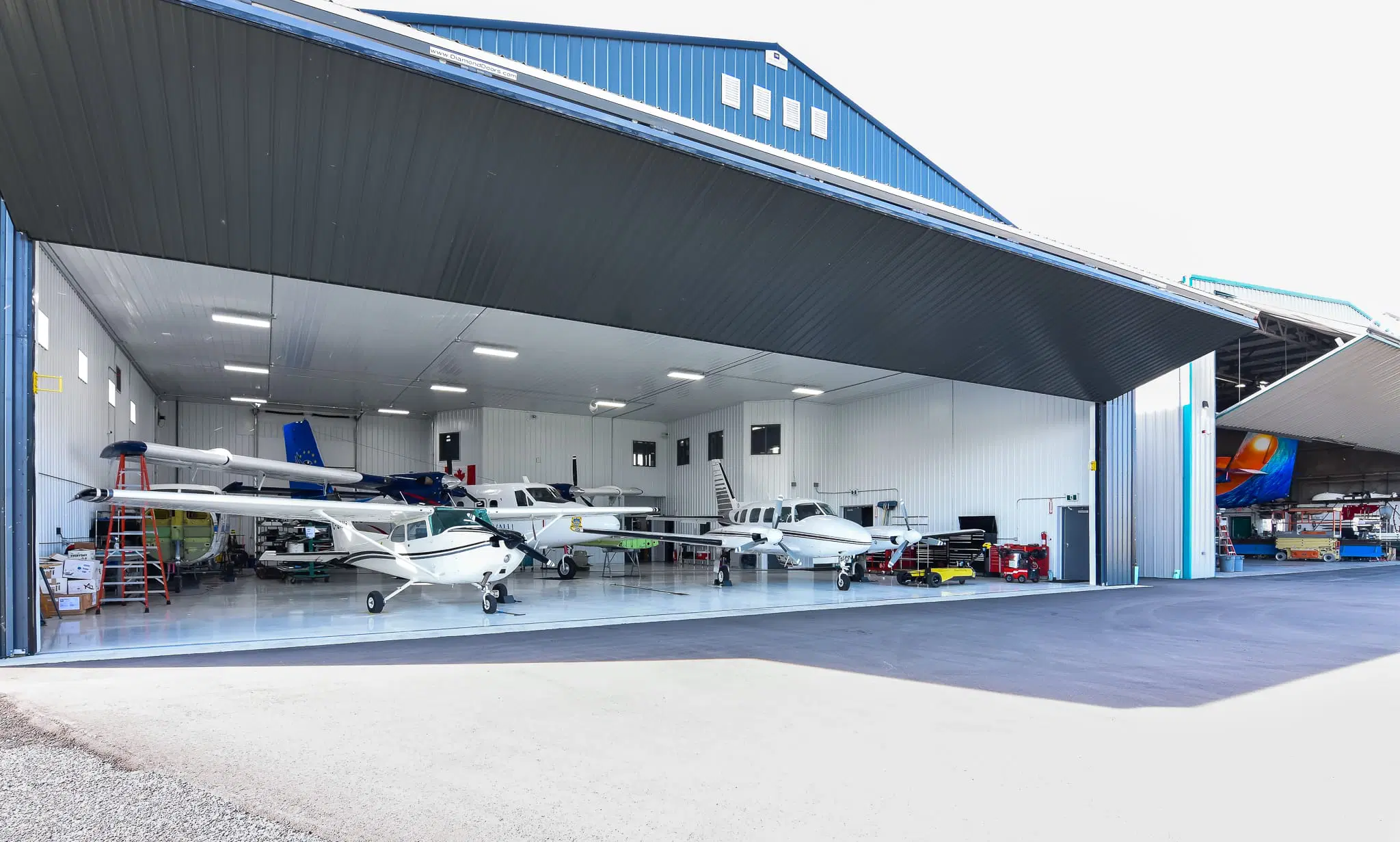
Airport Facility Roofing
Airport Facility Roofing is scoped around Dell Range Boulevard retail roofs, Lincolnway corridor storefronts, and South Cheyenne industrial sites. The scope stays practical: stop water first, document the roof, then choose the repair or replacement path that fits the building.
View Scope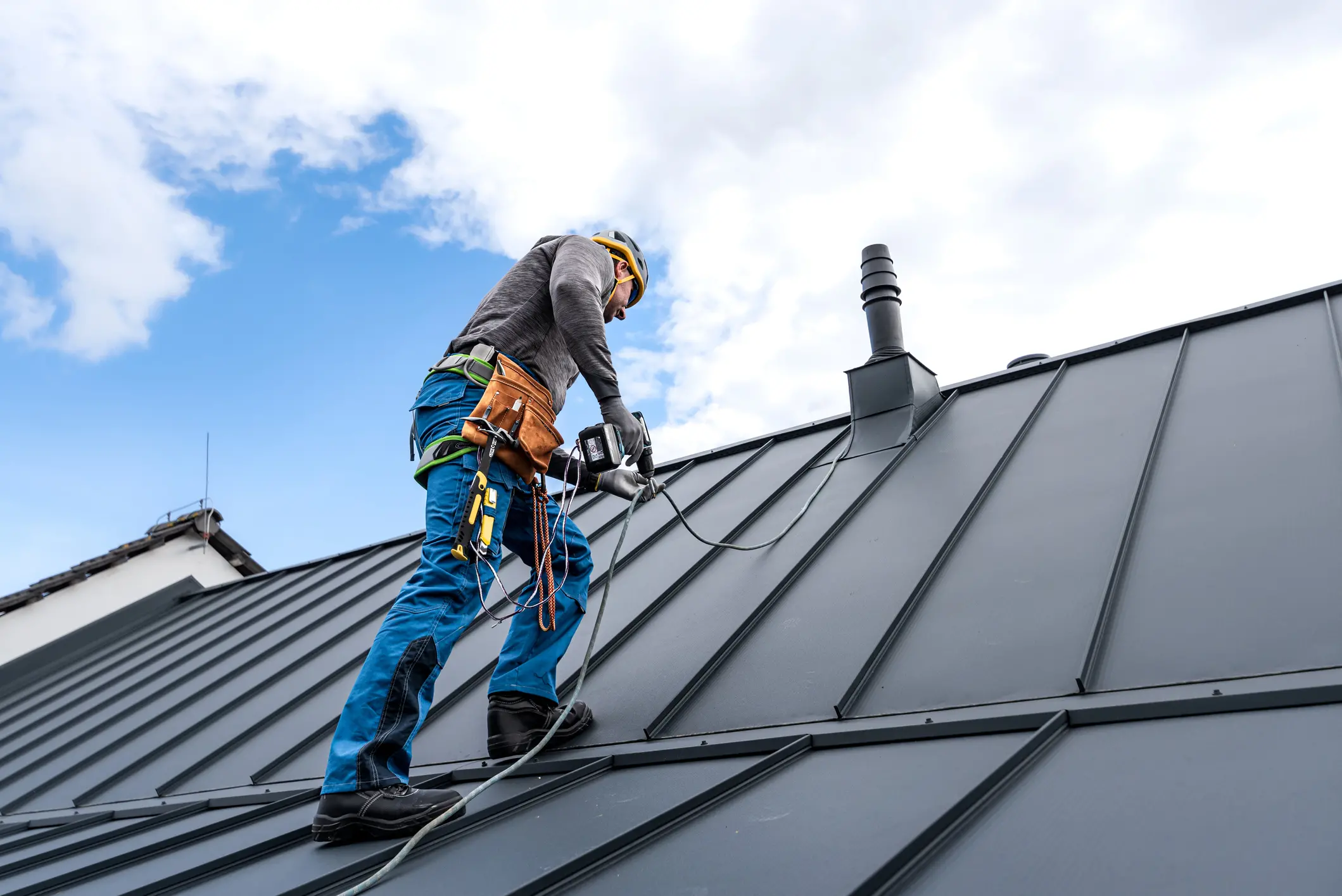
Architectural Sheet Metal
Architectural Sheet Metal is scoped around Cheyenne Regional Medical Center area offices, Cheyenne Regional Airport facilities, and High Plains wind and hail exposure. We keep access, weather windows, and tenant disruption in the plan before crews step onto the roof.
View Scope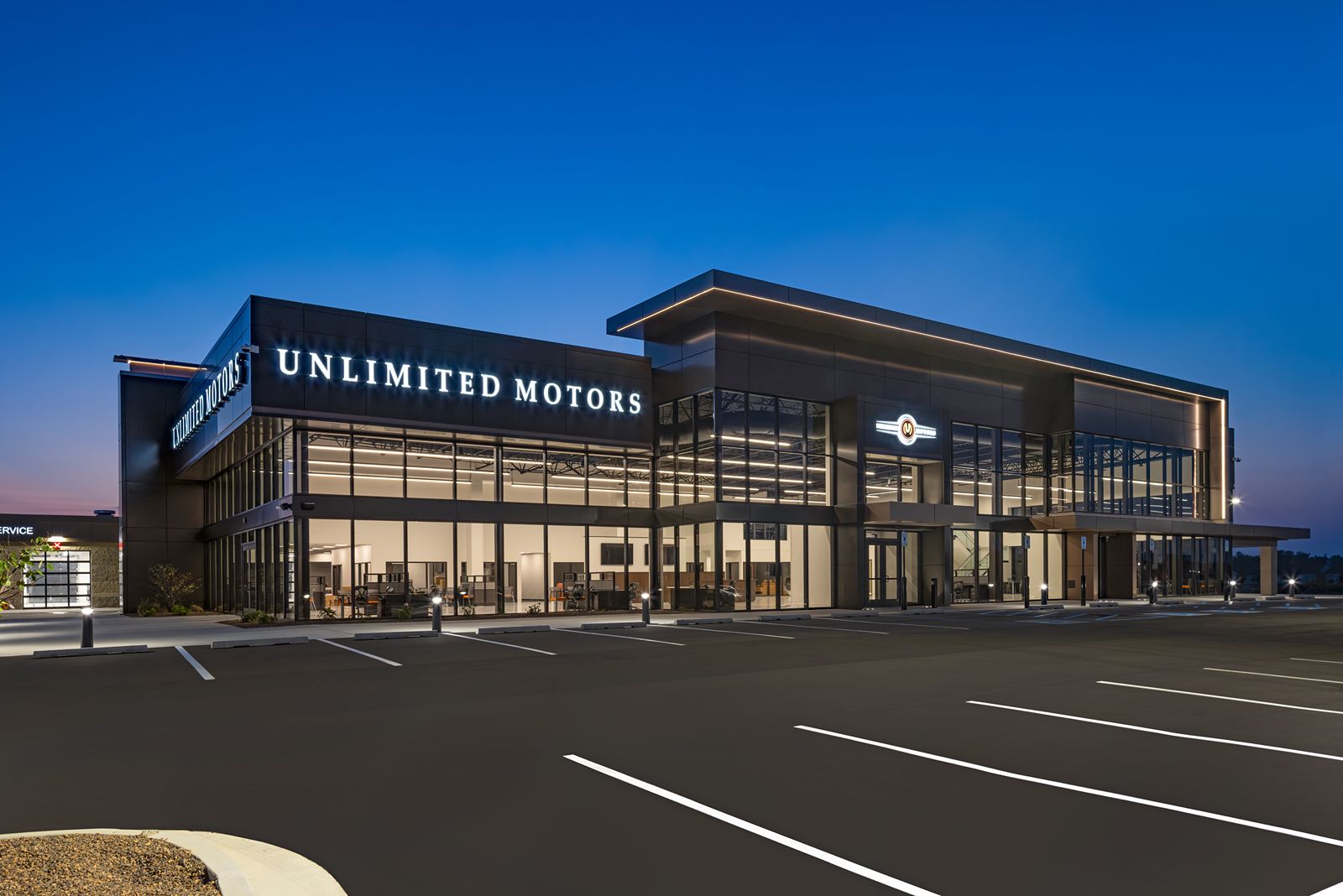
Auto Dealership Roofing
Auto Dealership Roofing is scoped around snow drift at parapets and rooftop units, Capitol Avenue office buildings, and F.E. Warren Air Force Base area contractors. Every recommendation is tied to observed conditions, not a prewritten roof package.
View ScopeGet the roof decision into writing.
Tell us what changed on the roof, where the building sits, and who needs the report. We will turn the next step into a clear scope.