 Contact Us Now
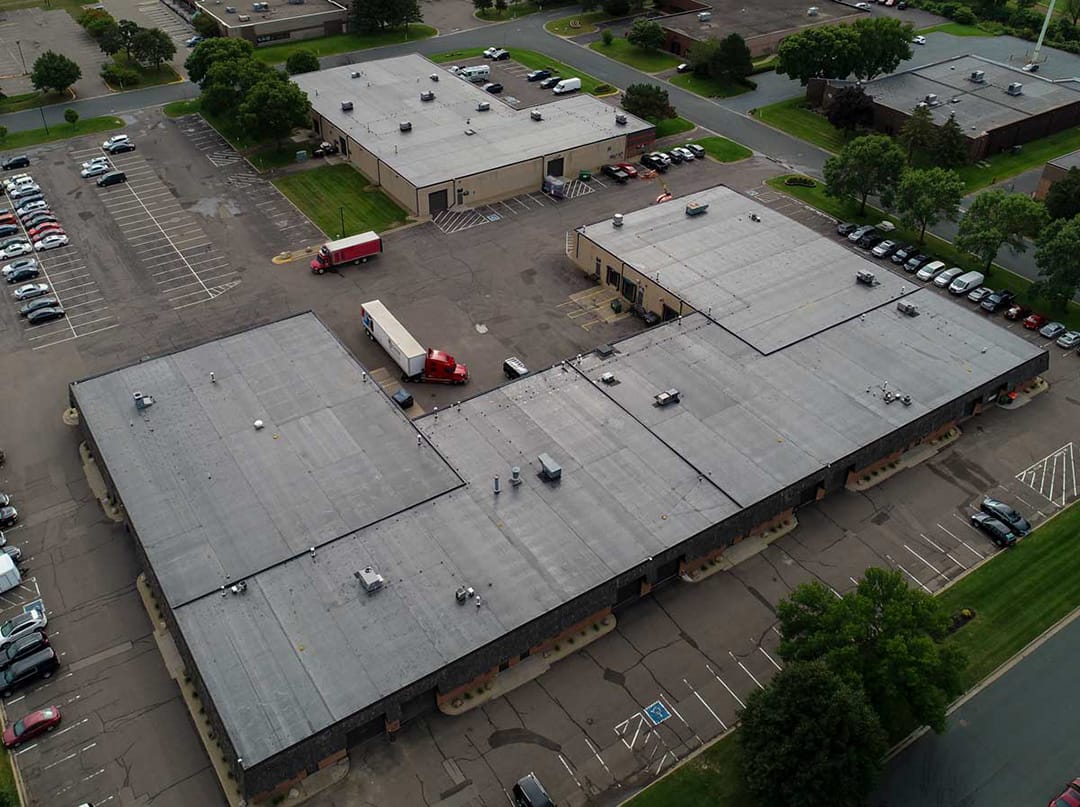
New Construction Roofing in Cheyenne, WY
New Construction Roofing works best when the repair plan, replacement timing, and documentation all point to the same decision. We consider freeze-thaw cycles after spring storms, Cheyenne Regional Medical Center area offices, Cheyenne Regional Airport facilities, and High Plains wind and hail exposure before we recommend work.
That keeps the scope tied to the roof that is actually on the building: membrane condition, seams, metal, drainage, rooftop units, access, tenant needs, and timing.
Roofing new commercial and industrial construction in Cheyenne requires more than showing up with the right membrane. It requires integrating the roofing scope into the broader construction sequence from the permit phase forward, coordinating with developers, general contractors, structural engineers, and mechanical trades so that the roof system is specified correctly, installed on a properly prepared substrate, and documented for warranty and future maintenance reference. Cheyenne's climate creates both construction-window constraints and design requirements that roofing contractors unfamiliar with high-plains Wyoming conditions routinely underestimate.
Developer coordination on new construction roofing in Cheyenne begins at the specification stage. Developers building in North Range Business Park or Cheyenne Business Parkway often work from prototype building designs developed in other markets where wind and snow load requirements differ significantly from Laramie County. When a prototype spec calls for edge metal or attachment patterns designed for a lower wind zone, we flag the discrepancy and provide the specification language needed to bring the system into compliance with Wyoming requirements. Catching these issues before bid distribution is far less disruptive than discovering them during permit review or, worse, during an inspection after installation is complete.
Inspection sequencing on new construction roofing projects follows a defined sequence that protects both the building owner and the installer. Before membrane installation, we verify deck condition, flatness, fastening pattern, surface contamination, and for concrete decks, moisture content. After insulation installation, we verify board alignment, fastener placement, and lap joint integrity before the membrane goes down. After membrane installation, seams are tested by probe or electronic leak detection before any flashings are terminated. Final inspection covers the complete assembly including edge metal, flashings, penetrations, and drainage components. Each inspection is documented in the project file, creating a record that supports the manufacturer warranty and provides a baseline for future condition assessments.
Decking and substrate verification is a step that new construction schedules sometimes compress when structural steel or concrete work runs behind and schedule pressure builds on trades that follow. We do not install membrane on substrates that are not ready, and we document substrate conditions formally before beginning installation. A steel deck with inadequate fastening to structural members is a structural concern as well as a roofing concern, under wind uplift, fasteners that pull from improperly attached deck panels take the membrane with them. We verify deck attachment patterns against structural drawings when they are available, and we flag discrepancies to the GC and structural engineer of record rather than proceeding over a non-conforming substrate.
Temporary weather protection during the construction phase is a critical service on Cheyenne new construction projects where the building shell may be incomplete when weather events occur. A steel building under construction with the roof deck installed but no membrane in place is vulnerable to wind-driven precipitation that saturates insulation, damages interior finishes, and delays subsequent trades. We provide and maintain temporary weather protection covers and phased installation sequences that minimize the duration of unprotected deck exposure. In Cheyenne, where spring snowstorms and summer hail events can arrive with limited warning, construction phase weather protection is not a luxury, it is a routine operational requirement.
Mechanical, electrical, and plumbing trade coordination is a sustained effort throughout a new construction roofing project. Roof penetrations for HVAC curbs, electrical conduit, plumbing vents, and specialty equipment are often added, relocated, or resized as the project progresses, and every change affects flashing scope and sequence. We establish a formal penetration tracking process on every new construction project so that each penetration, regardless of when it is introduced, receives proper flashing that is installed in the correct sequence relative to the membrane. Penetrations flashed after the membrane is installed require more extensive remediation than those incorporated during initial installation, and a tracking process prevents the informal "just cut a hole and caulk it" approach that creates future leak points.
New construction roofing in Cheyenne must account for the building's operational profile in the thermal design. A warehouse with minimal HVAC in the Logistics Hub has different vapor drive characteristics than a conditioned office building on Dell Range Boulevard, and the insulation assembly, particularly the vapor retarder placement, must reflect those differences. Installing a vapor retarder in the wrong position relative to the dew point in the assembly creates a condensation plane within the insulation that leads to moisture accumulation and reduced thermal performance. For buildings with unusual interior moisture conditions, food processing, refrigerated storage, natatorium, or similar, a hygrothermal analysis of the proposed assembly is warranted before specification is finalized.
Warranty documentation on new construction roofing projects should be completed and delivered to the building owner before the project closeout. Manufacturer warranty registration, installation inspection reports, the complete penetration map, and maintenance instructions are all components of a complete warranty package. Many building owners receive incomplete warranty packages at closeout, missing registration forms, undocumented penetrations, or absent inspection records, and discover the gaps only when a warranty claim is submitted years later. We prepare and deliver complete warranty packages as a standard project deliverable and coordinate manufacturer warranty inspections where required as a condition of warranty issuance.
New construction roofing on Cheyenne projects benefits from established relationships between the roofing contractor and the general contractor that go beyond a single project. Developers and GCs who work repeatedly in Cheyenne's market understand that roofing is a schedule-critical trade that is affected by weather more than most others, and they plan accordingly. Pre-established working relationships allow for faster coordination on weather delays, substrate issues, and trade conflicts, and they produce better-quality documentation and closeout packages than projects where the roofing contractor is unfamiliar to the GC. We maintain active relationships with Cheyenne-area general contractors and developers, and those relationships translate into smoother projects for building owners.
Questions Owners Ask
When in the construction sequence should the roofing contractor be engaged?
Ideally at or before the bid phase, so that specifications can be reviewed for local wind and snow compliance before the project goes to bid. At minimum, the roofing contractor should be on board before structural steel or concrete is complete, so that deck preparation requirements can be coordinated before the substrate is ready for inspection. Late engagement, bringing in the roofer after the deck is installed and the schedule is tight, is the most common cause of specification shortcuts, substrate acceptance compromises, and inadequate documentation on new construction roofing projects.
How does a Cheyenne new construction project handle weather delays during roofing?
Weather delays are built into the schedule as contingency from the beginning. Roofing in Wyoming is subject to late spring snowstorms, summer hail, and sustained high winds that shut down installation for safety or quality reasons. We track weather windows and communicate daily with the GC during active installation phases. Temporary weather protection covers uninstalled deck areas when work must stop. Schedule contingency of two to three weeks for roofing on a typical Cheyenne commercial building is reasonable planning, projects that have no weather contingency tend to produce installations done in marginal conditions to meet a hard deadline.
What documentation should I receive at project closeout for a new construction roof?
Complete closeout documentation includes the manufacturer warranty registration confirmation, all installation inspection reports (substrate, insulation, membrane, and final), a penetration-as-built drawing showing the location of every roof penetration and its flashing type, maintenance instructions, and drain and scupper locations. Emergency contact information for warranty service should also be included. We recommend storing this package with the building's permanent records and providing a copy to the property manager responsible for ongoing maintenance.
What is the difference between a roofing subcontractor and a roofing contractor on a new construction project?
On most new commercial construction projects, the roofing firm works as a subcontractor to the general contractor. The GC holds the prime contract with the owner and is responsible for overall construction coordination. The roofing sub is responsible for the roofing scope, including installation, inspections, and warranty documentation. On design-build or owner-direct projects, the roofing contractor may hold a prime contract directly with the owner. Either arrangement works well when roles and responsibilities are clearly defined, the key is ensuring that the roofing contractor's scope is complete and that owner obligations for warranty maintenance are clearly understood at project handoff.
Can new construction roofing in Cheyenne be warranted if installed in winter?
Manufacturer warranties require installation in conditions that meet product specifications, minimum temperatures for adhesives, seam welding, and sealants. Some winter installation is possible with heated enclosures and enhanced quality control, but extended periods below manufacturer minimums prevent warranted installation. If your construction schedule requires roofing during November through March, discuss the specific schedule and weather risk with us early, there may be options for temporary protection, phased installation, or schedule adjustment that allow warranted installation without compromising the project timeline.
Related Roof Work
Useful next pages for this roof decision.
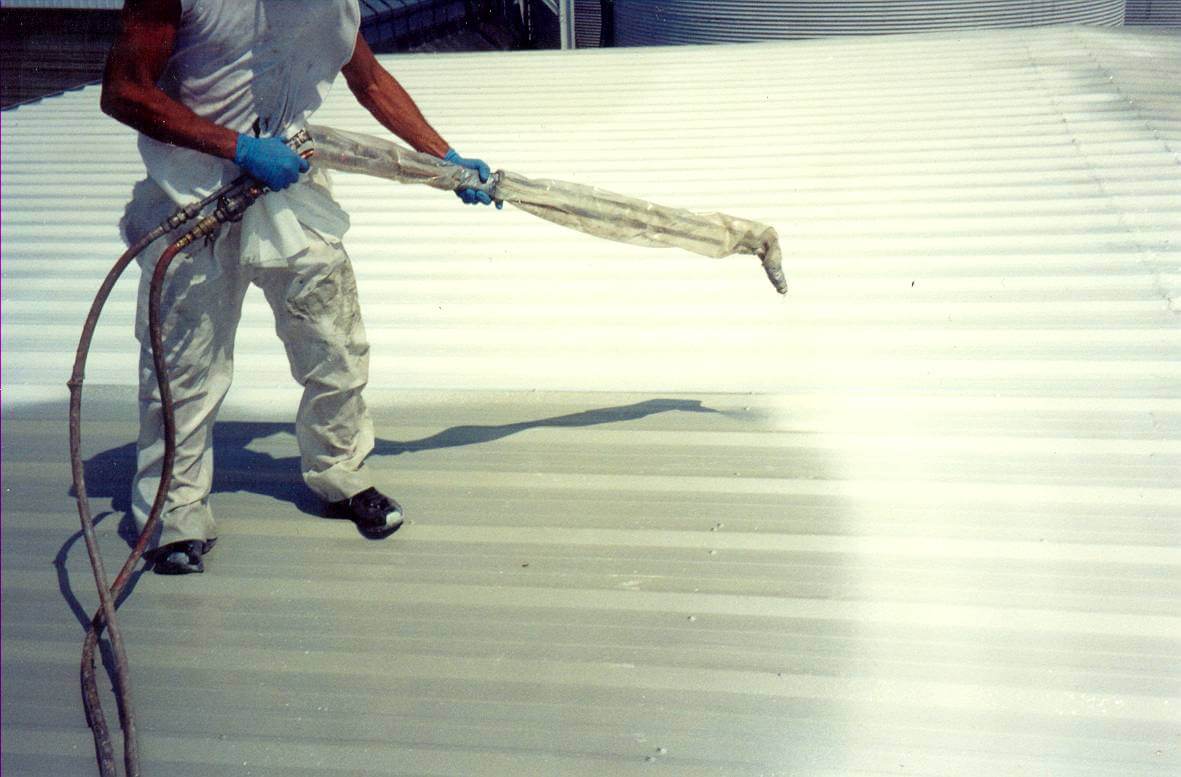
Commercial Roof Coatings
Commercial Roof Coatings is scoped around the I-25 and I-80 freight interchange, Frontier Mall and nearby service buildings, and snow drift at parapets and rooftop units. The scope stays practical: stop water first, document the roof, then choose the repair or replacement path that fits the building.
View Scope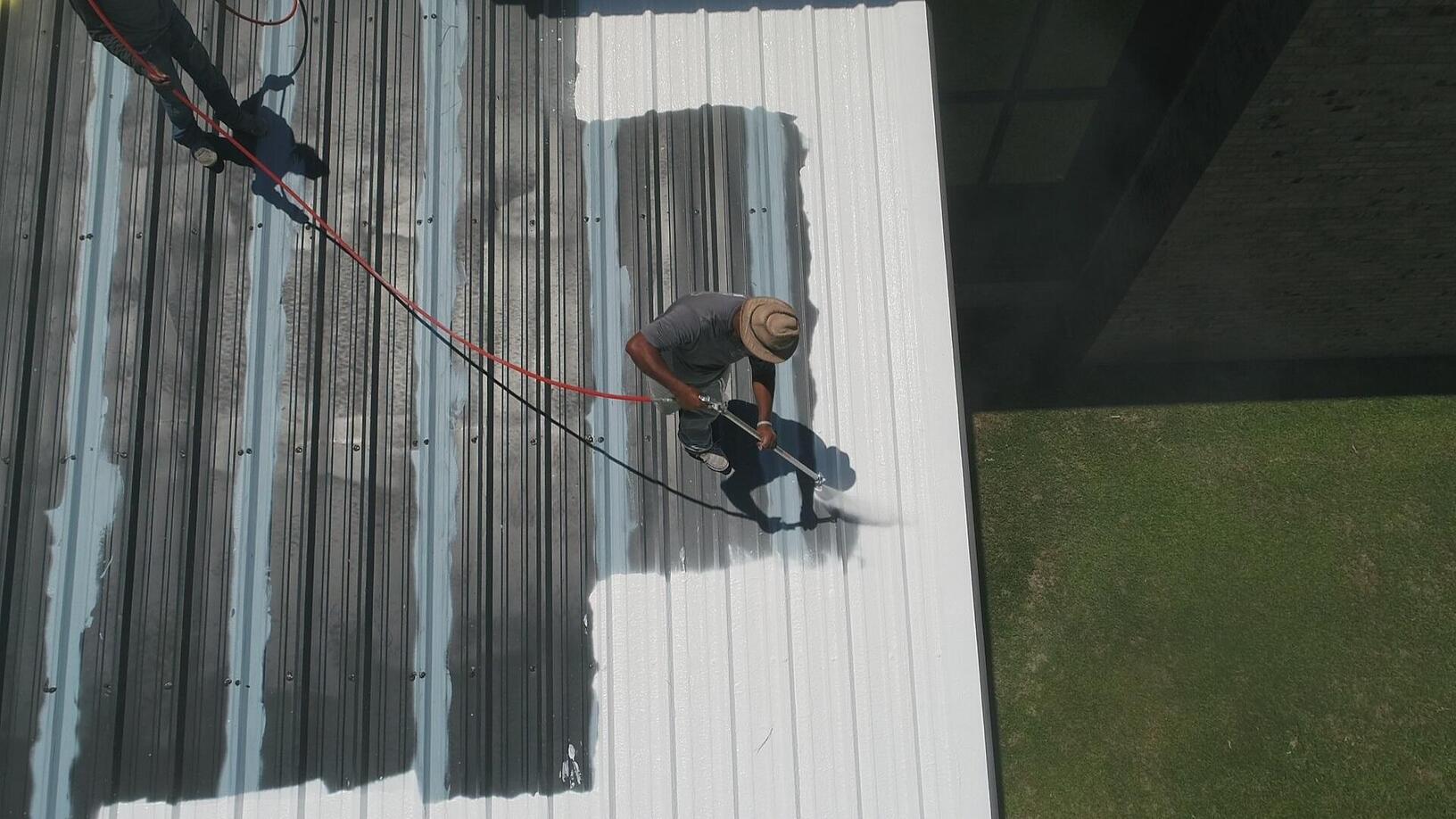
Commercial Roof Restoration
Commercial Roof Restoration is scoped around Cheyenne Logistics Hub properties, North Range Business Park warehouses, and the I-25 and I-80 freight interchange. We keep access, weather windows, and tenant disruption in the plan before crews step onto the roof.
View Scope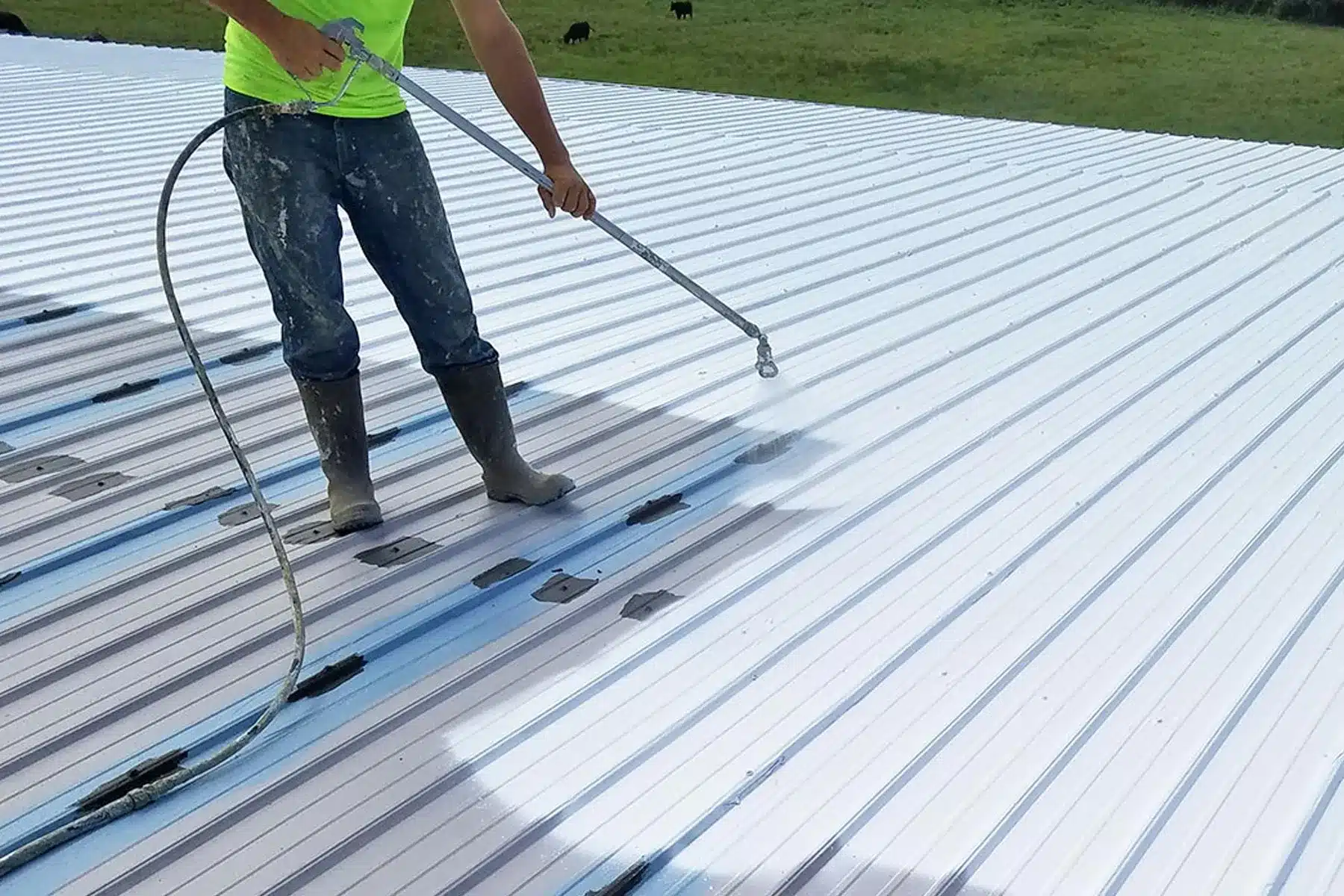
Fluid-Applied Roofing
Fluid-Applied Roofing is scoped around South Cheyenne industrial sites, Laramie County business parks, and Cheyenne Logistics Hub properties. Every recommendation is tied to observed conditions, not a prewritten roof package.
View ScopeGet the roof decision into writing.
Tell us what changed on the roof, where the building sits, and who needs the report. We will turn the next step into a clear scope.