 Contact Us Now
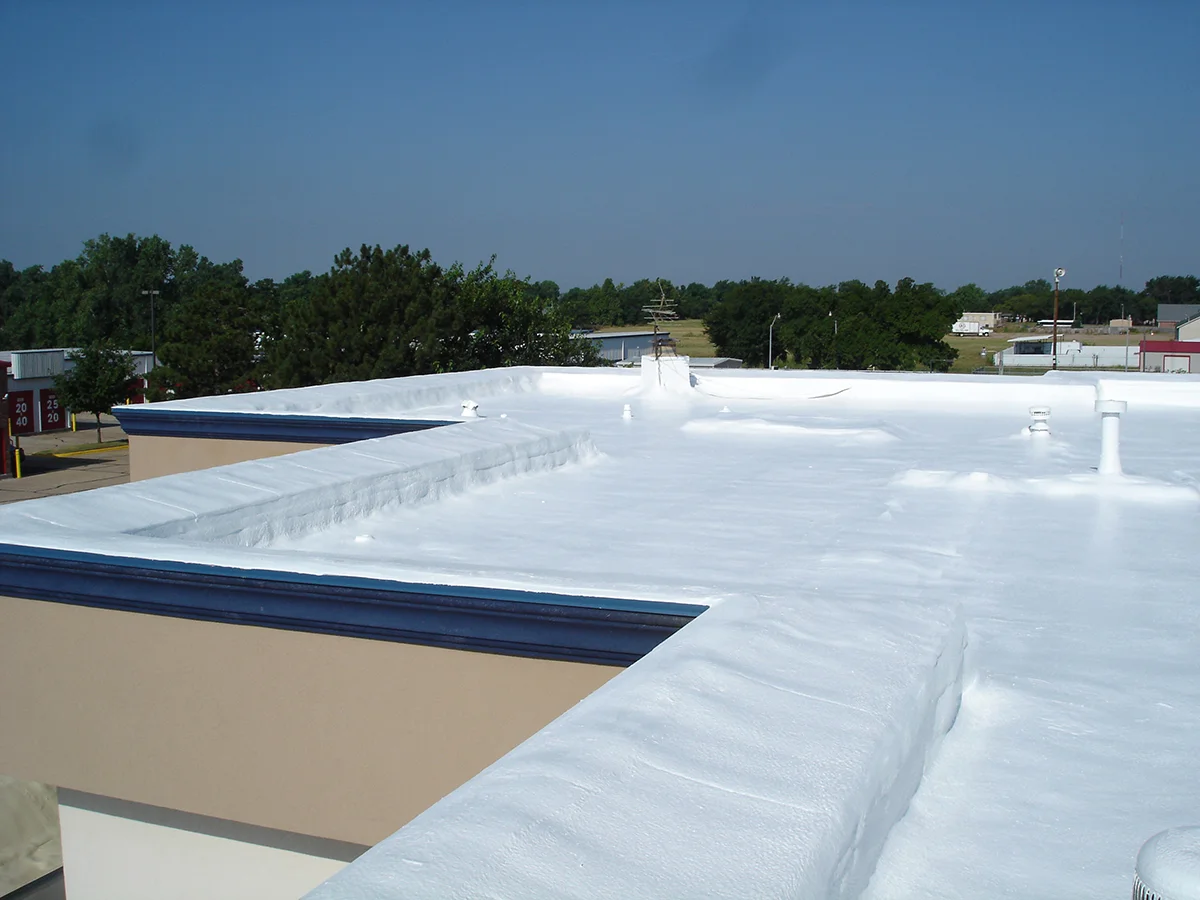
Spray Foam Roofing in Cheyenne, WY
Spray Foam Roofing is not useful until the roof condition, access plan, and weather risk are clear. We consider Cheyenne Regional Airport facilities, High Plains wind and hail exposure, Laramie County public buildings, and Dell Range Boulevard retail roofs before we recommend work.
That keeps the scope tied to the roof that is actually on the building: membrane condition, seams, metal, drainage, rooftop units, access, tenant needs, and timing.
Spray polyurethane foam roofing is one of the most climate-appropriate systems available for Cheyenne's irregular-geometry industrial buildings, but it is also one of the most installation-sensitive systems in the commercial roofing portfolio. SPF bonds directly to the substrate, fills all voids and joints, and creates a seamless monolithic assembly that eliminates the lap seams and penetration flashings that are the primary failure points on conventional membrane systems. For a Cheyenne industrial building with a complex metal roof full of penetrations, irregular geometry, and thermal bridging at fastener locations, SPF can deliver performance that no sheet membrane system can match. The challenge is that Cheyenne's climate imposes installation constraints, temperature, humidity, and wind, that narrow the viable spray window significantly compared to most US markets.
The application weather window for SPF in Wyoming is genuinely narrow. SPF requires substrate temperatures above 50°F, ambient temperatures above 40°F, relative humidity below 85%, and wind speeds below 15 mph at the application point. In Cheyenne, these conditions align reasonably well from late May through early September, a four-month window in a good year. Spring and fall shoulder season days that look acceptable in the morning can violate one or more parameters by afternoon as winds pick up or temperatures drop. SPF contractors who push applications in marginal conditions produce foam with compromised cell structure, poor adhesion, and inadequate density, failures that are not visible on the surface but that show up as delamination, water infiltration, and accelerated deterioration within two to three years of installation.
Silicone coating as a topcoat over SPF is not optional in Cheyenne's environment, it is required for system performance and durability. Exposed SPF oxidizes and degrades rapidly under UV exposure, and at Cheyenne's altitude the UV index is significantly higher than at sea level. An uncoated or inadequately coated SPF roof will develop surface chalking, erosion, and ultimately membrane-level degradation within three to five years of installation. The silicone topcoat provides UV protection, moisture resistance, and the ponding water performance that SPF alone cannot deliver. Silicone topcoat minimum thickness is typically 20 to 30 mils dry film, and in Cheyenne's climate we recommend the upper end of that range given the UV exposure and temperature cycling the topcoat will experience.
Metal roofing on Cheyenne industrial buildings in North Range, Campstool, and the Business Parkway is the primary application context for SPF roofing in this market. Older standing-seam and ribbed metal panels that have failing lap sealants, rust-compromised fasteners, and thermal bridging at purlin locations are excellent SPF candidates. SPF applied over properly prepared metal fills the corrugate profile, bridges lap joints, and covers fastener heads in a continuous insulated membrane that eliminates all of the original failure points simultaneously. The result is an assembly with significantly better thermal performance than the original metal roof, superior wind resistance due to the adhesive bond, and no lap seams to maintain. For industrial buildings where operational requirements make traditional re-roofing logistics difficult, SPF with minimal material staging and rapid application is operationally attractive as well.
Substrate preparation for SPF on Cheyenne metal roofs requires cleaning, mechanical repair of severely corroded areas, and pre-treatment of all penetrations and transitions. SPF does not bridge holes or heavily corroded sections, it conforms to the substrate it is sprayed on, which means compromised substrate becomes a weak point in the SPF assembly. Rust scale must be removed to bare metal or at minimum to a sound oxidized surface that will accept SPF adhesion. Severely corroded sections must be replaced or reinforced before application. Penetrations and curbs must be stabilized and pre-flashed where geometry would prevent adequate SPF coverage. Thorough substrate preparation on a Cheyenne industrial metal roof before SPF application is a full day of work on a large building, shortcuts here produce failures that appear within the first year of the SPF installation.
SPF thickness is a performance and code compliance variable that requires careful specification. For Cheyenne's Climate Zone 6B requirements, the SPF layer must achieve adequate R-value, typically requiring 3 to 4 inches of closed-cell SPF for compliance with current energy code minimums. Closed-cell SPF at 6.5 R-value per inch achieves this in a thickness profile that also provides adequate structural depth for the wind uplift resistance that Wyoming wind zones require. Open-cell SPF is not appropriate for exterior roofing applications in any climate, only closed-cell SPF provides the moisture resistance and structural strength needed for a roofing assembly. Proposals for Cheyenne commercial roofing that specify open-cell foam should be rejected.
Re-coat intervals for silicone-topped SPF roofs in Cheyenne are more frequent than in lower-UV, lower-temperature-extreme markets. The combination of altitude UV and temperature cycling that degrades silicone coatings means that Cheyenne SPF roofs should plan for a topcoat re-application at 10 to 12 years rather than the 15 years that might be appropriate in a more moderate climate. The re-coat process is straightforward, clean the existing silicone surface, address any areas where the SPF substrate has been exposed, and apply a new silicone topcoat to restore full UV protection and film thickness. This re-coat extends the SPF substrate's service life for another decade without requiring the SPF to be removed or the substrate to be re-prepared, making SPF one of the most cost-effective long-term roofing investments for appropriate Cheyenne applications.
Quality control during SPF application requires real-time monitoring that experienced applicators perform as standard practice but that should be verified by the building owner or their representative. Foam density, measured by cutting small test samples and weighing them, should fall within the 2.5 to 3.0 pcf range for roofing-grade closed-cell SPF. Foam cell structure should be uniform and fine-celled without voids or excessively large cells that indicate improper mix ratio or application conditions. Topcoat thickness should be measured by wet mil gauge during application and verified by dry mil gauge after cure. We provide quality control documentation for all SPF projects and are transparent about any areas where conditions required us to stop work and resume under better conditions.
Long-term performance of SPF roofing on Cheyenne commercial buildings is well-documented in markets with similar climates. The seamless, bonded nature of SPF eliminates the mechanical failure mechanisms that limit conventional membrane systems, there are no seams to open, no fasteners to back out, and no lap adhesives to fail. The primary performance management requirement is topcoat maintenance, which is predictable and affordable compared to the repair costs associated with seam failures and hail damage on conventional single-ply systems. For Cheyenne industrial building owners who are tired of recurring maintenance on aging metal roofs or conventional membranes, SPF with a proper silicone topcoat is a system worth serious evaluation.
Questions Owners Ask
How narrow is the SPF application window in Cheyenne, and how does that affect project scheduling?
The reliable application window in Cheyenne is late May through early September, roughly 14 to 16 weeks. Within that window, individual days may be excluded by wind, humidity, or temperature conditions, particularly in May and September. We build weather contingency of 20 to 30 percent into SPF project schedules and monitor daily forecasts to maximize productive spray days within the window. Projects requiring SPF application that are not contracted and mobilized by June should plan for a possible extension into the following spring if weather interruptions consume available schedule. SPF is not a system for projects with inflexible fall completion deadlines in Cheyenne.
Is spray foam roofing a good choice for a flat commercial building, or only for metal roofs?
SPF is appropriate for both metal and flat commercial roofs, though the application context differs. On metal roofs, SPF's ability to fill corrugated profiles, bridge lap joints, and cover fasteners in a single application is a strong advantage. On flat commercial roofs, SPF provides seamless coverage and the ability to build up slope in specific areas to improve drainage, a useful benefit on Cheyenne buildings with chronic drainage problems. On flat roofs with complex penetration patterns, SPF eliminates the need for individual penetration flashings, which can reduce both installation cost and long-term maintenance burden. We assess each building's specific characteristics to determine whether SPF or a conventional membrane system is the better fit.
What happens if SPF is applied in conditions that are outside the acceptable range?
Off-ratio or cold-application SPF produces foam with compromised physical properties, reduced density, poor adhesion to the substrate, and inadequate compressive strength. These problems are not always visible on the surface immediately after application but become apparent as the foam delaminates from the substrate, absorbs moisture at surface voids, and erodes more rapidly under UV and mechanical stress. A poor SPF installation looks the same as a good one for the first few months and then fails progressively. This is why weather monitoring and go/no-go discipline during application is essential, the building owner cannot inspect their way to a quality result after the fact.
How does SPF compare to TPO in cost and performance for a Cheyenne industrial building?
Installed cost for SPF with silicone topcoat is typically comparable to or slightly higher than 60-mil TPO installation on a straightforward flat roof. On complex metal roofs with significant penetrations and irregular geometry, SPF can be cost-competitive with or less expensive than TPO because it requires less labor-intensive flashing work. Performance comparison favors SPF on complex-geometry buildings and in high-hail environments, the seamless nature of SPF eliminates the seam and flashing failures that are primary TPO maintenance items, and SPF is more resistant to hail damage than TPO membranes. Over a 20-year horizon that includes silicone re-coat, SPF total cost of ownership is typically competitive with TPO when maintenance costs are included.
Can SPF be applied over an existing built-up or modified bitumen roof?
Yes, subject to substrate assessment. SPF adheres to existing built-up and modified bitumen roofs when the substrate is clean, dry, and structurally sound. Core cuts to confirm insulation dryness and surface prep to remove loose gravel, debris, and contamination are required before application. Severely deteriorated or wet existing assemblies must be removed before SPF application, SPF over a wet substrate traps moisture and creates a vapor pressure problem that will delaminate the SPF from below. For existing BUR or mod-bit roofs in sound condition, SPF over-application is a legitimate restoration option that adds insulation value and eliminates existing lap seams in a single application.
Related Roof Work
Useful next pages for this roof decision.
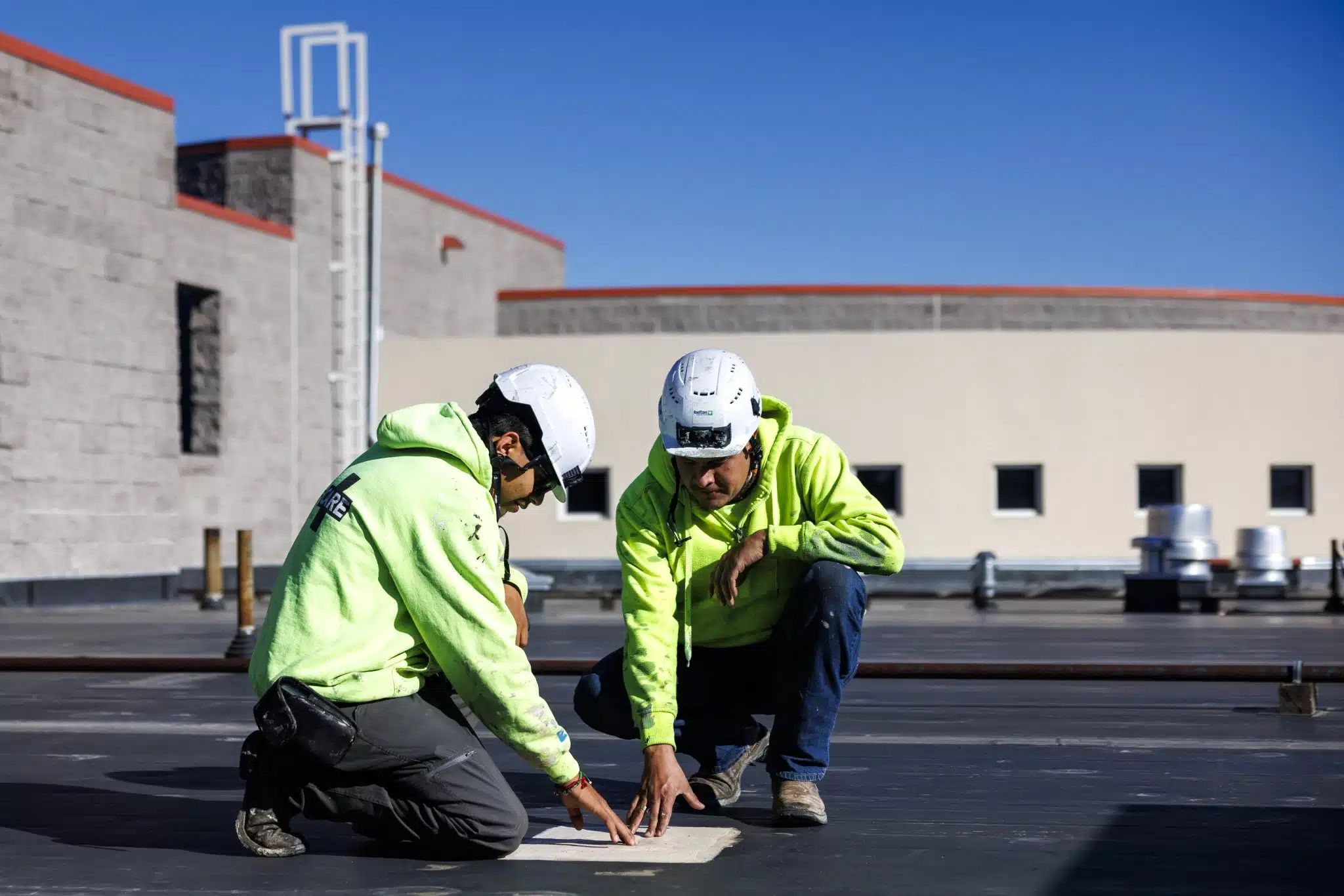
Commercial Roof Maintenance Contracts
Commercial Roof Maintenance Contracts is scoped around freeze-thaw cycles after spring storms, Cheyenne Regional Medical Center area offices, and Cheyenne Regional Airport facilities. The scope stays practical: stop water first, document the roof, then choose the repair or replacement path that fits the building.
View Scope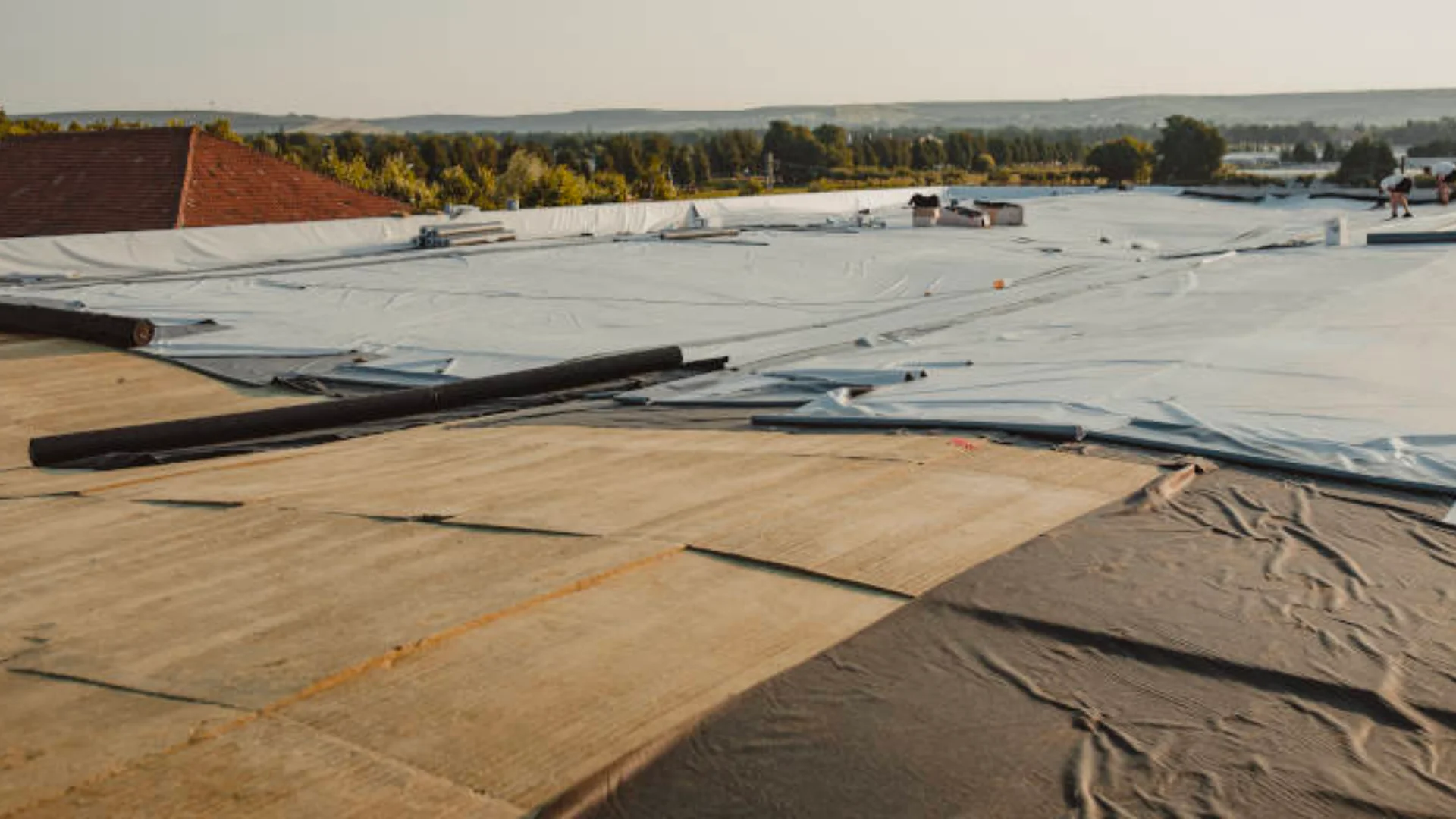
Emergency Roof Repair
Emergency Roof Repair is scoped around Laramie County business parks, Cheyenne Logistics Hub properties, and North Range Business Park warehouses. We keep access, weather windows, and tenant disruption in the plan before crews step onto the roof.
View Scope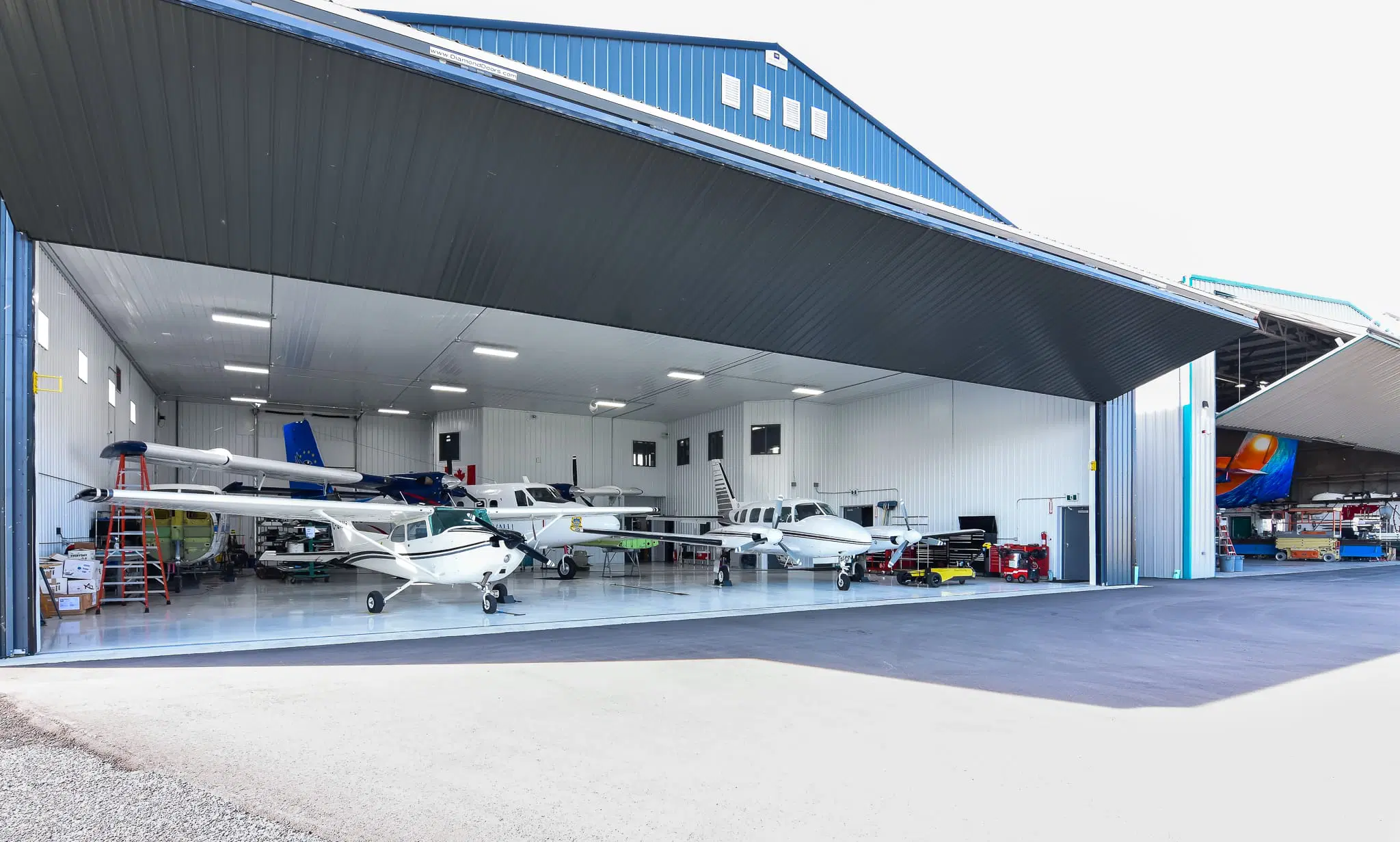
Airport Facility Roofing
Airport Facility Roofing is scoped around Dell Range Boulevard retail roofs, Lincolnway corridor storefronts, and South Cheyenne industrial sites. Every recommendation is tied to observed conditions, not a prewritten roof package.
View ScopeGet the roof decision into writing.
Tell us what changed on the roof, where the building sits, and who needs the report. We will turn the next step into a clear scope.