 Contact Us Now
Drone Roof Inspection in Cheyenne, WY
Drone Roof Inspection is not useful until the roof condition, access plan, and weather risk are clear. We consider North Range Business Park warehouses, the I-25 and I-80 freight interchange, Frontier Mall and nearby service buildings, and snow drift at parapets and rooftop units before we recommend work.
That keeps the scope tied to the roof that is actually on the building: membrane condition, seams, metal, drainage, rooftop units, access, tenant needs, and timing.
Wyoming's commercial market concentrates in Cheyenne and Casper, with the I-80 commercial corridor, the Warren AFB support service ring, the College Drive and Dell Range commercial belts, and the Casper Events Center district. Drone-based roof inspection in this market delivers thermal-imaging moisture mapping and GPS-tagged photographic documentation that supports insurance claims, capital planning, and pre-construction specification, eliminating the guesswork of manual walkovers on large commercial roofs and producing the documentation format that commercial property adjusters require.
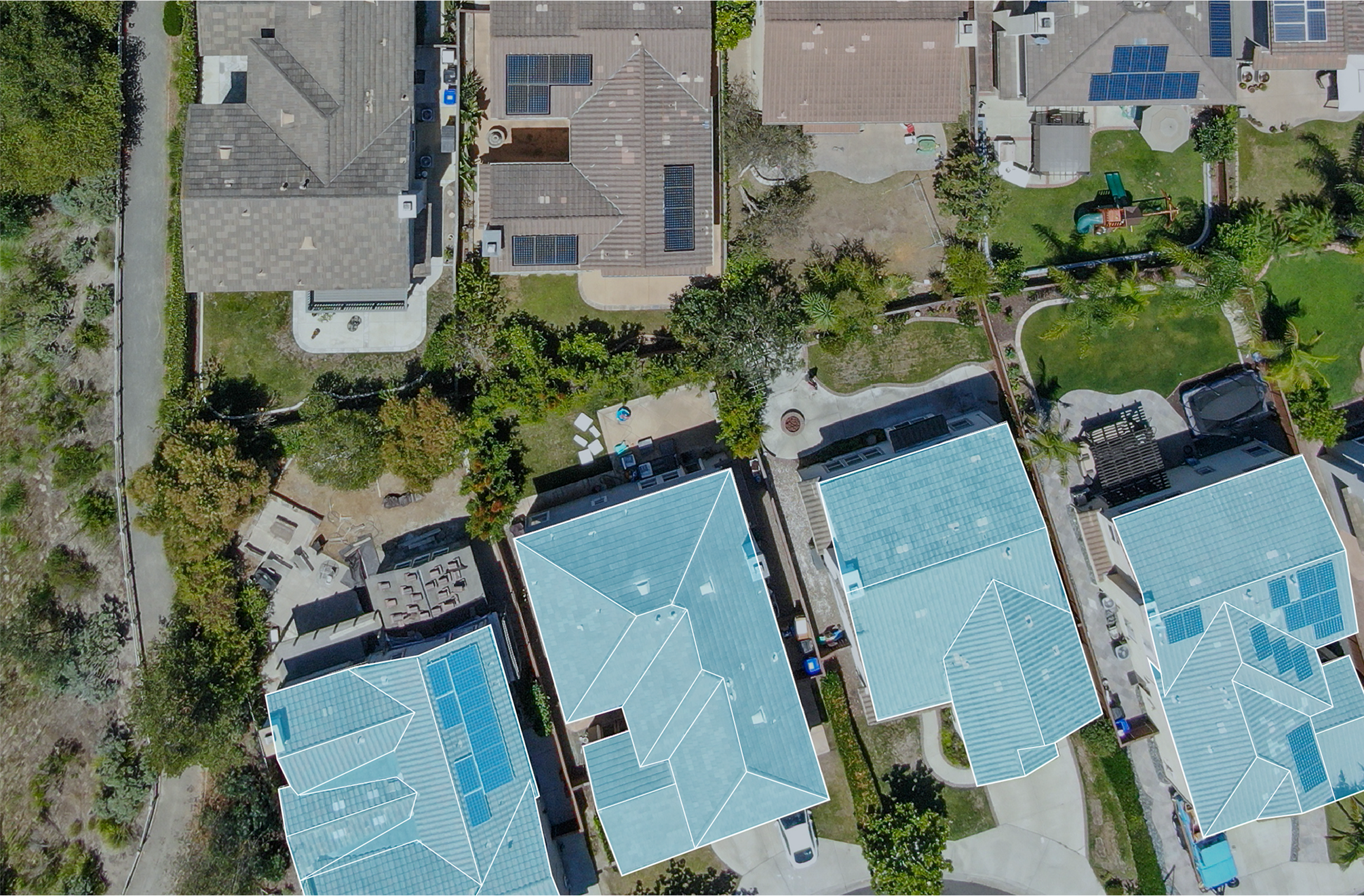
Drone roof inspection in Cheyenne, WY delivers a comprehensive visual assessment of your entire commercial roof, every drain basin, seam, penetration flashing, and membrane surface condition, without putting a crew on the roof before the safety and structural conditions have been assessed. For large commercial roofs where a traditional walkover takes hours and misses low-visibility areas, aerial inspection with 4K camera and thermal imaging gives us a complete picture efficiently and without the foot traffic risk of deploying a crew on an unknown roof condition.
Thermal imaging during drone inspection identifies moisture trapped within the roof insulation assembly, which is one of the most important diagnostic findings a roof inspection can produce. Wet insulation retains heat differently than dry insulation, and a thermal pass during the right ambient conditions shows the exact location and extent of moisture infiltration within the assembly, even when the membrane surface shows no visible failure. That finding drives the critical specification decision: targeted repair and recovery versus full replacement. Thermal imaging eliminates the guesswork.
For insurance claims following hail events, wind damage, or other storm events in Cheyenne, drone inspection provides GPS-tagged photographic documentation that adjusters can review remotely. Hail impact density maps, wind-related membrane displacement patterns, and equipment damage documentation produced from aerial footage meet the documentation standards used by commercial property insurers. We generate insurance reports in the standard format required by major commercial carriers and can turn a claim documentation package around within 24 hours of the inspection flight.
Before re-roofing proposals are developed, drone inspection confirms roof area measurements, identifies all penetrations and curb locations, and documents existing conditions for the specification. This reduces RFI and change order frequency during construction because the drawings are based on actual conditions, not assumptions from a visual walkover.
Drone Roof Inspection Questions
How does drone inspection compare to a traditional roof walkover?
Drone inspection covers the entire roof surface systematically at a consistent altitude, producing a full photographic record without the foot traffic that damages membranes and creates liability on unknown-condition roofs. It is particularly valuable on large commercial roofs where a walkover takes hours and misses low-slope areas where water pools are not visible from standing height. Thermal imaging is not feasible during a manual walkover on a large roof, it requires the systematic coverage that only drone flight provides.
Can thermal imaging really show where moisture is trapped?
Yes, under the right conditions. Thermal imaging during the cool-down period after sunset is the standard protocol: the wet insulation retains heat longer than the dry insulation surrounding it, creating a visible thermal signature in the infrared image. The moisture map produced from a proper thermal pass is accurate enough to drive the specification for partial replacement versus full recovery, which can be the difference between a repair scope and a complete tearoff.
How do you use drone footage for an insurance claim?
We produce a GPS-tagged photographic report that documents hail impact locations and density, wind-related damage patterns, equipment and flashing damage, and overall membrane condition. The report is formatted to match the documentation requirements of major commercial property insurers and is suitable for submission directly to the adjuster. For contested claims, we can provide an expert statement based on the drone documentation.
What size and type of roofs are best suited to drone inspection?
Drone inspection is most valuable on large flat commercial roofs, logistics and industrial buildings, retail centers, office complexes, multi-building campuses. It is less critical on smaller or steeply sloped roofs where a manual inspection is fast and complete. For any commercial roof over 10,000 SF where a full condition assessment is needed, drone inspection is the more efficient and thorough approach.
How soon can you schedule a drone inspection in Cheyenne?
Drone inspections in Cheyenne are typically schedulable within 3-5 business days of contact. Emergency post-storm inspections for insurance claim documentation are prioritized and often schedulable within 24-48 hours following a significant weather event. We'll confirm the specific turnaround when you call.
Related Roof Work
Useful next pages for this roof decision.
Fluid-Applied Roofing
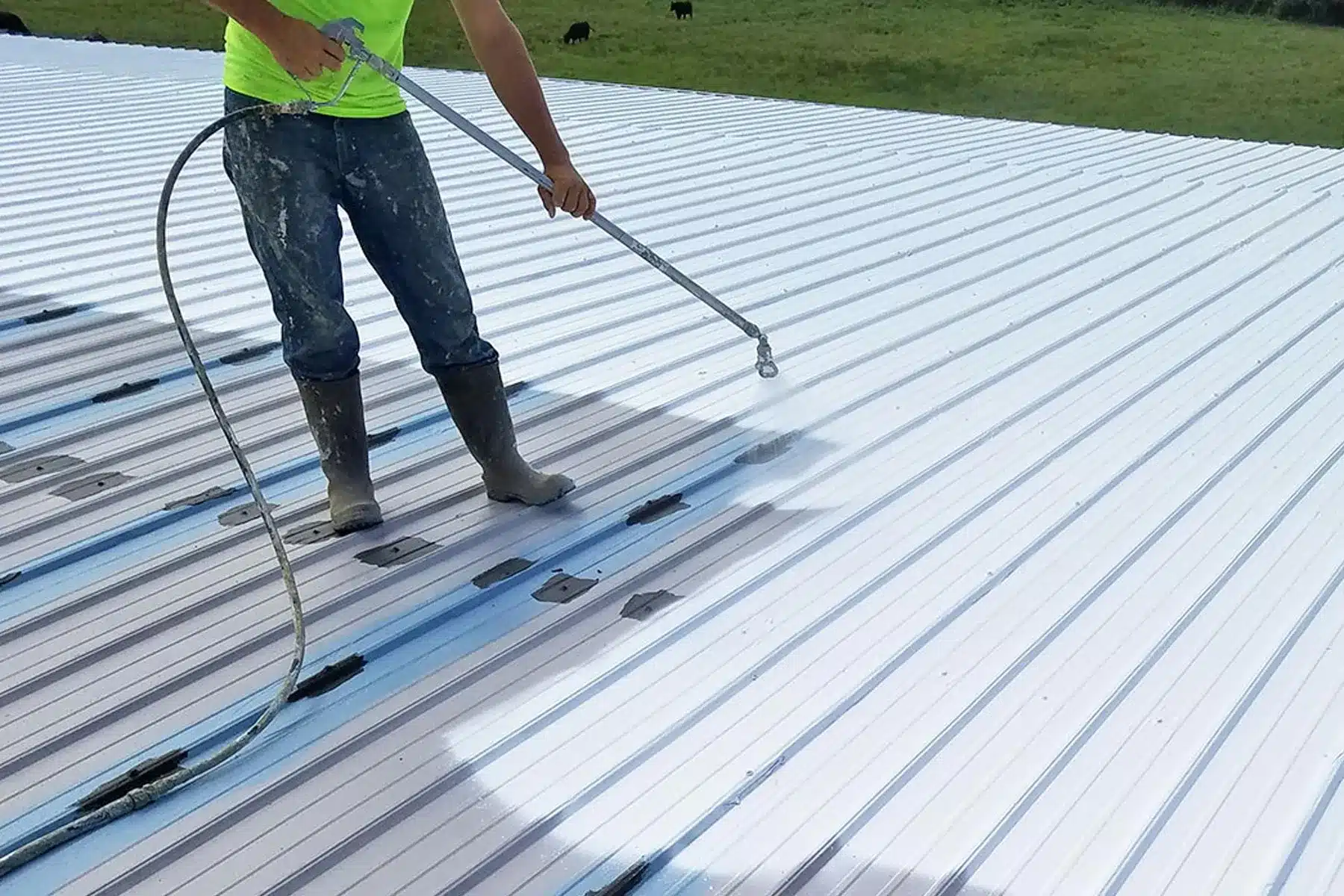
Fluid-Applied Roofing is scoped around South Cheyenne industrial sites, Laramie County business parks, and Cheyenne Logistics Hub properties. The scope stays practical: stop water first, document the roof, then choose the repair or replacement path that fits the building.
View Scope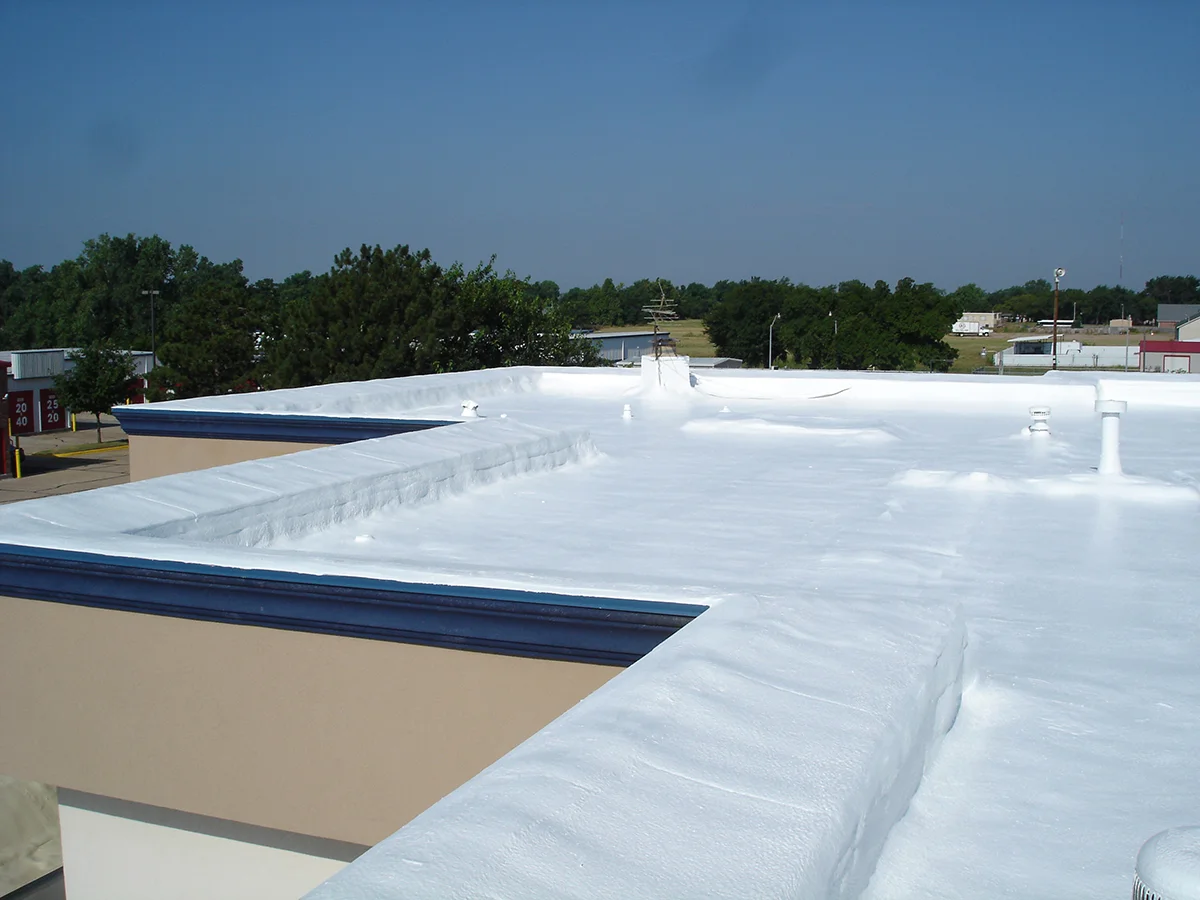
Spray Foam Roofing
Spray Foam Roofing is scoped around Cheyenne Regional Airport facilities, High Plains wind and hail exposure, and Laramie County public buildings. We keep access, weather windows, and tenant disruption in the plan before crews step onto the roof.
View Scope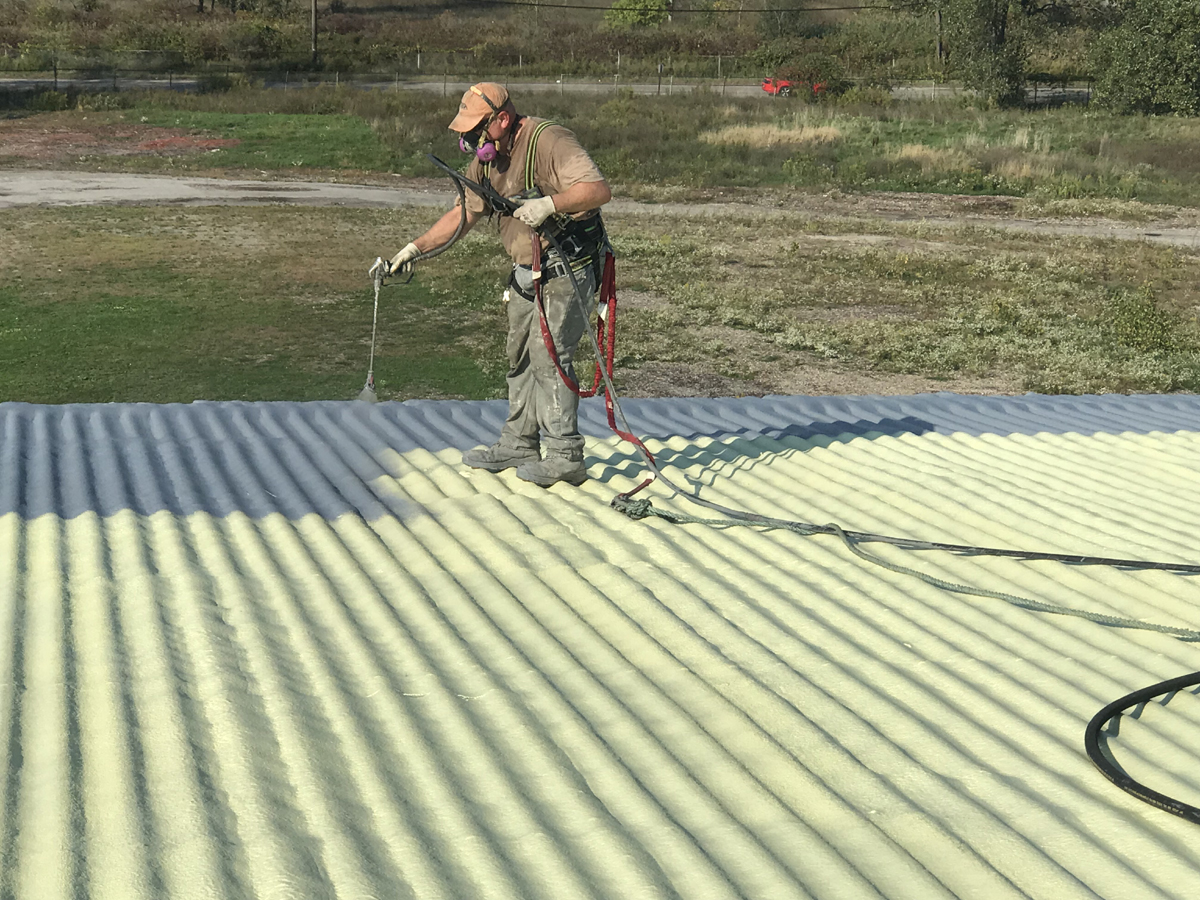
Roof Waterproofing
Roof Waterproofing is scoped around Laramie County public buildings, Dell Range Boulevard retail roofs, and Lincolnway corridor storefronts. Every recommendation is tied to observed conditions, not a prewritten roof package.
View ScopeGet the roof decision into writing.
Tell us what changed on the roof, where the building sits, and who needs the report. We will turn the next step into a clear scope.