 Contact Us Now
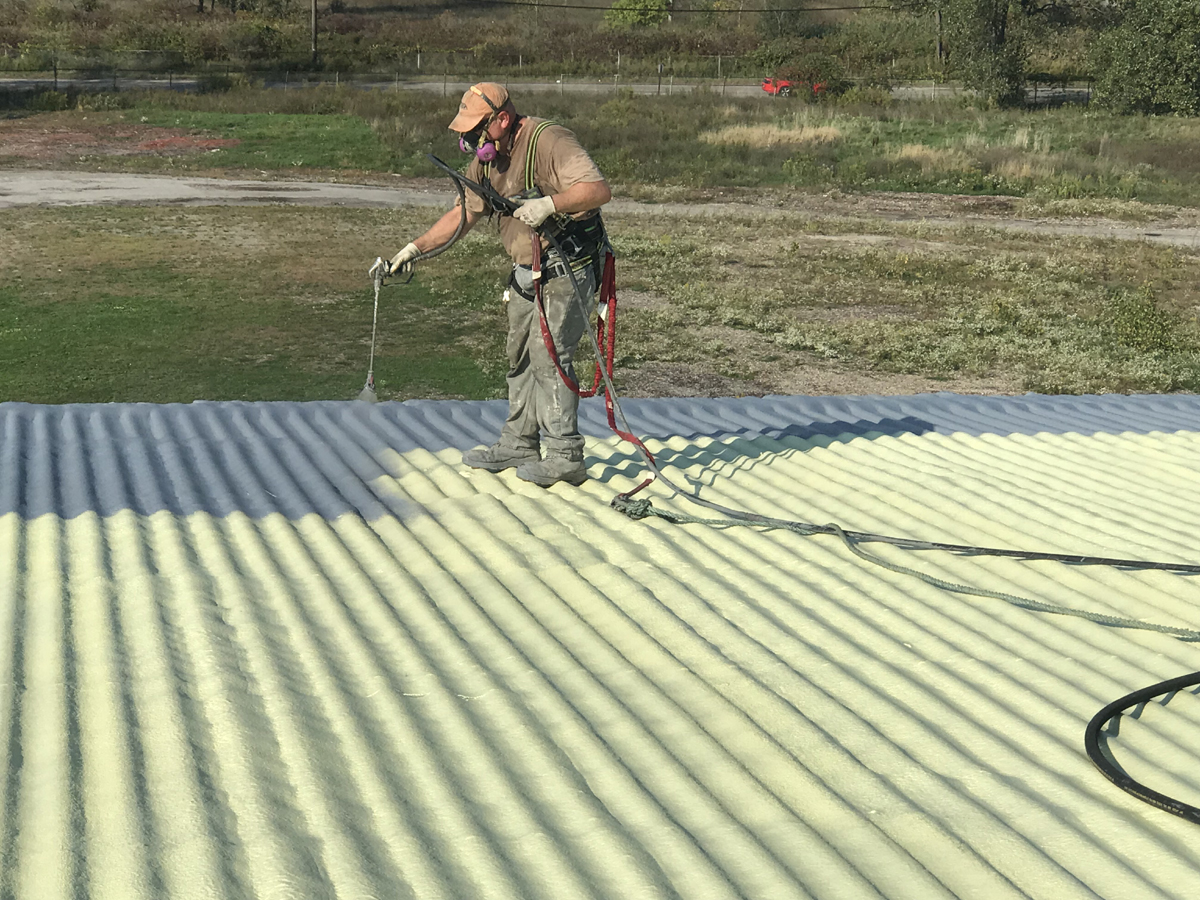
Roof Waterproofing in Cheyenne, WY
Roof Waterproofing is not useful until the roof condition, access plan, and weather risk are clear. We consider Laramie County public buildings, Dell Range Boulevard retail roofs, Lincolnway corridor storefronts, and South Cheyenne industrial sites before we recommend work.
That keeps the scope tied to the roof that is actually on the building: membrane condition, seams, metal, drainage, rooftop units, access, tenant needs, and timing.
Below-grade and plaza deck waterproofing in Cheyenne operates under a set of stresses that above-grade membrane roofing does not face. The combination of hydrostatic pressure from spring snowmelt, freeze-thaw cycling in the soil immediately adjacent to foundation walls, and the inability to inspect or easily repair a waterproofing membrane once it is buried beneath concrete, pavers, or soil makes below-grade waterproofing a system where getting the design and installation right the first time is not just a quality goal, it is an economic necessity. A waterproofing failure on a below-grade Cheyenne structure is typically discovered only after water has already caused damage to interior finishes, electrical systems, or structural components, and correction requires excavation or demolition that costs many times the original installation.
Hydrostatic pressure from spring snowmelt is a primary loading condition for Cheyenne below-grade waterproofing. When Cheyenne's 62.9 inches of annual snowfall begins melting in earnest during March and April, the ground around and beneath structures absorbs significant volumes of water over a compressed timeframe. Where drainage is adequate and soils are free-draining, this water moves away quickly. Where drainage is impeded by adjacent paving, compacted fill, or clay-bearing soils, common conditions in developed commercial areas of Cheyenne, hydrostatic pressure builds against foundation walls and below-grade slabs. A waterproofing system that performs adequately under typical soil moisture conditions may fail under the hydrostatic head that spring snowmelt generates in a heavy accumulation year.
Freeze-thaw cycling in the soil surrounding Cheyenne below-grade structures creates a different stress than above-grade freeze-thaw. Soil immediately adjacent to a foundation wall can freeze to depths of several feet during Cheyenne's cold winters, and the expansion of frozen soil exerts lateral pressure against the wall and against any waterproofing membrane bonded to its exterior face. A sheet membrane that is firmly bonded to a foundation wall can be subject to shear stress from this soil expansion that peels it from the substrate at seams and terminations. Below-grade waterproofing system design for Cheyenne should account for frost depth and the lateral pressure profile that frozen soil generates, and protection board over the waterproofing membrane is standard practice to protect the membrane from damage during backfill and from ongoing soil pressure and movement.
Parking structure waterproofing is a specialized application for Cheyenne commercial properties. Multi-level parking structures in downtown Cheyenne and at major institutional facilities experience concentrated traffic loading combined with the chemical attack of road deicers tracked in on vehicle tires during Cheyenne's winter months. Sodium chloride and calcium chloride deicers are highly corrosive to concrete and to inadequate waterproofing membranes, they accelerate reinforcing steel corrosion, concrete spalling, and membrane degradation simultaneously. Traffic-bearing waterproofing systems for Cheyenne parking structures must combine adequate chemical resistance with the flexibility to withstand thermal movement of the concrete deck, and they must be installed in a way that allows efficient surface replacement when the traffic-bearing layer reaches end of life without requiring replacement of the primary waterproofing below.
Cheyenne Depot Plaza and downtown mixed-use developments with below-grade retail, parking, or mechanical spaces represent the most demanding below-grade waterproofing context in the city. These structures have waterproofing membranes that may be beneath public plaza paving, landscaping, or occupied retail space, all of which must be removed and replaced to access the membrane if a failure occurs. For these applications, redundancy and robust installation quality are not optional features. Sheet-applied hot-rubberized asphalt systems, crystalline waterproofing admixtures, and bentonite clay systems each have distinct advantages in specific below-grade conditions, and system selection for Cheyenne projects should be based on substrate type, hydrostatic pressure exposure, and the accessibility of the membrane for future inspection.
Plaza deck waterproofing on elevated decks over occupied space combines the above-grade thermal exposure of a roof with the hidden-failure risk of a below-grade system. An elevated plaza deck in downtown Cheyenne is exposed to freeze-thaw cycling on its upper surface while protecting occupied space below, the waterproofing membrane must perform under both surface temperature extremes and the drainage demands of snowmelt events. Drain placement on plaza decks is critical: a plaza drain that freezes in winter creates the same backed-up melt condition as a roof drain, with the added complication that the space below is occupied and finished. Plaza deck waterproofing systems must incorporate overflow provisions and be designed with Cheyenne's peak snowmelt flow rate as the drainage design condition.
Concrete crack repair is a prerequisite for below-grade waterproofing on existing structures. Concrete foundation walls and slabs in Cheyenne's freeze-thaw environment develop shrinkage cracks and settlement cracks over time, and these cracks provide direct water pathways that bypass even a properly installed surface waterproofing membrane. Crack injection with polyurethane or epoxy resins, depending on crack width and whether movement is expected, seals these pathways before the waterproofing system is applied. Skipping crack repair and relying on the waterproofing membrane alone to bridge active cracks is a documented failure mechanism, flexible membranes can bridge dormant cracks but not cracks that are actively opening and closing with temperature and moisture changes in the structure.
Interior drainage systems are a secondary line of defense for below-grade spaces in Cheyenne buildings where exterior waterproofing has failed or where the original construction did not include exterior waterproofing. Interior drainage systems, perimeter drainage channels, sump pits, and discharge pumps, collect water that enters through the structure and remove it before it causes damage. These systems do not stop water infiltration, but they manage it. For buildings where excavating to install exterior waterproofing is not practical, an interior drainage system combined with interior crystalline waterproofing treatment is often the most cost-effective approach to managing chronic below-grade water infiltration.
Waterproofing maintenance for Cheyenne below-grade and plaza deck systems should include annual inspection of all accessible terminations, drains, and transition details. Below-grade waterproofing cannot be directly inspected once buried, but termination conditions at grade line, drain performance, and any observed moisture infiltration in the protected space are all indicators that the system is performing as intended or developing problems. Early identification of localized infiltration allows targeted investigation and repair before a small failure becomes a large-area membrane replacement. We include below-grade waterproofing assessment as part of comprehensive building condition reports for Cheyenne commercial properties with below-grade spaces.
Questions Owners Ask
How deep does frost penetrate in Cheyenne, and how does it affect below-grade waterproofing?
Frost depth in Cheyenne reaches 36 to 48 inches in severe winters, with the frost line varying based on snow cover (snow insulates the soil) and soil conditions. Waterproofing membranes on foundation walls within this frost zone are subject to soil pressure from frozen ground expansion. Protection board over the membrane is required to prevent damage during this process. Drainage board behind the protection board helps relieve hydrostatic pressure and is standard practice on Cheyenne below-grade waterproofing installations that extend below the frost line.
What is the best waterproofing system for a Cheyenne parking structure?
Traffic-bearing waterproofing systems for Cheyenne parking structures should use a two-component system: a primary waterproofing membrane with adequate chemical resistance to deicer compounds, and a traffic-bearing wear surface that protects the membrane from direct tire loading and abrasion. Hot-rubberized asphalt with a traffic topping, or a polyurethane membrane with an aggregate-broadcast traffic surface, are common choices. The critical selection criteria for Cheyenne are chemical resistance to chloride compounds, flexibility through the temperature range from minus 20°F to 90°F, and bond strength adequate to resist the lateral forces from vehicle turning movements on the deck.
Can existing below-grade waterproofing be repaired without excavation?
In some cases, yes. Interior crystalline waterproofing systems, cementitious products with reactive crystalline chemistry that migrate into and seal concrete pores and cracks from the interior, can provide significant improvement in below-grade water resistance without exterior excavation. Injection grouting of identified crack locations can seal specific water pathways. Interior drainage systems can manage infiltration that cannot be stopped from inside. The appropriate approach depends on the source and severity of infiltration, the building geometry, and the cost comparison between interior remediation and exterior excavation. We evaluate both options for below-grade infiltration problems and provide a comparative recommendation.
What causes below-grade waterproofing failures in Cheyenne buildings?
The most common causes are: inadequate drainage that allows hydrostatic pressure to build against the membrane; freeze-thaw damage at membrane terminations where the membrane meets grade-level conditions; construction joint or cold joint failures in the concrete substrate that the membrane was applied over; punctures during backfill or subsequent utility work; and original specification shortfalls where the system was designed for typical soil moisture rather than Cheyenne's spring snowmelt hydrostatic conditions. Most below-grade failures can be traced to one or more of these causes, and understanding the cause is essential to selecting a repair approach that actually resolves the problem rather than temporarily masking it.
How long should a properly installed below-grade waterproofing system last in Cheyenne's climate?
A quality sheet-applied or fluid-applied waterproofing system, properly installed on a prepared substrate with adequate drainage and protection board, should provide 20 to 30 or more years of service in Cheyenne conditions. The limiting factors are the quality of termination details at grade level, which are exposed to freeze-thaw cycling and should be inspected annually, and the drainage system's ongoing performance. A waterproofing system that is well installed but not drained correctly will fail faster than one with slightly less robust installation but excellent drainage management. Drainage maintenance is the highest-return waterproofing maintenance investment over the system's life.
Related Roof Work
Useful next pages for this roof decision.
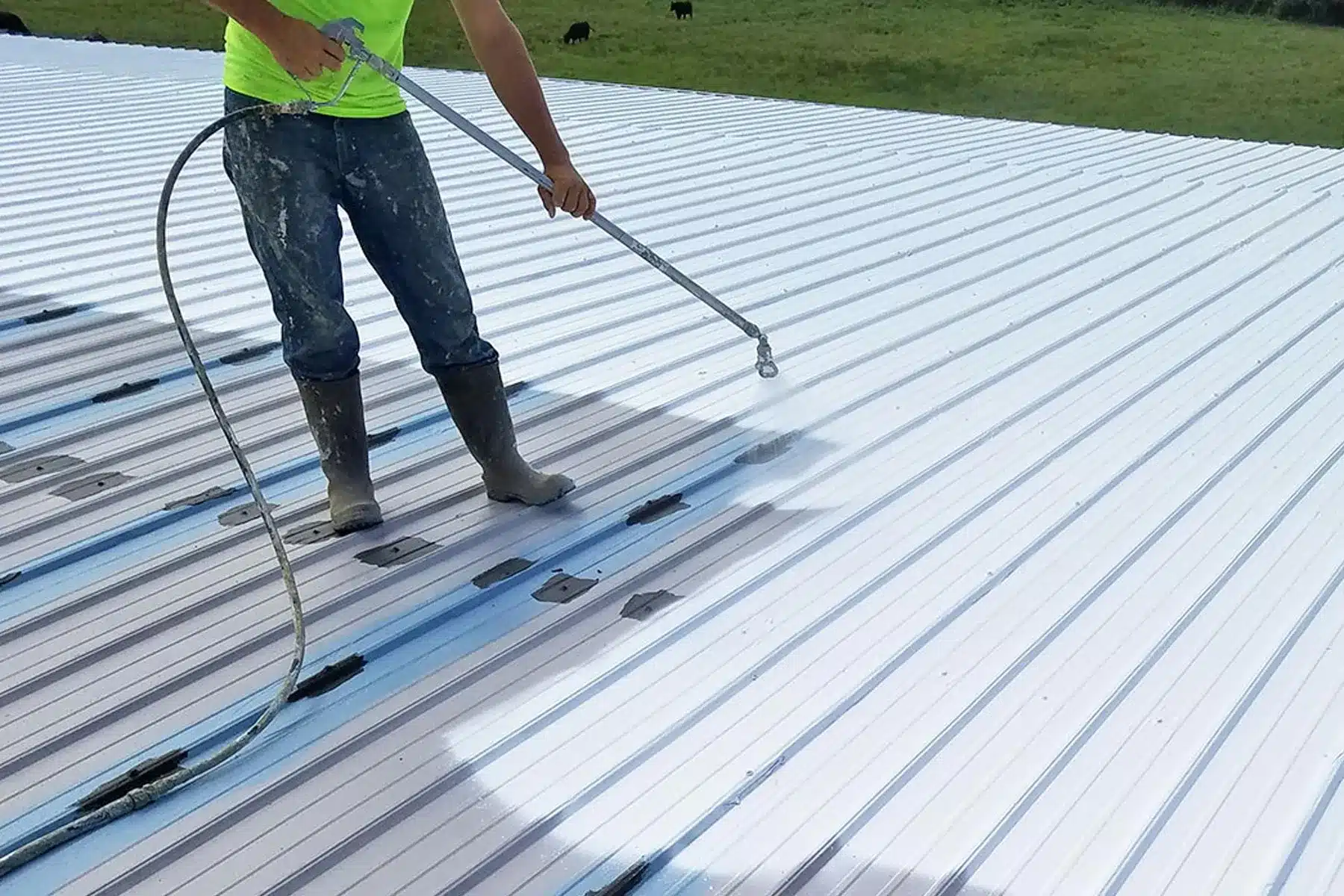
Fluid-Applied Roofing
Fluid-Applied Roofing is scoped around South Cheyenne industrial sites, Laramie County business parks, and Cheyenne Logistics Hub properties. The scope stays practical: stop water first, document the roof, then choose the repair or replacement path that fits the building.
View Scope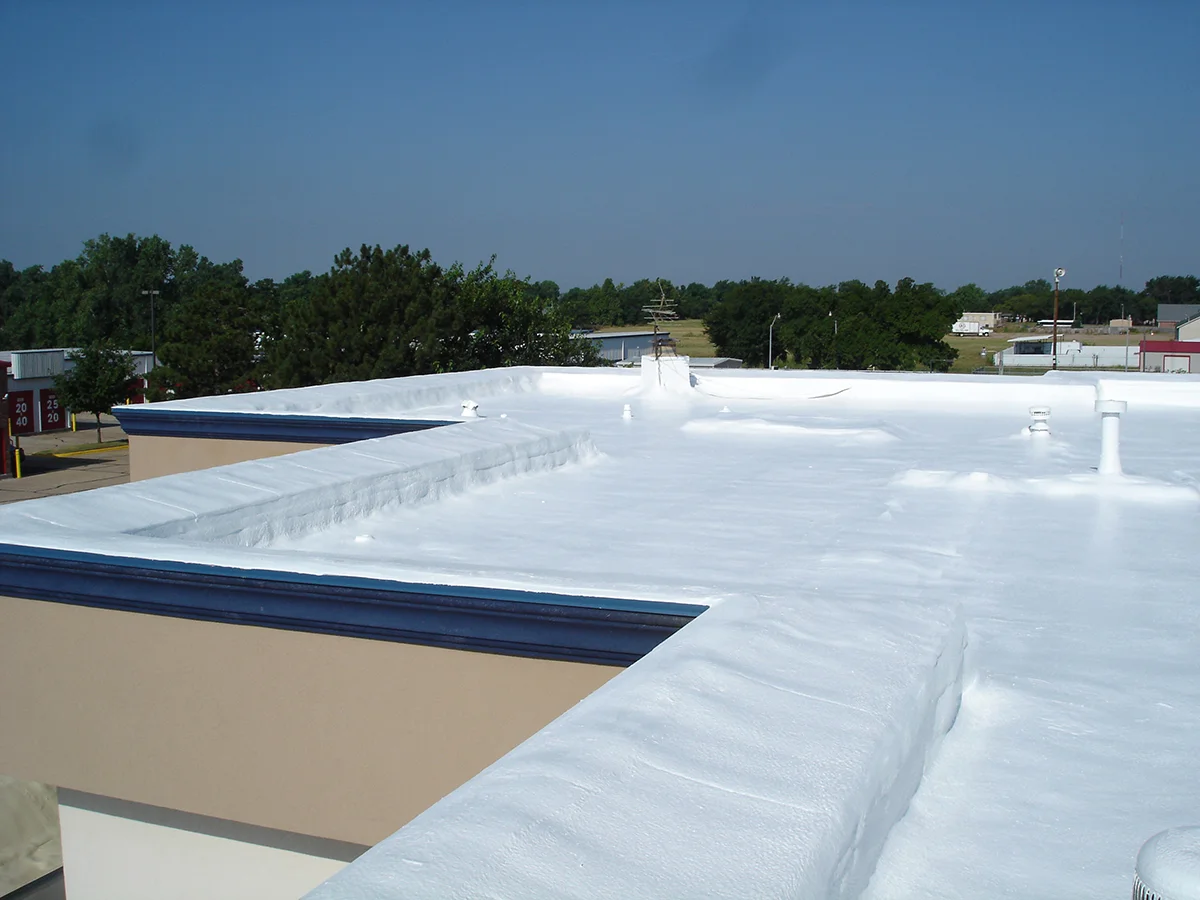
Spray Foam Roofing
Spray Foam Roofing is scoped around Cheyenne Regional Airport facilities, High Plains wind and hail exposure, and Laramie County public buildings. We keep access, weather windows, and tenant disruption in the plan before crews step onto the roof.
View Scope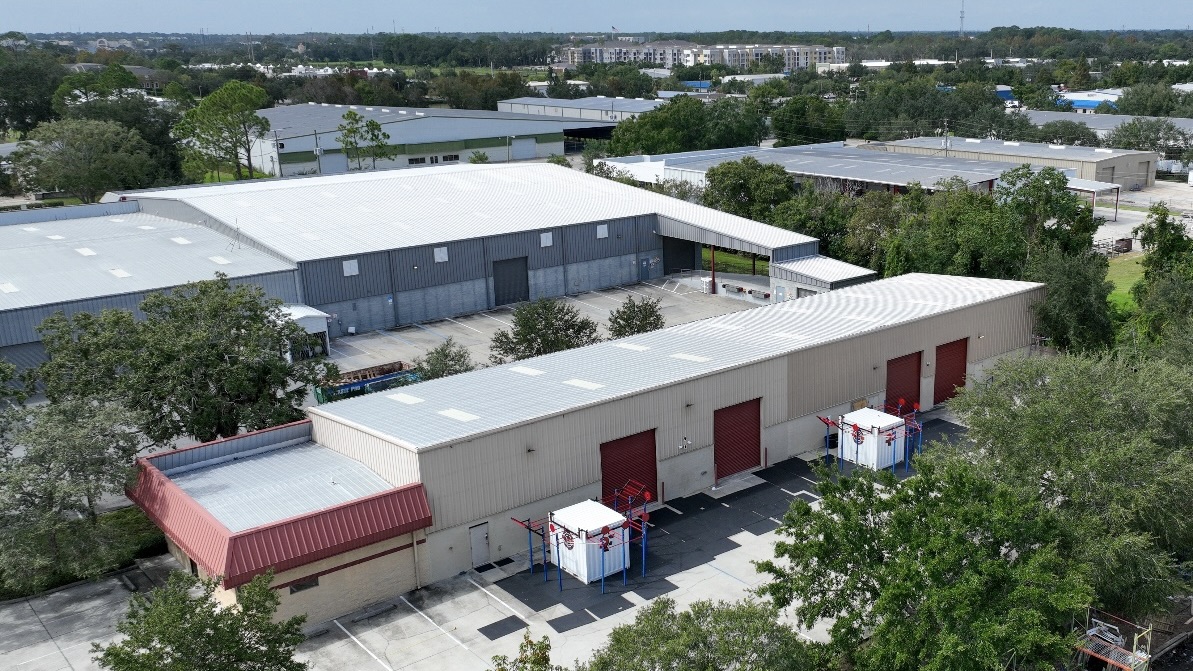
Commercial Roof Inspection
Commercial Roof Inspection is scoped around High Plains wind and hail exposure, Laramie County public buildings, and Dell Range Boulevard retail roofs. Every recommendation is tied to observed conditions, not a prewritten roof package.
View ScopeGet the roof decision into writing.
Tell us what changed on the roof, where the building sits, and who needs the report. We will turn the next step into a clear scope.