 Contact Us Now
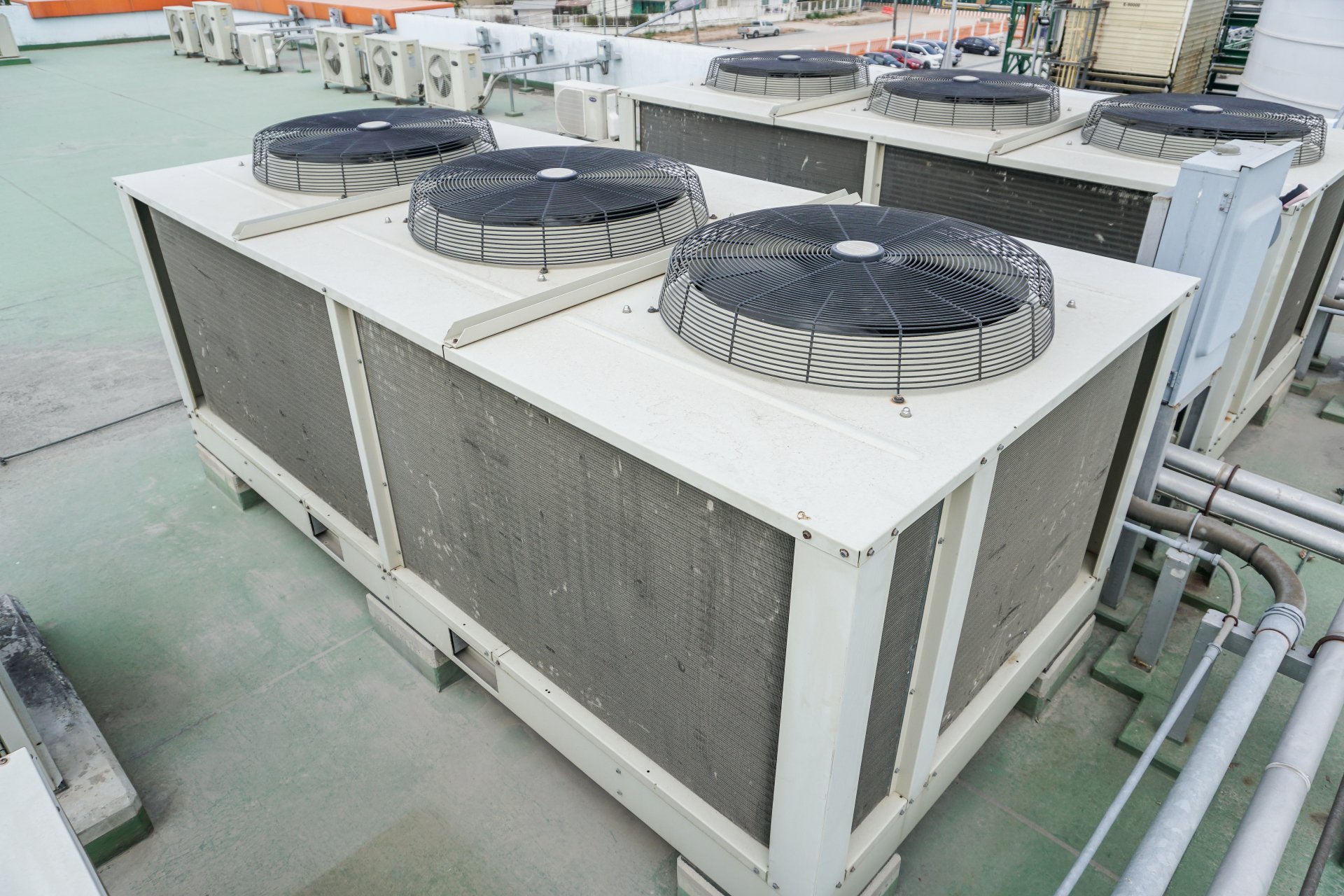
Restaurant and Food Service Building Roofing in Cheyenne, WY
For Restaurant and Food Service Building Roofing, we look at the roof as an operating asset, not a one-time line item. We consider snow drift at parapets and rooftop units, Capitol Avenue office buildings, F.E. Warren Air Force Base area contractors, and freeze-thaw cycles after spring storms before we recommend work.
That keeps the scope tied to the roof that is actually on the building: membrane condition, seams, metal, drainage, rooftop units, access, tenant needs, and timing.
Cheyenne sits at nearly 6,000 feet elevation on the high plains of southeastern Wyoming, and the restaurants serving this city, from the diners near the Capitol on Capitol Avenue to the quick-service chains lining Dell Range Boulevard and the brewpubs in the historic downtown, deal with roofing conditions that have no equivalent in lower-elevation markets. Ultraviolet radiation at high altitude degrades standard membrane materials measurably faster than at sea level, sustained wind gusts routinely exceed 50 miles per hour across flat commercial rooftops, and the temperature swing between a January night and an August afternoon can top 100 degrees Fahrenheit. Any restaurant roofing system that is not designed specifically for the Front Range high-plains environment will underperform.
The Cheyenne QSR market is rooted in the dense fast-food corridor along Dell Range Boulevard, where national brands operate high-volume drive-through locations that run kitchen equipment nearly around the clock. Continuous exhaust fan operation in Cheyenne's dry climate introduces a failure mode that humid-climate operators do not encounter as often: extremely dry membrane surfaces crack at seams and penetration edges when UV exposure and thermal cycling are not offset by the plasticizer-preserving humidity found at lower altitudes. We specify TPO membranes with UV-stabilized formulations and apply a reflective coating maintenance cycle on high-exposure rooftops to extend membrane life in Cheyenne's intense solar environment.
Grease exhaust flashing on a Cheyenne restaurant rooftop faces thermal stress that would crack a standard pitch pocket within two winters. Nighttime temperatures in January regularly drop below zero while kitchen exhaust stacks push 200-degree air through the same curb, creating a temperature differential across the flashing material that no sealant-filled pitch pocket can survive indefinitely. We eliminate pitch pockets entirely on Wyoming restaurant work, replacing them with prefabricated stainless-steel curb collars welded into the membrane field. The steel collar bridges the thermal gap without cracking, and the heat-welded membrane bond does not rely on any sealant that can freeze, shrink, and separate.
Cheyenne receives an average of 56 inches of snow per year, and flat commercial rooftops accumulate that load unevenly, drifting against parapet walls, piling behind HVAC equipment bases, and melting and refreezing in cycles that stress every flashing detail on the building. Restaurant rooftops are particularly at risk because the heat generated by kitchen operations keeps the roof surface warmer than ambient temperature, accelerating melt cycles and creating ice dam conditions at drains and scuppers that prevent proper drainage. We install heated drain assemblies and oversized primary scuppers on Cheyenne restaurant re-roofs as a standard precaution against ice-blocked drainage events during heavy snow years.
Walk-in cooler units on Cheyenne restaurant rooftops face a different condensation dynamic than in warmer climates. In summer, the relatively dry high-plains air limits condensation at cooler curbs, but in the shoulder seasons, when daytime temperatures swing from freezing to 60 degrees, condensation forms and immediately freezes against curb flashings, mechanically prying any flashing material that is not fully bonded to the membrane substrate. Our cooler curb detail for Wyoming installs insulated curb extensions and uses a heat-welded PVC wrap with a mechanical termination bar at the top of the curb, a system that cannot be defeated by freeze-expansion forces acting at the flashing edge.
Cheyenne's Wyoming State Fair brings a significant restaurant and food-service bump each August, and the Frontier Days celebration in late July is one of the largest outdoor rodeo events in the country, driving heavy traffic to downtown restaurants and food vendors for ten days straight. Property owners planning roofing work on restaurants in the downtown Cheyenne area near Frontier Park need to schedule replacement work outside the Frontier Days window, we recommend spring completion or early fall start to avoid disrupting the highest-revenue period in the Cheyenne restaurant calendar.
The brewery and taproom sector in downtown Cheyenne, concentrated near the historic Union Pacific Depot and along Lincolnway, serves a year-round crowd that includes a significant military and government worker population from F.E. Warren Air Force Base. Brewery rooftops in this district are often on buildings constructed in the late 19th or early 20th century with unreinforced masonry parapet walls that require careful flashing integration. We use EPDM flexible flashings at masonry-to-membrane transitions on historic Cheyenne buildings where TPO heat-welding would risk thermal damage to aged brick mortar, a material compromise that preserves the historic structure while still achieving a watertight assembly.
Health code compliance in Laramie County requires that commercial kitchen ventilation systems operate without obstruction, and a snow-loaded exhaust fan or a freezing rain event that seals exhaust dampers shut can trigger a kitchen shutdown order. We work with Cheyenne restaurant clients on exhaust damper specifications that include freeze-resistant actuators and cowl designs that shed snow load without blocking airflow. That equipment coordination happens at the roofing stage, before the membrane is installed, because the curb sizing and flashing geometry depend on the damper assembly dimensions.
Cheyenne restaurant operators who have experienced a roof leak during a spring snowmelt event know how quickly water can migrate through insulation and into a kitchen ceiling above a food preparation surface, triggering both health code and property insurance concerns simultaneously. We provide same-week emergency response for active leaks on Cheyenne commercial kitchen buildings, arriving with material on the truck rather than scheduling a separate supply run. Wyoming contractor licensing and local permit relationships mean we can start stabilization work without the administrative delays that out-of-state roofing contractors often impose on emergency jobs.
- Why does high altitude in Cheyenne cause membrane systems to age faster?
- Ultraviolet radiation intensity increases by roughly four percent for every 1,000 feet of elevation, meaning Cheyenne's 6,000-foot altitude exposes rooftop membranes to approximately 25 percent more UV energy than a sea-level installation receives. That accelerated UV load depletes plasticizers in standard membranes faster, causing surface cracking and seam brittleness years ahead of the manufacturer's rated service life. We specify UV-stabilized TPO formulations and recommend a reflective coating maintenance cycle every seven to ten years to offset the elevated UV exposure.
- How do you handle snow load and ice dam risk on a Cheyenne restaurant roof?
- Cheyenne averages 56 inches of annual snowfall, and kitchen heat from below creates melt-refreeze cycles at drains and scuppers that can block drainage and allow water to pond against parapet walls for days at a time. We install heated drain assemblies and oversize primary scuppers to maintain drainage capacity during snow events. Snow load calculations are also submitted to the Laramie County building department as part of the permit package to verify the existing deck structure can handle accumulated drift loads.
- What flashing detail do you use for exhaust curbs in Wyoming's temperature extremes?
- Pitch pockets and sealant-based flashings cannot survive the temperature differential between a zero-degree January night and a 200-degree exhaust stack operating continuously through the same curb. We use prefabricated stainless-steel grease-rated curb collars mechanically anchored and heat-welded directly into the TPO or PVC membrane field. The steel collar bridges the thermal gap without relying on any sealant that can freeze, shrink, and separate under Wyoming's temperature cycles.
- Why do walk-in cooler curbs require a different flashing approach in Wyoming than in warmer climates?
- Freeze-expansion forces in Cheyenne's shoulder seasons physically pry standard adhesive flashings away from cooler curb edges as condensation forms and immediately freezes at the flashing joint. A mechanically terminated and heat-welded PVC curb wrap cannot be defeated by that freeze-expansion mechanism because the bond to the membrane field is stronger than the membrane itself. Insulated curb extensions keep the flashing base above the dew point to reduce condensation formation in the first place.
- When is the best time to schedule a restaurant re-roof in Cheyenne?
- Late spring, May through early June, and early fall, September through mid-October, offer the best weather windows for Cheyenne restaurant re-roofs, avoiding both the frozen substrate conditions of winter and the Frontier Days traffic concentration in late July. Spring work takes advantage of dry conditions before summer thunderstorm season and allows the new system to cure before the first heavy snow. We recommend booking spring slots in March because the post-winter re-roof demand fills our Cheyenne schedule quickly.
Related Roof Work
Useful next pages for this roof decision.
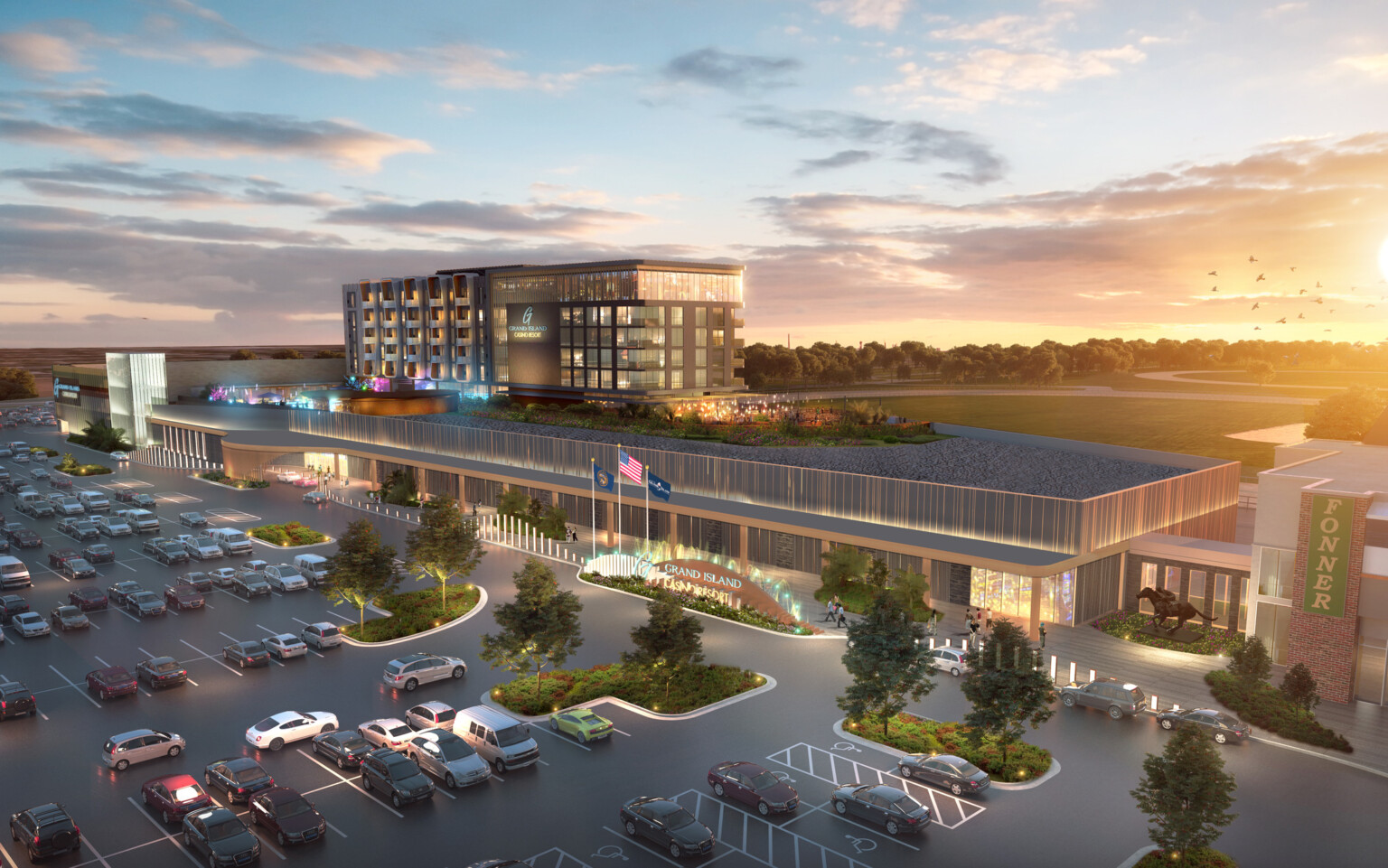
Hotel and Hospitality Property Roofing
Hotel and Hospitality Property Roofing is scoped around Frontier Mall and nearby service buildings, snow drift at parapets and rooftop units, and Capitol Avenue office buildings. The scope stays practical: stop water first, document the roof, then choose the repair or replacement path that fits the building.
View Scope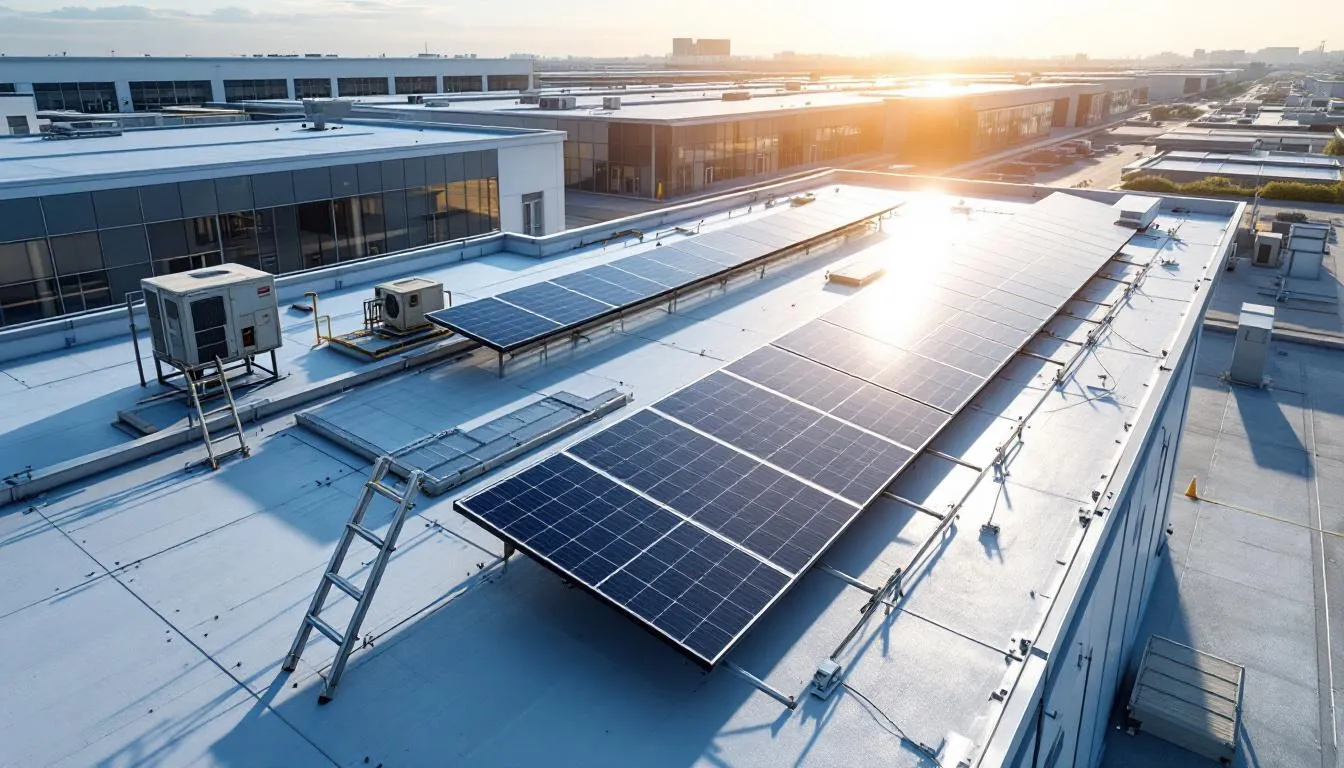
Industrial Rail Park Roofing
Industrial Rail Park Roofing is scoped around Cheyenne Logistics Hub properties, North Range Business Park warehouses, and the I-25 and I-80 freight interchange. We keep access, weather windows, and tenant disruption in the plan before crews step onto the roof.
View Scope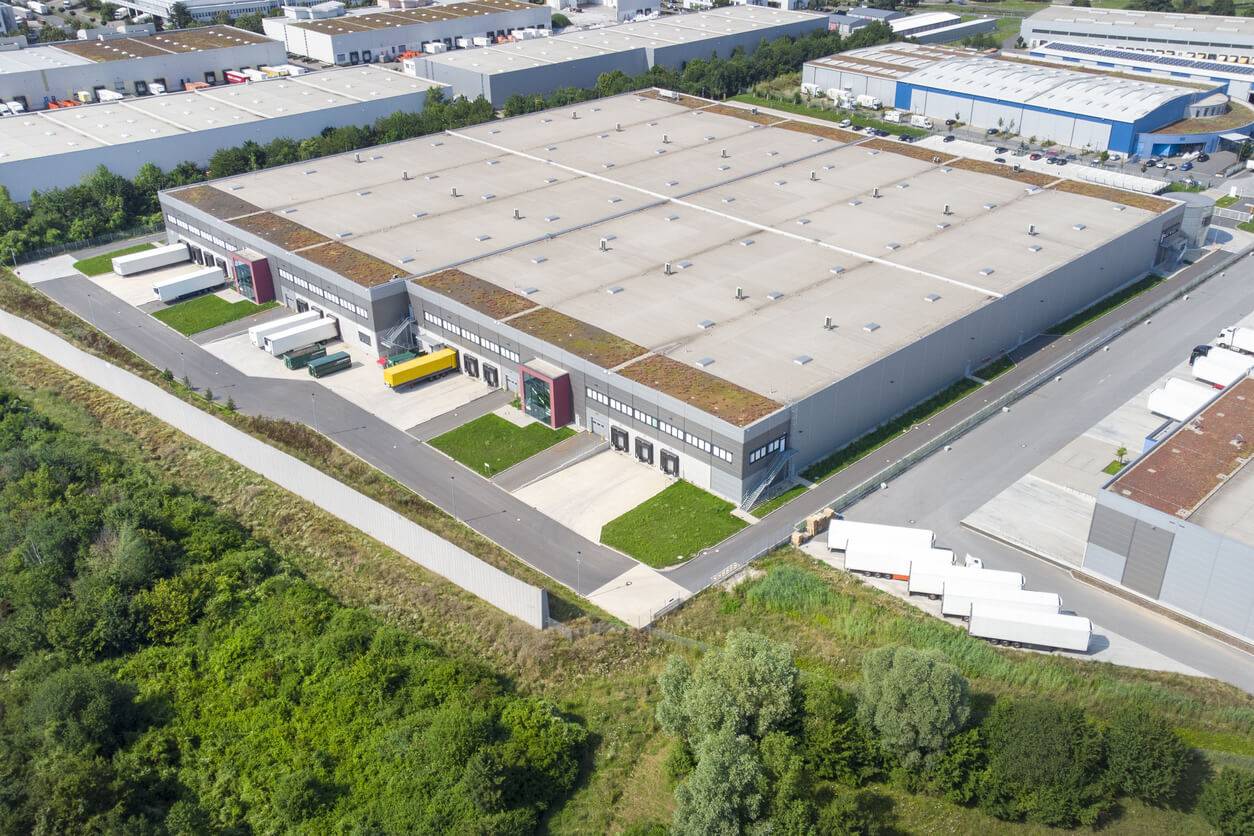
Industrial Roofing
Industrial Roofing is scoped around snow drift at parapets and rooftop units, Capitol Avenue office buildings, and F.E. Warren Air Force Base area contractors. Every recommendation is tied to observed conditions, not a prewritten roof package.
View ScopeGet the roof decision into writing.
Tell us what changed on the roof, where the building sits, and who needs the report. We will turn the next step into a clear scope.