 Contact Us Now
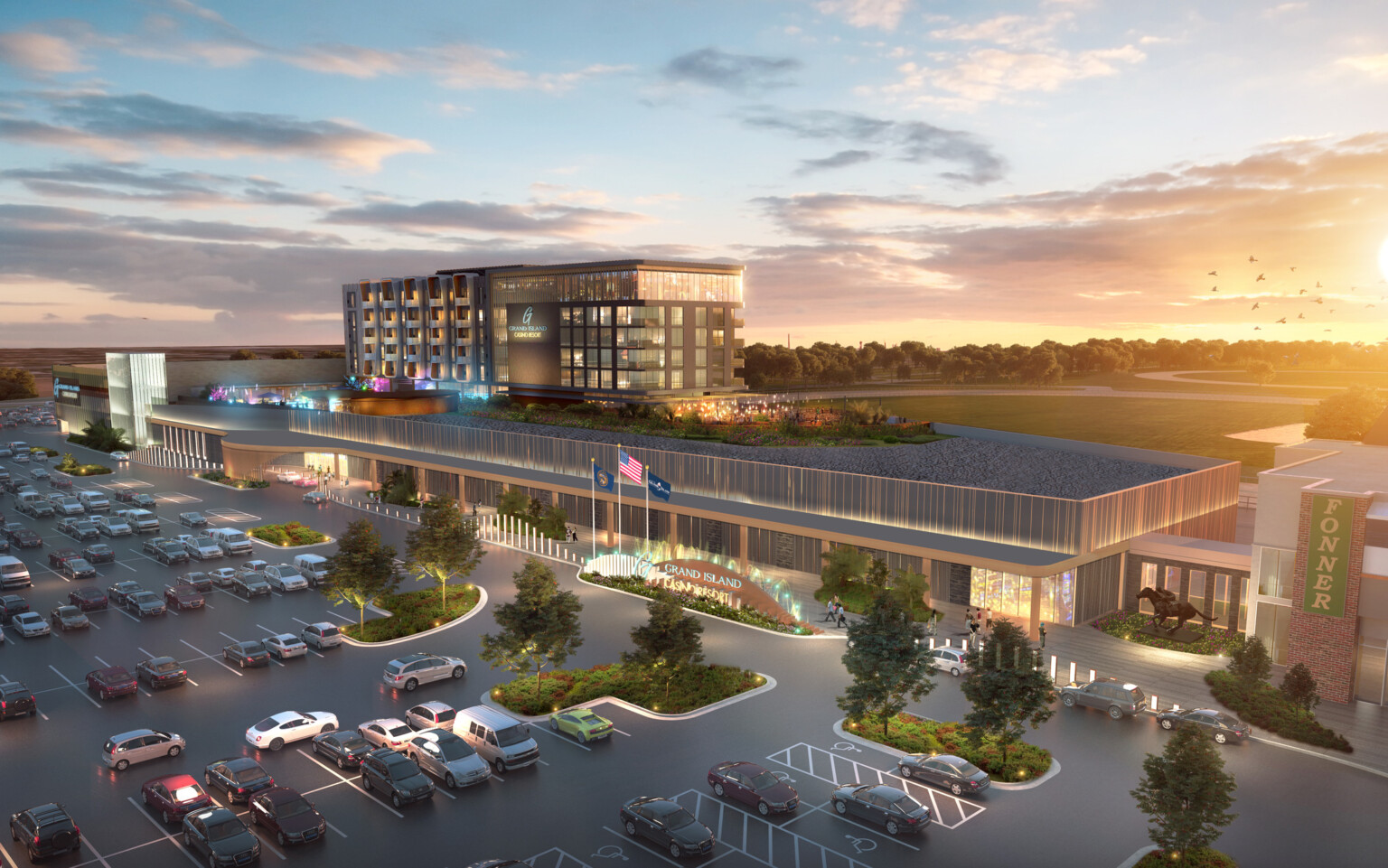
Hotel and Hospitality Property Roofing in Cheyenne, WY
Hotel and Hospitality Property Roofing is not useful until the roof condition, access plan, and weather risk are clear. We consider Frontier Mall and nearby service buildings, snow drift at parapets and rooftop units, Capitol Avenue office buildings, and F.E. Warren Air Force Base area contractors before we recommend work.
That keeps the scope tied to the roof that is actually on the building: membrane condition, seams, metal, drainage, rooftop units, access, tenant needs, and timing.
Cheyenne, Wyoming's hotel market occupies a unique position in the Mountain West hospitality landscape. As the state capital, Cheyenne serves year-round government and corporate travel demand from state agency work, energy sector activity, and the Union Pacific operations that remain a significant employer in the region. The Cheyenne Frontier Days celebration each July, the self-proclaimed "Daddy of 'em All" rodeo and western celebration, drives a 10-day occupancy surge that fills every hotel in the city and surrounding region, creating a demand peak that ownership groups plan their entire capital calendar around. Between Frontier Days, the NCAR Wyoming Supercomputing Center's research activity, and steady I-25 interstate traffic, Cheyenne hotels maintain demand levels that justify serious asset investment.
Wyoming's climate is among the most extreme in the continental United States for commercial roofing performance. Cheyenne sits at 6,062 feet elevation, where UV radiation intensity is substantially higher than at sea level, winter temperatures routinely drop below minus 20°F, and wind speeds are extraordinary, the city holds the distinction of being one of the windiest in the nation, with documented sustained winds above 40 mph and gusts that periodically exceed 80 mph. The combination of elevation UV, severe cold, and constant wind creates a roofing environment where material selection, fastener patterns, and seam strength are not engineering details but survival factors. A membrane system that performs adequately at lower elevation in a moderate climate will fail under Cheyenne's conditions at a fraction of its rated service life.
Wind uplift is the most critical engineering parameter for Cheyenne hotel roofing. The Wyoming Building Code design wind speeds for Laramie County are among the highest in the United States, and roof assemblies must be designed to FM Global or equivalent uplift standards that account for both the base wind speed and the exposure category of the site. Mechanically fastened TPO systems with enhanced perimeter fastener patterns are the most common approach for Cheyenne hotel re-roofing, because the welded seams of TPO provide better wind resistance at laps than the lap-adhered seams of EPDM, and the mechanical fastening allows the uplift design to be precisely engineered. We calculate uplift design pressures and fastener pull-out values for every Cheyenne hotel project and provide stamped engineering calculations upon request.
Property improvement plans for Cheyenne's branded hotel properties, including the Little America Hotel and Resort, the properties near the Cheyenne Convention Complex, and the cluster of limited-service hotels along Lincolnway, must address roofing with an understanding of Wyoming's unique climate demands. Brand PIP coordinators reviewing Cheyenne hotel properties who are primarily experienced in lower-elevation or lower-wind markets sometimes underspecify the wind uplift and UV resistance requirements appropriate for this location. We provide detailed climate-specific justification for specification choices that exceed standard brand minimums, helping ownership groups and their brand representatives understand why Cheyenne requires roofing assemblies engineered for conditions that are genuinely uncommon in the national hotel inventory.
Snow and ice management on Cheyenne hotel roofs requires both structural assessment and operational planning. Ground snow loads in Laramie County require flat roofs to be designed for significant snow accumulation, and the Chinook wind patterns that are common in Wyoming can rapidly melt surface snow, creating large volumes of melt water that challenge drainage systems designed for summer rainfall rates. If roof drains are frozen or partially blocked when a Chinook arrives, the resulting ponding can add loads that stress the roof structure. We assess drain condition, overflow scupper sizing, and structural capacity as part of every Cheyenne hotel roofing survey, and we recommend heated drain systems for properties where drain freeze-up has been a recurring operational issue.
The Frontier Days occupancy peak creates a unique scheduling constraint for Cheyenne hotel reroofing projects. The July event window is essentially unavailable for construction activity at most Cheyenne hotels, management attention is entirely focused on maximizing the revenue from the year's highest-demand period, and no ownership group wants a roofing crew active during Frontier Days. This reality compresses the practical reroofing window into late August through mid-October and late April through early June. September in Cheyenne can still deliver excellent roofing installation weather, and the post-Frontier Days September window is our most heavily requested scheduling period for Cheyenne hotel projects.
Emergency repairs in Cheyenne must account for the reality that winter weather can arrive suddenly and severely at any point from October through April. A wind event that displaces roof flashing or tears a membrane seam in February requires emergency response under conditions that may include subzero temperatures and active wind. We stock cold-weather repair materials, specifically formulated adhesives and sealants rated to minus 20°F, for exactly these situations, and our crews are trained to work safely in Wyoming winter conditions that would halt construction operations in most other markets. Temporary protection using mechanically fastened cover panels rather than adhesive-based tarping is our standard approach for Cheyenne winter emergencies because adhesive performance degrades dramatically in extreme cold.
Preventive maintenance contracts for Cheyenne hotels deliver particular value given the extreme environmental demands on roofing systems here. A twice-yearly maintenance program that inspects seam condition, checks fastener pullout at perimeters after high-wind events, and clears drains before the first freeze creates a documented service record that serves multiple purposes: it identifies early-stage failures before they become major repairs, it provides evidence for insurance premium discussions, and it demonstrates the property stewardship that sophisticated lenders and ownership groups expect to see when reviewing asset condition reports for Cheyenne hotel investments.
Cheyenne hotel operators who invest in roofing systems engineered for Wyoming's specific climate demands, not standard national specifications applied without adjustment, consistently achieve better performance and lower life-cycle costs than those who defer to off-the-shelf solutions. The elevation, the wind, the UV intensity, and the temperature extremes combine to create a roofing environment that punishes specification shortcuts. Our team has the Wyoming-specific knowledge and the technical capability to deliver hotel roofing solutions that perform reliably through every dimension of Cheyenne's demanding climate, protecting your guests and your asset through the seasons ahead.
- How does Cheyenne's elevation affect hotel roof membrane performance?
- At over 6,000 feet, UV radiation intensity in Cheyenne is approximately 25 percent higher than at sea level, which accelerates the photo-oxidation process that degrades roofing polymers and reduces membrane flexibility over time. Membrane products with higher UV stabilizer content and thicker mil specifications are advisable for Cheyenne applications compared to what manufacturers recommend for lower-elevation markets. We specify TPO membranes with enhanced UV resistance ratings for all Cheyenne hotel projects, and we document those specifications in the warranty registration to ensure the manufacturer's warranty applies to the actual UV exposure environment of the site.
- What wind speed should a Cheyenne hotel roof be designed for?
- Laramie County commercial roofing design wind speeds under the International Building Code are typically 110 to 115 mph basic wind speed, but Cheyenne's documented actual wind climate means that FM Global design pressures are often more stringent than code minimums. For hotel properties in exposed locations, near the airport corridor or on the open prairie east of I-25, we recommend FM 1-90 minimum uplift classification at field and FM 1-120 or greater at perimeters and corners. Engineering calculations are provided with every Cheyenne hotel re-roofing specification to document compliance with both code and insurance requirements.
- How should a Cheyenne hotel manage its roof during a Chinook event?
- Chinook winds bring rapid temperature rises that can melt accumulated snow within hours, producing melt water volumes that roof drainage systems were not designed to handle simultaneously. Before Chinook season, all drains should be verified free of ice and debris, and any drain covers with accumulations of frozen debris should be manually cleared. Hotels with recurring drain freeze-up issues should consider installing drain heating elements as part of their preventive maintenance program. The ponding that results from a drainage failure during a Chinook represents both a load risk and a water intrusion risk if overflow reaches seams or flashings.
- Can a Cheyenne hotel use a coated roof system to extend its existing membrane?
- Fluid-applied coatings can extend the service life of an existing modified bitumen or single-ply membrane that retains structural integrity but has aged past its reflective surface life, typically adding eight to twelve years at lower cost than full replacement. The qualification conditions in Wyoming are more demanding than in lower-elevation markets because the UV exposure that the coating must resist is higher, and the wind events that can delaminate a poorly prepared coating are more severe. We assess coating candidacy honestly against Wyoming-specific performance criteria, and where the existing substrate does not support coating, we document the reasons clearly rather than applying a coating that will underperform in Cheyenne's environment.
- What should Cheyenne hotel owners know about the Frontier Days scheduling constraint for roofing?
- Frontier Days in late July is an effective blackout period for roofing construction at Cheyenne hotels, most ownership groups will not permit active construction during their peak revenue week of the year, and rightly so. Planning for a re-roofing project that needs to be completed before the following Frontier Days requires mobilizing by no later than mid-September of the prior fall, giving the crew time to work in the post-summer window before November weather becomes a constraint. Projects that are not underway by early October in Cheyenne risk being pushed by weather into the following spring, which eliminates the fall window and forces work into the compressed May-June pre-summer period.
Related Roof Work
Useful next pages for this roof decision.

Competitive Bid Coordination
Competitive Bid Coordination is scoped around snow drift at parapets and rooftop units, Capitol Avenue office buildings, and F.E. Warren Air Force Base area contractors. The scope stays practical: stop water first, document the roof, then choose the repair or replacement path that fits the building.
View Scope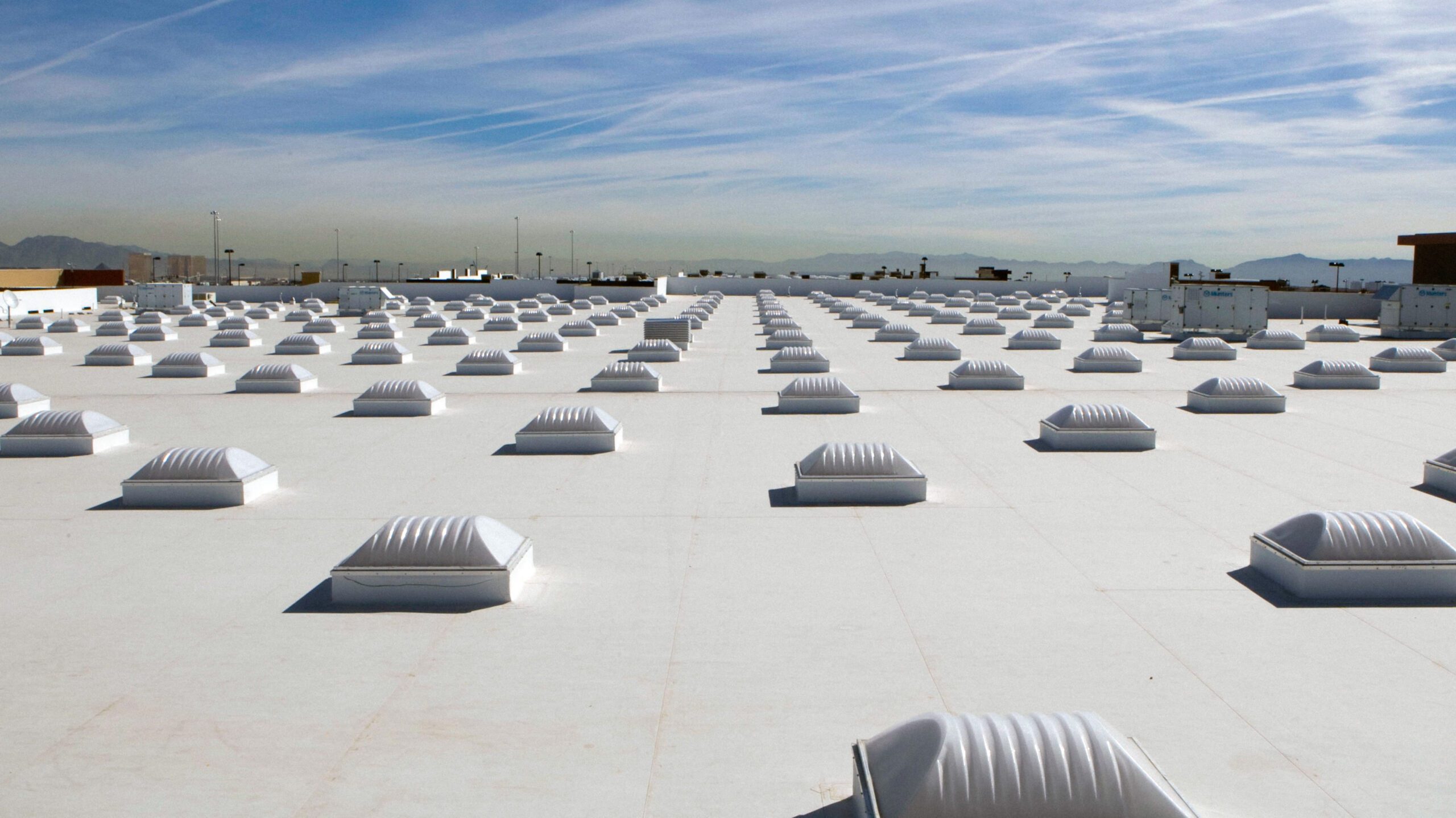
Cool Roof Systems
Cool Roof Systems is scoped around Capitol Avenue office buildings, F.E. Warren Air Force Base area contractors, and freeze-thaw cycles after spring storms. We keep access, weather windows, and tenant disruption in the plan before crews step onto the roof.
View Scope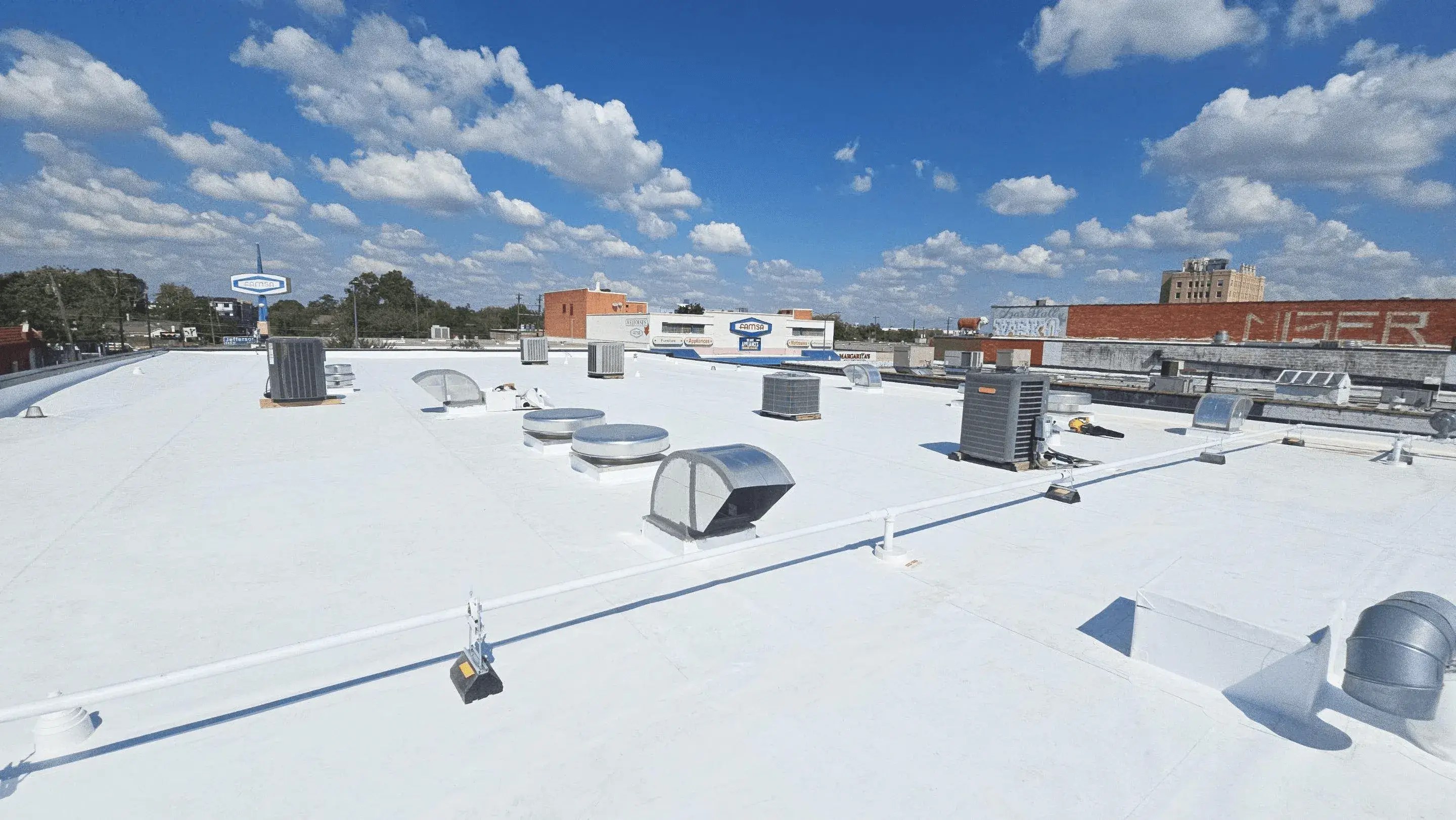
Due-Diligence Roof Reports
Due-Diligence Roof Reports is scoped around the I-25 and I-80 freight interchange, Frontier Mall and nearby service buildings, and snow drift at parapets and rooftop units. Every recommendation is tied to observed conditions, not a prewritten roof package.
View ScopeGet the roof decision into writing.
Tell us what changed on the roof, where the building sits, and who needs the report. We will turn the next step into a clear scope.