 Contact Us Now
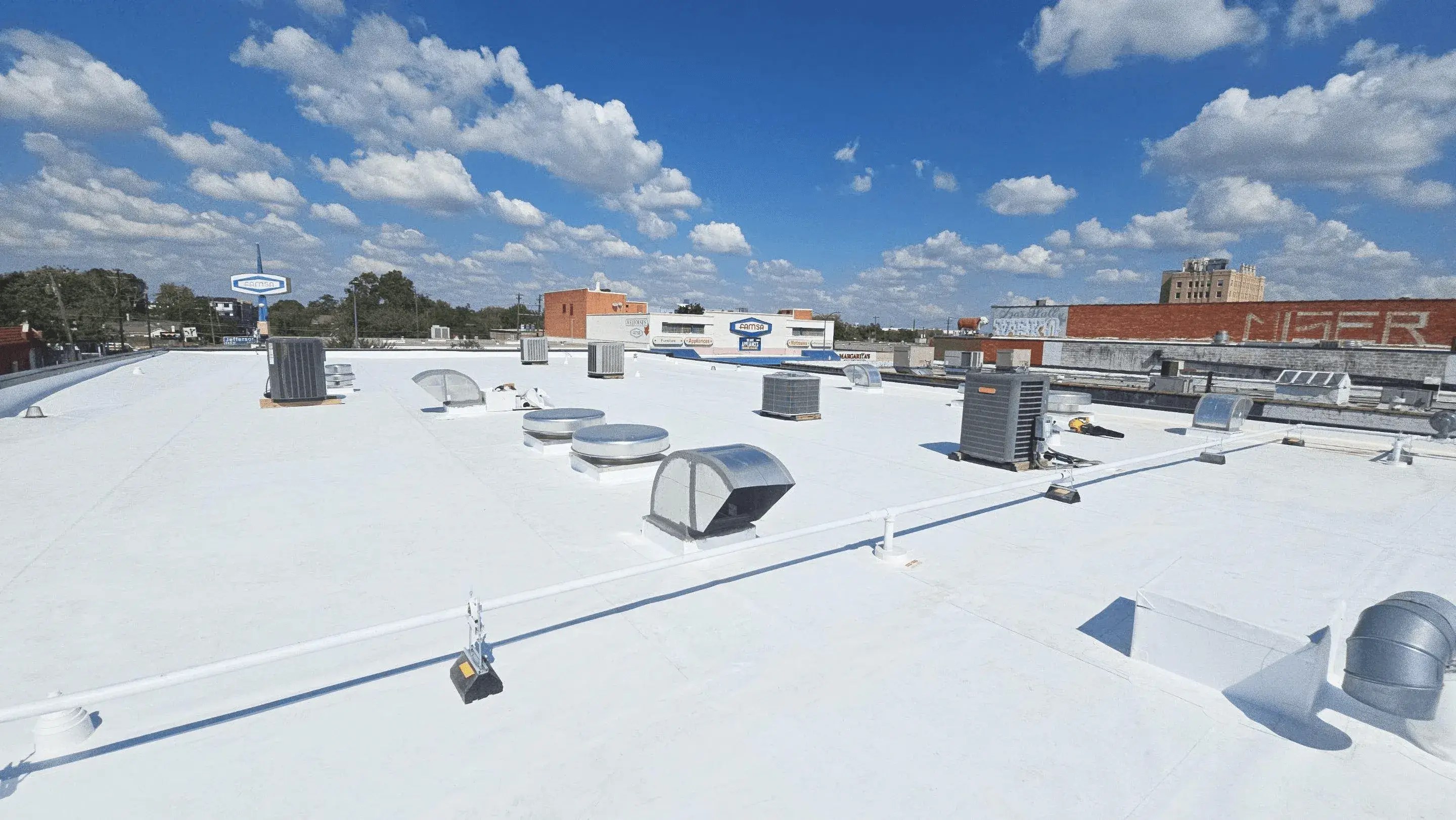
Due-Diligence Roof Reports in Cheyenne, WY
Due-Diligence Roof Reports works best when the repair plan, replacement timing, and documentation all point to the same decision. We consider the I-25 and I-80 freight interchange, Frontier Mall and nearby service buildings, snow drift at parapets and rooftop units, and Capitol Avenue office buildings before we recommend work.
That keeps the scope tied to the roof that is actually on the building: membrane condition, seams, metal, drainage, rooftop units, access, tenant needs, and timing.
Pre-purchase roof condition reports for Cheyenne commercial real estate transactions are a specialized due diligence product that serves a different purpose than a routine maintenance inspection. The audience is not the current building owner, it is a buyer, a lender, or an equity investor who needs an independent, credible assessment of the roofing asset's current condition, remaining useful life, and projected capital needs over the hold period. The stakes are real: a buyer who acquires a Campstool Business Park industrial building without knowing that the modified bitumen roof has saturated insulation across 40 percent of its area has inherited a six-figure capital expenditure that should have affected the purchase price or the reserve escrow requirement.
Cheyenne's climate creates specific due diligence failure modes that a buyer's team needs to understand before closing. Spring snowmelt infiltration that has gone undetected or unrepaired for multiple seasons produces saturated insulation that is invisible to a visual inspection and may not have produced significant interior staining if the building has been unoccupied or lightly used. A building in Cheyenne that has sat partially vacant through two or three winters, a scenario common in industrial parks where lease-up takes time, may have chronic snowmelt infiltration that the previous owner never experienced because the affected areas were not under active occupancy. Infrared scanning and core sampling are essential due diligence tools in this market, not optional upgrades.
Campstool Business Park and Bison Business Park industrial acquisitions are the most common context for our due diligence roof reports in the Cheyenne commercial market. These parks contain a mix of building ages, some constructed in the 1980s and 1990s with original built-up or modified bitumen systems approaching or past their expected service life, others from the 2000s with single-ply systems that may have significant remaining life if they have been maintained. A buyer acquiring multiple buildings in a single transaction, a common scenario in Cheyenne's business park market, benefits from a consistent due diligence methodology across all buildings so that capital needs can be compared and aggregated for reserve study and lender reporting purposes.
Reserve study support is a service we provide as part of the due diligence report package. Lenders financing Cheyenne commercial acquisitions frequently require a capital needs assessment or property condition assessment (PCA) that includes roof replacement cost estimates and projected replacement timing. Our reports provide remaining useful life estimates by roof section, projected replacement cost in current dollars with a 5-year escalation factor, and a recommended annual reserve contribution sufficient to fund the projected replacement when it occurs. This format is compatible with most ASTM E2018-based PCA frameworks that lenders require, and we coordinate with the buyer's PCA provider when our roofing assessment is being incorporated into a broader property condition report.
Due diligence report scope for a Cheyenne commercial acquisition includes: visual inspection of all accessible roof areas, infrared thermographic scan for subsurface moisture detection, core samples at representative locations to confirm insulation type, R-value, and moisture content, drain and drainage system assessment, flashing condition evaluation at penetrations and walls, edge metal and coping condition, snow guard inventory and condition on applicable roofs, and review of any available maintenance records or prior inspection reports provided by the seller. The written report includes a condition narrative, photographic documentation, a roof plan with condition zones mapped, remaining useful life estimates, and a capital needs schedule with cost projections for the buyer's hold period.
Timing constraints in commercial real estate transactions frequently compress the due diligence window to 2 to 3 weeks, which requires a roofing assessor who can mobilize quickly, complete the field work efficiently, and deliver a written report on a timeline compatible with the closing schedule. We maintain the capacity to prioritize due diligence assignments and deliver reports within the transaction timeline. We communicate clearly when a compressed schedule limits the scope we can complete, a rushed inspection that omits infrared scanning to meet a 5-day deadline is not a service to the buyer, and we would rather extend the due diligence period or scope the report honestly than produce a report that misses conditions the buyer needed to know about.
Seller disclosure obligations for Cheyenne commercial property transactions do not always result in complete disclosure of known roofing deficiencies, particularly on properties that have been managed by institutional owners with distributed accountability where no single person has comprehensive knowledge of the building's maintenance history. We treat every due diligence inspection as if the seller has no knowledge to contribute and design the field work to detect conditions independently. Seller-provided maintenance records and prior inspection reports are useful context but are not a substitute for independent field investigation, and discrepancies between seller-disclosed conditions and field findings are noted explicitly in the report.
Post-acquisition use of the due diligence report is a service we extend to buyers who close on Cheyenne commercial properties. The report that identified deferred maintenance and capital needs at acquisition becomes the baseline condition record for the new owner's asset management program. We can transition a due diligence engagement into an ongoing maintenance and asset management relationship, using the acquisition report as the starting condition record and updating it with annual inspection data. For buyers who acquire Cheyenne commercial properties as long-term holds rather than value-add flips, this continuity from due diligence through ownership is an efficient way to establish a professional roofing management program from day one of ownership.
Questions Owners Ask
What is included in a due diligence roof report for a Cheyenne commercial property?
Our due diligence reports include: visual inspection of all accessible roof areas, infrared thermographic scanning for subsurface moisture, core samples at representative locations for insulation type, R-value, and moisture verification, assessment of drainage systems including drains, gutters, and scuppers, flashing condition at all penetrations and wall conditions, edge metal and coping condition, remaining useful life estimate by roof section, projected replacement cost in current dollars with escalation, and a capital needs schedule for the buyer's projected hold period. The report is formatted for compatibility with ASTM E2018-based property condition assessment frameworks used by commercial lenders.
How long does a due diligence roof inspection take in Cheyenne?
Field work for a single commercial building typically takes one full day for buildings up to 50,000 square feet, including visual inspection, infrared scanning, and core sampling. Larger buildings take proportionally longer. Written report delivery runs 3 to 5 business days after field work completion. For multi-building portfolios on a compressed due diligence timeline, we can deploy multiple inspectors to complete field work simultaneously across buildings and deliver a consolidated report on an accelerated schedule. Contact us early in the due diligence period, the sooner we can schedule field work, the more time is available for report preparation within the transaction window.
Can a due diligence report be used to negotiate the purchase price?
Yes, and it is one of its primary uses. When a due diligence report identifies significant deferred maintenance or near-term capital needs, a roof with saturated insulation requiring immediate replacement, for example, the documented capital cost estimate provides a basis for price reduction negotiation, repair escrow establishment, or seller credit at closing. The report's credibility depends on its independence and the quality of its supporting documentation. A report from the buyer's own roofing contractor carries less negotiating weight than one from an independent third party. We produce due diligence reports as independent assessments, not as advocacy documents for either side of the transaction.
What if the seller claims the roof was recently replaced?
We verify the claimed replacement date and scope through field evidence, membrane seam style, fastener and clip types, and manufacturer date coding on materials, and through document review of any warranties, permits, or contractor invoices the seller can provide. A recently replaced roof should have a manufacturer warranty registration that identifies the installation date, contractor, and system. We are candid when the field evidence supports or contradicts the seller's representations. If a seller claims a 3-year-old roof but the membrane shows UV weathering consistent with 12 years of exposure, that discrepancy is documented explicitly in the report.
Do you provide Phase I-style environmental roof reports for lenders?
Our due diligence roof reports are condition and capital needs assessments, not Phase I Environmental Site Assessments, which address hazardous materials and environmental contamination. For Cheyenne commercial properties with roofing systems that may contain asbestos-containing materials (older BUR systems with asbestos-containing felts or coatings are common in pre-1980 construction), we can collect samples for laboratory analysis and provide a written summary of the findings as part of the roof condition report. Full asbestos abatement consulting and environmental compliance documentation require coordination with a licensed environmental consultant. We can facilitate that coordination as part of the due diligence process.
Related Roof Work
Useful next pages for this roof decision.
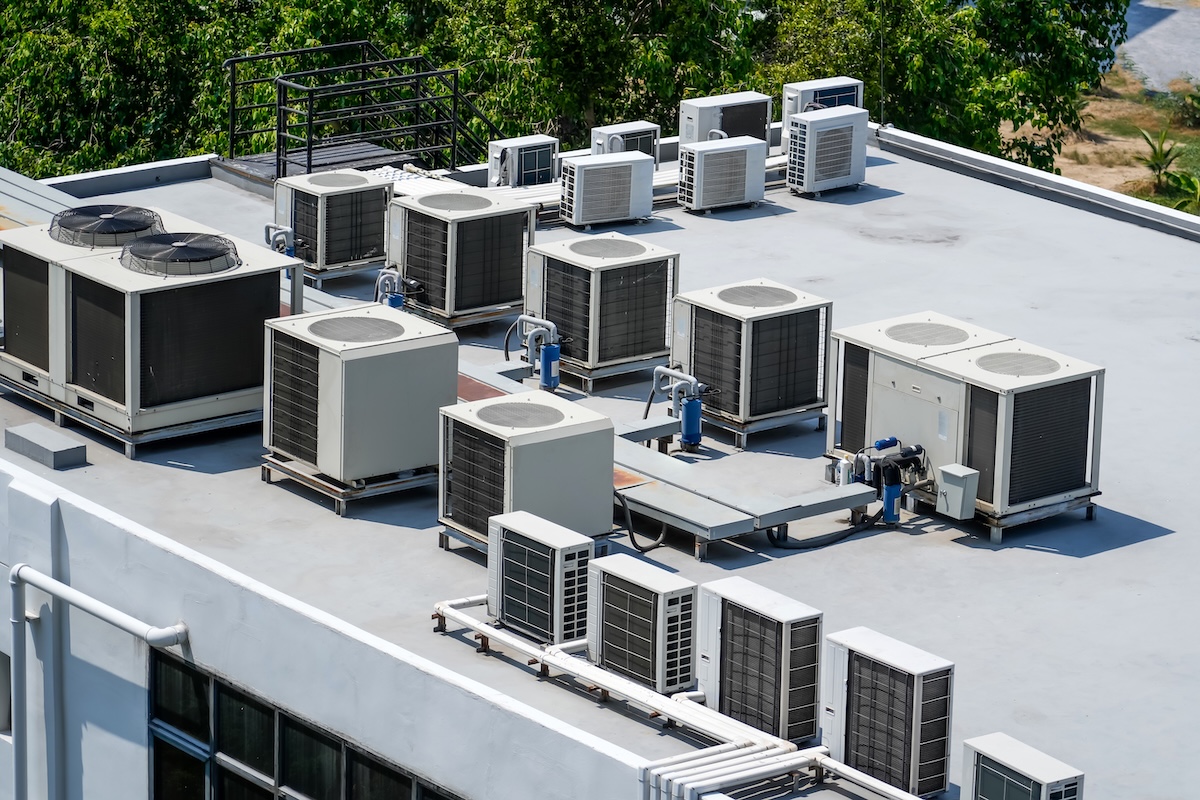
Office Building Roofing
Office Building Roofing is scoped around South Cheyenne industrial sites, Laramie County business parks, and Cheyenne Logistics Hub properties. The scope stays practical: stop water first, document the roof, then choose the repair or replacement path that fits the building.
View Scope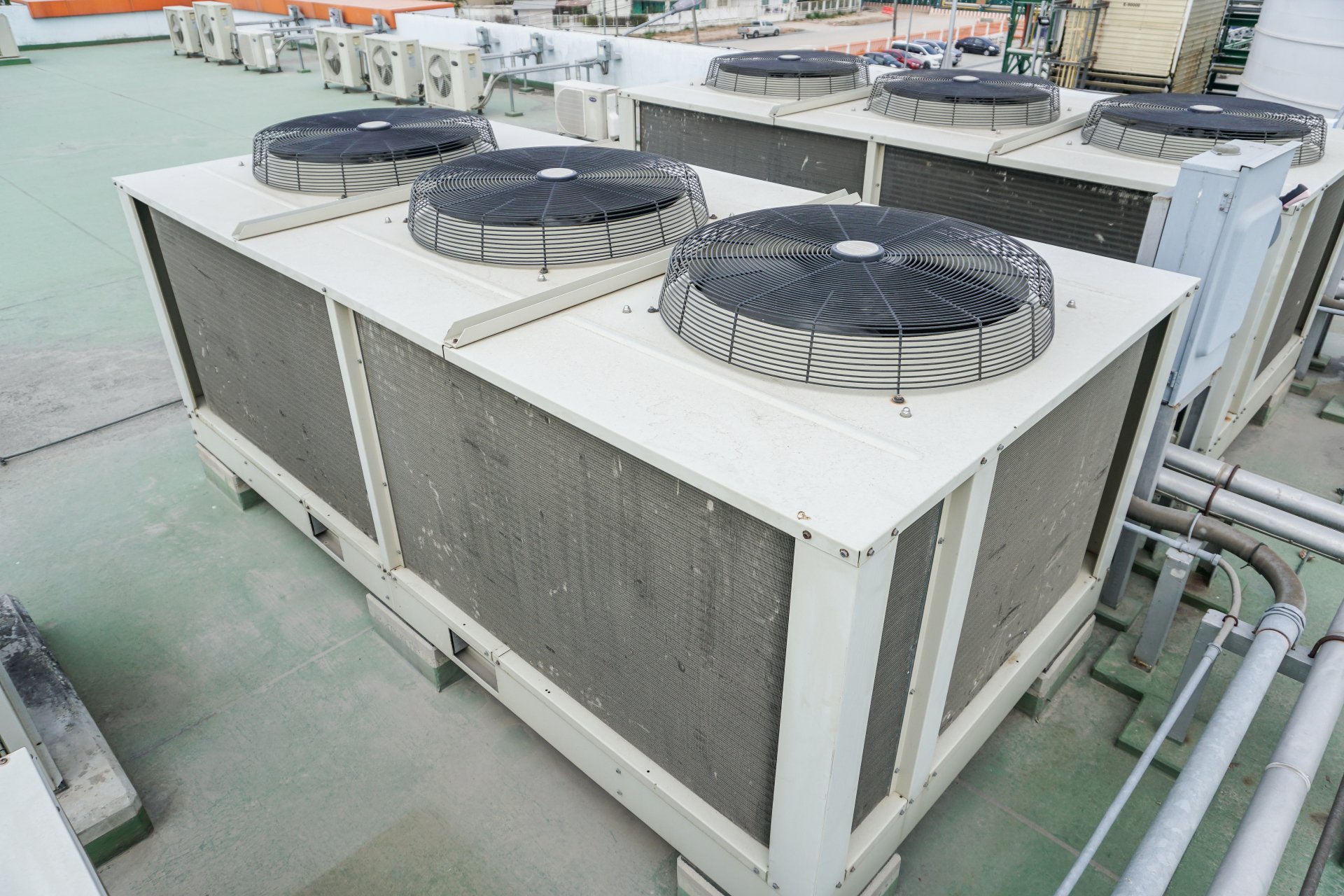
Restaurant and Food Service Building Roofing
Restaurant and Food Service Building Roofing is scoped around snow drift at parapets and rooftop units, Capitol Avenue office buildings, and F.E. Warren Air Force Base area contractors. We keep access, weather windows, and tenant disruption in the plan before crews step onto the roof.
View Scope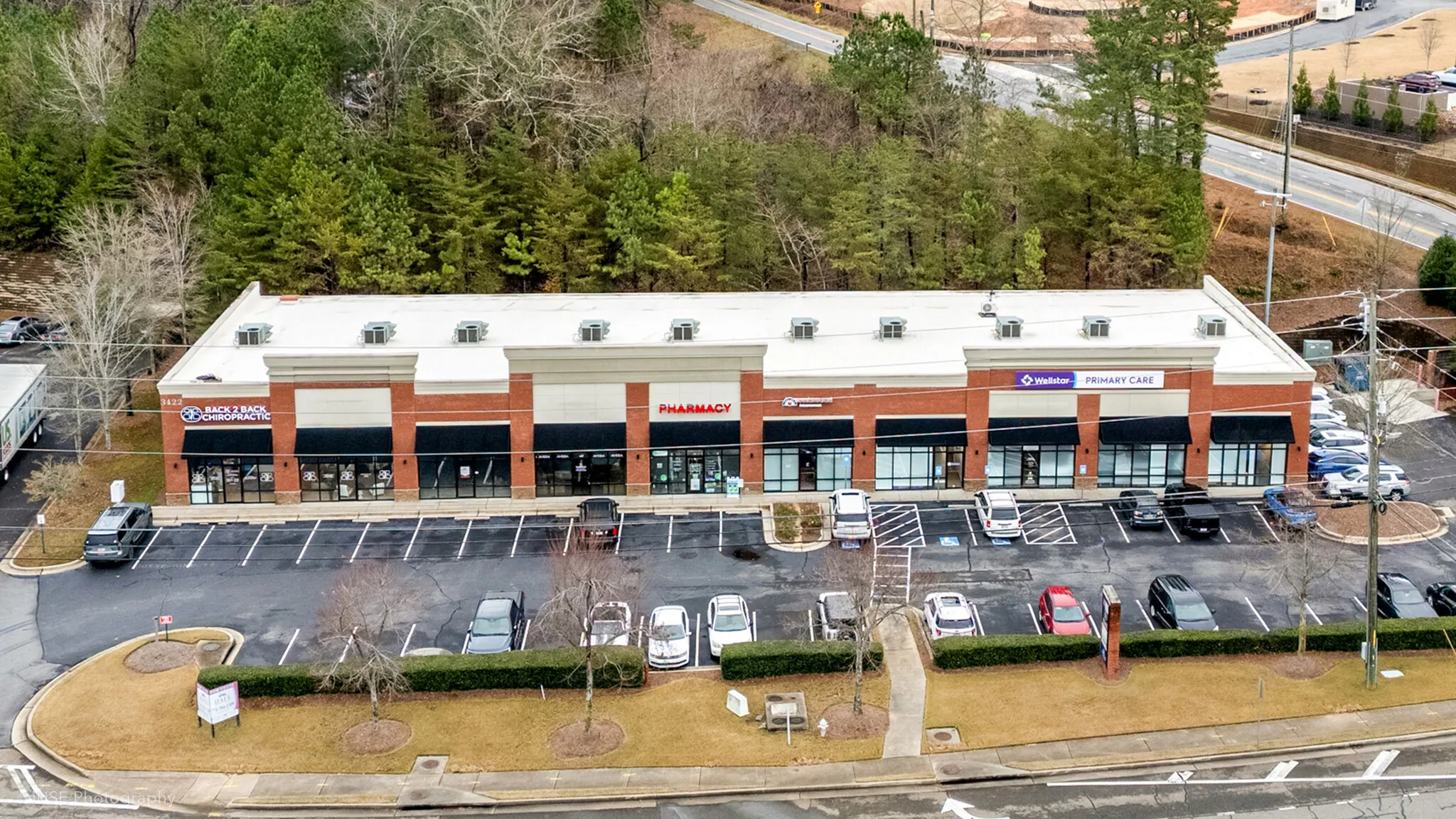
Retail and Shopping Center Roofing
Retail and Shopping Center Roofing is scoped around Capitol Avenue office buildings, F.E. Warren Air Force Base area contractors, and freeze-thaw cycles after spring storms. Every recommendation is tied to observed conditions, not a prewritten roof package.
View ScopeGet the roof decision into writing.
Tell us what changed on the roof, where the building sits, and who needs the report. We will turn the next step into a clear scope.