 Contact Us Now
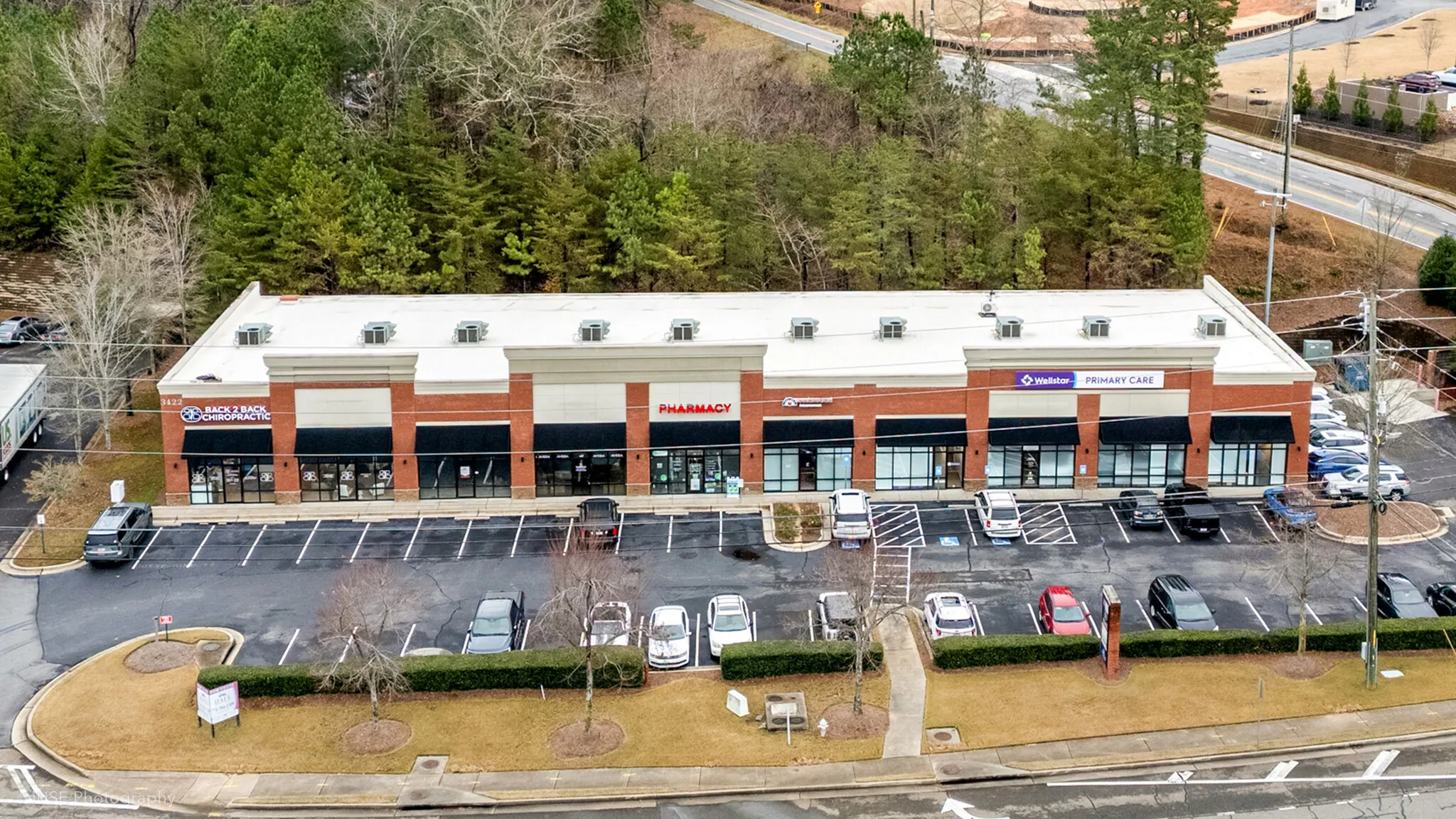
Retail and Shopping Center Roofing in Cheyenne, WY
Retail and Shopping Center Roofing is not useful until the roof condition, access plan, and weather risk are clear. We consider Capitol Avenue office buildings, F.E. Warren Air Force Base area contractors, freeze-thaw cycles after spring storms, and Cheyenne Regional Medical Center area offices before we recommend work.
That keeps the scope tied to the roof that is actually on the building: membrane condition, seams, metal, drainage, rooftop units, access, tenant needs, and timing.
Cheyenne is Wyoming's largest city and its primary retail hub, with the commercial activity concentrated along Powderhouse Road, Dell Range Boulevard, and the Yellowstone Road corridor stretching south toward the Colorado border. The Frontier Mall anchors the regional retail market, flanked by the strip centers and pad sites that have filled in along College Drive and the Dell Range Boulevard commercial spine. Every retail rooftop in this geography operates in one of the most demanding climatic environments in the interior West: persistent high-velocity winds that rank Cheyenne among the windiest cities in the continental United States, significant snowfall often driven horizontally by those winds, sudden temperature swings that can move 60 degrees in 24 hours, and intense UV exposure at over 6,000 feet of elevation.
Wind design is the most critical structural and roofing engineering variable for Cheyenne commercial retail buildings. The city's exposure on the Laramie Range foothills means wind design speeds that exceed most other Wyoming communities, and the open suburban commercial sites along Dell Range Boulevard and Powderhouse Road sit in Exposure Category C or D terrain with no shielding from prevailing westerly winds. We calculate ASCE 7 wind uplift pressures for each Cheyenne retail project using the actual site exposure category rather than conservative estimates, and the fastening patterns that result for perimeter and corner zones are significantly denser than what a contractor accustomed to sheltered suburban markets might specify.
TPO single-ply roofing has become the standard specification for new retail construction in the Cheyenne market, displacing the modified bitumen systems that dominated the building stock constructed between the 1970s and 1990s. TPO's flexibility at low temperatures addresses Wyoming's cold snaps, its heat-welded seam construction resists wind uplift forces better than adhesive-bonded alternatives, and its white reflective surface reduces cooling loads during Cheyenne's warm, dry summers. For re-roofing projects on older strip centers along the Yellowstone Road corridor, we evaluate the existing deck condition carefully because many buildings from that era have open-web steel bar joist framing designed for lower snow drift loads than current codes require when accounting for Cheyenne's wind-driven drift patterns.
Snow management on Cheyenne retail roofs is complicated by the wind patterns that define the city's weather. Unlike vertical snowfall that loads a flat roof relatively uniformly, Wyoming's wind-driven snow creates extreme drift accumulations in sheltered zones, behind parapet walls, in equipment clusters, and at recesses in the roof plane, while the windward field may remain relatively clear. Drift loads behind parapets can exceed ground snow load by factors of two or more, and structural systems designed for uniform snow loading may be inadequate for the concentrated drift weights that actually occur. We identify drift accumulation zones during pre-project surveys and flag them for structural review when the existing structure's design documentation is unavailable.
The Frontier Mall and the major retail anchors along Dell Range Boulevard, home improvement, grocery, and general merchandise chains common to Cheyenne's mid-tier retail market, carry facilities standards requiring manufacturer-certified installation and documented warranty coverage. Cheyenne's relative isolation from major metropolitan contractor markets means that some local roofing companies lack the certification status required by national tenants, which creates delays in project approval and documentation. We maintain active certification status with the major single-ply membrane manufacturers whose products appear in the standard specifications used by national retail anchor tenants, and we deliver warranty documentation packages at project completion without requiring follow-up requests.
Flat roof drainage on Cheyenne retail buildings requires accounting for both snowmelt volumes and the rapid intense rain events that can develop over the Front Range and eastern Wyoming in summer. The combination of Cheyenne's annual snowpack melting in spring, the spring rainfall that can accompany warming, and the convective storm events of June and July creates a drainage demand profile that differs from either a pure winter or pure summer rainfall climate. Primary interior drains sized for the 15-minute design storm intensity appropriate to this elevation and location, paired with emergency scuppers capable of handling overflow without allowing the ponding depths that stress Wyoming's often older structural decks, is the design basis we apply to every Cheyenne retail project.
HVAC penetration management is particularly important on Cheyenne retail roofs because every penetration creates a point where wind-driven snow can force water infiltration at membrane details that work perfectly in vertical rainfall but fail under horizontal wind-driven snow. The flashing geometry appropriate for a rainy coastal market, where water falls from above, may not prevent infiltration where snow is literally being pushed horizontally through any gap at 40 miles per hour. We use penetration flashing details designed for wind-driven snow exposure on all Cheyenne retail projects: higher curb heights, sealed counterflashing, and membrane boots that extend further up curb sides than standard coastal details require.
Energy performance is a genuine financial priority in Cheyenne's retail market, where the heating season runs from late October through April and both gas and electric rates have been subject to upward pressure in recent years. The insulation upgrades that accompany a roof replacement on an older Cheyenne strip center can meaningfully reduce heating costs over the building's remaining service life, which provides a financial return that justifies upgrading beyond minimum code compliance. We present thermal performance calculations for insulation upgrade options using Cheyenne's actual heating degree day data, over 6,800 annually, so property owners can evaluate thicker insulation assemblies against projected energy savings rather than treating the specification decision as a pure cost line.
The relatively small size of Cheyenne's retail market means that landlord-tenant relationships carry more personal weight than in large anonymous metros. Strip center owners along Yellowstone Road and College Drive often have direct relationships with their tenants and care about maintaining the business environment that both parties share. We approach tenant protection during roofing work with the same care we'd apply to a nationally managed property: documented tenant notification, daily site cleanup, temporary waterproofing at each day's end, and a direct contact number for the site lead posted in the construction area so any tenant can reach a decision-maker immediately rather than waiting for a complaint to filter back through property management.
- Why is wind such a major concern for commercial roofing in Cheyenne?
- Cheyenne consistently ranks among the windiest cities in the United States, with sustained winds exceeding 20 mph common and gusts well above 50 mph occurring regularly throughout the year. For commercial roofing, this creates uplift forces on the membrane and insulation assembly that must be addressed through engineered fastening systems designed for the specific site's exposure category and building geometry. Under-fastened roofing systems on Cheyenne's exposed commercial sites can experience progressive edge-peeling and ultimately catastrophic blow-off in high-wind events, even without a building permit violation triggering an inspection.
- How does Wyoming's elevation affect roofing material performance?
- Cheyenne's elevation of approximately 6,000 feet increases UV radiation intensity compared to sea-level locations at the same latitude by 15 to 20 percent. This accelerates UV degradation of exposed membrane surfaces, sealants, and HVAC equipment housings. We specify membrane products with UV-stabilized formulations rated for high-altitude installations and use UV-resistant sealants for penetration applications rather than standard interior-grade products that degrade quickly under Wyoming's intense solar exposure. White reflective membranes both resist UV degradation better than darker alternatives and reduce surface temperatures that would otherwise stress the membrane under intense sun.
- How is snow drift load different from uniform snow load on commercial retail buildings?
- Uniform snow load assumes snow distributes evenly across a roof surface, which is the condition used for structural design in most building codes. Wind-driven snow drift creates concentrated loads in sheltered zones, particularly behind parapet walls, that can be two to four times the ground snow load at specific locations. These localized concentrations can exceed the structural capacity of framing elements designed only for uniform loading, creating a failure risk that is not apparent from the building's overall snow load compliance. We identify drift accumulation zones as part of our pre-project structural assessment for all Cheyenne retail re-roofing projects.
- What is the best roofing membrane for Wyoming's climate extremes?
- TPO membranes with cold-temperature flexibility ratings appropriate for sub-zero conditions, combined with heat-welded seams that resist wind uplift forces, provide the best combination of winter performance and wind resistance for Cheyenne retail buildings. The white reflective surface also addresses the high UV intensity at Cheyenne's elevation. We specify 60-mil minimum TPO for standard retail applications and 80-mil for anchor tenant pads and buildings where interior inventory or operations cannot tolerate any moisture infiltration from a hail or wind event.
- How long do commercial roofing projects typically take in Cheyenne?
- Weather is the primary schedule variable for Cheyenne commercial roofing projects. Membrane welding requires temperatures above 40°F and dry conditions, and Wyoming's spring and fall weather delivers both cold and wind that can slow installation productivity. A mid-sized strip mall replacement of 10,000 to 20,000 square feet typically takes 5 to 8 working days under favorable conditions, with weather contingency built into the schedule. We recommend scheduling Cheyenne retail re-roofing projects for late spring or summer to maximize the available installation window, leaving fall for inspection and maintenance work that is less weather-dependent than new installation.
Related Roof Work
Useful next pages for this roof decision.
Commercial Roof Claims
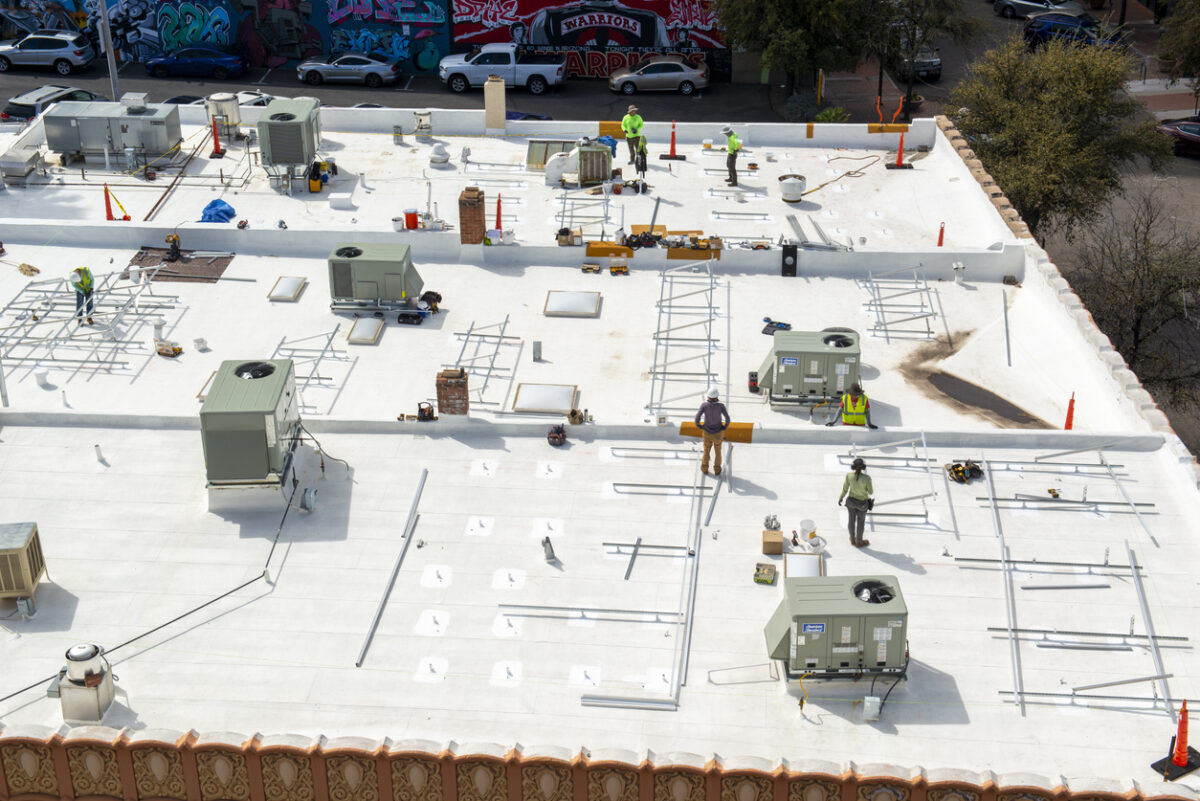
Commercial Roof Claims is scoped around Cheyenne Regional Airport facilities, High Plains wind and hail exposure, and Laramie County public buildings. The scope stays practical: stop water first, document the roof, then choose the repair or replacement path that fits the building.
View Scope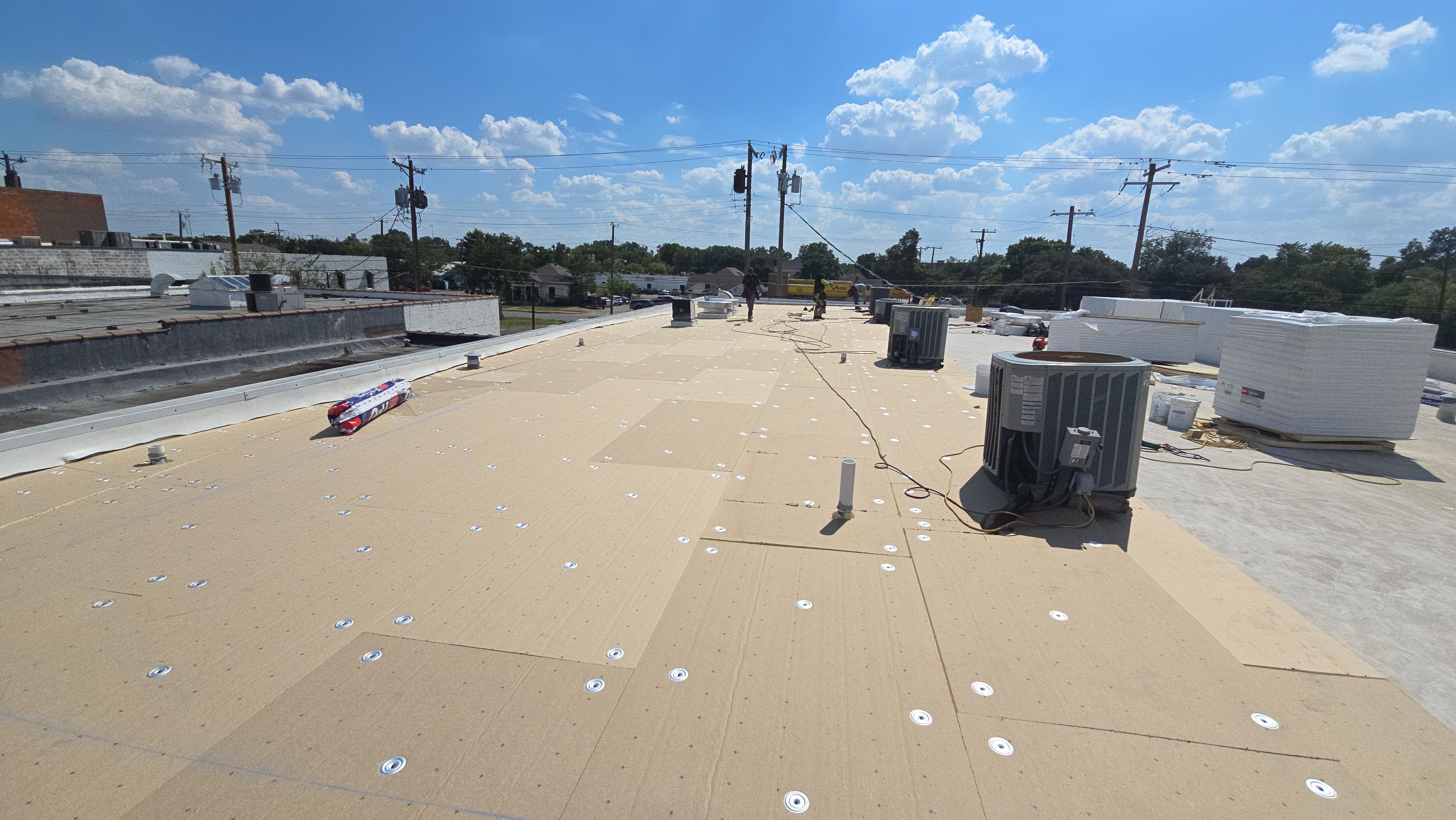
Commercial Roof Installation
Commercial Roof Installation is scoped around South Cheyenne industrial sites, Laramie County business parks, and Cheyenne Logistics Hub properties. We keep access, weather windows, and tenant disruption in the plan before crews step onto the roof.
View Scope
Commercial Roof Procurement
Commercial Roof Procurement is scoped around snow drift at parapets and rooftop units, Capitol Avenue office buildings, and F.E. Warren Air Force Base area contractors. Every recommendation is tied to observed conditions, not a prewritten roof package.
View ScopeGet the roof decision into writing.
Tell us what changed on the roof, where the building sits, and who needs the report. We will turn the next step into a clear scope.