 Contact Us Now
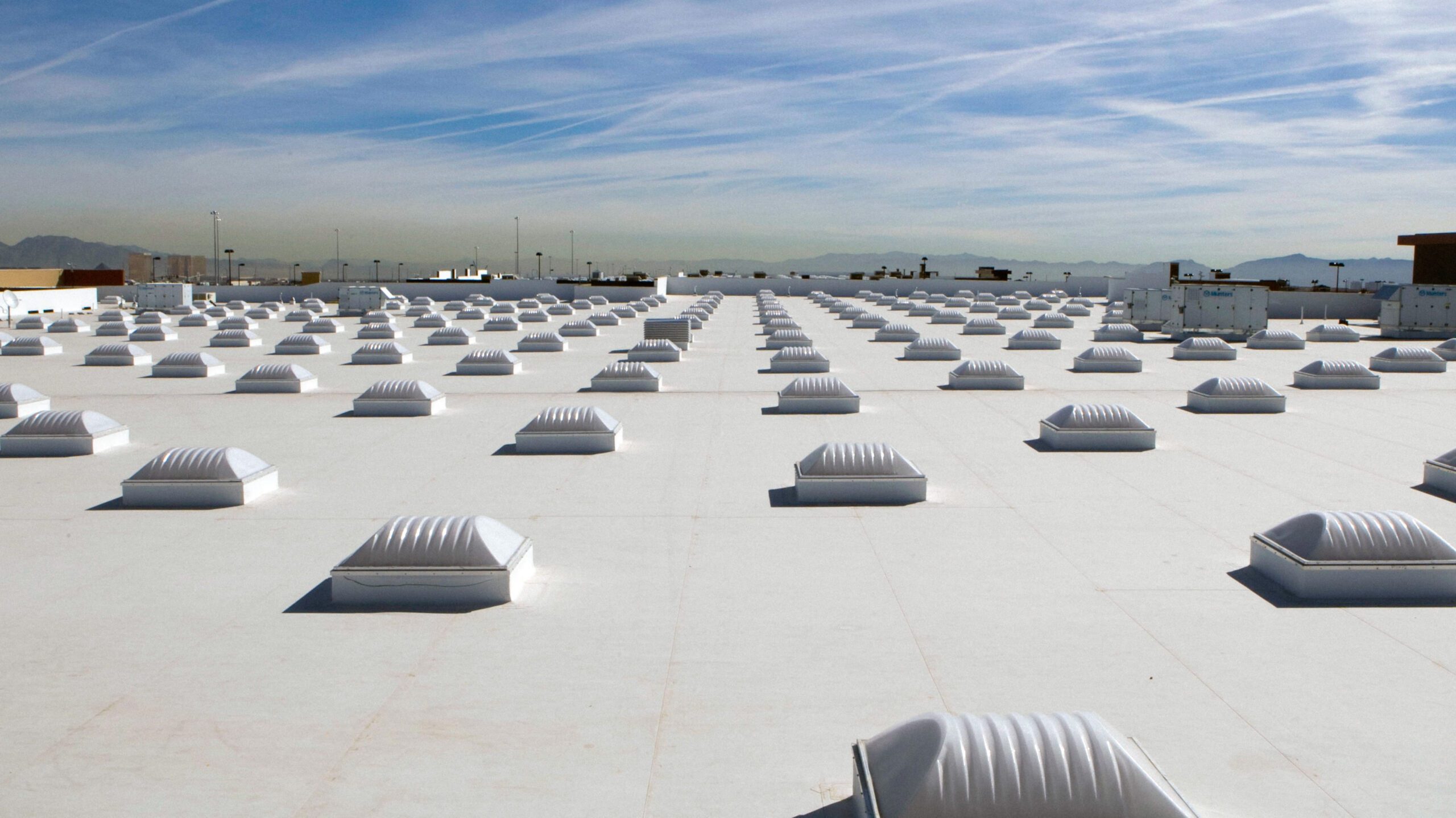
Cool Roof Systems in Cheyenne, WY
For Cool Roof Systems, we look at the roof as an operating asset, not a one-time line item. We consider Capitol Avenue office buildings, F.E. Warren Air Force Base area contractors, freeze-thaw cycles after spring storms, and Cheyenne Regional Medical Center area offices before we recommend work.
That keeps the scope tied to the roof that is actually on the building: membrane condition, seams, metal, drainage, rooftop units, access, tenant needs, and timing.
Cool roof systems carry a different value proposition in Cheyenne than in any Sun Belt market, and building owners here deserve a straight answer about that difference rather than a national marketing pitch. With only 14.9 days per year above 90°F in Cheyenne, the cooling energy savings argument that drives cool roof adoption in Phoenix, Atlanta, or Houston simply does not translate. A white TPO or silicone-coated roof in Cheyenne will not produce the dramatic air conditioning cost reductions that cool roof advocates cite, because Cheyenne commercial buildings do not run air conditioning for long enough to generate those savings. The honest case for cool roofs in Cheyenne rests on different benefits, and those benefits are real and meaningful even if they are less dramatic than the energy narrative suggests.
Thermal cycling stress reduction is the primary performance argument for reflective roofing systems in Cheyenne's climate. A dark-colored membrane on a south or west exposure in Cheyenne will reach surface temperatures above 150°F on summer afternoons, then drop to ambient temperature, sometimes below 40°F, overnight. That 100-plus degree daily temperature swing imposes repeated expansion and contraction stress on every seam, lap, and flashing in the roof assembly. A white or light-colored membrane on the same exposure will peak 40 to 60°F cooler on the same summer afternoon, reducing the daily thermal amplitude significantly. Over 20 years of service life, the reduced thermal fatigue from this smaller temperature swing translates to fewer seam failures, fewer flashing failures, and lower maintenance costs, even in a climate where the cooling energy benefit is modest.
Energy code compliance is an increasingly relevant consideration for cool roofs in Cheyenne's commercial construction market. ASHRAE 90.1 and the Wyoming state energy code include prescriptive cool roof requirements for certain occupancy types and climate zones, specifically for non-small-building buildings with low-slope roofs where the building does not have a suspended ceiling. In these cases, a cool roof with a minimum solar reflectance index (SRI) is not an optional upgrade but a code-required specification element. We confirm energy code applicability for every new construction and replacement project in Cheyenne and specify membrane products with SRI values that meet or exceed the code requirement for the applicable climate zone designation.
White single-ply membranes, TPO and PVC, are the most common cool roof specification for Cheyenne commercial buildings, not because of aggressive energy marketing but because they are the dominant commercial membrane products in the market and their standard color is white or light gray. The reflectivity benefit comes with the membrane choice rather than requiring a separate coating or premium product. EPDM, which is inherently black, is used with a white-coated or light-colored surface treatment when cool roof performance is required, or specified in its standard black form for buildings where cool roof performance is not a priority and the superior low-temperature flexibility of EPDM is the design driver.
Cool roof coatings applied over existing dark membranes or metal panels are a viable strategy for Cheyenne buildings where the existing system is in recoverable condition and the owner wants to improve thermal cycling performance without a full replacement. A silicone or acrylic elastomeric coating applied at appropriate dry film thickness will convert a dark BUR or modified bitumen surface to a reflective surface, reducing summer peak temperatures and extending the remaining service life of the underlying membrane. The thermal cycling benefit is real in Cheyenne; the coating decision still requires the honest substrate assessment that any restoration approach demands before the investment is made.
The winter energy penalty of a cool roof in Cheyenne is a concern that deserves quantitative evaluation rather than assumption. A highly reflective roof surface absorbs less solar radiation in winter, which incrementally increases heating loads for a well-insulated building. For a typical Cheyenne commercial building with modern insulation levels, modeling studies suggest the winter heating penalty from a white roof is in the range of 1 to 3 percent of annual heating energy, a real but modest effect. For a poorly insulated older building where the roof assembly is a significant heat loss pathway, the heating penalty is larger relative to total energy use. We can model the energy balance for specific Cheyenne buildings to quantify both the winter penalty and the summer benefit for a net annual energy impact number.
Cool roof product selection for Cheyenne must account for the high-altitude UV intensity that affects long-term reflectivity. At 6,156 feet elevation, UV irradiance is roughly 25 to 30 percent higher than at sea level. White membranes and coatings that maintain their reflectivity well at sea level may chalk, yellow, or collect dirt faster at altitude. We specify products with documented high-altitude performance data where available and incorporate periodic cleaning into the maintenance program for buildings where long-term reflectivity is a compliance or performance objective. A cool roof that has become gray from dirt and UV-driven yellowing after five years at altitude is providing a fraction of its design reflectivity and should be cleaned or re-coated to restore performance.
The total value case for cool roofs on Cheyenne commercial buildings is best presented as a combination of factors rather than a single dominant benefit: modest cooling energy savings for buildings with any air conditioning load, meaningful thermal cycling stress reduction that extends service life, energy code compliance for applicable occupancies, potential utility rebate eligibility (Cheyenne's utility providers occasionally offer rebates for qualifying cool roof installations on commercial buildings), and the practical benefit of starting with the dominant product in the market, white single-ply, rather than incurring a premium for a specialty dark-surface product. In sum, cool roofs make sense in Cheyenne, just for different reasons than the ones emphasized in warmer markets.
Questions Owners Ask
Will a white roof actually save energy on a Cheyenne commercial building?
Yes, but the savings are modest compared to what cool roof proponents cite in warm climates. Cheyenne's short cooling season limits the air conditioning energy benefit to a fraction of what the same system delivers in Houston or Phoenix. The more meaningful benefit in Cheyenne is thermal cycling stress reduction, the reduced membrane fatigue from a lower summer peak temperature. For buildings with significant air conditioning loads (data centers, cold storage, occupied office buildings), the cooling energy savings are more substantial. For unheated or minimally cooled warehouses, the primary benefit is membrane longevity rather than energy cost reduction.
Does Cheyenne's energy code require a cool roof?
ASHRAE 90.1, which forms the basis of the Wyoming state energy code, includes cool roof requirements for certain non-small-building low-slope roof applications in Cheyenne's climate zone. The requirement applies when the roof assembly does not include a thermal mass or suspended ceiling assembly that qualifies for an exemption. The specific SRI threshold and applicable conditions are defined in the code edition in effect for the project's permit. We confirm the applicable requirement for every new construction and replacement project and specify products that meet it. Energy code compliance on roofing is not optional, and non-compliant installations can trigger permit issues at final inspection.
What is the SRI rating and how do we know if a product meets the requirement?
Solar Reflectance Index (SRI) is a measure that combines a surface's solar reflectance and thermal emittance into a single number on a scale from 0 to 100-plus. A perfectly black surface has an SRI of 0; a perfectly white surface has an SRI near 100. ASHRAE 90.1 specifies minimum initial and aged SRI values for cool roof compliance, typically SRI of 78 or higher for initial and 64 or higher for aged (3-year weathered) values on low-slope roofs. Manufacturer product data sheets report SRI values as tested to CRRC or ENERGY STAR standards. We verify product compliance against the code-specified threshold before submitting the product for permit approval.
Can we get a utility rebate for installing a cool roof in Cheyenne?
Rebate availability depends on the utility provider and the program in effect at the time of installation. Cheyenne's primary electric utility has offered commercial cool roof rebates in the past as part of demand-side management programs, but program availability, rebate amounts, and qualifying product specifications change periodically. We check current rebate program availability for every cool roof project we bid and assist building owners with the rebate application process when a qualifying program is available. Rebate eligibility typically requires installation of a product that meets the program's SRI threshold, installation by a licensed contractor, and documentation submitted within a specific period after installation.
Does a white roof make a Cheyenne building colder in winter?
Marginally, yes. A reflective surface absorbs less solar radiation in winter, which reduces the passive solar heat gain through the roof. For a well-insulated building, R-30 or higher roof assembly, the effect on heating energy is small because the insulation layer prevents most of the solar heat gain from contributing to building warmth anyway. For a poorly insulated building where the roof is a significant thermal interface, the effect is larger. Quantitatively, most energy modeling studies find the winter heating penalty of a white roof in Cheyenne's climate to be less than the summer cooling benefit even accounting for the short cooling season, which is why cool roofs produce a net positive energy result in most commercial applications here.
Related Roof Work
Useful next pages for this roof decision.
Drone Roof Inspection
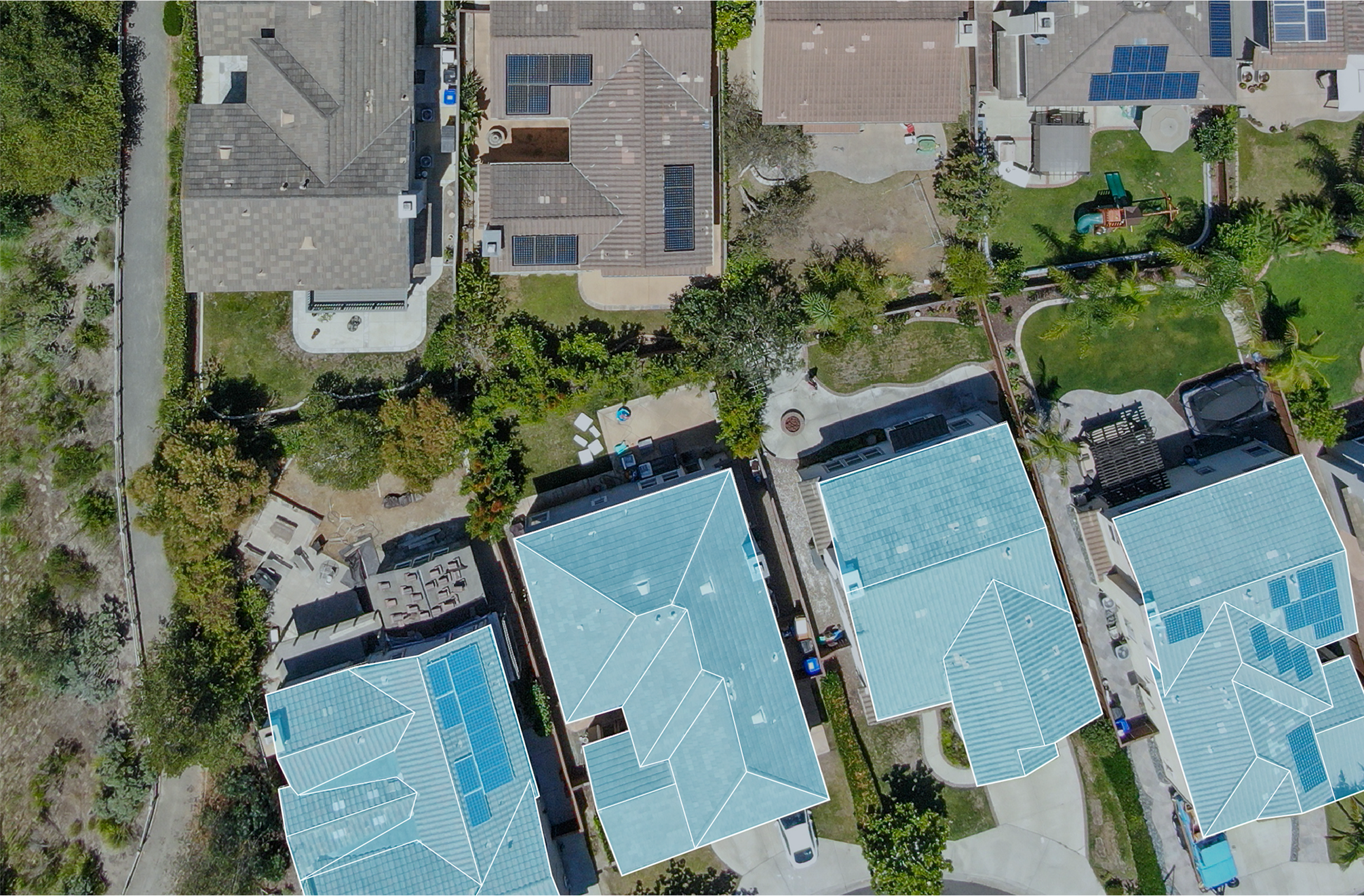
Drone Roof Inspection is scoped around North Range Business Park warehouses, the I-25 and I-80 freight interchange, and Frontier Mall and nearby service buildings. The scope stays practical: stop water first, document the roof, then choose the repair or replacement path that fits the building.
View Scope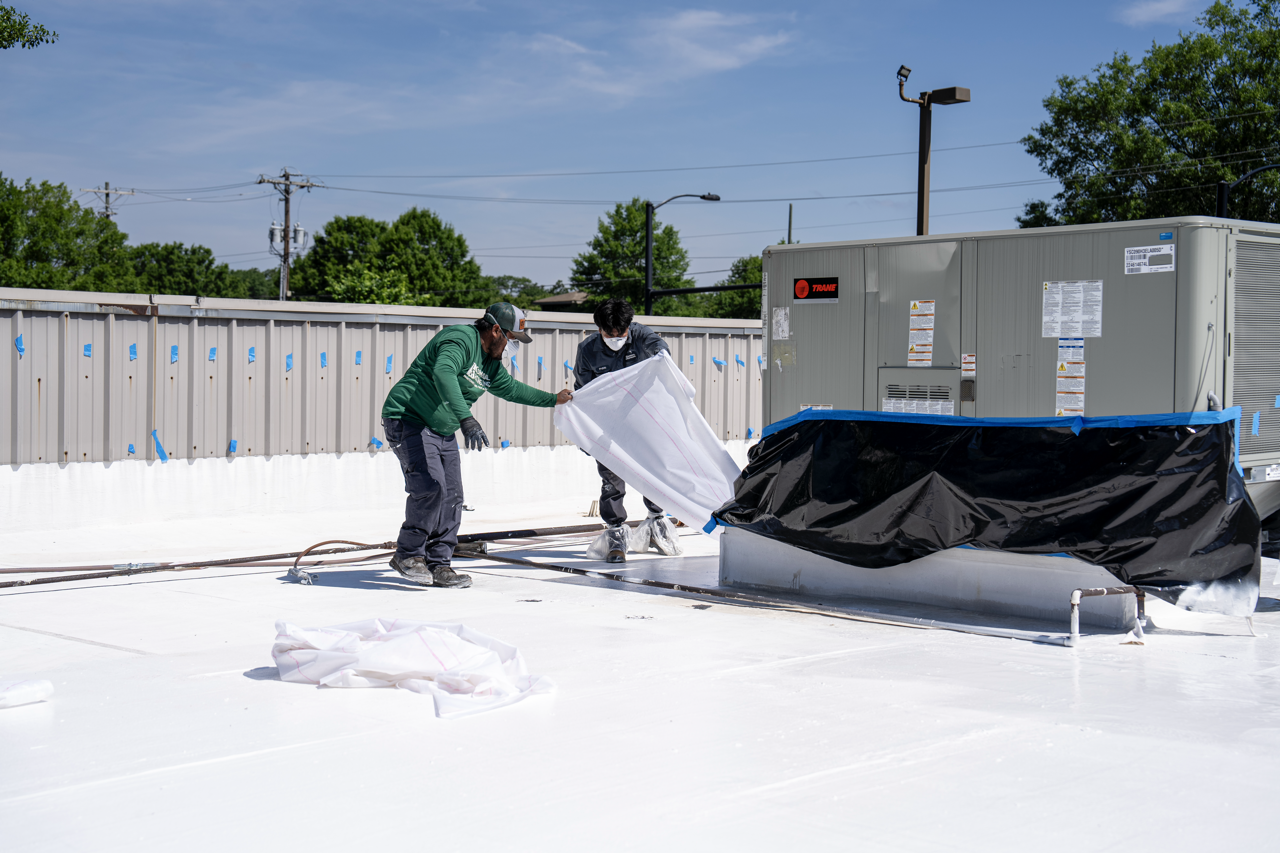
Preventive Roof Maintenance
Preventive Roof Maintenance is scoped around North Range Business Park warehouses, the I-25 and I-80 freight interchange, and Frontier Mall and nearby service buildings. We keep access, weather windows, and tenant disruption in the plan before crews step onto the roof.
View Scope
Commercial Roof Maintenance
Commercial Roof Maintenance is scoped around Laramie County business parks, Cheyenne Logistics Hub properties, and North Range Business Park warehouses. Every recommendation is tied to observed conditions, not a prewritten roof package.
View ScopeGet the roof decision into writing.
Tell us what changed on the roof, where the building sits, and who needs the report. We will turn the next step into a clear scope.