 Contact Us Now
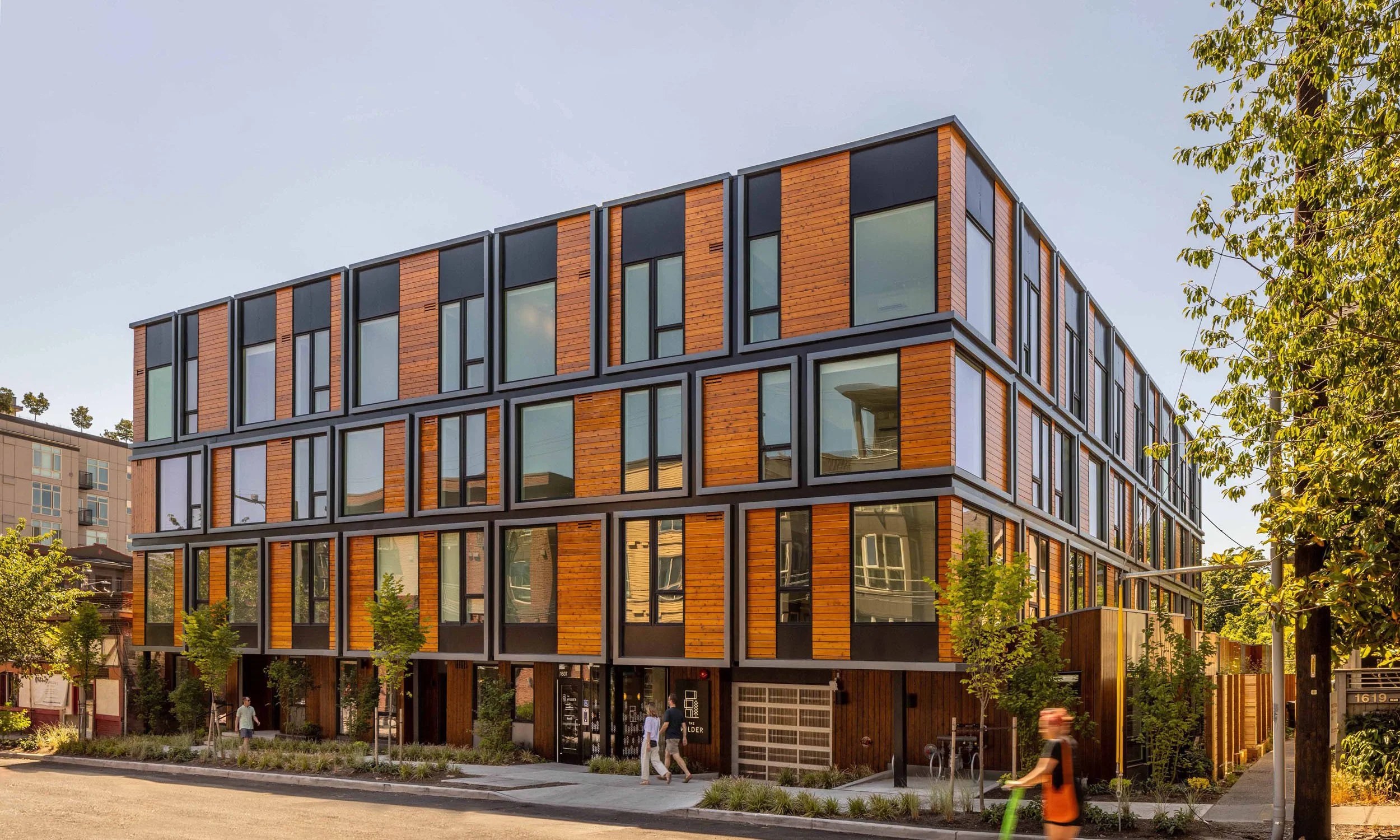
Multifamily and Apartment Building Roofing in Cheyenne, WY
A roof scope for Multifamily and Apartment Building Roofing has to start with what the building is doing today. We consider the I-25 and I-80 freight interchange, Frontier Mall and nearby service buildings, snow drift at parapets and rooftop units, and Capitol Avenue office buildings before we recommend work.
That keeps the scope tied to the roof that is actually on the building: membrane condition, seams, metal, drainage, rooftop units, access, tenant needs, and timing.
Cheyenne, Wyoming's multifamily housing market occupies a unique position at the crossroads of several economic forces: the stable government employment base powered by Francis E. Warren Air Force Base and state government, the infrastructure and energy sector workforce that cycles through southeast Wyoming, and the slowly diversifying commercial economy that has drawn new residents to the state's capital city. Apartment complexes in Cheyenne range from mid-century workforce housing near downtown to newer garden-style developments along Dell Range Boulevard and in the growing south Cheyenne corridor toward the Colorado border. All of them face what is arguably the most demanding roofing climate in the contiguous United States.
Cheyenne earns its reputation as the "Windy City of the Plains", sustained winds exceeding 40 miles per hour are common, and gusts above 60 mph are a routine winter occurrence. This wind exposure creates a roofing environment unlike anything property managers from lower-elevation, sheltered markets have experienced. Membrane edges, parapet terminations, and flashings that would perform perfectly well in Omaha or Denver can fail catastrophically on a Laramie County apartment building during a sustained high-wind event. Commercial roofing systems in the Cheyenne area must be specified and installed with wind uplift resistance as the primary design parameter, not an afterthought to weather tightness.
Wyoming's altitude, Cheyenne sits at nearly 6,200 feet above sea level, amplifies UV radiation exposure in ways that meaningfully accelerate the degradation of roofing membrane surfaces compared to sea-level locations. Property managers who are accustomed to roofing system performance timelines from lower-elevation markets need to recalibrate their expectations when managing Cheyenne apartment assets. TPO and EPDM membranes that might serve 25 years in coastal markets may show surface degradation at 18 to 20 years in Cheyenne's high-altitude UV environment. Building this climate-adjusted remaining life assumption into capital reserve planning is essential for accurate long-term budgeting.
The military housing ecosystem around Warren Air Force Base creates a specific market dynamic in Cheyenne's apartment rental landscape. Military families, both those living on base and those who prefer community housing off-installation, expect well-maintained properties and move through the market on predictable PCS-driven cycles. Property management companies serving this tenant segment understand that physical plant quality, including visible evidence of active maintenance investment on the exterior building envelope, directly affects both leasing success and reputation within the tight-knit military community. A property with a visibly aging or patched roofing system communicates neglect regardless of how well the interiors have been renovated.
Hail storms in southeast Wyoming are a documented and recurring hazard for every commercial roofing system in Laramie County. The same atmospheric conditions that generate severe thunderstorms along the Colorado Front Range push northeast into Cheyenne with regularity during spring and summer storm season, delivering hail events that can shred unprotected membrane surfaces and granule-surfaced modified bitumen in minutes. Apartment complex owners in Cheyenne should carry commercial property insurance with explicit hail damage coverage, maintain documentation of their roofing system's installation date and specifications, and establish a relationship with a commercial roofing contractor who can respond promptly after storm events to document damage and begin the insurance claim process.
HOA communities in Cheyenne's established neighborhoods, the Prairie Wind area, the Saddle Ridge development, and the infill communities in the south end near the Wyoming Welcome Center corridor, deal with roofing decisions that must account for both the harsh climate and the high cost of quality commercial roofing labor in a market where qualified contractors are in short supply relative to the region's construction volume. Board members who serve on HOA associations in Cheyenne should plan roofing capital projects well in advance and understand that contractor availability during the brief warm-weather installation window is genuinely constrained. Waiting until a roof is actively failing to engage a contractor in a thin labor market is a recipe for emergency pricing and scheduling uncertainty.
Snow load management is a structural concern for flat-roofed apartment buildings throughout the Cheyenne area. Wyoming's high plains terrain generates significant snowfall accumulation during winter storm cycles, and the combination of dense wet snow and subsequent wind redistribution that creates massive drifts against parapet walls can push roof loads well beyond design parameters on older buildings. Property managers at apartment complexes with flat roofs should have a snow removal protocol established before each winter, including clear guidance on when accumulation triggers removal action, and a contractor relationship that supports safe membrane-protective snow clearing without creating worker safety hazards.
The seasonal nature of construction in Wyoming creates a compressed calendar for commercial roofing work. Reliable working conditions for membrane installation and adhesive application typically run from May through October, with the specific window varying year to year based on spring snowstorm timing and fall early-season freezes. This compressed schedule means that roofing projects at Cheyenne apartment complexes must be planned and contracted well in advance of the spring work season, particularly for properties with systems that are known to be in failing condition. Property managers who wait until a system is actively leaking in March to begin the contractor engagement process will consistently find themselves waiting for late-season availability at premium pricing.
Real estate investors and property management companies building multifamily portfolios in Cheyenne and the surrounding Laramie County market benefit from working with commercial roofing contractors who have deep regional experience rather than firms based in Denver or elsewhere in Colorado who treat the Wyoming market as an occasional overflow project. The specific climate demands of the high-altitude, high-wind Wyoming environment require material specifications, installation details, and maintenance protocols that are calibrated to local conditions, not adapted from lower-elevation, lower-wind playbooks. A contractor who regularly works in the Cheyenne market understands which products perform in the local environment and which field failures keep showing up in claims, and that knowledge directly improves the performance of the roofing systems they install on your properties.
- What roofing systems are best suited for apartment buildings in Cheyenne, Wyoming?
- EPDM and TPO single-ply membranes are both commonly used on Cheyenne multifamily flat roofs, with high-wind installation details, including enhanced fastening patterns and mechanically secured perimeter edge metal, being essential given the region's sustained wind exposure. TPO's UV-reflective surface offers meaningful energy performance benefits at Cheyenne's altitude, while EPDM's cold-temperature flexibility makes it a strong performer through Wyoming winters.
- How does Cheyenne's elevation affect the lifespan of commercial roofing systems?
- High altitude amplifies UV radiation intensity, which accelerates surface degradation on roofing membranes compared to equivalent systems at lower elevations. Property managers and investors in the Cheyenne market should use shorter remaining useful life assumptions, perhaps 10 to 15 percent less than manufacturer-stated lifespans based on coastal or sea-level benchmarks, when planning capital reserves for roofing replacements.
- When is the best time to schedule a roofing project on a Cheyenne, WY apartment complex?
- The reliable installation window in Cheyenne runs roughly from late May through September, with the specific endpoints varying based on spring snowstorm and early fall freeze timing in any given year. Contractor engagement should begin in winter or early spring at the latest, since qualified commercial roofing firms in the Wyoming market have limited capacity and projects requiring the brief summer window book up quickly.
- What wind speed requirements apply to roofing systems on apartment buildings in Laramie County?
- Wyoming building codes based on the International Building Code require roofing systems to be designed for the wind speed zone applicable to the project location, and the Cheyenne area's high-wind exposure means design requirements are substantial. All contractor proposals for reroofing projects should specify the design wind uplift rating of the proposed system and confirm that installation details, fastening patterns, edge securement, and parapet terminations, meet the required standard.
- How should a Cheyenne apartment property manager handle snow accumulation on flat roofs during winter?
- Property managers should establish a snow removal protocol before the first winter storm of each season, defining the accumulation thresholds that trigger removal action and designating qualified personnel or a contractor to perform the work safely without damaging the membrane. Commercial roofing contractors who work in the Cheyenne market can advise on safe removal techniques and provide emergency response when accumulation events exceed safe load parameters.
Related Roof Work
Useful next pages for this roof decision.
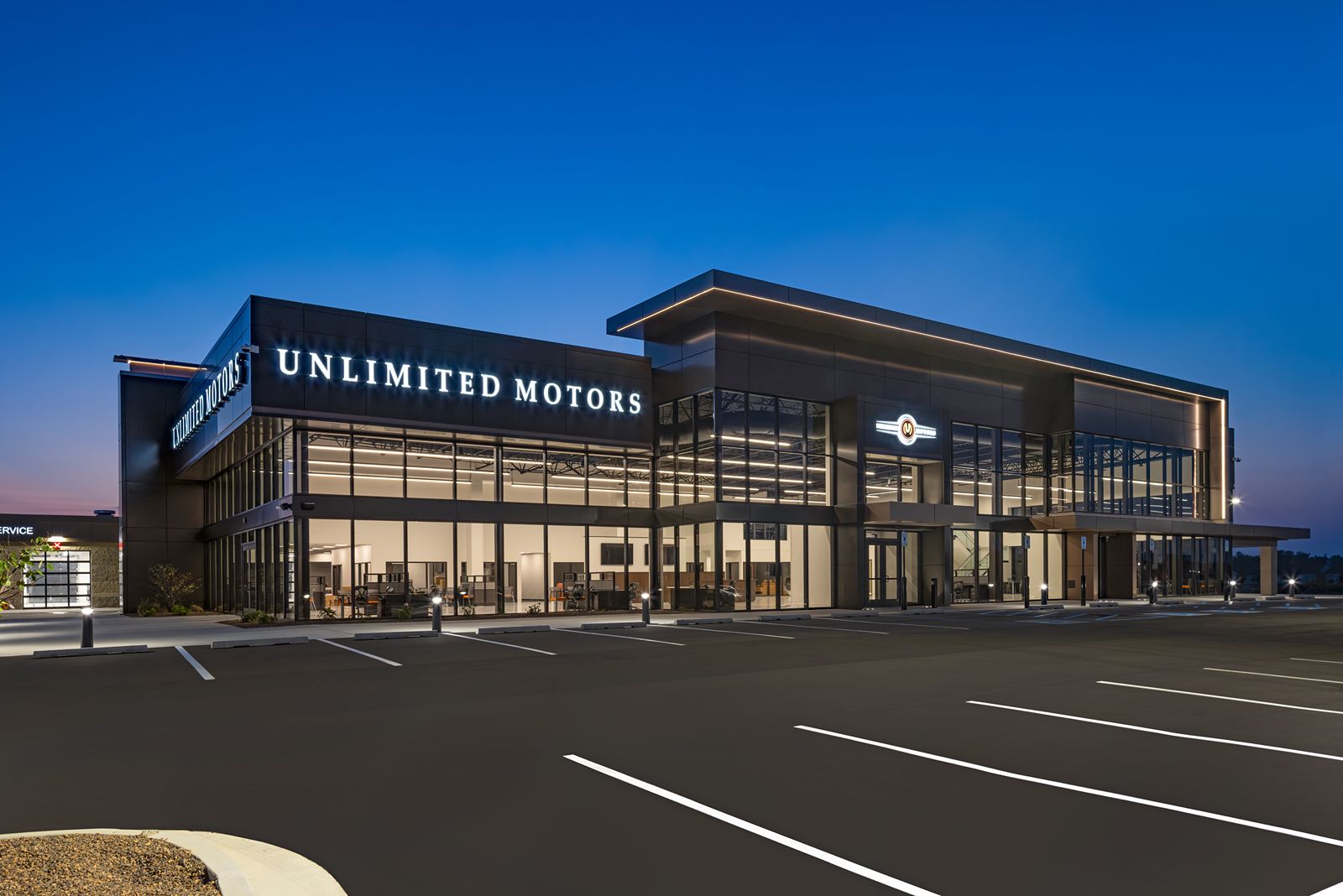
Auto Dealership Roofing
Auto Dealership Roofing is scoped around snow drift at parapets and rooftop units, Capitol Avenue office buildings, and F.E. Warren Air Force Base area contractors. The scope stays practical: stop water first, document the roof, then choose the repair or replacement path that fits the building.
View Scope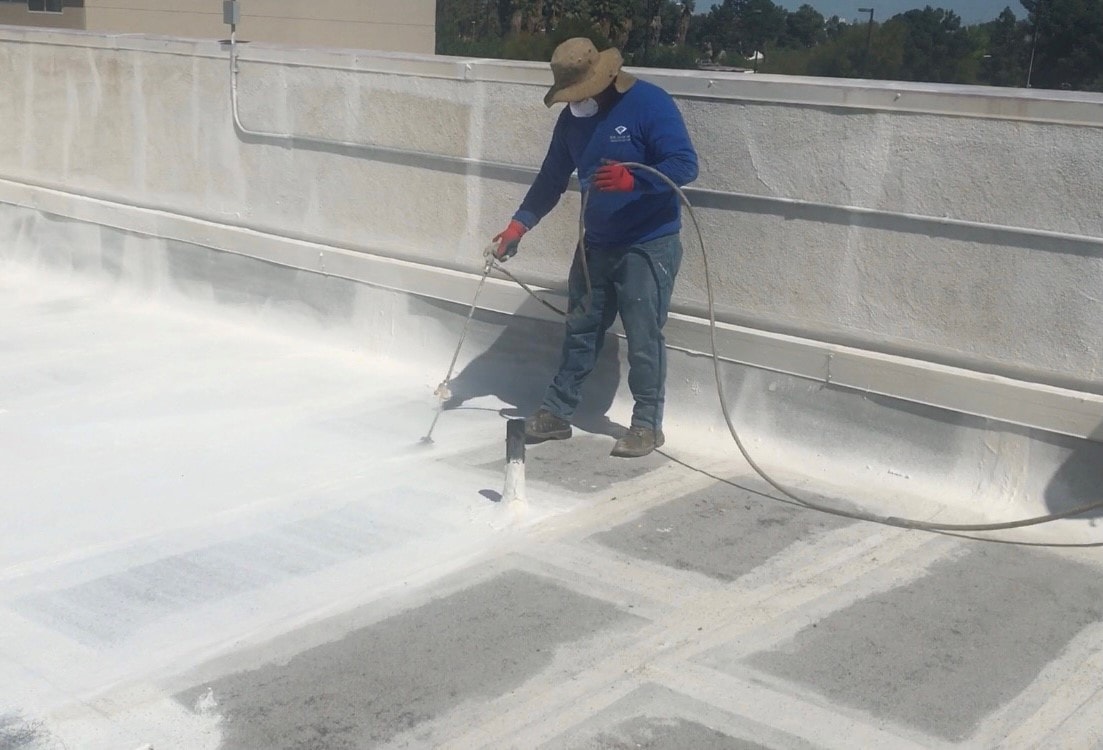
Building Envelope Waterproofing
Building Envelope Waterproofing is scoped around Capitol Avenue office buildings, F.E. Warren Air Force Base area contractors, and freeze-thaw cycles after spring storms. We keep access, weather windows, and tenant disruption in the plan before crews step onto the roof.
View Scope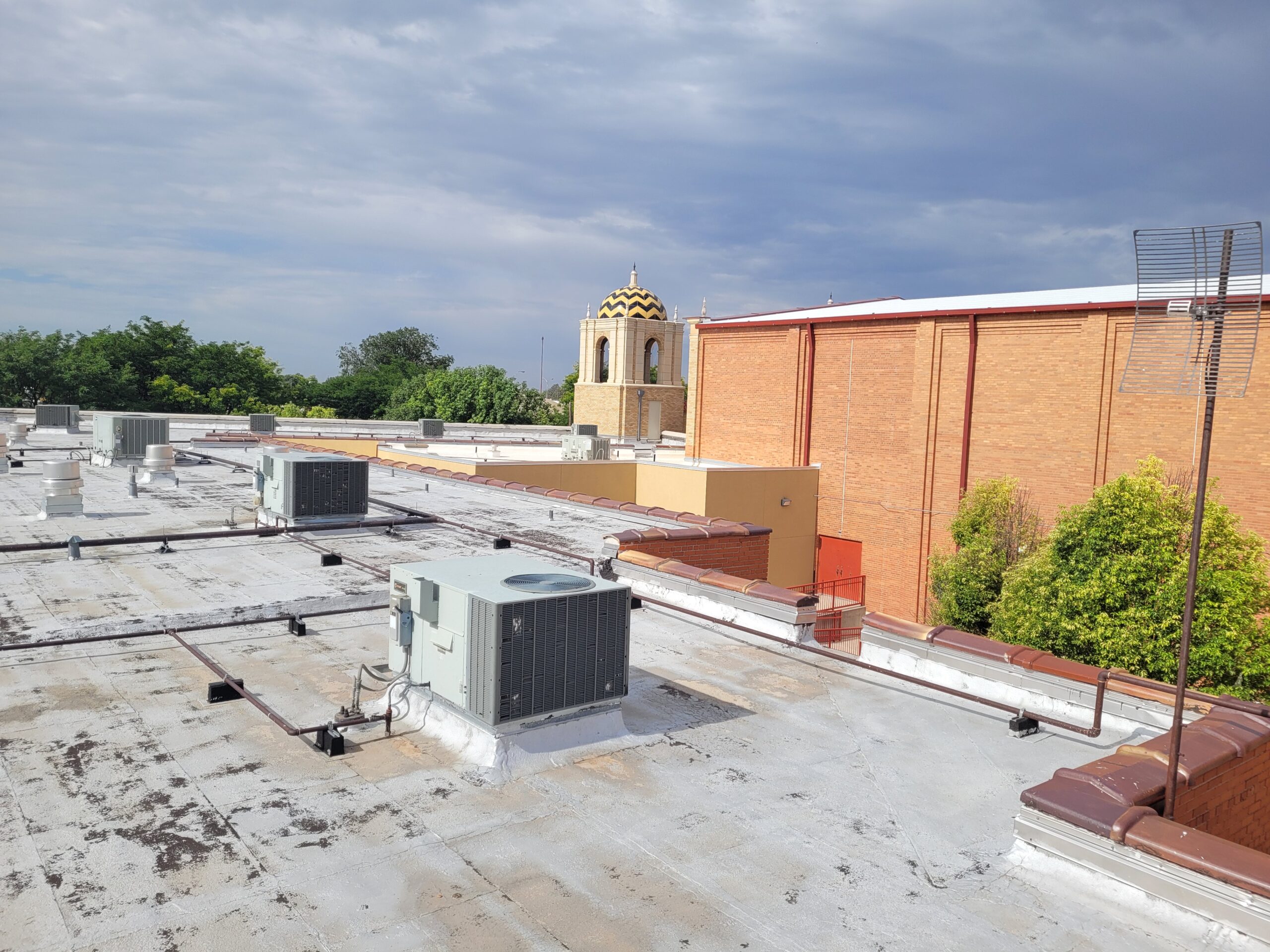
CAPEX Roof Planning
CAPEX Roof Planning is scoped around Capitol Avenue office buildings, F.E. Warren Air Force Base area contractors, and freeze-thaw cycles after spring storms. Every recommendation is tied to observed conditions, not a prewritten roof package.
View ScopeGet the roof decision into writing.
Tell us what changed on the roof, where the building sits, and who needs the report. We will turn the next step into a clear scope.