 Contact Us Now
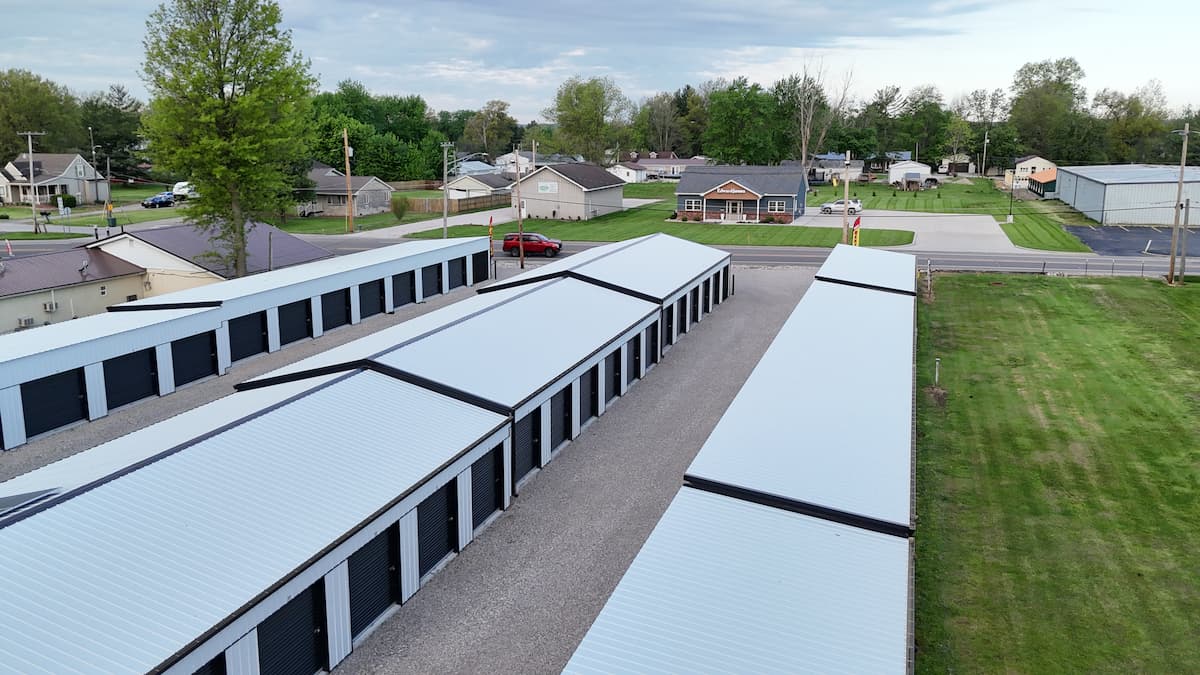
Self-Storage Facility Roofing in Cheyenne, WY
For Self-Storage Facility Roofing, we look at the roof as an operating asset, not a one-time line item. We consider Dell Range Boulevard retail roofs, Lincolnway corridor storefronts, South Cheyenne industrial sites, and Laramie County business parks before we recommend work.
That keeps the scope tied to the roof that is actually on the building: membrane condition, seams, metal, drainage, rooftop units, access, tenant needs, and timing.
Cheyenne Storage Center on Dell Range Boulevard serves the Wyoming capital's self-storage market, a community defined by high winds, significant snowfall, and the kind of temperature swings that test every membrane, fastener, and sealant joint in the building envelope. Cheyenne is among the windiest cities in the continental United States, regularly recording sustained winds above 40 mph and gusts that exceed 70 mph, and it sits at 6,000 feet elevation where UV radiation is more intense than at sea level. A self-storage roof in Cheyenne must be engineered for conditions that would be considered extreme anywhere else and are routine here.
Snow load design is non-negotiable for Cheyenne self-storage facilities. Wyoming's ground snow loads near Cheyenne run in the 20 to 30 psf range under standard exposure conditions, but wind drift significantly elevates local loads at parapet walls, roof-to-wall transitions, and areas downwind of rooftop equipment. Drift accumulation against parapets can easily double or triple the ground-to-roof converted load in those zones. Any reroofing project that adds insulation thickness must be evaluated for cumulative dead load compliance, and we include structural consultation as part of our project development process for Cheyenne facilities.
Wyoming's relentless wind creates a roofing challenge that goes beyond simply meeting the wind load calculations in the building code. Mechanical fasteners that are correctly set at installation work loose over years of sustained vibration from high-speed winds, edge metal that meets standard attachment specifications can develop fatigue failure at its fasteners through repeated wind loading cycles, and membrane seams that are properly heat-welded can peel at their edges when wind consistently attacks from a prevailing direction. Cheyenne roofing installations require enhanced fastening schedules, mechanically crimped edge metal, and seam configurations that minimize wind attack surface.
The freeze-thaw cycle in Cheyenne is aggressive, covering a wide temperature range and occurring frequently through the extended shoulder seasons. October and March in Cheyenne can each produce multiple freeze-thaw events in the same week, and the cumulative effect on sealants, flashings, and membrane edges that are not properly detailed is significant degradation over just a few years. SBS-modified bitumen is our standard recommendation for Cheyenne self-storage re-roofing because its rubber modifier maintains flexibility down to temperatures well below what is considered the low-service-temperature limit of standard TPO and polyurethane sealants.
Snow removal operations are a reality for flat self-storage roofs in Cheyenne, where accumulations can reach depths that require active management. Operators need to use equipment and techniques that do not damage the membrane surface, plastic-blade snow rakes, snow blowers with rubber paddles rather than metal edges, and maintenance of a buffer layer of snow rather than scraping to the membrane surface. We specify granulated cap sheets and walkway pad installation at snow removal access routes as standard practice on Cheyenne projects, providing a durable surface that withstands foot and light equipment traffic during snow removal.
UV exposure at Cheyenne's elevation is meaningfully higher than at sea level, approximately 15 to 20 percent more UV radiation reaches the roof surface compared to coastal cities at similar latitudes. Membrane UV stabilizer packages that are adequate at lower elevations may show accelerated degradation in this high-altitude environment. We specify membrane products from manufacturers who have tested and warranted their products specifically for high-altitude western states applications, not just products whose specifications were developed in laboratory conditions that underestimate field UV exposure at elevation.
Drainage design for Cheyenne self-storage roofs must account for the rapid melt events that can occur when warm Chinook winds arrive after a significant snowpack has accumulated. A Chinook event can raise temperatures 30 to 40 degrees in a matter of hours, converting a large snow accumulation into runoff faster than standard drain systems designed for rain-only conditions can handle. Oversized primary drains and generously sized overflow scuppers are the design response to this Wyoming-specific drainage scenario.
Self-storage buildings in downtown Cheyenne and along the I-25 corridor present access challenges for large commercial roofing equipment that require advance planning. Crane access for material hoisting, staging area requirements in busy commercial corridors, and coordination with neighboring businesses during project execution are logistical elements that our Cheyenne project teams handle as standard practice. We obtain all required City of Cheyenne and Wyoming DOT permits for equipment and traffic management before project mobilization.
Self-storage operators throughout the Cheyenne metro, from central Cheyenne through Warren AFB corridor properties and south toward the Colorado border, can request a complimentary high-altitude, high-wind commercial roofing assessment. We evaluate snow load capacity, wind attachment performance, membrane UV condition, and drainage system performance, providing written reports that support capital planning and insurance documentation for Wyoming's uniquely demanding roofing environment.
- How does Cheyenne's high wind environment affect flat roofing systems differently than other locations?
- Sustained high winds in Cheyenne create continuous mechanical fatigue on membrane edge attachments, fasteners, and seam edges that locations with only occasional wind events do not experience. Edge metal fastener fatigue failure, seam peeling at wind-attack corners, and fastener backout in field attachment zones are all more common in Cheyenne than in calmer markets. Enhanced fastening schedules and mechanically secured edge details are the engineering response.
- What snow load should a Cheyenne self-storage roof be designed for?
- Wyoming building code specifies ground snow loads for the Cheyenne area in the 20 to 30 psf range depending on exposure, but wind drift accumulation at parapets and transitions can significantly exceed that figure locally. Buildings in areas with prevailing wind exposure should have drift load calculations performed during any reroofing project that changes insulation thickness or structural loading conditions.
- Does UV exposure at Cheyenne's elevation require special membrane products?
- High-altitude UV intensity is approximately 15 to 20 percent higher than sea level values, which affects membrane UV stabilizer longevity. Products with enhanced UV inhibitor packages and manufacturer warranties that specifically acknowledge high-altitude western states performance are the appropriate specification. We confirm altitude-specific warranty coverage with manufacturers before product selection on Wyoming projects.
- How does a Chinook wind event affect drainage on a flat self-storage roof?
- Chinook events create rapid snow melt that can generate runoff rates far exceeding what standard drain systems sized for rain-only conditions can handle. Oversized primary drains and large-opening overflow scuppers are the design response. Self-storage operators should inspect drains and scuppers before winter to ensure they are clear of debris and can handle Chinook melt events without restriction.
- When is the best time to schedule self-storage reroofing in Cheyenne?
- Mid-June through mid-September offers the most reliable installation window, with the least risk of snow, the highest temperatures for adhesive performance, and longer daylight hours for productive work days. May and October can be productive months with appropriate cold-weather contingency planning, but Wyoming shoulder seasons can produce snow at any time, and project schedules must have weather contingency built in.
Related Roof Work
Useful next pages for this roof decision.

Commercial Roof Procurement
Commercial Roof Procurement is scoped around snow drift at parapets and rooftop units, Capitol Avenue office buildings, and F.E. Warren Air Force Base area contractors. The scope stays practical: stop water first, document the roof, then choose the repair or replacement path that fits the building.
View Scope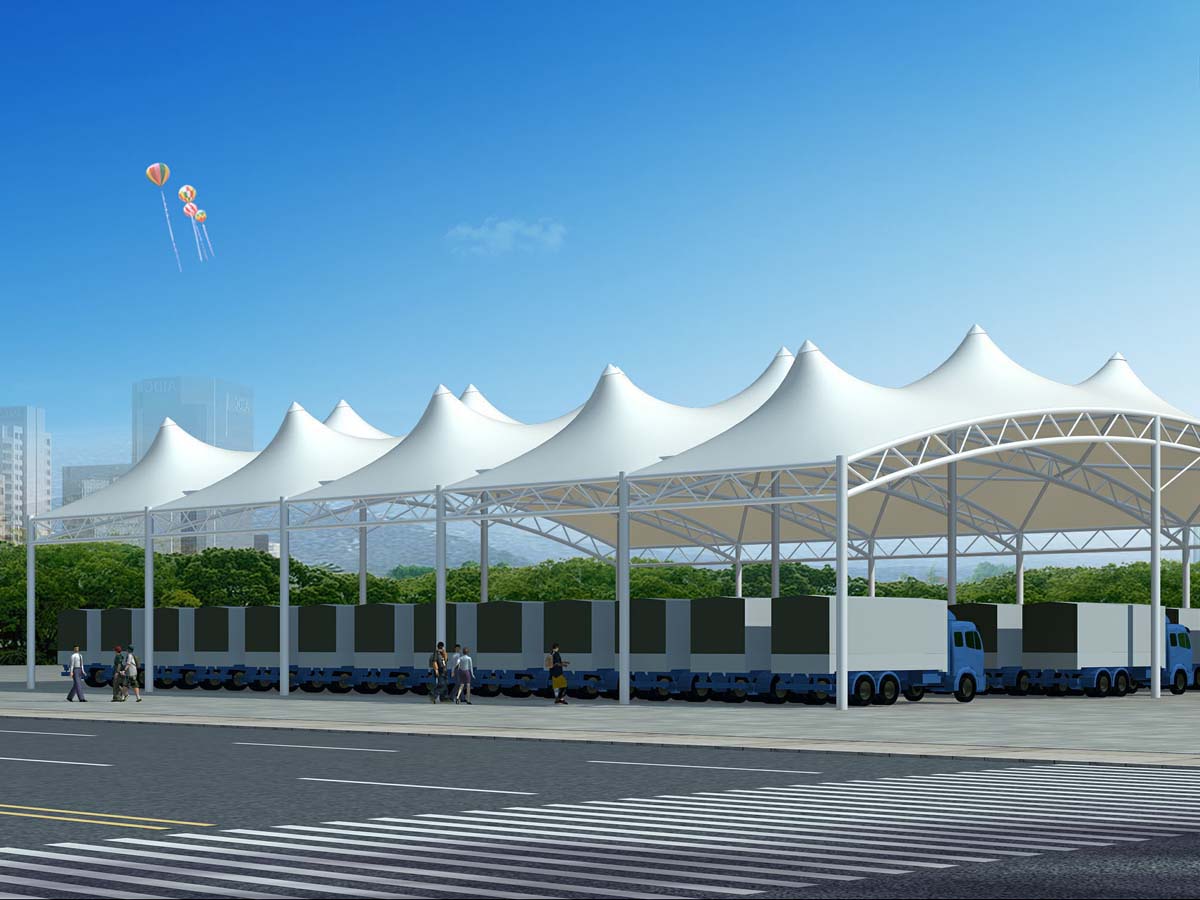
Commercial Roof Project Management
Commercial Roof Project Management is scoped around North Range Business Park warehouses, the I-25 and I-80 freight interchange, and Frontier Mall and nearby service buildings. We keep access, weather windows, and tenant disruption in the plan before crews step onto the roof.
View Scope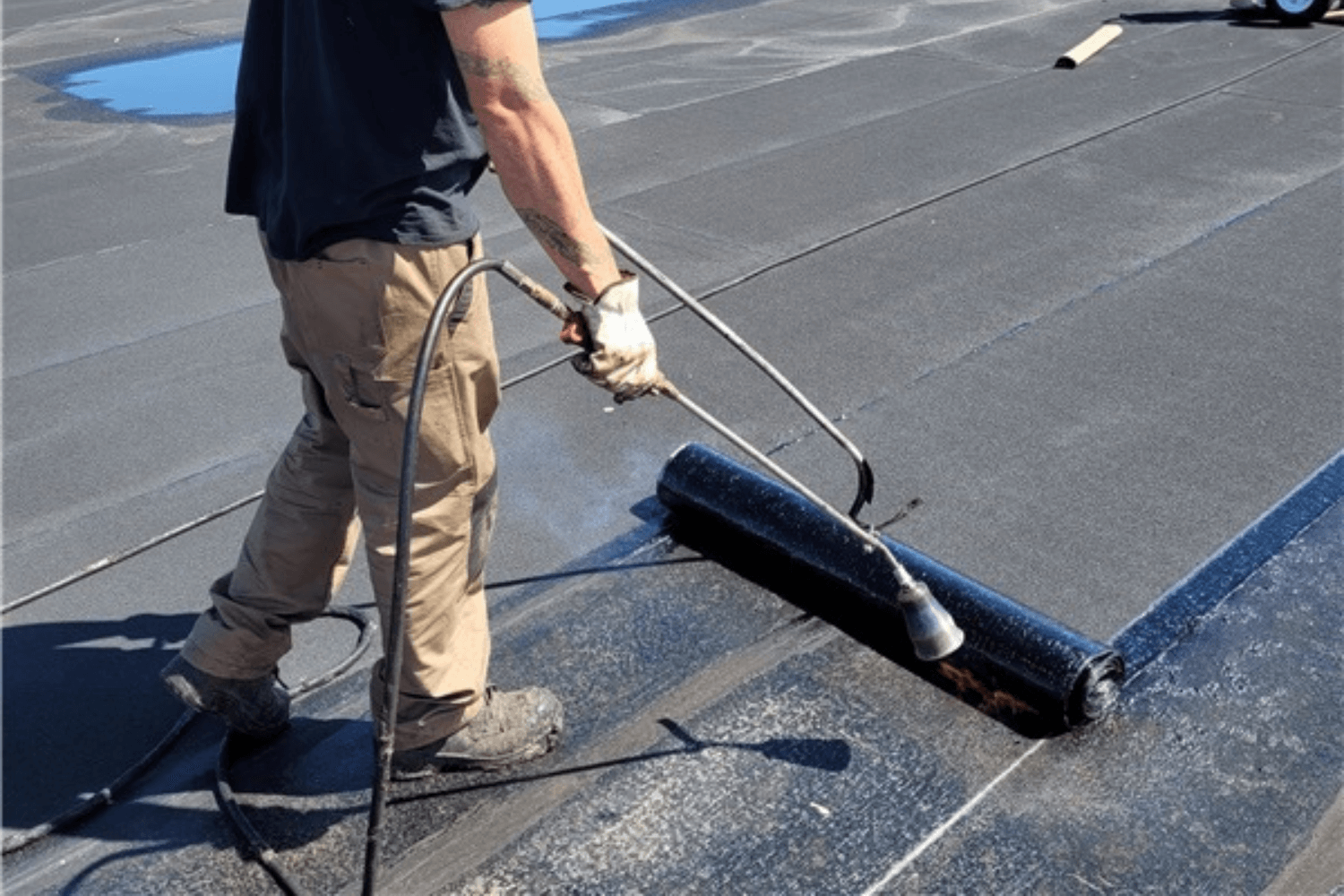
Commercial Roofing
Commercial Roofing is scoped around F.E. Warren Air Force Base area contractors, freeze-thaw cycles after spring storms, and Cheyenne Regional Medical Center area offices. Every recommendation is tied to observed conditions, not a prewritten roof package.
View ScopeGet the roof decision into writing.
Tell us what changed on the roof, where the building sits, and who needs the report. We will turn the next step into a clear scope.