 Contact Us Now
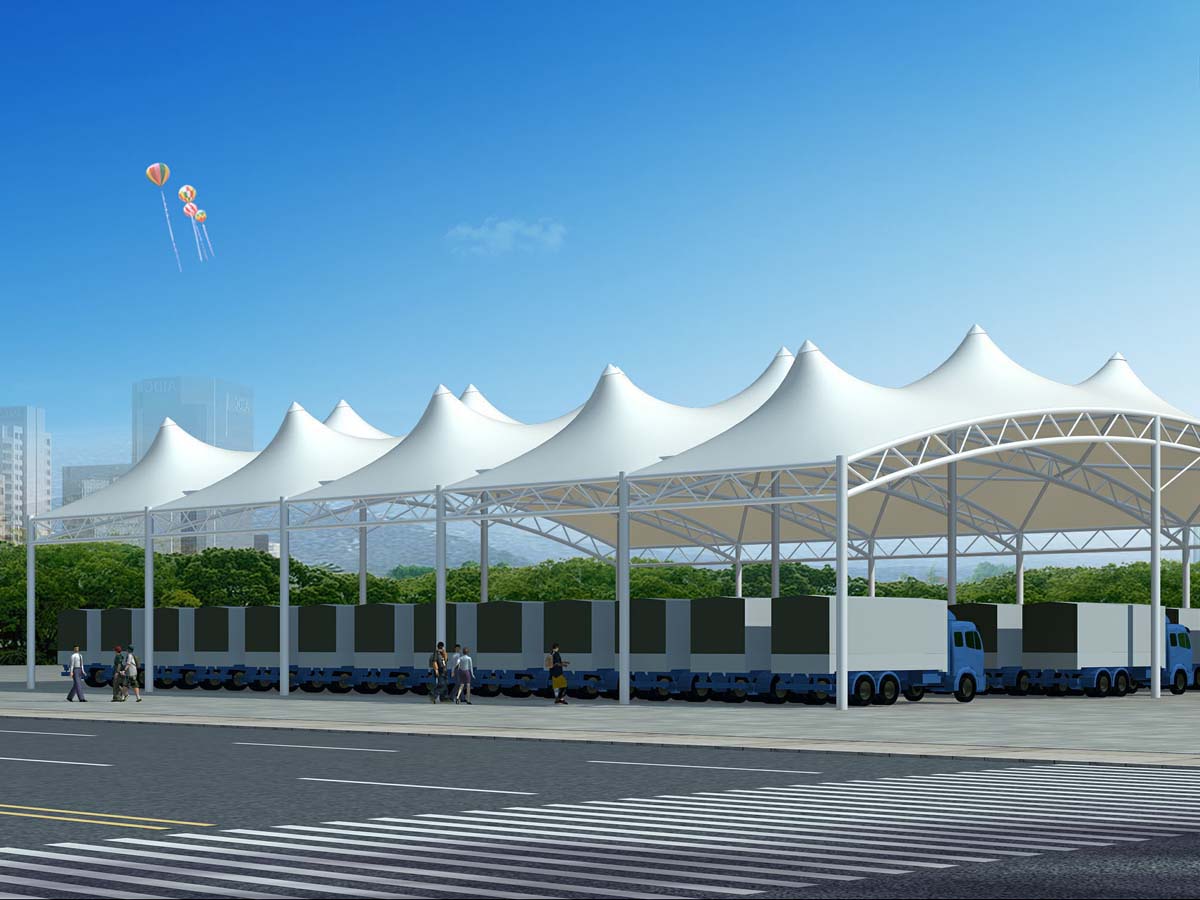
Commercial Roof Project Management in Cheyenne, WY
For Commercial Roof Project Management, we look at the roof as an operating asset, not a one-time line item. We consider North Range Business Park warehouses, the I-25 and I-80 freight interchange, Frontier Mall and nearby service buildings, and snow drift at parapets and rooftop units before we recommend work.
That keeps the scope tied to the roof that is actually on the building: membrane condition, seams, metal, drainage, rooftop units, access, tenant needs, and timing.
Full-scope project management for a Cheyenne commercial roof replacement is the difference between a project that finishes on time, within budget, and with a clean warranty in hand, and one that drags into late fall with incomplete flashings, disputed change orders, and a warranty registration that cannot be activated because the installation record is incomplete. The Cheyenne construction calendar creates a hard deadline that does not exist in milder markets, membrane installation must be completed before sustained cold temperatures arrive in October, and a project that falls behind schedule in August may not be recoverable within the same construction season. Proactive project management is what keeps a Cheyenne roofing project on the right side of that deadline.
Pre-construction planning for a Cheyenne commercial roof project covers the range of decisions and logistics that, if left to the field, become problems: material procurement and lead time confirmation, crane and equipment staging plan for the specific site constraints, phasing sequence for occupied buildings that must maintain operations during the project, temporary protection plan for any open deck area at end of each shift, and coordination with general contractors or other trades if the roofing work is part of a larger construction project. For large projects on the I-25/I-80 logistics corridor, where a 200,000-square-foot facility may need to receive freight every day of the project, the staging and phasing plan is as important as the technical specification.
F.E. Warren Air Force Base adjacent contractor work requires project management that accounts for the base's access protocols, security requirements, and the operational rhythm of defense contractor facilities. A roofing project on a contractor facility that supports base operations cannot simply close the building for the duration of the project, operations must continue, and any roof work that requires temporary closure of specific areas must be scheduled during windows that do not conflict with mission-critical activities. We coordinate with the facility's operations manager before mobilization, maintain a project schedule that shows each phase's operational impact, and obtain any required base access authorizations for personnel working in proximity to the security perimeter.
Cheyenne Regional Medical Center and medical facility roofing projects require occupied-building project management at its most rigorous. Infection control, noise limitations during patient care hours, HVAC protection during membrane work, and immediate response to any conditions that could affect indoor air quality are all managed as formal protocol items, not informal understandings. We work within the hospital's Infection Control Risk Assessment (ICRA) framework, coordinate with facilities management for any rooftop mechanical unit outages, and maintain written daily logs of all protocol compliance activities. Medical facility roofing is not a project management upgrade from standard commercial work, it is a different category that requires a dedicated protocol structure from pre-construction through final inspection.
Schedule management for Cheyenne roofing projects requires weather contingency that accounts for the specific unpredictability of this climate. A project schedule built on a straight productivity rate without weather buffer will be wrong, Cheyenne's afternoon thunderstorms in July and August, its occasional June hail events, and its early fall cold fronts all create lost production days that a flat schedule does not accommodate. We build construction schedules with a 15 to 20 percent weather contingency buffer appropriate for Cheyenne's construction season and communicate schedule status to building owners weekly so that any projected completion risk is identified early enough to allow response, either accelerating crew size or adjusting scope sequencing to protect the critical path items.
Change order management is a project management function that protects both the building owner and the contractor. Undocumented scope additions, a contractor who expands scope without written authorization, or an owner who directs additional work verbally without a paper trail, create disputes that damage relationships and sometimes end up in litigation. We maintain a formal change order log on every project, document all owner-directed scope additions with cost and schedule impact before proceeding, and provide weekly cost reports that show the original contract amount, approved change orders, and the revised total. A building owner should never be surprised by the final invoice on a roofing project we manage.
Quality control during a Cheyenne commercial roof installation is a project management responsibility that cannot be delegated entirely to the installation crew. We conduct documented quality control inspections at key installation milestones: substrate preparation completion, insulation board layout and fastening verification, membrane field seam testing, and flashing completion at penetrations, walls, and edges. Welded seam probe testing is performed on heat-welded systems and logged by location. Fastener pull tests are performed per the specification's testing protocol. These quality records become part of the project closeout package and support the manufacturer warranty registration. A manufacturer that issues a 20-year warranty wants evidence that the installation was performed to their standard, the QC records are that evidence.
Project closeout in Cheyenne commercial roofing includes deliverables that building owners often do not know to request: as-built drawings showing penetration locations and dimensions, pull test and weld probe test records, the signed manufacturer warranty registration, the contractor's workmanship warranty, a final inspection punch list with all items resolved, and photographs of all completed flashing conditions. For buildings that are part of a managed portfolio, we format this closeout package for direct filing in the portfolio's asset management system. Closeout documentation is not a nicety, it is the foundation of the building owner's ability to manage the roof for its entire service life and to make warranty claims if the system fails prematurely.
Questions Owners Ask
What does a roofing project manager do that the installation crew does not?
The project manager is responsible for the decisions and coordination that happen before and around the installation, not the physical work itself. This includes pre-construction planning, material procurement management, schedule development and tracking, change order documentation, quality control inspection at key milestones, owner and general contractor communication, permit and inspection coordination, and project closeout documentation. On a small repair project, the crew foreman may handle most of these functions informally. On a large commercial replacement project, particularly one with occupied-building constraints or complex phasing, dedicated project management is what keeps those functions from falling through the cracks.
How do you handle a situation where the project falls behind schedule in Cheyenne's short construction window?
When a project falls behind schedule relative to the October cold-weather deadline, the options are: increase crew size to recover schedule, extend work into available evening hours while temperatures permit, prioritize the watertight envelope of the highest-risk sections to ensure nothing is left exposed through the winter, and defer lower-priority scope items to an early spring completion. We communicate schedule risk to building owners as soon as it is identified, not when the project is three weeks from completion and already in trouble. Early identification creates more options. We also maintain contingency relationships with crew resources that can be deployed for schedule recovery on short notice when the situation requires it.
Do you manage subcontractors for electrical, mechanical, and other trades on roofing projects?
Yes, when the roofing project scope requires coordination with other trades, heat trace electrical connections, HVAC unit moves, mechanical curb modifications, or drain leader connections, we manage that coordination as part of our project management scope. We do not self-perform electrical or mechanical work, but we coordinate the timing and sequencing of trade work so that roofing installation is not held up waiting for an electrician or HVAC contractor to complete their portion. On complex occupied-building projects, multi-trade coordination is often the most challenging project management task, and having a single point of contact for all trades simplifies the building owner's oversight role significantly.
What is your communication cadence with building owners during a project?
Standard practice is a weekly written status update that covers work completed in the prior week, work planned for the coming week, any schedule variance from the baseline, change orders issued and their status, and any open items requiring owner decision or action. For occupied-building projects or projects with daily operational coordination requirements, we also conduct daily morning check-ins with the building's facilities contact. The goal is that the building owner is never in the dark about project status and never learns about a problem at the same time we are trying to solve it, advance notice and transparency are the foundation of a good project management relationship.
How do you manage warranty activation at project completion?
Manufacturer warranty activation requires submitting the completed installation records to the manufacturer's representative, including proof of certified installer status, the installation date and location, the material quantities used, and the quality control documentation. We compile these records as a standard part of project closeout and submit the warranty registration within 30 days of substantial completion. We provide the building owner with a copy of the submitted registration and follow up with the manufacturer to confirm that the warranty has been issued and that the building owner's contact information is correct in the manufacturer's records. The warranty document is delivered to the building owner as a named certificate, not just a reference number.
Related Roof Work
Useful next pages for this roof decision.
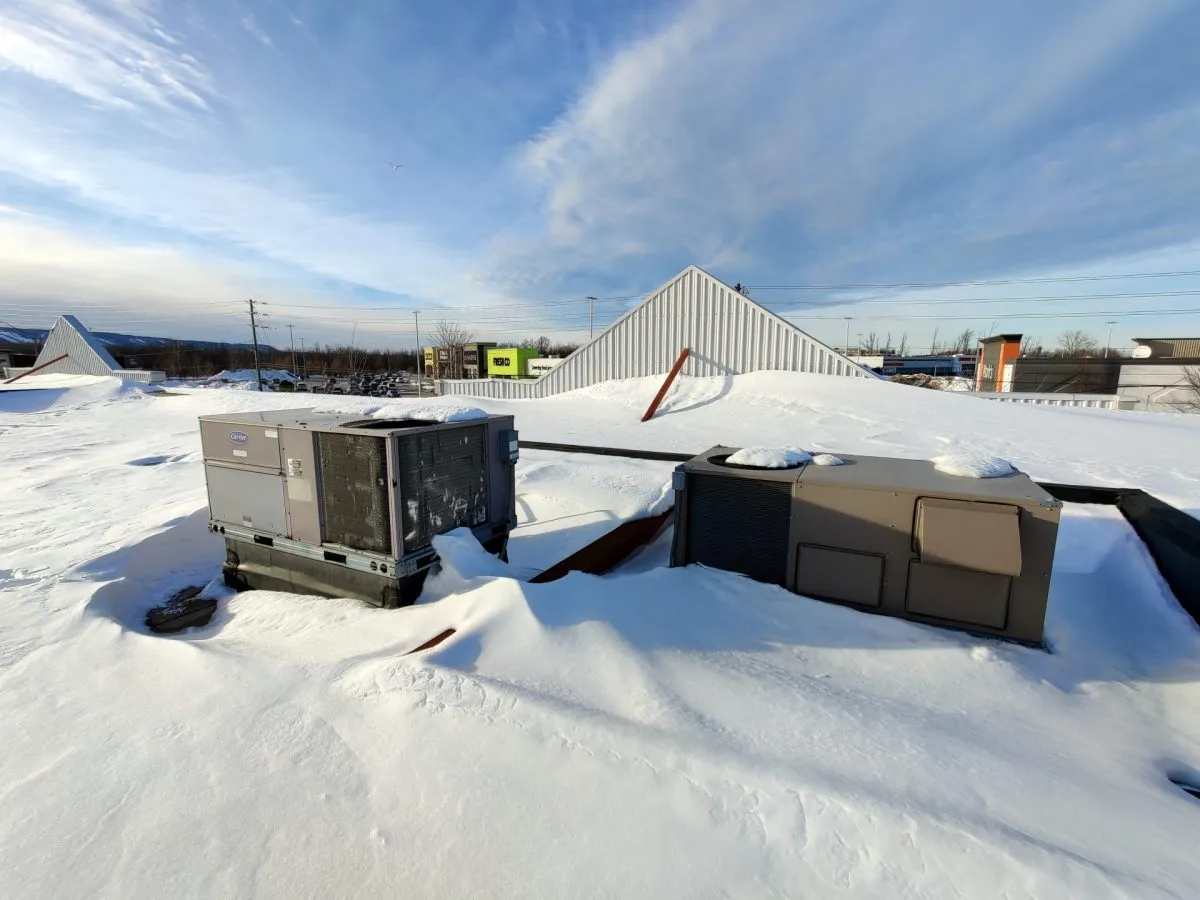
Snow Load Roof Planning
Snow Load Roof Planning is scoped around the I-25 and I-80 freight interchange, Frontier Mall and nearby service buildings, and snow drift at parapets and rooftop units. The scope stays practical: stop water first, document the roof, then choose the repair or replacement path that fits the building.
View Scope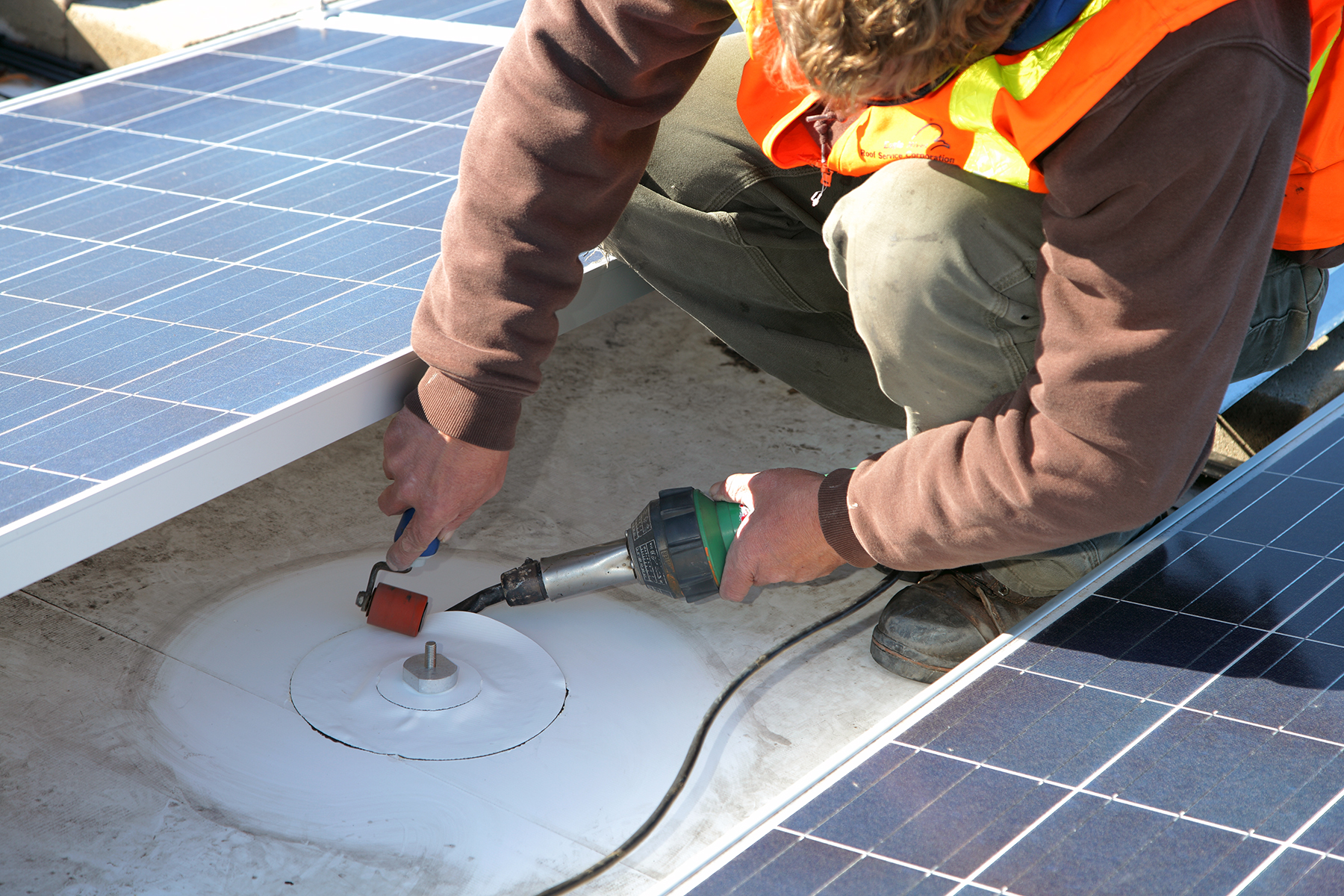
Solar Roof Integration
Solar Roof Integration is scoped around Laramie County public buildings, Dell Range Boulevard retail roofs, and Lincolnway corridor storefronts. We keep access, weather windows, and tenant disruption in the plan before crews step onto the roof.
View Scope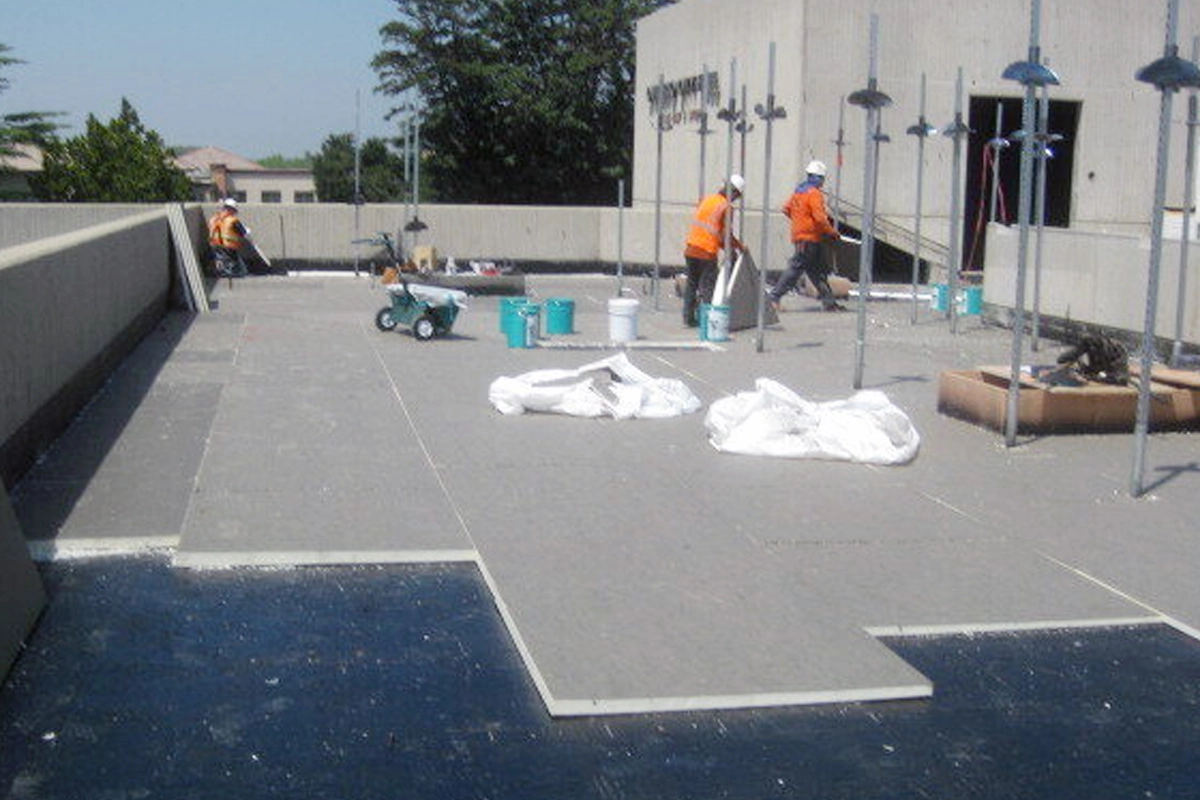
Tapered Insulation Systems
Tapered Insulation Systems is scoped around the I-25 and I-80 freight interchange, Frontier Mall and nearby service buildings, and snow drift at parapets and rooftop units. Every recommendation is tied to observed conditions, not a prewritten roof package.
View ScopeGet the roof decision into writing.
Tell us what changed on the roof, where the building sits, and who needs the report. We will turn the next step into a clear scope.