 Contact Us Now
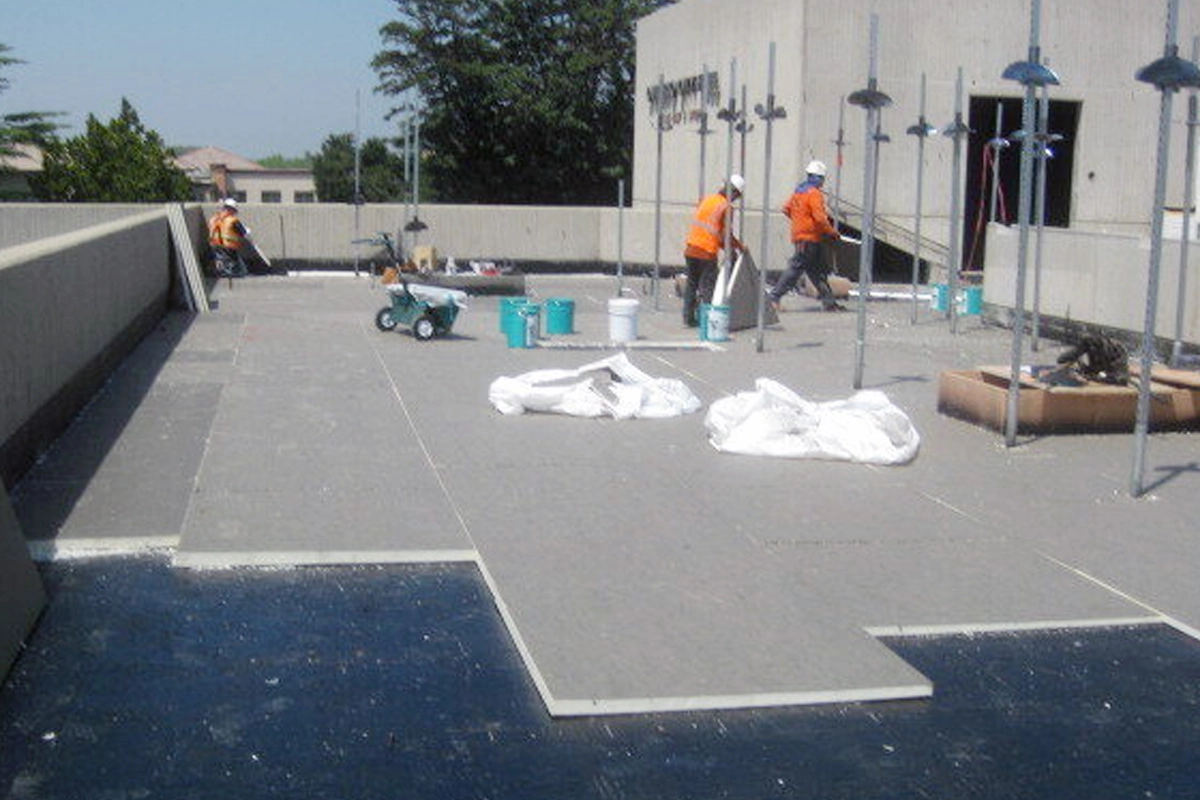
Tapered Insulation Systems in Cheyenne, WY
The first move on Tapered Insulation Systems is separating visible symptoms from the assembly condition below them. We consider the I-25 and I-80 freight interchange, Frontier Mall and nearby service buildings, snow drift at parapets and rooftop units, and Capitol Avenue office buildings before we recommend work.
That keeps the scope tied to the roof that is actually on the building: membrane condition, seams, metal, drainage, rooftop units, access, tenant needs, and timing.
Tapered insulation systems are among the most impactful improvements that can be made to a Cheyenne commercial flat roof during a re-roofing project, and the reason is specific to Wyoming's climate. A flat roof with inadequate drainage slope ponded water in every market, but in most US cities that ponded water drains away within hours or days of a rain event. In Cheyenne, ponded water that has not cleared by sundown freezes overnight for approximately half the year. That ice accumulates at low spots, dams drainage paths, and subjects the membrane at its perimeter to freeze-thaw stress that converts marginal areas into active failures within one to three seasons. Eliminating ponding through tapered insulation is not just a drainage improvement, it is a freeze-thaw damage prevention measure that directly extends membrane service life.
Tapered isocyanurate insulation, polyiso, is the standard material for tapered systems on Cheyenne commercial flat roofs. Polyiso provides the highest R-value per inch of any commercial roofing insulation material, which matters when building slope into an assembly that must also meet Wyoming energy code requirements for minimum insulation levels. A tapered assembly that starts at minimum code R-value at the high point and increases to two or three times that value at the low point averages out to a higher total R-value than a flat assembly at minimum code thickness, providing both the drainage slope and improved thermal performance simultaneously. The trade-off is cost, tapered polyiso costs more per square foot than flat board, with the premium depending on the slope rate and the thickness range required.
Drain placement optimization is the design foundation of any tapered insulation system for a Cheyenne commercial building. Before a tapered system can be designed, the optimal drain locations for the specific roof geometry must be established. Existing drain positions may be adequate, may need supplementation with additional drains, or may need to be relocated to positions that allow tapered insulation to slope efficiently toward them from all parts of the roof. Moving drains requires plumbing work to relocate the drain leader, which adds cost but is often justified by the improvement in drainage geometry it enables. We develop drain optimization plans for re-roofing projects as part of the tapered insulation design scope and present building owners with the cost and performance trade-off of various drain placement options before committing to a design.
Transition slope calculations for tapered systems must account for the full three-dimensional drainage geometry of the roof, not just the simple slope from one point to another. A complex roof with multiple drain locations, internal walls, and areas of different elevation requires a detailed isometric drainage plan that shows how each part of the roof surface drains to the nearest drain or scupper. Areas that are between two drains and equidistant from both may require a ridge in the tapered system that routes water to one drain or the other rather than pooling at the midpoint. These ridges and valleys in the tapered insulation assembly are designed elements, not installation accidents, getting them right requires careful layout and field verification during installation.
North Range and Campstool flat-roof re-roof upgrades frequently involve tapered insulation as a core component because many of the industrial buildings in these parks were constructed with minimal structural slope and drain counts that were adequate for initial construction but have proven insufficient over decades of operation. As buildings have expanded, been modified, and had additional HVAC equipment added to rooftops, the drainage geometry has often degraded further. A re-roofing project that includes tapered insulation and drain optimization resets the drainage system to current standards and eliminates the chronic maintenance problems that have been accumulating since original construction.
Energy code compliance improvement is a specific benefit of tapered insulation systems that building owners should factor into the capital planning comparison between flat re-roofing and tapered system installation. On older Cheyenne commercial buildings with minimal original insulation, a common finding on pre-2000 construction, current Wyoming energy code requires minimum continuous insulation levels that a flat re-roofing project must meet. A tapered system that achieves minimum code R-value at its thinnest point will average well above that minimum across the full roof area, providing both code compliance and improved thermal performance in a single assembly. The energy savings from the additional insulation, particularly in Cheyenne's heating-dominated climate, contribute meaningfully to the payback calculation on the tapered system premium.
Installation quality control for tapered insulation systems requires verification that board placement follows the design layout rather than the convenience of the installer. Tapered board sets are manufactured to specific slope rates and thicknesses, and they must be installed in the sequence and orientation specified by the design to achieve the intended drainage geometry. Boards installed out of sequence or in incorrect orientation create flat spots or back-slopes that defeat the purpose of the tapered system. We require layout verification against the design drawing before membrane installation begins on every tapered system project, once the membrane is down, verifying board placement requires cutting through it, and correcting misplaced boards is far more expensive after the fact than getting it right during installation.
Saddles and crickets are specific tapered insulation elements used at drains and equipment curbs to prevent water from ponding at the upslope side of obstructions. A drain surrounded by flat membrane will accumulate water against the drain rim and against adjacent curbs, conditions that accelerate membrane degradation at those locations and that create ice loading in Cheyenne's winters. Crickets direct water around the upslope side of curbs, routing it to the nearest drain rather than allowing it to pond at the curb base. Saddles between closely spaced drains route water to one side or the other rather than allowing a flat zone to develop between them. These elements are standard components of a complete tapered insulation design and should be specified as explicitly as the main slope panels.
The long-term performance benefit of tapered insulation systems justifies their premium over flat re-roofing on a significant percentage of Cheyenne commercial flat roofs. Buildings where ponding water has been a documented maintenance issue, where drain additions have not fully resolved drainage deficiencies, or where membrane failures have concentrated at known low spots are the strongest candidates. We evaluate drainage geometry on every re-roofing project assessment and provide a formal recommendation, with cost and performance comparison, on whether tapered insulation is warranted for the specific building. On Cheyenne buildings with a documented ponding-driven maintenance history, the tapered system investment typically recovers its cost premium within the first five to seven years of the new roof's service life through reduced maintenance frequency and extended membrane service life.
Questions Owners Ask
What slope rate does a tapered insulation system create on a Cheyenne commercial flat roof?
Standard tapered insulation systems provide a slope of one-quarter inch per foot, the industry minimum for positive drainage on low-slope commercial roofs. Steeper slope rates of three-eighths or one-half inch per foot are available for roofs with larger drain spacing or where faster drainage clearance is a priority. In Cheyenne's freeze-thaw climate, achieving the minimum quarter-inch slope everywhere on the roof is the primary goal, even small areas of back-slope that pond water become ice accumulation points in winter. The design should eliminate all back-slope conditions, not just achieve average positive drainage.
How much does a tapered insulation system add to the cost of a commercial re-roofing project in Cheyenne?
The premium for tapered over flat insulation typically ranges from $0.75 to $1.50 per square foot of roof area, depending on the slope rate required, the thickness range, and whether drain additions or relocations are part of the scope. On a 30,000-square-foot commercial roof, the tapered insulation premium might run $22,500 to $45,000 over flat insulation cost. This should be weighed against the drainage improvement value, on a building with documented ponding and drainage-related membrane failures, the reduced maintenance cost and extended service life from eliminating ponding typically justify the premium within five to seven years.
Can tapered insulation be installed over an existing flat insulation layer?
Yes, when re-cover is appropriate, when the existing assembly is dry, structurally sound, and within code-allowed layer limits. A tapered insulation re-cover installs the tapered boards over the existing flat insulation, creating positive slope without requiring tear-off of the existing assembly. This approach is cost-effective when existing insulation is in good condition and adds the drainage improvement and additional R-value in a single installation. If the existing assembly has moisture, inadequate attachment, or has already reached re-cover layer limits, tear-off is required before the tapered system is installed.
How do I know if my Cheyenne commercial building needs tapered insulation or just additional drains?
The right answer depends on the specific drainage geometry of your roof. If inadequate drain count is the primary issue, the roof has adequate structural slope but not enough drains for its area, adding drains may resolve the problem without tapered insulation. If the roof surface itself is flat or back-sloped between drains, adding drains alone will not eliminate ponding, because water in back-sloped areas cannot reach any drain regardless of how many drains are present. We assess drainage geometry through a combination of visual inspection during wet conditions and topographic evaluation of the roof surface, and we provide a recommendation that distinguishes between drain adequacy issues and structural slope deficiency issues.
Does tapered insulation require a more complex installation than flat insulation?
Yes, meaningfully so. Tapered systems require a design drawing that specifies each board's position, orientation, and thickness. Installation requires reading and following that drawing carefully rather than installing boards in simple rows. Crickets and saddles at drains and curbs are custom-fabricated elements that require specific layout and integration with adjacent boards. Quality control during installation requires checking that the intended layout is being followed, not just that boards are being placed flat and flush. The additional complexity justifies a modest labor premium over flat board installation, but it also requires a crew that has performed tapered system installations before and understands the layout discipline required.
Related Roof Work
Useful next pages for this roof decision.
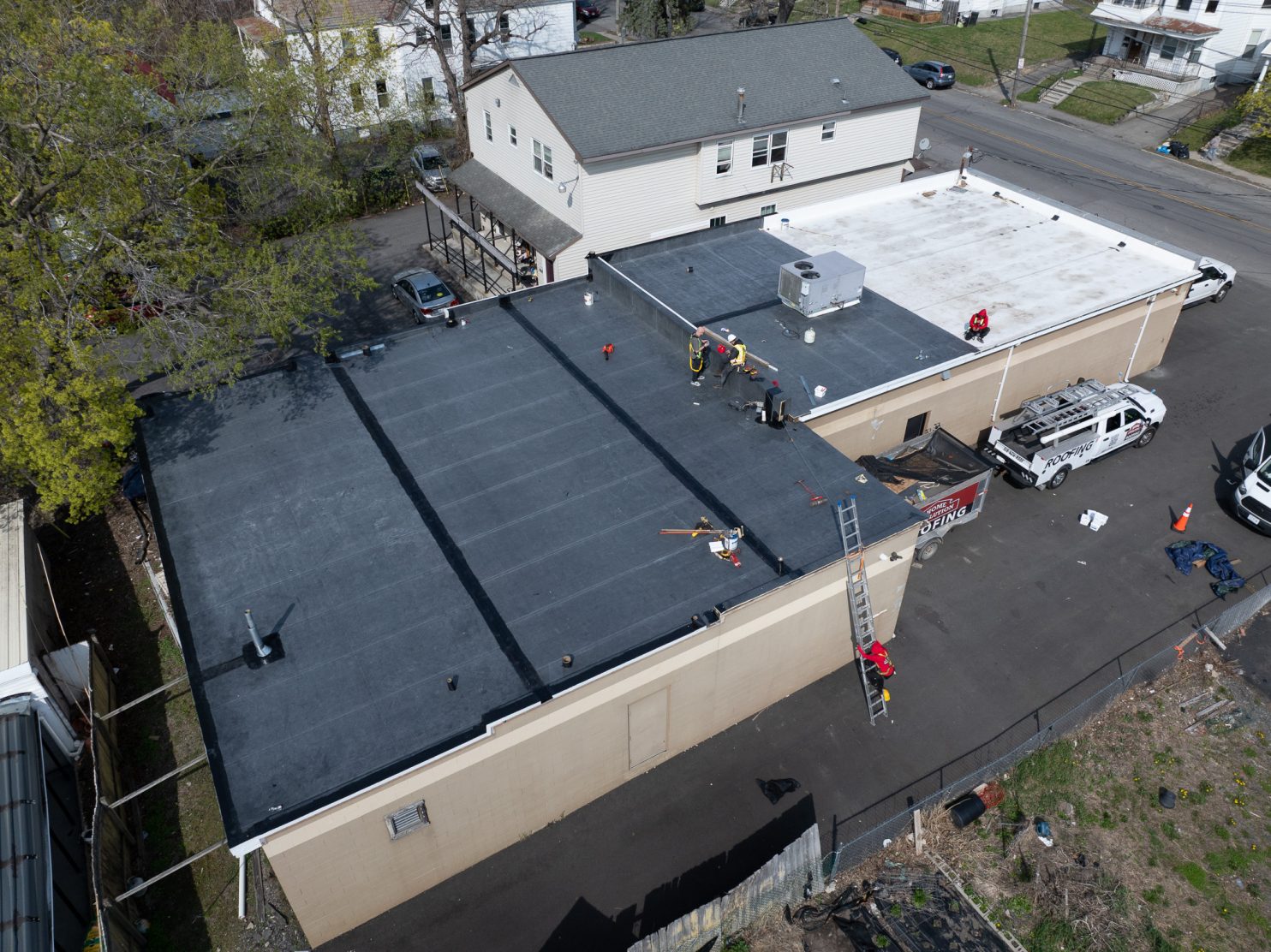
Low-Slope Roofing
Low-Slope Roofing is scoped around Frontier Mall and nearby service buildings, snow drift at parapets and rooftop units, and Capitol Avenue office buildings. The scope stays practical: stop water first, document the roof, then choose the repair or replacement path that fits the building.
View Scope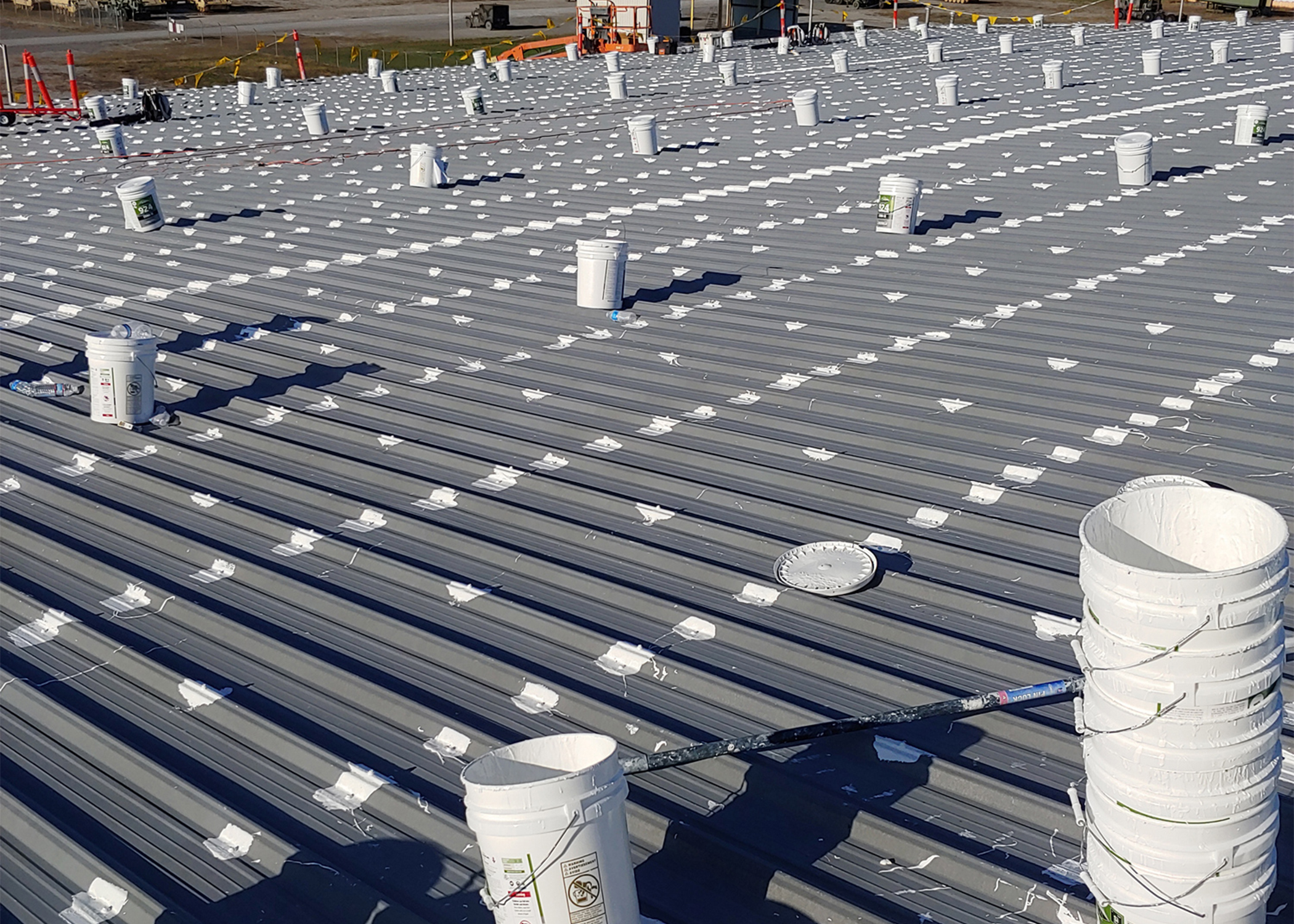
Silicone Roof Systems
Silicone Roof Systems is scoped around Cheyenne Regional Airport facilities, High Plains wind and hail exposure, and Laramie County public buildings. We keep access, weather windows, and tenant disruption in the plan before crews step onto the roof.
View Scope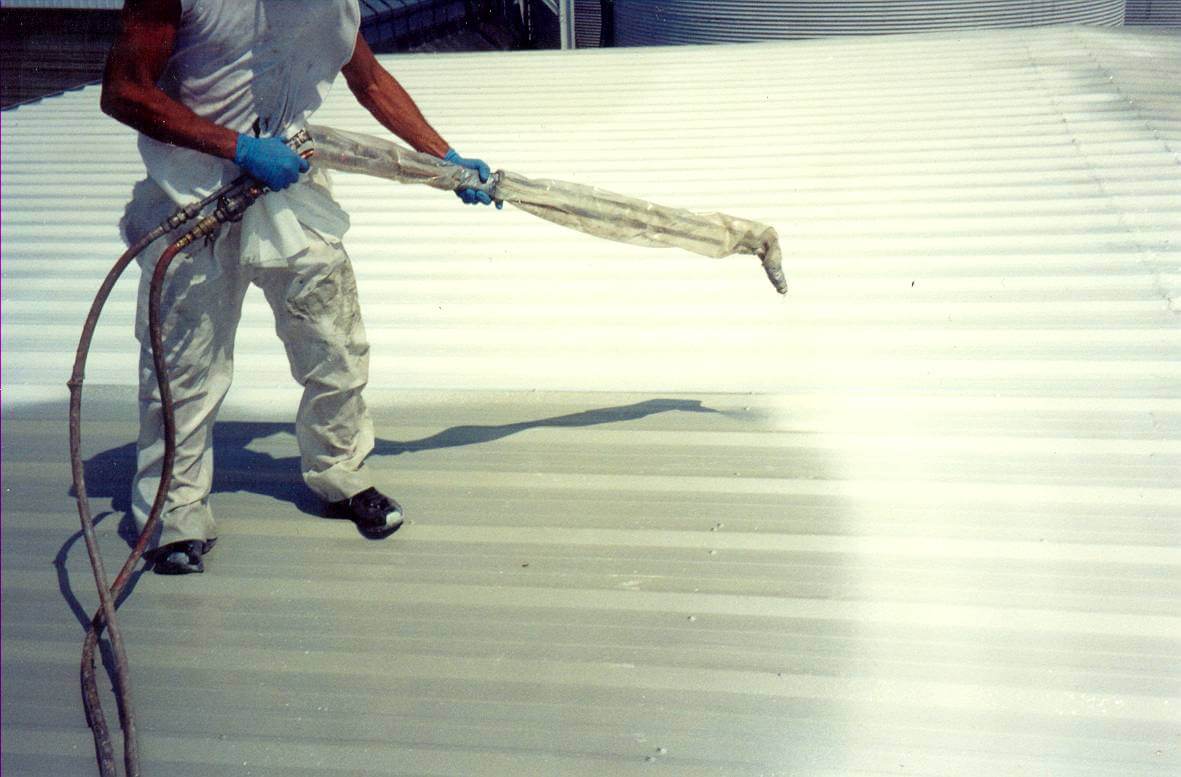
Commercial Roof Coatings
Commercial Roof Coatings is scoped around the I-25 and I-80 freight interchange, Frontier Mall and nearby service buildings, and snow drift at parapets and rooftop units. Every recommendation is tied to observed conditions, not a prewritten roof package.
View ScopeGet the roof decision into writing.
Tell us what changed on the roof, where the building sits, and who needs the report. We will turn the next step into a clear scope.