 Contact Us Now
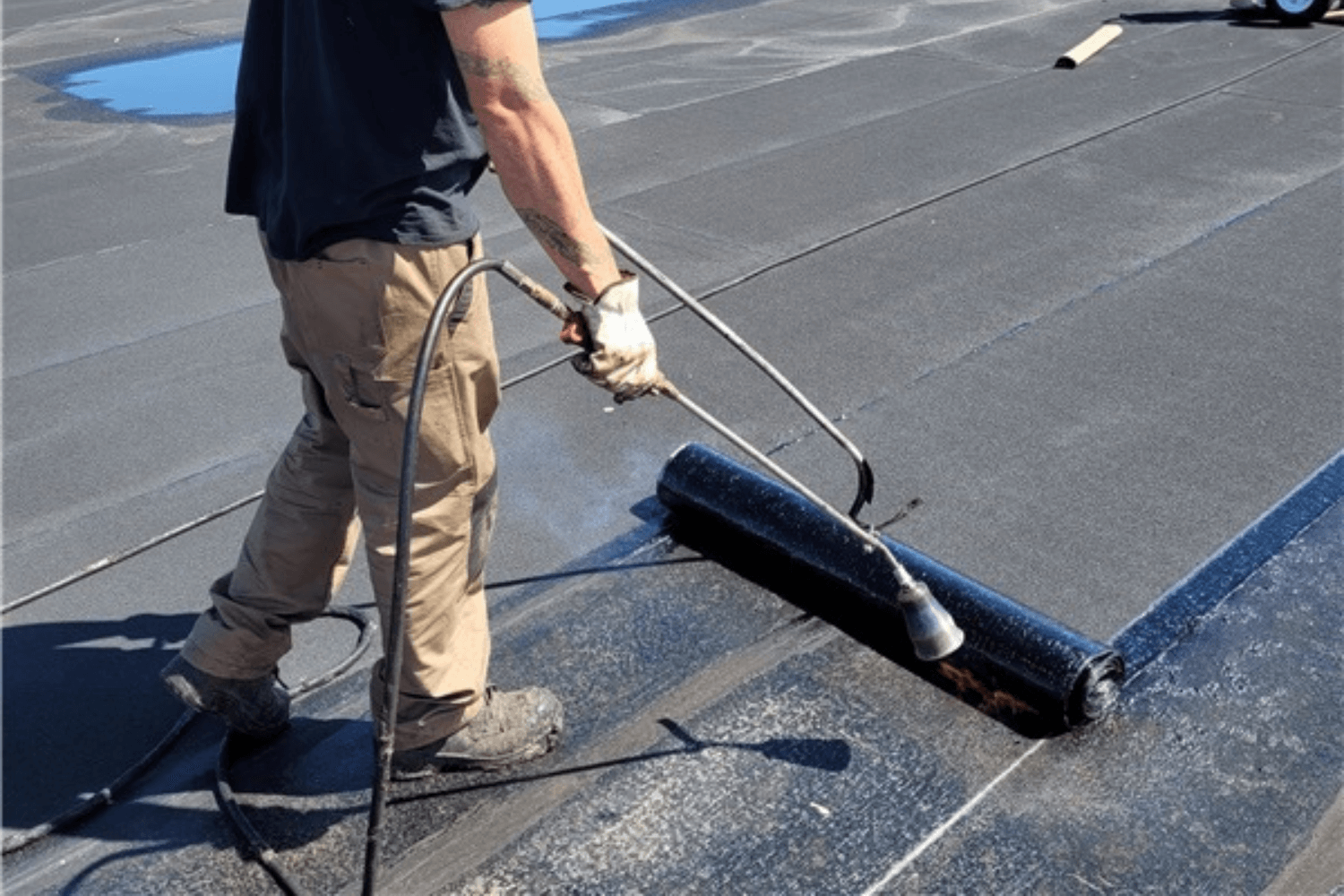
Commercial Roofing in Cheyenne, WY
The first move on Commercial Roofing is separating visible symptoms from the assembly condition below them. We consider F.E. Warren Air Force Base area contractors, freeze-thaw cycles after spring storms, Cheyenne Regional Medical Center area offices, and Cheyenne Regional Airport facilities before we recommend work.
That keeps the scope tied to the roof that is actually on the building: membrane condition, seams, metal, drainage, rooftop units, access, tenant needs, and timing.
Commercial roofing in Cheyenne and southeast Wyoming is defined by four weather forces that do not exist simultaneously in most US markets: snow load, wind uplift, freeze-thaw cycling, and hail. Every roofing decision made on a Cheyenne commercial building, system type, membrane thickness, insulation R-value, fastening pattern, flashing height, drain configuration, is shaped by these four forces acting in combination over the life of the building. A contractor who understands Wyoming's climate makes fundamentally different specification decisions than one applying a national template to a Cheyenne project. That difference shows up in service life, warranty performance, and the frequency of emergency repair calls over the 20 to 25 years the system is expected to perform.
Snow load in Cheyenne is not a theoretical code requirement, it is an annual engineering reality. With 62.9 inches of average annual snowfall and cold temperatures that prevent the gradual melt-off that warmer markets experience between storms, Cheyenne commercial roofs accumulate snow load across a season in a way that a single design storm calculation does not fully capture. Drift surcharges at parapet walls, equipment screens, and the junctions of different roof elevations can produce localized loads two to three times the uniform design load. We design and specify roofing systems within the structural system's actual load capacity, confirm dead load adequacy when insulation additions are proposed, and coordinate with structural engineers on any project where load calculation is uncertain.
Wind uplift at Cheyenne's high-plains-exposed locations is the other primary design constraint. The city's position on the open plains at the I-25/I-80 interchange, with no significant topographic or vegetative wind barriers to the west and north, produces sustained wind speeds and gust velocities that require higher fastening densities, heavier-gauge edge metal, and more robust perimeter anchorage than most inland markets. ASCE 7 wind speed maps reflect Cheyenne's elevated wind exposure, and we design to those maps rather than to lower-wind defaults. Edge metal blow-off, membrane perimeter lifting, and coping cap displacement are the most common wind damage events on Cheyenne commercial buildings, and they are preventable with correct specification and installation.
Freeze-thaw cycling is perhaps the most insidious of the four forces because it operates invisibly through the winter and reveals its damage in spring. Cheyenne's 170.4 nights below freezing mean that water that infiltrates any membrane defect or flashing gap will freeze, expand, and work the defect progressively wider with each cycle. By spring, conditions that were minor cracks or hairline lap openings in October have become active infiltration points for snowmelt volumes. The freeze-thaw failure mode drives the design of our flashing details, higher counterflashing laps, more robust sealant specifications, greater care at drain bowl seals, and it drives the spring inspection calendar that is essential for every Cheyenne commercial roof owner.
Hail in Cheyenne and southeast Wyoming deserves specific attention because the hailstones are larger and denser than what most US markets experience. High-altitude convective storms produce hail in the 1 to 2.5 inch diameter range with sufficient velocity to cause functional membrane damage, not just cosmetic denting but actual fracturing of the membrane face that compromises its waterproofing function. TPO, EPDM, and modified bitumen membranes all respond differently to hail impact, and membrane thickness selection in Cheyenne should reflect the hail exposure. We specify heavier membrane weights, 80-mil rather than 60-mil for single-ply systems, on buildings where the hail replacement cost risk justifies the upfront investment in a more impact-resistant assembly.
The commercial building stock in Cheyenne and surrounding Laramie County spans a wide range of building types, each with distinct roofing requirements. F.E. Warren Air Force Base and the surrounding government contractor facilities demand institutional-grade documentation, security protocol compliance, and procurement procedures calibrated to federal facility management standards. Cheyenne Regional Medical Center and the area's medical buildings require occupied-building roofing protocols with infection control compliance. The logistics and distribution facilities at the Cheyenne Logistics Hub and along the I-25/I-80 corridor require large-footprint low-slope systems engineered for wind and snow. Downtown Cheyenne civic and commercial buildings bring historic masonry and aging BUR systems that need envelope-level diagnosis. We bring the right approach to each building type rather than a uniform method.
The service footprint for our Cheyenne commercial roofing work extends throughout Laramie County and into the surrounding region. Burns, Pine Bluffs, Carpenter, Hillsdale, and Albin building owners have access to the same level of commercial roofing expertise as Cheyenne buildings, along with honest logistics about mobilization and scheduling for projects in rural locations. The surrounding communities share Cheyenne's climate, the same snow loads, the same wind exposure, the same freeze-thaw cycling, and the same quality of specification and installation that protects a Cheyenne Business Parkway building is what these rural commercial and agricultural buildings need.
Choosing a commercial roofing contractor in southeast Wyoming requires evaluating experience in this specific climate, not just commercial roofing experience generally. The contractor who has installed thousands of squares of TPO in Phoenix or Atlanta has not necessarily encountered the failure modes and design constraints of the Wyoming high plains. We have built our practice in this market, we understand the failure modes that define it, and we stand behind our work with the kind of long-term accountability that only comes from a contractor who plans to be operating in Cheyenne when the warranty issues arise. That local commitment is the foundation of everything we do.
Questions Owners Ask
What type of commercial roof is best for Cheyenne's climate?
There is no single best system, the right choice depends on the building type, budget, structural constraints, and operational requirements. For large low-slope commercial and industrial buildings, heat-welded TPO or EPDM single-ply are the most common and cost-effective choices, with heavier membrane weights specified for Cheyenne's hail exposure. For smaller commercial buildings with more complex roof geometry, modified bitumen provides reliable performance and a familiar installation method. For industrial and agricultural buildings, standing seam metal is durable and low-maintenance when properly engineered for wind uplift. We recommend a specific system after understanding the building's conditions, not before.
How does Cheyenne's altitude affect commercial roofing?
Cheyenne's elevation of 6,156 feet has several practical effects on commercial roofing. UV intensity is significantly higher than sea level, which accelerates color fade on painted metal and can reduce the service life of UV-sensitive membrane products not specified for high-altitude exposure. The lower air pressure at altitude affects the thermal performance of polyisocyanurate insulation slightly, as cell pressure equilibrates over time. Temperature swings are more extreme than lower-elevation sites at the same latitude because the thinner atmosphere radiates heat more rapidly at night. These factors are all accounted for in our system specifications for Cheyenne projects.
What is the roofing construction season in Cheyenne?
The primary commercial roofing construction season in Cheyenne runs from late April or May through October. Membrane installation requires ambient and substrate temperatures above 40°F for most adhesive and heat-welded systems, which limits reliable installation to this window. Within the season, July and August provide the most consistently favorable conditions. May and September offer adequate windows but require active weather monitoring and temperature management. Cold-weather installation is possible on a limited basis in shoulder months with appropriate material selection and installation procedures, typically at a cost premium. Large projects should be scheduled for the June-through-September core window with schedule contingency for weather.
How do we find a qualified commercial roofing contractor in Cheyenne?
Start with Wyoming contractor licensing verification through the Wyoming Department of Workforce Services. Confirm manufacturer certification for the specific system being bid, call the manufacturer's representative directly rather than relying on the contractor's self-certification. Request references from three comparable Wyoming commercial projects completed in the past three years and call them. Verify insurance and bonding limits are appropriate for the project size. Ask specifically about experience with Cheyenne's climate conditions, snow load, wind uplift, and freeze-thaw details, and evaluate whether the answers reflect genuine local knowledge or generic responses. A qualified local contractor will welcome these questions; an unqualified one will struggle to answer them specifically.
What is a realistic budget for commercial roofing in the Cheyenne market?
Commercial roofing costs in Cheyenne reflect Wyoming's construction labor market, material freight costs to an inland location, and the specification requirements of the climate. As a planning guide, single-ply replacement projects on straightforward buildings typically range from $8 to $18 per square foot installed depending on system and complexity. New construction roofing for logistics and industrial buildings runs in a similar range. Restoration projects run 40 to 60 percent of replacement cost when the substrate qualifies. These are planning figures only, accurate project cost requires a site visit, condition assessment, and written specification. We provide detailed written proposals with no obligation for any project we are invited to bid.
Related Roof Work
Useful next pages for this roof decision.
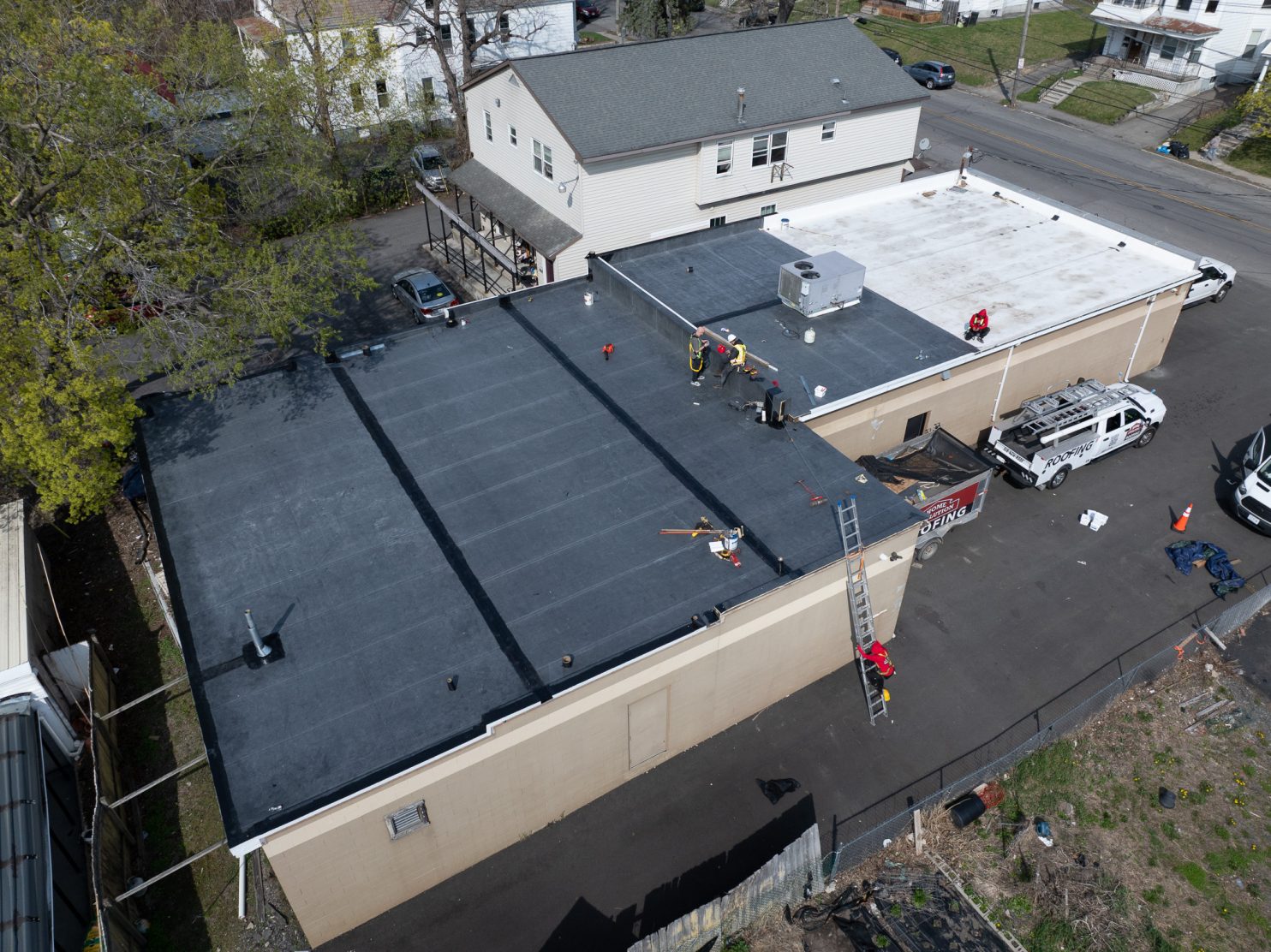
Low-Slope Roofing
Low-Slope Roofing is scoped around Frontier Mall and nearby service buildings, snow drift at parapets and rooftop units, and Capitol Avenue office buildings. The scope stays practical: stop water first, document the roof, then choose the repair or replacement path that fits the building.
View Scope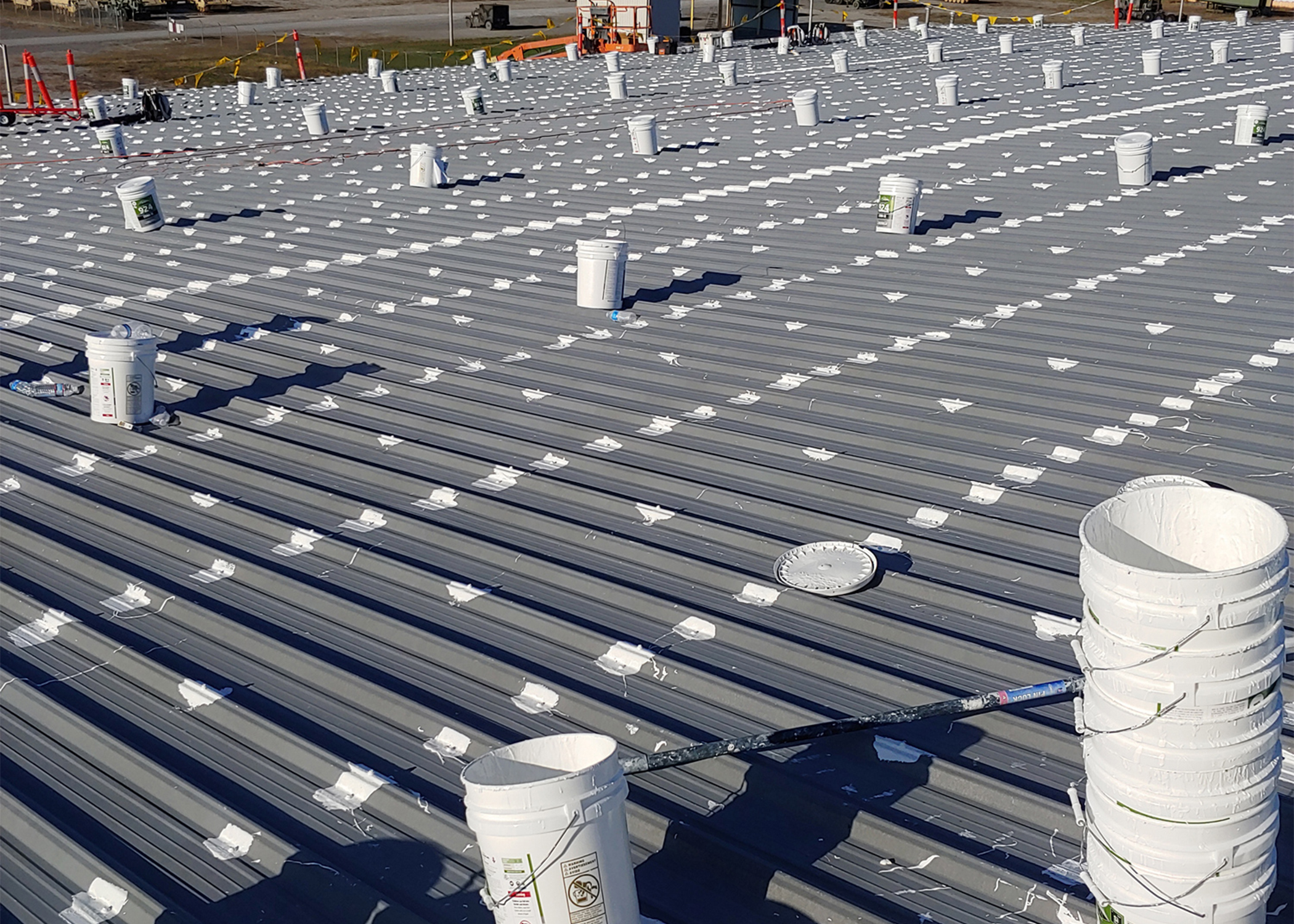
Silicone Roof Systems
Silicone Roof Systems is scoped around Cheyenne Regional Airport facilities, High Plains wind and hail exposure, and Laramie County public buildings. We keep access, weather windows, and tenant disruption in the plan before crews step onto the roof.
View Scope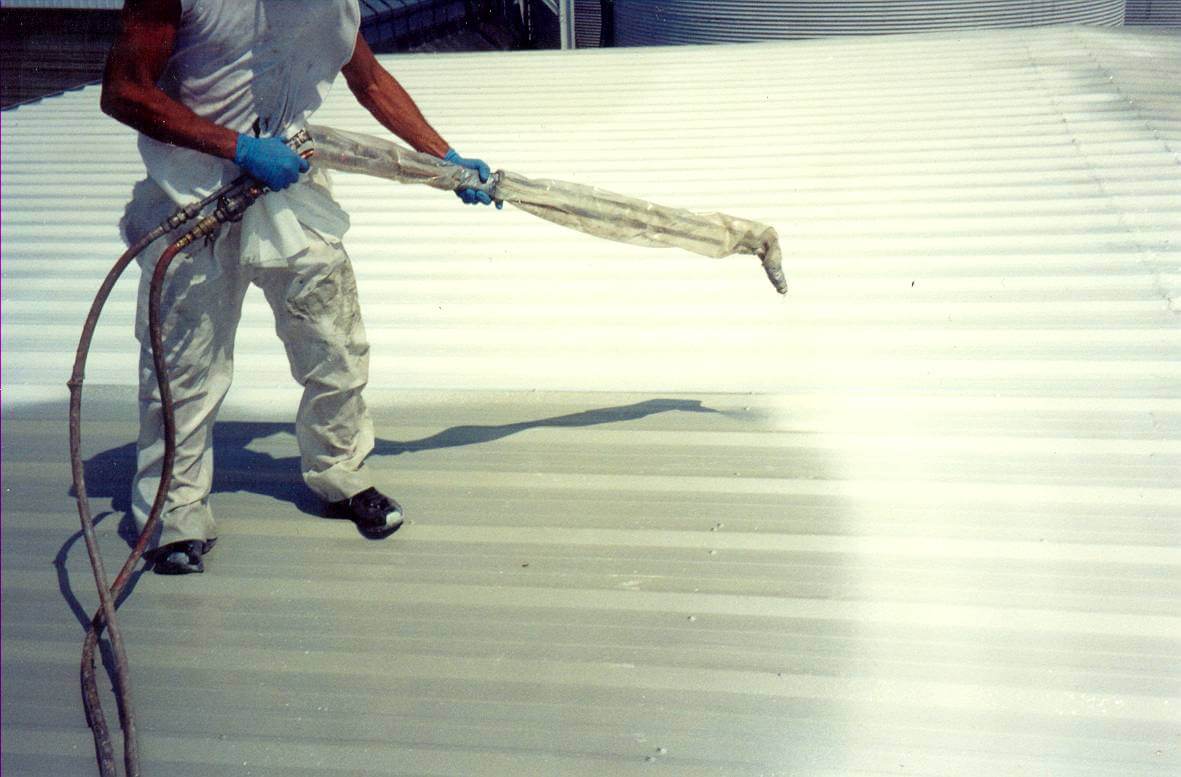
Commercial Roof Coatings
Commercial Roof Coatings is scoped around the I-25 and I-80 freight interchange, Frontier Mall and nearby service buildings, and snow drift at parapets and rooftop units. Every recommendation is tied to observed conditions, not a prewritten roof package.
View ScopeGet the roof decision into writing.
Tell us what changed on the roof, where the building sits, and who needs the report. We will turn the next step into a clear scope.