 Contact Us Now
Commercial Roof Repair in Cheyenne, WY
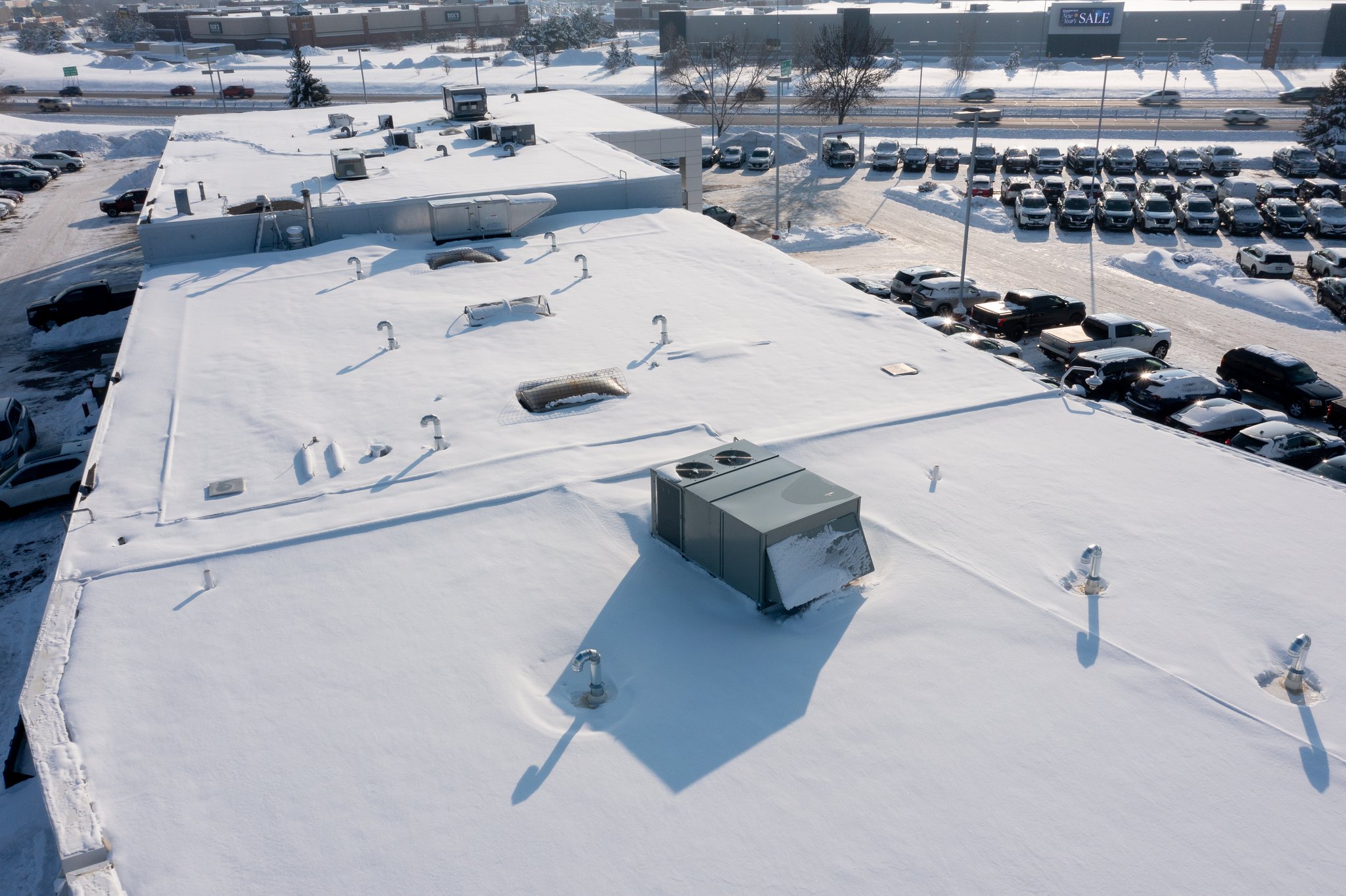
The scope documents leak sources, repair boundaries, photos, and priorities so Cheyenne owners can separate immediate stabilization from longer-term capital work. The first move on Commercial Roof Repair is separating visible symptoms from the assembly condition below them. We consider Frontier Mall and nearby service buildings, snow drift at parapets and rooftop units, Capitol Avenue office buildings, and F.E. Warren Air Force Base area contractors before we recommend work.
That keeps the scope tied to the roof that is actually on the building: membrane condition, seams, metal, drainage, rooftop units, access, tenant needs, and timing.
Commercial roof repair in Cheyenne covers a wider range of causes and failure modes than in most US markets because the weather that drives repairs here is more varied and more extreme. Wind-driven failures at high-plains-exposed locations, April snowstorm damage that tears edge metal and lifts membrane perimeters, freeze-thaw infiltration at aging flashings, hail punctures on membrane roofs, and drain-related failures from ice expansion in bowl assemblies, these are the repair categories that define a Cheyenne roofing contractor's workload. Understanding which failure mode you are dealing with determines the right repair approach, and getting that diagnosis wrong leads to repairs that do not hold.
Wind-driven repair is a category that Cheyenne building owners encounter with a frequency that surprises people who have not experienced high-plains wind. A building in an exposed location on the west or north side of town, a distribution center on Yellowstone Road, a logistics facility at the I-25/I-80 interchange, a commercial building along the north Dell Range corridor, will experience wind forces during front passages that exceed what many membrane and edge metal systems were designed to resist. Edge metal lifting, membrane perimeter blow-back, and HVAC screen separation are the most common wind repair categories. When we repair wind damage, we address not just the displaced material but the anchorage system that failed, re-nailing a blown-off coping cap at the same clip spacing that failed will produce the same result in the next wind event.
April snowstorm damage is a distinctive Cheyenne repair category. Spring storms in Wyoming combine heavy, wet snow with wind, conditions that load a roof structure differently than the dry powder that accumulates through January and February. The wet snow is heavier per inch, sticks to vertical surfaces, and can arrive on top of an already-loaded roof from earlier winter storms before significant thaw has occurred. April storm damage repairs typically involve edge metal that has been lifted by wind-driven snow accumulation at parapets, flashings at roof-to-wall transitions that have been overloaded by accumulated drift, and drain blockage from ice that formed at the drain bowl during an overnight refreeze event mid-storm. We treat April storm calls with the urgency of an emergency repair because damage left unaddressed after the storm will worsen with the next precipitation event.
Downtown Cheyenne flat roof repairs involve a specific set of building conditions not found in the business parks. Older commercial buildings on Capitol Avenue and the Lincolnway corridor have built-up roofing systems, sometimes with multiple earlier roofs beneath them, on wooden deck substrates that may be deteriorated in areas. Parapet walls on these buildings are historic masonry that may have loose brick, failed pointing, or cap flashing conditions that are the actual source of infiltration attributed to the roof membrane. We approach downtown Cheyenne repair calls with an envelope perspective, inspecting the masonry parapet, the through-wall flashing condition, and the roof-to-wall interface as an integrated system rather than looking only at the membrane field. Repairing a membrane lap when the actual infiltration point is a deteriorated mortar joint 8 inches above the membrane will not stop the leak.
Penetration flashing repairs are the most common repair category on mid-age commercial roofs in Cheyenne, and their frequency reflects the cumulative stress that freeze-thaw cycling imposes on the transition between horizontal membrane and vertical flashing. Pipe boot flashings are the simplest case, a failed neoprene boot can be replaced or a pitch pan can be poured in an hour and will hold reliably for several years. HVAC curb flashing repairs are more involved: the curb cap flashing, the membrane strobe at the curb base, and the sealant at the flashing termination all need to be addressed as a unit rather than resealing the most visible crack while leaving the underlying condition intact. We do not spot-seal flashing failures, we strip the failed condition back to sound material and re-flash the condition correctly.
Membrane field repairs for punctures, tears, and seam failures require careful material matching and, for heat-welded systems, proper welding temperature and pressure management even for small repairs. A patch applied to a TPO field that is not heat-welded to the correct temperature may look like a complete repair but will peel at the leading edge within one to two freeze-thaw cycles. We carry a probe testing kit on every repair visit for heat-welded systems and test the weld perimeter of every patch before leaving the site. Photographic documentation of every repair location with a GPS-tagged reference to the roof plan allows the building owner to track repair history and identify sections where repair frequency is approaching the threshold for section replacement.
Repair-versus-replace decisions on sections of a Cheyenne commercial roof require honest assessment of the membrane's remaining service life in context. A section that has required three repairs in two seasons is demonstrating a systemic failure pattern, the membrane has reached the end of its reliable service life in that zone, and further repairs are delaying an inevitable replacement while adding cost. We assess repair calls in this context and communicate directly when a section has crossed the threshold where the repair investment is no longer justified by the expected remaining life. A building owner deserves that perspective, not just another repair invoice for a section that needs replacement.
Documentation of all repairs is a standard practice that benefits building owners in multiple ways. Repair records tied to specific roof locations build a maintenance history that supports warranty claims, insurance claims, and future replacement planning. They also identify patterns, the same section failing repeatedly, a specific penetration that consistently loses its seal, that inform both the repair approach and the prioritization of more comprehensive corrective work. We provide a written repair summary after every visit, including photographs of the pre-repair condition, the completed repair, and any adjacent conditions noted during the repair inspection. For portfolio clients, repair records are filed against the specific building in the asset management database where they can be referenced at the next inspection.
Questions Owners Ask
How do we know if wind has damaged our roof after a Cheyenne wind event?
The most visible signs are edge metal displacement or lifting at parapets and rakes, membrane perimeter blow-back where the membrane has lifted away from the substrate at the edge zone, displaced or missing coping caps, and torn or displaced flashing at HVAC curbs or wall terminations. Internally, new ceiling stains or dripping that appears immediately after a wind event is a strong indicator of wind-driven damage. After any documented wind event with gusts above 50 mph, we recommend a professional inspection rather than relying on a ground-level visual, many wind damage conditions are not visible from grade and will not produce interior evidence until the next precipitation event.
Can a small repair stop a leak that has been recurring for two seasons?
Sometimes, if the entry point has finally been correctly identified and the repair addresses the actual failure mode rather than a symptom. Often, no, recurring leaks in the same location despite multiple repairs indicate either that the repair is being applied at the wrong location (the leak is entering elsewhere and showing up at the same interior point due to water migration) or that the membrane has deteriorated to the point where a localized repair cannot maintain a watertight condition under the load cycle the roof is experiencing. We evaluate recurring leak calls with this question explicitly in mind and will tell you when a section replacement is the right answer rather than another repair.
What is a pitch pan and when does it need to be replaced?
A pitch pan is a metal pan installed around an oddly shaped penetration, typically a pipe cluster, conduit bundle, or structural support, that cannot be flashed with a standard pipe boot or curb flashing. The pan is filled with pourable sealant or a two-component urethane filler. In Cheyenne's freeze-thaw climate, pitch pan filler cracks and shrinks over time, eventually pulling away from the pipe and allowing infiltration. We inspect pitch pan condition on every maintenance visit and top-fill any pan where the filler has cracked or shrunk. When the pan itself is corroded or deformed, the entire pan assembly is replaced.
Should we do repairs before winter or wait until spring?
Any condition with an active leak or a high probability of leaking under winter precipitation should be repaired before the first freeze, ideally in September or October when conditions are still reliably above the installation temperature minimum. Waiting until spring on an active or high-risk condition means accepting a winter of potential infiltration, freeze-thaw damage propagation, and interior water damage. Conditions that are documented and stable, a small blister, a minor lap irregularity that is not currently leaking, can reasonably be scheduled for spring repair when the full maintenance and repair scope can be addressed at once. The distinction is active risk versus monitored concern.
How long do most commercial roof repairs last in Cheyenne's climate?
A properly executed repair using compatible materials and correct installation procedures should last 5 to 10 years on a membrane that still has remaining service life. Repairs on membranes that are at or past their expected service life will last shorter periods because the membrane condition surrounding the repair continues to deteriorate. Sealant-only repairs at penetrations typically need renewal every 5 to 7 years in Cheyenne's freeze-thaw environment. Heat-welded TPO or EPDM patches on a sound substrate, performed correctly, should last as long as the surrounding membrane. We match our repair material and method to the expected remaining life of the roof section being repaired.
Related Roof Work
Useful next pages for this roof decision.
CAPEX Roof Planning
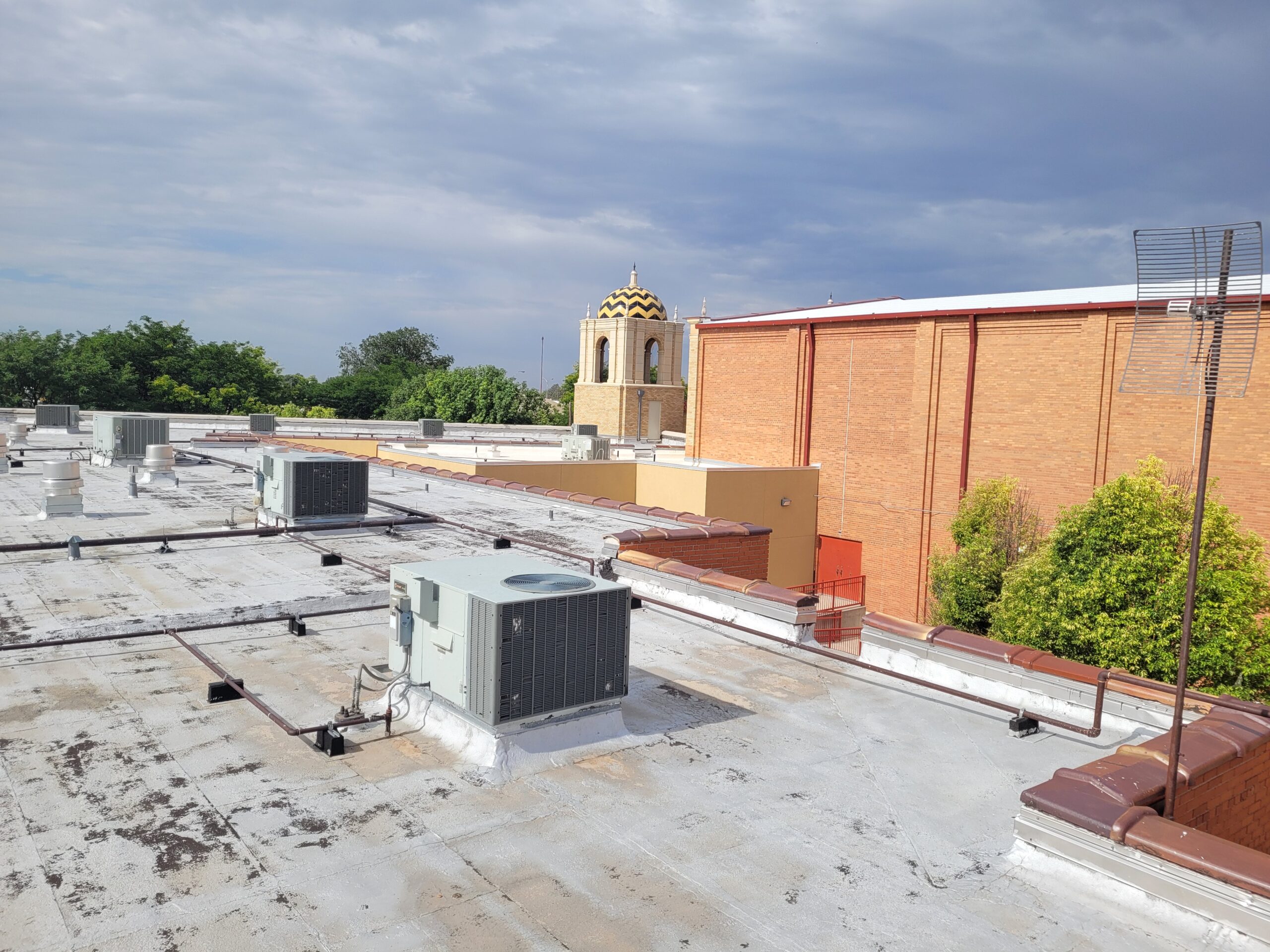
CAPEX Roof Planning is scoped around Capitol Avenue office buildings, F.E. Warren Air Force Base area contractors, and freeze-thaw cycles after spring storms. The scope stays practical: stop water first, document the roof, then choose the repair or replacement path that fits the building.
View Scope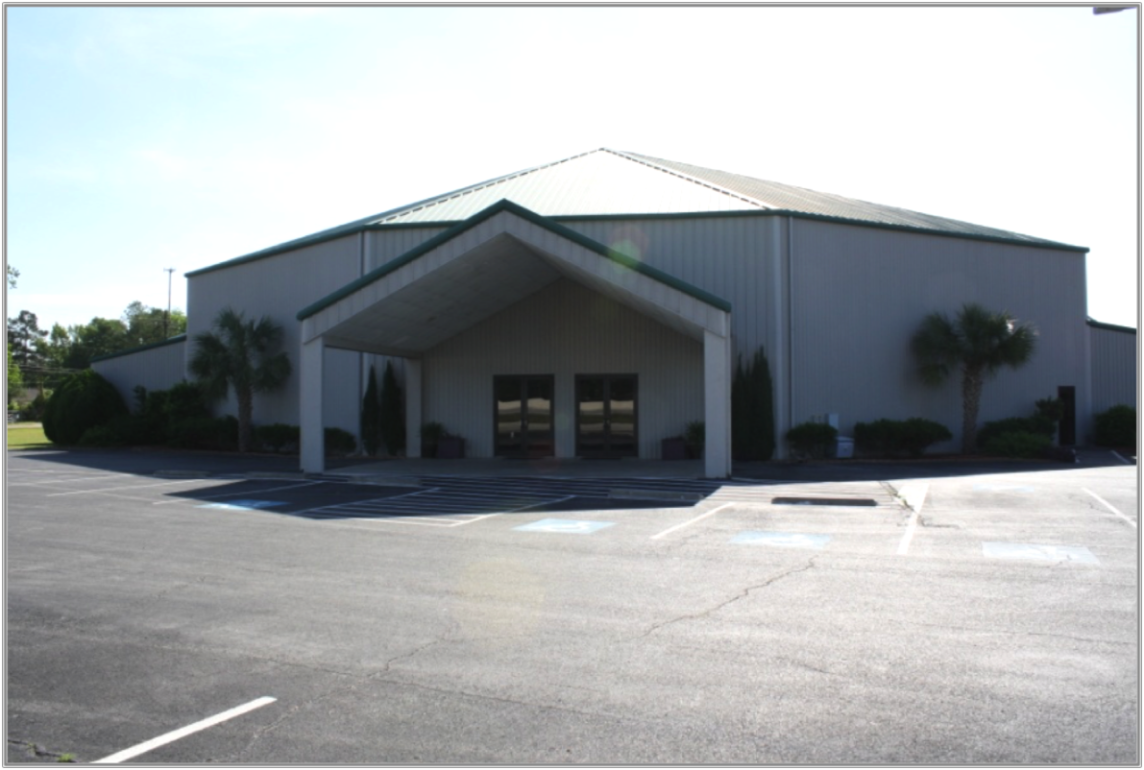
Church and Religious Building Roofing
Church and Religious Building Roofing is scoped around the I-25 and I-80 freight interchange, Frontier Mall and nearby service buildings, and snow drift at parapets and rooftop units. We keep access, weather windows, and tenant disruption in the plan before crews step onto the roof.
View Scope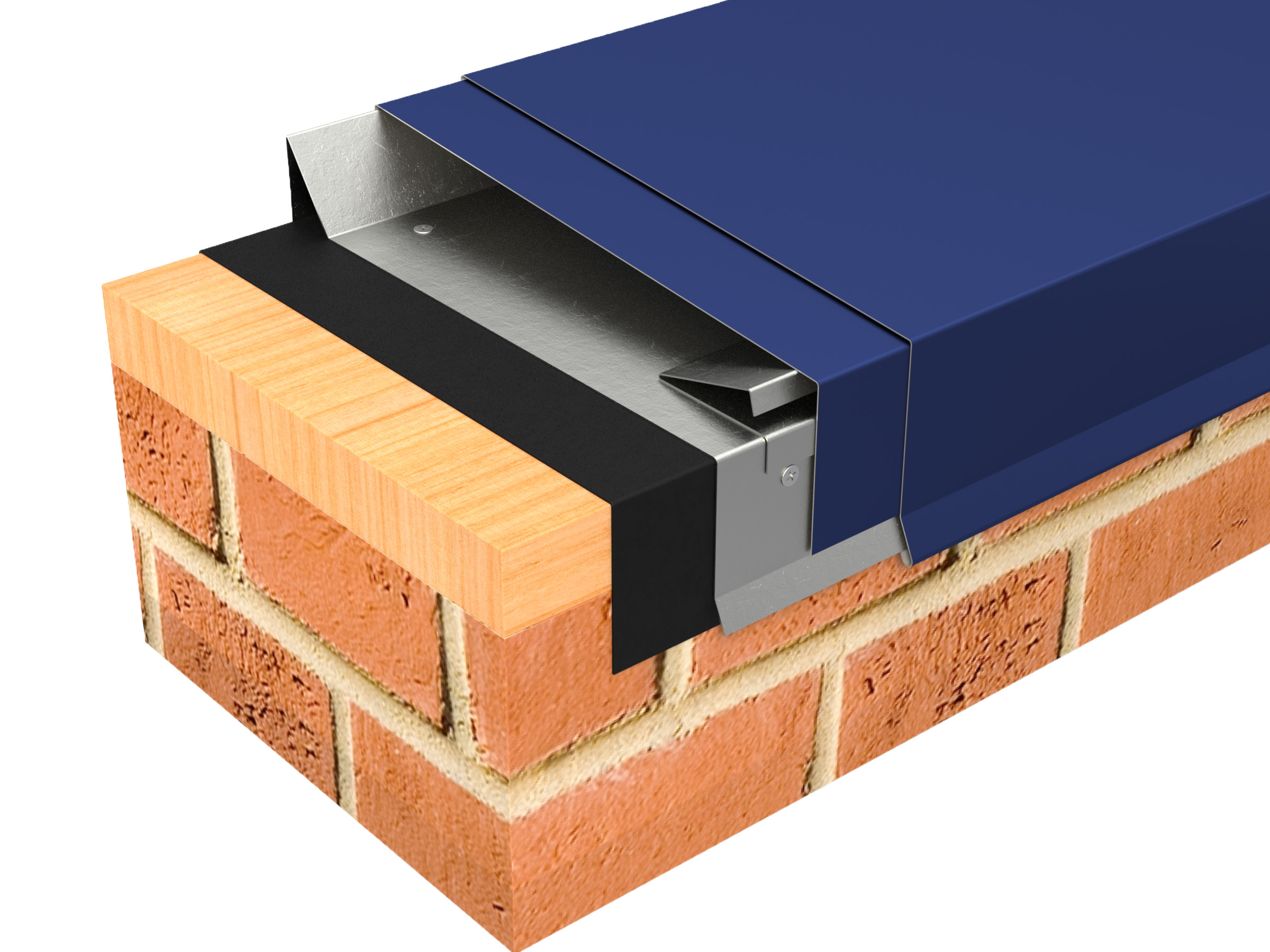
Commercial Gutter and Downspout Systems
Commercial Gutter and Downspout Systems is scoped around Laramie County public buildings, Dell Range Boulevard retail roofs, and Lincolnway corridor storefronts. Every recommendation is tied to observed conditions, not a prewritten roof package.
View ScopeGet the roof decision into writing.
Tell us what changed on the roof, where the building sits, and who needs the report. We will turn the next step into a clear scope.