 Contact Us Now
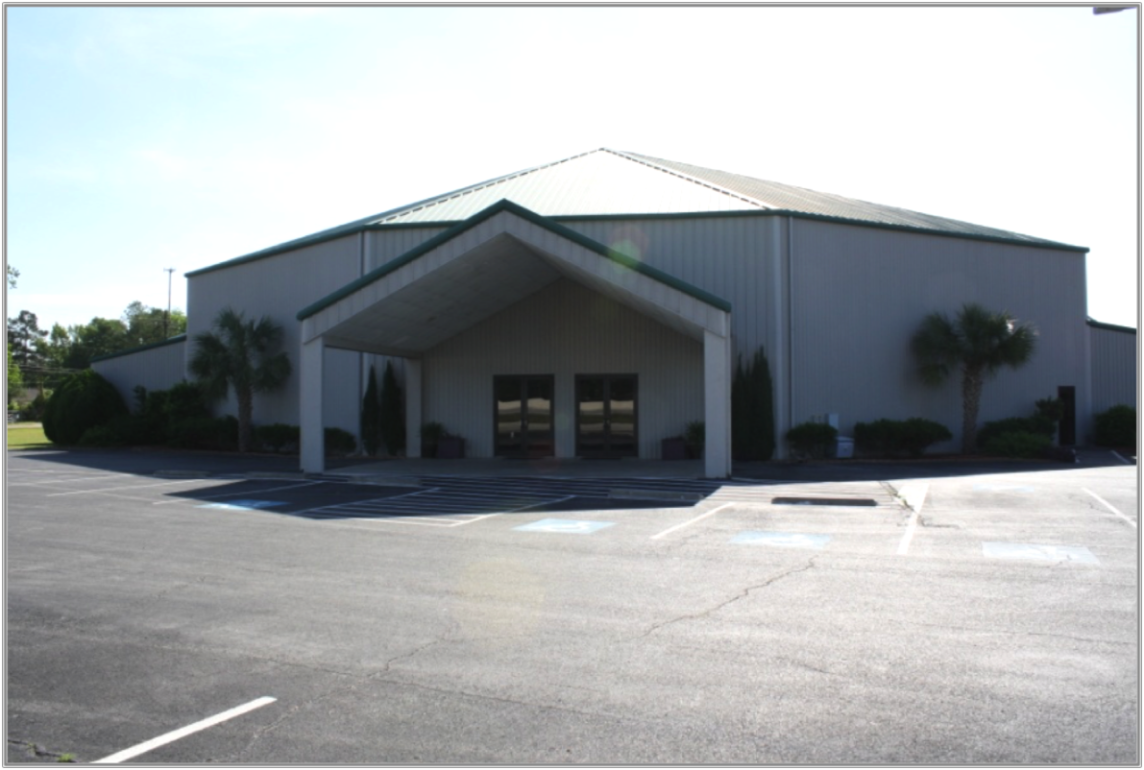
Church and Religious Building Roofing in Cheyenne, WY
For Church and Religious Building Roofing, we look at the roof as an operating asset, not a one-time line item. We consider the I-25 and I-80 freight interchange, Frontier Mall and nearby service buildings, snow drift at parapets and rooftop units, and Capitol Avenue office buildings before we recommend work.
That keeps the scope tied to the roof that is actually on the building: membrane condition, seams, metal, drainage, rooftop units, access, tenant needs, and timing.
Cheyenne is Wyoming's largest city and the state capital, and its religious community reflects the hardy character of the High Plains, congregations like St. Mary's Cathedral, the seat of the Roman Catholic Diocese of Cheyenne, maintain stone and masonry buildings that must endure some of the harshest weather conditions in the continental United States. At 6,062 feet above sea level, Cheyenne combines extreme wind exposure from the Wyoming high plains with heavy snowfall, dramatic temperature swings, and UV radiation intensity that exceeds coastal benchmarks due to the high-altitude atmosphere. Church roofing in Cheyenne is not for contractors who lack experience with these conditions.
Wind is the dominant roofing challenge in Cheyenne and the defining specification driver for every system we install in Wyoming. Cheyenne holds the distinction of being among the windiest cities in the United States, with average wind speeds exceeding those of Chicago, and sustained winds of 40 to 50 miles per hour are a routine autumn occurrence. Extreme wind events exceeding 80 miles per hour occur multiple times per decade. Every roofing system we install in the Cheyenne area is specified for Wyoming's design wind speeds under ASCE 7, with enhanced perimeter and corner fastening and mechanical attachment methods rather than adhesive-dependent systems that rely on membrane-to-substrate bond strength against sustained high-velocity winds.
Snow load management requires structural analysis for Cheyenne church buildings, particularly those with flat or low-slope fellowship hall additions where drifting snow can accumulate to depths that exceed original structural design loads. Cheyenne's geographic position at the base of the Laramie Range means that wind-driven snow routinely drifts against vertical surfaces, building massive accumulations at roof transitions, parapets, and equipment curbs. We design tapered insulation systems that direct drainage efficiently and reduce drift traps, and we install snow retention and drainage systems that manage the snowmelt load rather than allowing it to pond and refreeze on low-slope sections.
Freeze-thaw cycling is extreme in Cheyenne because the city experiences dramatic temperature swings, it is not unusual for a February day to begin at -10°F and reach 40°F by afternoon as a chinook wind system moves through. Each cycle of freezing and thawing assaults masonry mortar joints, flashing seams, and membrane terminations with thermal expansion and contraction forces that rapidly degrade systems not designed for this oscillation frequency and amplitude. Our Cheyenne installations use highly flexible membrane materials and flashing compounds with low-temperature flexibility ratings that maintain their physical properties at -20°F rather than becoming brittle and cracking under Wyoming winter conditions.
High-altitude UV radiation in Cheyenne significantly accelerates roofing membrane degradation compared to sea-level markets. The atmosphere at 6,000 feet provides substantially less UV filtration than at sea level, and polymer-based membrane surfaces experience faster oxidation, surface chalking, and loss of flexibility when exposed to Cheyenne's combination of high UV and low atmospheric moisture. We specify membrane materials with UV stabilizer packages calibrated for high-altitude exposure and include annual UV condition assessments in our maintenance program recommendations for Cheyenne church clients.
Many of Cheyenne's established churches are housed in historic masonry buildings constructed during the late territorial and early statehood period when the city served as the principal railroad hub of the northern plains. These buildings have masonry walls and parapet systems designed with the materials and craftsmanship of the 1880s through 1910s, and they require reroofing approaches that respect the historic fabric while providing modern waterproofing performance. The Wyoming SHPO administers state historic preservation programs, and several Cheyenne church buildings carry listings on the National Register of Historic Places that affect what materials and methods are appropriate for restoration and repair work.
Emergency storm response is a genuine operational requirement for Cheyenne church facility managers because Wyoming weather can change from clear to severe in hours. A November blizzard can deposit 18 inches of snow on a church roof in a single event, and the subsequent warming can create rapid snowmelt that overwhelms clogged drains and infiltrates aged flashings. We maintain emergency response capability in the Cheyenne market year-round, with temporary weatherproofing materials and crew availability to respond to acute weather damage without the multi-day delays that characterize emergency response from distant contractors unfamiliar with Wyoming logistics.
The tight-knit nature of Wyoming's small-city professional community means that church facility managers in Cheyenne rely heavily on the recommendations of peer institutions when selecting contractors for major capital projects. Our reputation in the Cheyenne market is built on referral from congregation to congregation, and we protect it by delivering projects that perform exactly as specified in Wyoming's demanding climate without the callbacks and warranty disputes that characterize contractors who underestimate what the high plains weather environment demands of both materials and installation quality.
Energy performance improvements are compelling in Cheyenne's climate because the heating season is long and natural gas prices in Wyoming are subject to the same volatility that affects all western energy markets. Installing R-30 or better insulation above the deck during a reroofing project reduces the heating load for a building that may require active heating for nine months of the year, a fundamentally different energy calculus than in warm-climate markets where insulation primarily serves cooling-season purposes. Many Cheyenne congregations recover reroofing investment partly through reduced heating costs within the first five to seven years after installation of a properly insulated system.
- What wind speed should a Cheyenne church roof be designed for?
- ASCE 7 specifies a design wind speed of approximately 115 to 120 mph for the Cheyenne area, but we recommend systems rated for FM 1-90 minimum in field areas and enhanced edge zone attachment to account for Cheyenne's documented frequency of high sustained wind events. Equipment anchorage is designed to the same standard as the membrane system, not to a lesser specification.
- How does Cheyenne's altitude affect roofing materials?
- High-altitude UV intensity accelerates polymer oxidation in membrane materials, requiring UV stabilizer packages rated for high-altitude exposure. Low atmospheric humidity reduces the moisture content of organic materials in the roof assembly, which reduces biological growth but increases thermal movement amplitude. We account for both factors in material specification and detailing for Cheyenne installations.
- Can you repair a historic masonry church building in Cheyenne without damaging the original stone?
- Yes. We use non-invasive flashing details that anchor to sound masonry with mechanical fasteners rather than relying on deteriorated mortar reglets, and we use lime-compatible mortar for any repointing work to avoid damaging soft historic stone with hard Portland cement mixes. We coordinate with the Wyoming SHPO when projects involve National Register-listed properties.
- How do we manage snow accumulation on our church's flat-roof addition?
- We install tapered insulation to maximize drainage slope, design overflow drainage for high-intensity snowmelt events, and provide snow management recommendations including maximum accumulation thresholds for safe loading. For locations with persistent drift accumulation problems, we can design parapet modifications that reduce drift trapping without altering the building's visual character.
- What is the best roofing membrane for Cheyenne's extreme temperature range?
- TPO with a low-temperature flexibility rating and a manufacturer's cold-climate installation specification is our primary recommendation for Cheyenne flat and low-slope church sections. For applications where installation must occur in cold weather, we use self-adhered modified bitumen systems with cold-weather adhesive formulations that maintain bond strength in temperatures as low as 0°F.
Related Roof Work
Useful next pages for this roof decision.
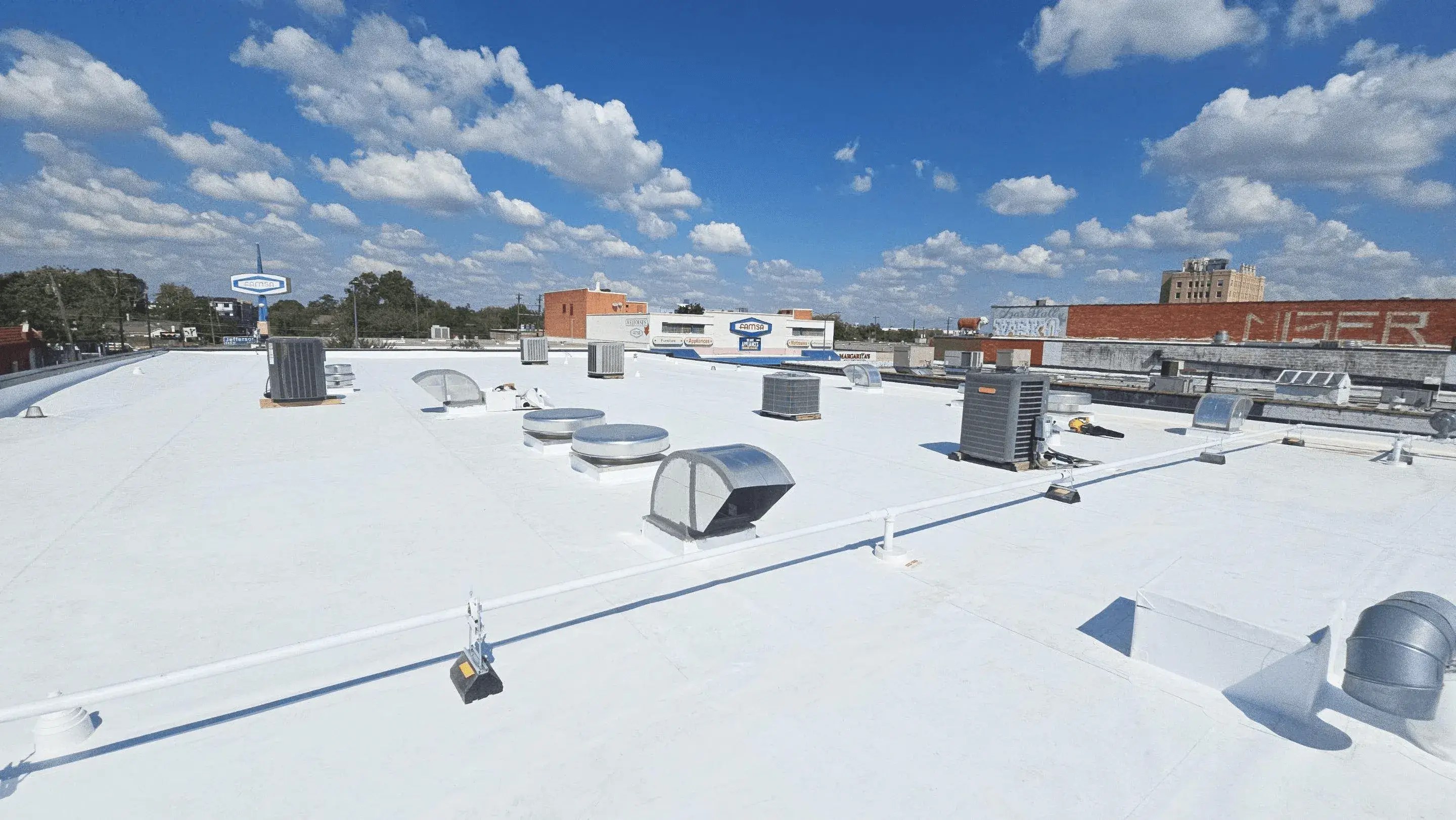
Due-Diligence Roof Reports
Due-Diligence Roof Reports is scoped around the I-25 and I-80 freight interchange, Frontier Mall and nearby service buildings, and snow drift at parapets and rooftop units. The scope stays practical: stop water first, document the roof, then choose the repair or replacement path that fits the building.
View Scope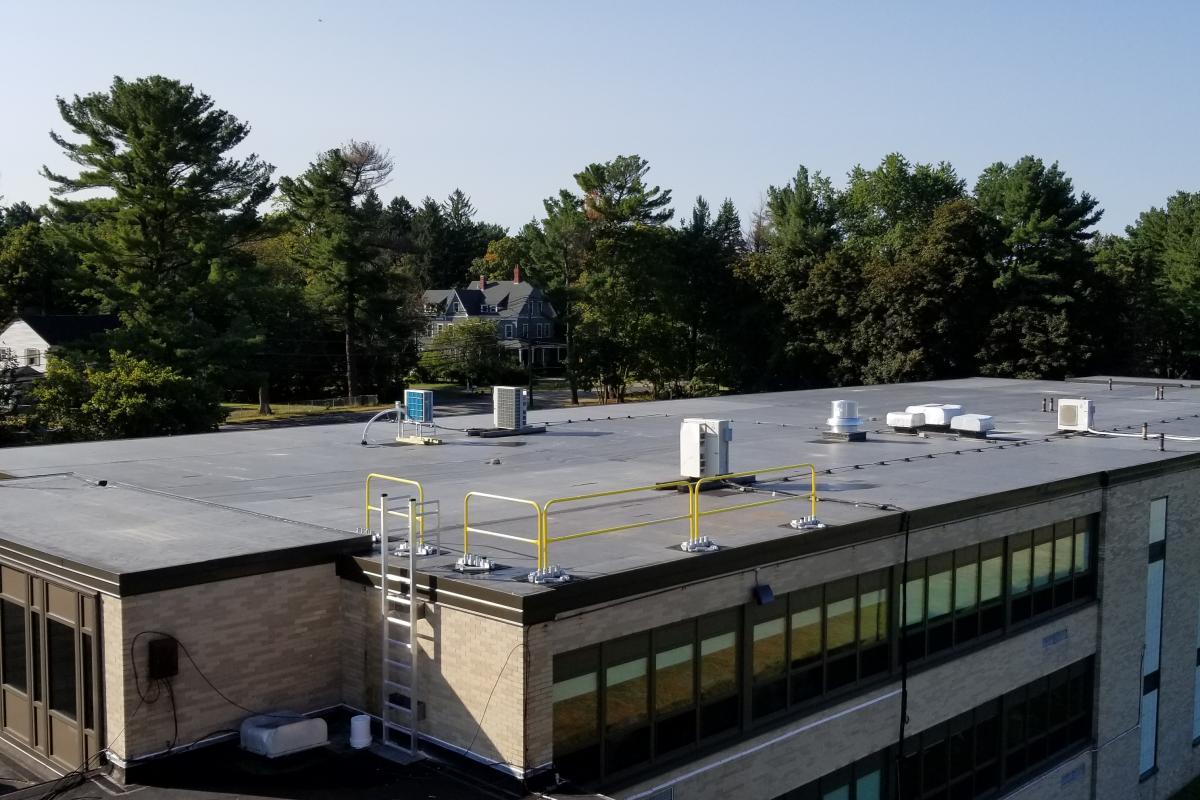
Government and Municipal Building Roofing
Government and Municipal Building Roofing is scoped around Dell Range Boulevard retail roofs, Lincolnway corridor storefronts, and South Cheyenne industrial sites. We keep access, weather windows, and tenant disruption in the plan before crews step onto the roof.
View Scope
Government Facility Roofing
Government Facility Roofing is scoped around North Range Business Park warehouses, the I-25 and I-80 freight interchange, and Frontier Mall and nearby service buildings. Every recommendation is tied to observed conditions, not a prewritten roof package.
View ScopeGet the roof decision into writing.
Tell us what changed on the roof, where the building sits, and who needs the report. We will turn the next step into a clear scope.