 Contact Us Now
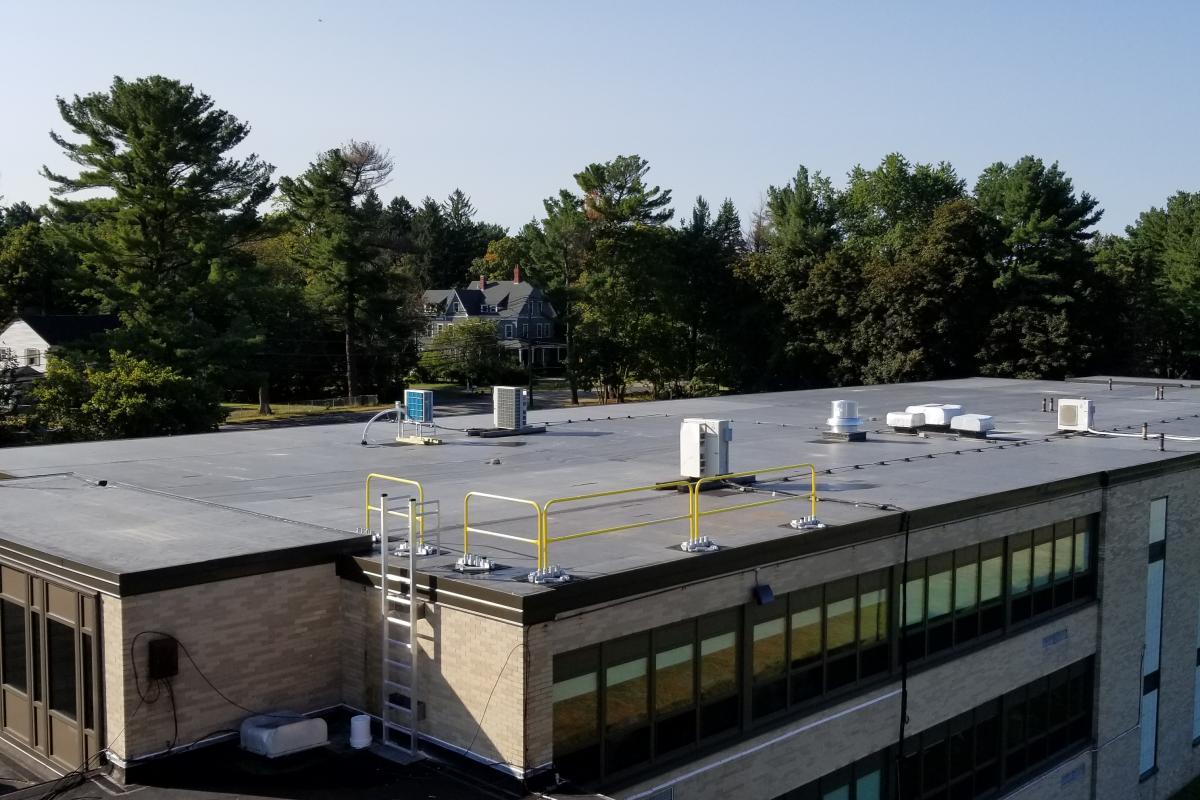
Government and Municipal Building Roofing in Cheyenne, WY
For Government and Municipal Building Roofing, we look at the roof as an operating asset, not a one-time line item. We consider Dell Range Boulevard retail roofs, Lincolnway corridor storefronts, South Cheyenne industrial sites, and Laramie County business parks before we recommend work.
That keeps the scope tied to the roof that is actually on the building: membrane condition, seams, metal, drainage, rooftop units, access, tenant needs, and timing.
Cheyenne sits at an elevation of 6,062 feet on the high plains of southeastern Wyoming, where government buildings must survive a roofing environment that combines fierce sustained winds, substantial snowfall, extreme temperature swings between seasons, and intense ultraviolet radiation at altitude, all without the dense contractor base available in larger metropolitan markets. The Wyoming State Capitol campus, the Laramie County government center, and the network of City of Cheyenne municipal facilities including fire stations, police facilities, and the Laramie County Library system anchor the government roofing market in Wyoming's capital city. Commercial roofing contractors operating here work in a state where the government building inventory is spread across vast distances, the contractor pool is genuinely thin, and the quality of work must reflect the reality that replacement help is not close if a system fails prematurely under Wyoming's demanding conditions.
Wyoming's wind environment is not incidental to roofing design, it is the defining structural parameter. Cheyenne is one of the windiest cities in the United States at its elevation, regularly recording sustained winds above 30 miles per hour and gusts that exceed 60 miles per hour during storm events. The National Weather Service regularly issues high wind warnings and advisories for Cheyenne and Laramie County, and the ASCE 7 wind speed maps designate this region as requiring roofing systems and attachment designs substantially more robust than those used in most of the country. Government building roofing specifications in Cheyenne must address wind uplift at the membrane level, the parapet level, and at every penetration, curb, and edge condition where differential pressure during high-wind events creates concentrated stress. Contractors who propose standard wind zone specifications developed for lower-wind markets are immediately identified as not understanding the Cheyenne environment.
State government roofing projects in Cheyenne are managed through the Wyoming State Construction Department, which administers the state's public construction program including facilities projects at the Capitol campus, state agency buildings, Wyoming Highway Patrol facilities, and other state-owned structures in the capital area. Wyoming's public procurement statutes govern competitive bidding requirements for state construction, and the State Construction Department coordinates with the Wyoming Department of Administration and Information on procurement procedures, contract approvals, and compliance requirements. Contractors pursuing state government work in Cheyenne must be licensed under Wyoming's contractor licensing requirements administered by the Wyoming Construction Management Council and must be registered with the state's vendor registration system.
The Wyoming State Capitol, an 1888 National Historic Landmark undergoing ongoing preservation and renovation work, represents the most complex and visible roofing environment in Cheyenne. Any proposed alterations to the Capitol's roof systems require coordination with the Wyoming Historic Preservation Office and the National Park Service, as the building's National Historic Landmark designation triggers Section 106 consultation for federally assisted undertakings and the highest level of preservation review for state projects. Material specifications for Capitol roofing work must comply with the Secretary of the Interior's Standards for the Treatment of Historic Properties, which for a building of this significance typically means extensive documentation, material mock-ups, and review cycles that significantly extend project timelines. Contractors who have worked on other National Historic Landmark government buildings bring a genuine professional advantage to the Capitol roofing team.
Laramie County government facilities, the county courthouse and administration building, the county sheriff's detention facilities, and county public health and services buildings, are procured through the Laramie County Commission's purchasing procedures, with formal bidding required above county-established thresholds and commission approval required for contract awards. City of Cheyenne municipal facilities including fire stations, the police operations center, and the Cheyenne Civic Center are procured through city purchasing procedures with their own bid requirements and approval process. Contractors active in the Cheyenne government roofing market need to track solicitations across the state, county, and city procurement portals simultaneously, as project announcements are not coordinated between the three jurisdictions and opportunities can appear with shorter-than-desired lead times relative to the complexity of preparation required.
Wyoming does not have a state prevailing wage law, having never enacted one, and the state's construction labor market operates without state wage rate mandates on government projects. Federal Davis-Bacon requirements apply when projects receive federal financial assistance, and federal funding is present in a portion of Cheyenne's government construction activity, federal agency buildings, federally assisted housing, transportation infrastructure receiving federal funds, and public buildings improved with federal grant dollars. Contractors working the full range of government projects in Cheyenne should maintain the payroll systems and administrative capacity to comply with Davis-Bacon requirements when federal funding is present, as the absence of a state wage law does not insulate all government projects from federal obligations.
Snow load is a critical structural consideration for Cheyenne government building roofing projects that contractors from lower-elevation and lower-snowfall regions sometimes underestimate. Cheyenne's high elevation and plains geography produce occasional heavy snowfall events, and the combination of direct snowfall with wind-driven snow drift accumulation at parapets, mechanical equipment curbs, and roof level changes can create localized loads that substantially exceed design assumptions if drainage is inadequate or if the roof deck's structural capacity has been reduced by decades of in-service moisture infiltration. Pre-project structural assessments for major roof replacements on older government buildings are standard practice for experienced Cheyenne contractors, and building officials in the city have become more attentive to load documentation as part of building permit review for re-roofing projects.
The Laramie County Public Library's main branch and the Albany County additions to the Cheyenne-area library network serve a population spread across a large geographic area and depend on reliable building envelope performance to maintain the climate control necessary for both collection preservation and patron comfort in a region with extreme temperature differentials between summer and winter. Library roofing in Cheyenne follows county or city procurement procedures depending on the facility's governance structure, and energy performance requirements for library roofing specifications reflect Wyoming's cold climate designation under the commercial building energy code, with minimum insulation requirements significantly higher than those in the southern tier of states. Contractors who bid library roofing projects in Cheyenne should verify that the specified assembly meets Wyoming's energy code R-value requirements and that the vapor management approach is appropriate for a heating-dominated climate where condensation risk within the roof assembly is the primary moisture concern.
Warranty coverage and quality assurance in Cheyenne government roofing contracts reflect the challenge of the operating environment and the limited local contractor base. State and county government specifications typically require manufacturer warranties of 20 years or more on membrane systems, and because the contractor pool in Cheyenne is smaller than in major metropolitan areas, warranty claim administration may involve contractors traveling significant distances for remediation work. Contractors who want to build a sustainable government roofing practice in Cheyenne should invest in the installation quality and inspection protocols that minimize warranty callbacks, as the logistics of responding to warranty claims in a remote location at high altitude are substantially more burdensome than in more accessible markets. Developing a local workforce with the technical training to execute quality installations is a competitive differentiator that supports both warranty performance and ongoing market presence in Wyoming's capital.
- What wind resistance requirements apply to government roofing in Cheyenne?
- Cheyenne is one of the windiest cities in the country, and ASCE 7 wind speed maps designate the region as requiring robust roofing attachment and edge detailing. Government building specifications must address wind uplift at the membrane, parapet, and all penetration conditions, with attachment designs substantially more demanding than those used in typical lower-wind markets.
- Does Wyoming have a prevailing wage law for Cheyenne government roofing projects?
- Wyoming has never enacted a state prevailing wage law, so local and state government construction contracts are not subject to state wage rate requirements. Federal Davis-Bacon obligations apply to projects receiving federal financial assistance, and contractors must verify each project's funding to determine whether federal wage compliance is required.
- How does Wyoming State Construction Department procure roofing services?
- The Wyoming State Construction Department administers state public construction under Wyoming's procurement statutes, requiring competitive bidding for projects above applicable thresholds with coordination through the Department of Administration and Information. Contractors must hold required Wyoming contractor licenses and be registered as state vendors to participate in solicitations.
- What preservation review applies to roofing at the Wyoming State Capitol?
- The Capitol's National Historic Landmark designation triggers Section 106 consultation with the National Park Service for federally assisted work and Wyoming Historic Preservation Office review for state projects. Material selections must comply with the Secretary of the Interior's Standards, and the review process involves documentation, mock-ups, and multiple approval cycles that extend project timelines significantly.
- How do snow loads affect roofing specifications for Cheyenne government buildings?
- Cheyenne's elevation and wind-driven snow accumulation patterns can produce localized roof loads at parapets and mechanical curbs that exceed design assumptions, particularly in older buildings where deck capacity may be reduced by moisture damage. Pre-project structural assessments are standard practice for major re-roofing projects, and building permit review for re-roofing in Cheyenne now commonly involves load documentation review by city officials.
Related Roof Work
Useful next pages for this roof decision.
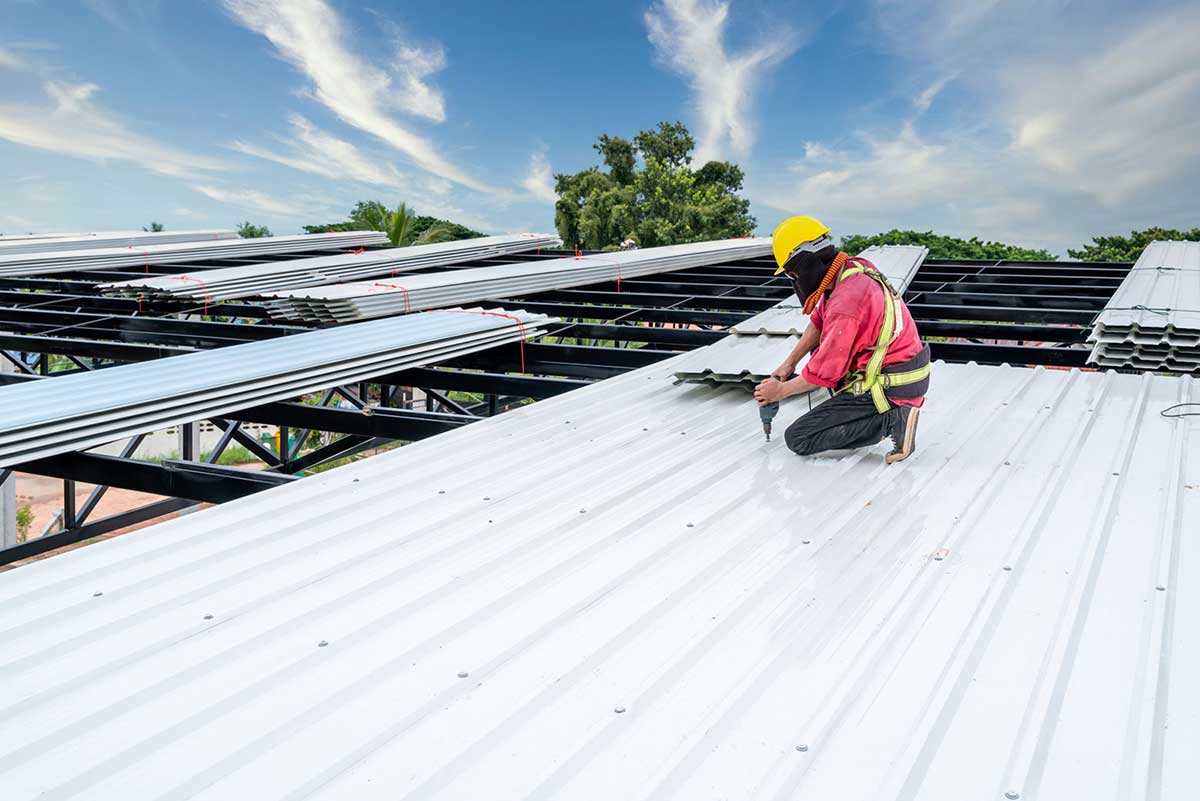
Commercial Reroofing
Commercial Reroofing is scoped around F.E. Warren Air Force Base area contractors, freeze-thaw cycles after spring storms, and Cheyenne Regional Medical Center area offices. The scope stays practical: stop water first, document the roof, then choose the repair or replacement path that fits the building.
View Scope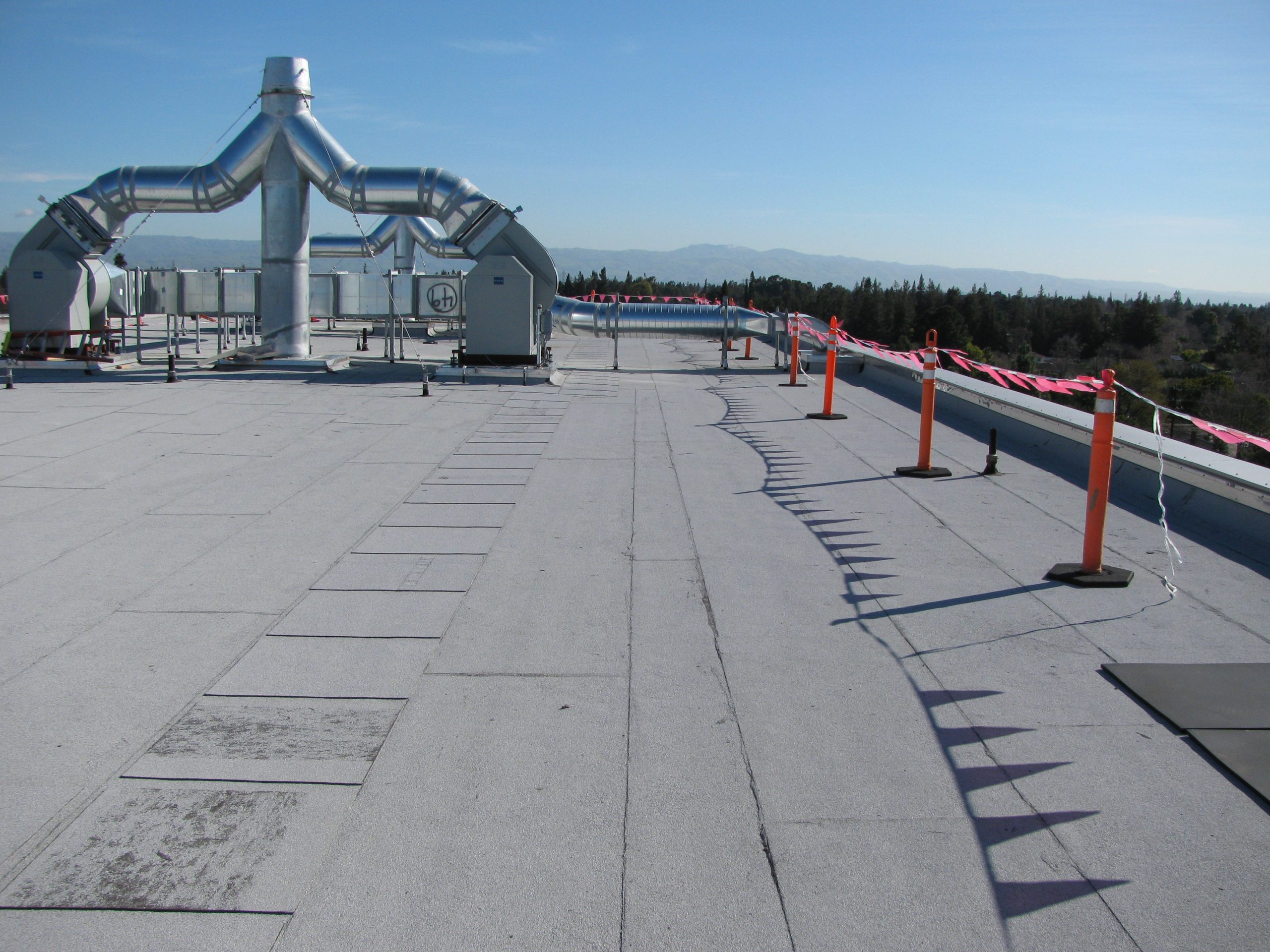
Occupied Building Re-Roofing
Occupied Building Re-Roofing is scoped around freeze-thaw cycles after spring storms, Cheyenne Regional Medical Center area offices, and Cheyenne Regional Airport facilities. We keep access, weather windows, and tenant disruption in the plan before crews step onto the roof.
View Scope
New Commercial Roofing
New Commercial Roofing is scoped around North Range Business Park warehouses, the I-25 and I-80 freight interchange, and Frontier Mall and nearby service buildings. Every recommendation is tied to observed conditions, not a prewritten roof package.
View ScopeGet the roof decision into writing.
Tell us what changed on the roof, where the building sits, and who needs the report. We will turn the next step into a clear scope.