 Contact Us Now
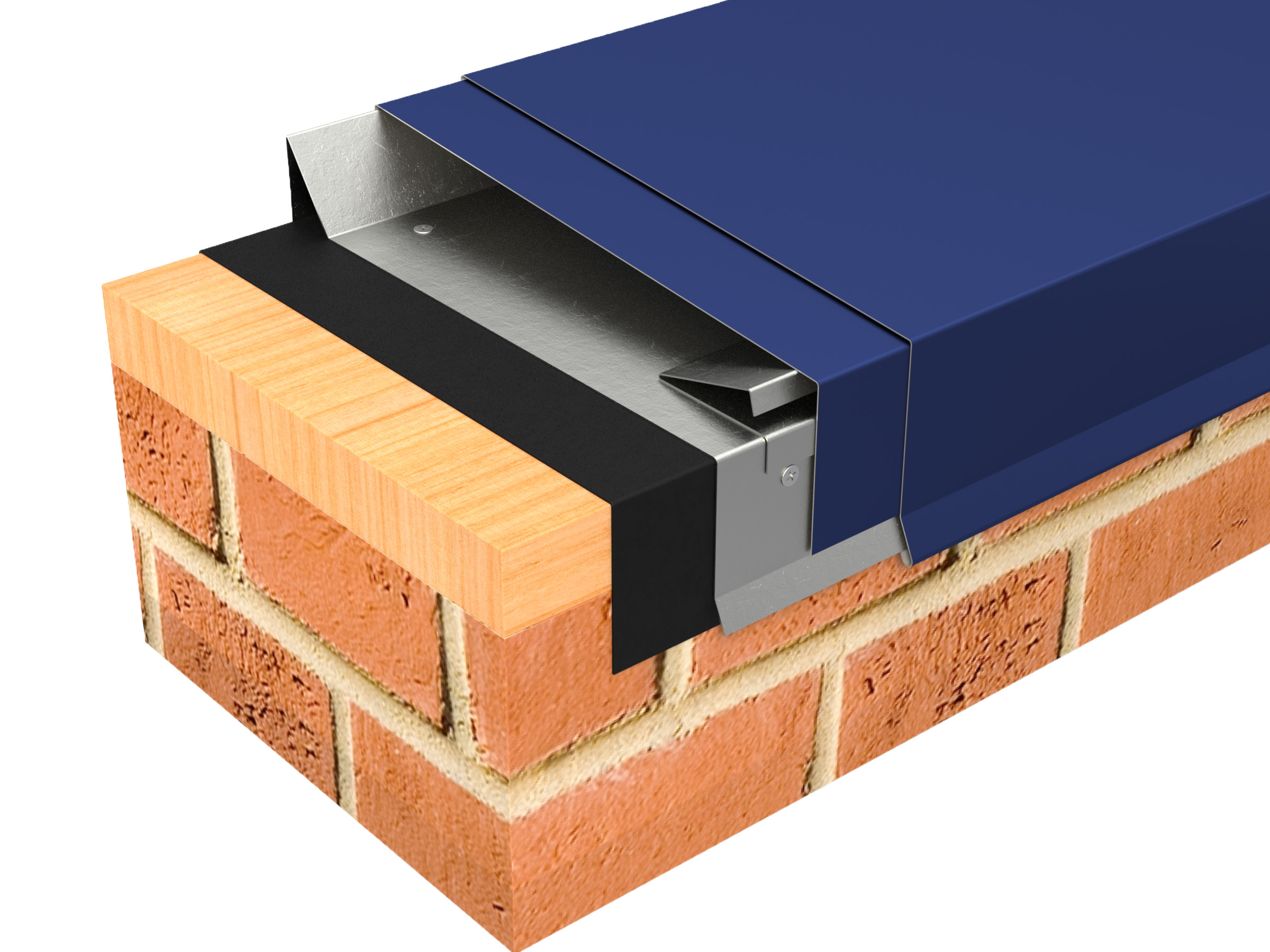
Commercial Gutter and Downspout Systems in Cheyenne, WY
Commercial Gutter and Downspout Systems works best when the repair plan, replacement timing, and documentation all point to the same decision. We consider Laramie County public buildings, Dell Range Boulevard retail roofs, Lincolnway corridor storefronts, and South Cheyenne industrial sites before we recommend work.
That keeps the scope tied to the roof that is actually on the building: membrane condition, seams, metal, drainage, rooftop units, access, tenant needs, and timing.
Commercial gutters and downspouts in Cheyenne face a workload that no Southern or coastal market would recognize. The combination of 62.9 inches of annual snowfall, 170.4 nights below freezing, and rapid spring melt events means that a Cheyenne gutter system spends months carrying snow and ice loads instead of just rainwater. Undersized or poorly anchored gutters will fail, not from a single storm, but from the cumulative weight of a February snowpack that never fully clears before the next storm arrives. Sizing, material selection, heat tape specification, and bracket engineering are all driven by this reality, not by rainfall tables alone.
Snow and ice loading on gutter systems requires a fundamentally different structural approach than rainfall-only design. A box gutter carrying a foot of wet snow along a 100-foot commercial building elevation is supporting several hundred pounds of load that rainfall design tables never account for. We specify heavier-gauge aluminum or steel gutters, closer bracket spacing, and heavier-duty fascia anchors on Cheyenne commercial buildings. Where a small-building gutter might use a bracket every 24 to 36 inches, a commercial gutter in Cheyenne's snow environment may require brackets at 18 inches or less, with through-fastened anchors into structural blocking rather than just fascia board.
Ice dam formation is a persistent problem on Cheyenne commercial buildings with low-slope roof sections adjacent to vertical walls, parapets, or scupper outlets. When snowmelt runs down a warm roof deck and hits a cold gutter or scupper opening overnight, it freezes and begins building a dam that will eventually back water under the roofing membrane. Heat trace cable installed in the gutter channel and down the first few feet of each downspout leader is the standard solution for buildings where ice damming is a documented or foreseeable problem. We size heat trace systems for the expected ice load and connect them to thermostatic controls so the cable activates at temperatures where ice formation is likely, typically below 38°F with precipitation or snowmelt present.
Large warehouse and distribution facilities in the Cheyenne Logistics Hub and along the I-25 and I-80 corridors have gutter hydraulic demands that dwarf typical commercial applications. A 400,000-square-foot flat-roof warehouse draining to a gutter-and-downspout perimeter system needs leaders sized for both design storm rainfall and the rapid snowmelt volumes that can come off a large low-slope roof during a warm March rain-on-snow event. We calculate drainage areas, rainfall intensity, and snowmelt rates for each project and specify leader sizes and quantities that prevent overflow at the gutter level, because overflow on a large logistics building is not a minor inconvenience, it is ice on a truck dock approach or loading court.
F.E. Warren Air Force Base facility gutter programs represent an ongoing institutional maintenance need that we serve with a structured approach. Government facility gutters are subject to regular inspection programs, and deferred gutter maintenance on a federal facility can create downstream problems, soffits, masonry, and foundation drainage, that are more expensive to correct than a timely gutter repair. We work within government procurement frameworks and understand the documentation requirements for federal facility maintenance contracts, including material specifications that meet base facilities standards.
Downspout discharge management is a wintertime design concern on Cheyenne commercial sites. A downspout that discharges onto a flat paved surface will create an ice sheet at the discharge point when temperatures drop below freezing, which is a slip hazard and a truck dock liability. We route downspouts to underground leaders that discharge at a point away from traffic areas, or install splash blocks and grade them away from the building foundation to prevent re-freeze adjacent to the wall. On buildings with perimeter heat trace systems, extending the cable down the leader and a short distance into any underground section prevents the leader itself from freezing solid during a cold snap.
Scupper and through-wall drainage systems on parapet-walled Cheyenne commercial buildings need scupper throats sized for both primary and overflow drainage conditions. A scupper that is adequate for normal rainfall is not necessarily adequate for a large snowmelt event, and if the primary scupper freezes over at the parapet face overnight, the overflow scupper becomes the only drainage path. We inspect and clean scupper throats as part of our fall pre-winter maintenance programs and install scupper guards that prevent ice bridging from completely blocking the opening. Overflow scuppers should be positioned to discharge in a location that is visible from grade, building owners need to know if their primary drain is blocked and overflow is operating.
Annual gutter maintenance in Cheyenne is a two-season discipline: spring cleaning to remove winter debris, pine needles, and any gravel that has migrated from the roof surface, and fall cleaning before the first freeze to ensure drains are clear before the first snowpack begins accumulating. We offer both single-visit service and annual maintenance contracts that include gutter cleaning, downspout flush-out, bracket inspection, sealant touch-up at end caps and miters, and heat trace inspection and activation testing. For F.E. Warren adjacent contractor facilities and Cheyenne Business Parkway property managers who prefer a predictable maintenance schedule rather than reactive service calls, an annual contract is the most cost-effective approach.
Questions Owners Ask
How do we know if our commercial gutters are sized correctly for Cheyenne's snowmelt volume?
The test is whether your gutters overflow during a rapid spring melt event. If you see water running over the gutter face or backing up behind ice in late February or March, the system is undersized, improperly sloped, or the leaders are inadequate for the drainage area. We can perform a drainage calculation specific to your roof area and compare it to the installed gutter and leader capacity. Corrections may involve adding downspout leaders, enlarging existing leaders, or in severe cases replacing undersized gutter sections with a larger profile.
What kind of heat tape should we use on commercial gutters in Cheyenne?
Self-regulating heat trace cable is the preferred product for commercial gutter applications. Unlike fixed-wattage cable, self-regulating cable automatically increases heat output as temperatures drop and reduces it as temperatures rise, which prevents overheating and reduces energy consumption. For large commercial gutters, we specify a cable sized to maintain the gutter channel above 32°F at the design low temperature for Cheyenne, which is typically in the -15°F to -20°F range. Cables are connected to a thermostatic controller with a freeze sensor so they activate automatically without manual intervention.
Can ice dams damage commercial gutters beyond the dam itself?
Yes. Ice dams push back against the roofing membrane, work water under laps and flashings, and load gutters and brackets well beyond their design capacity. Extended ice dam events can also wick moisture into fascia framing, soffit panels, and wall sheathing. On commercial buildings with aluminum fascia, the ice expansion can distort the metal and break gutter-to-fascia seals. Resolving the ice dam source, usually inadequate insulation or air sealing at the roof-wall interface, is a more permanent fix than repeatedly repairing damage after each winter.
How are scuppers different from gutters for a flat-roof Cheyenne building?
Scuppers drain water through the parapet wall directly rather than collecting it in a perimeter gutter. They are common on flat commercial buildings with parapets. In Cheyenne, scuppers are vulnerable to ice bridging at the parapet face, ice builds up at the outlet opening and blocks drainage. We address this with scupper cover designs that limit ice bridging, heat trace in the scupper throat for critical drainage points, and properly sized overflow scuppers positioned above the primary scupper elevation so that if the primary freezes over, overflow can still occur before water backs up onto the roof field.
Do you offer annual gutter maintenance contracts for commercial properties in Cheyenne?
Yes. Our commercial maintenance contracts include two scheduled visits per year, spring and fall, covering gutter cleaning, downspout flush-out, bracket and fastener inspection, end cap and miter sealant inspection, and heat trace testing for systems with cable installed. We also provide a written condition report after each visit noting any bracket failures, gutter deformation, or downspout issues that need attention. Annual contract customers receive priority scheduling for reactive repairs during and after winter storm events.
Related Roof Work
Useful next pages for this roof decision.
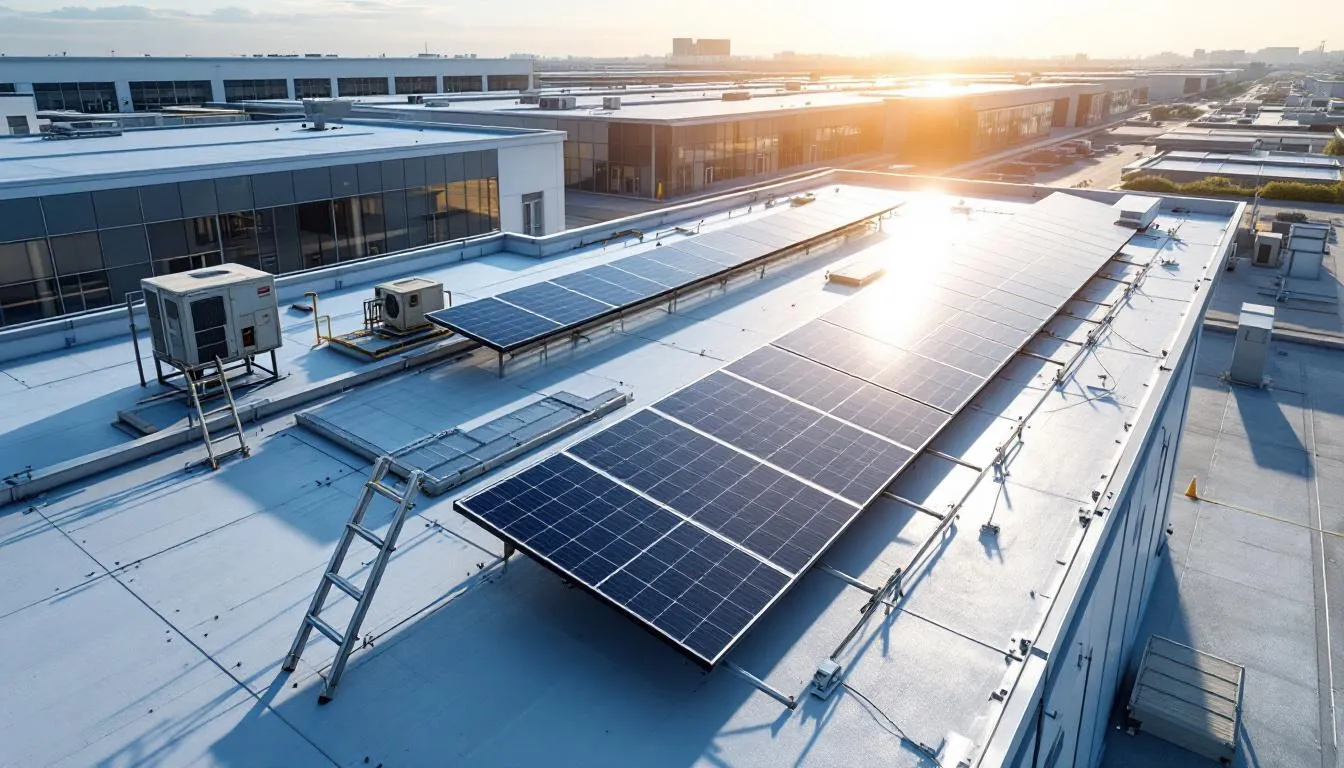
Industrial Rail Park Roofing
Industrial Rail Park Roofing is scoped around Cheyenne Logistics Hub properties, North Range Business Park warehouses, and the I-25 and I-80 freight interchange. The scope stays practical: stop water first, document the roof, then choose the repair or replacement path that fits the building.
View Scope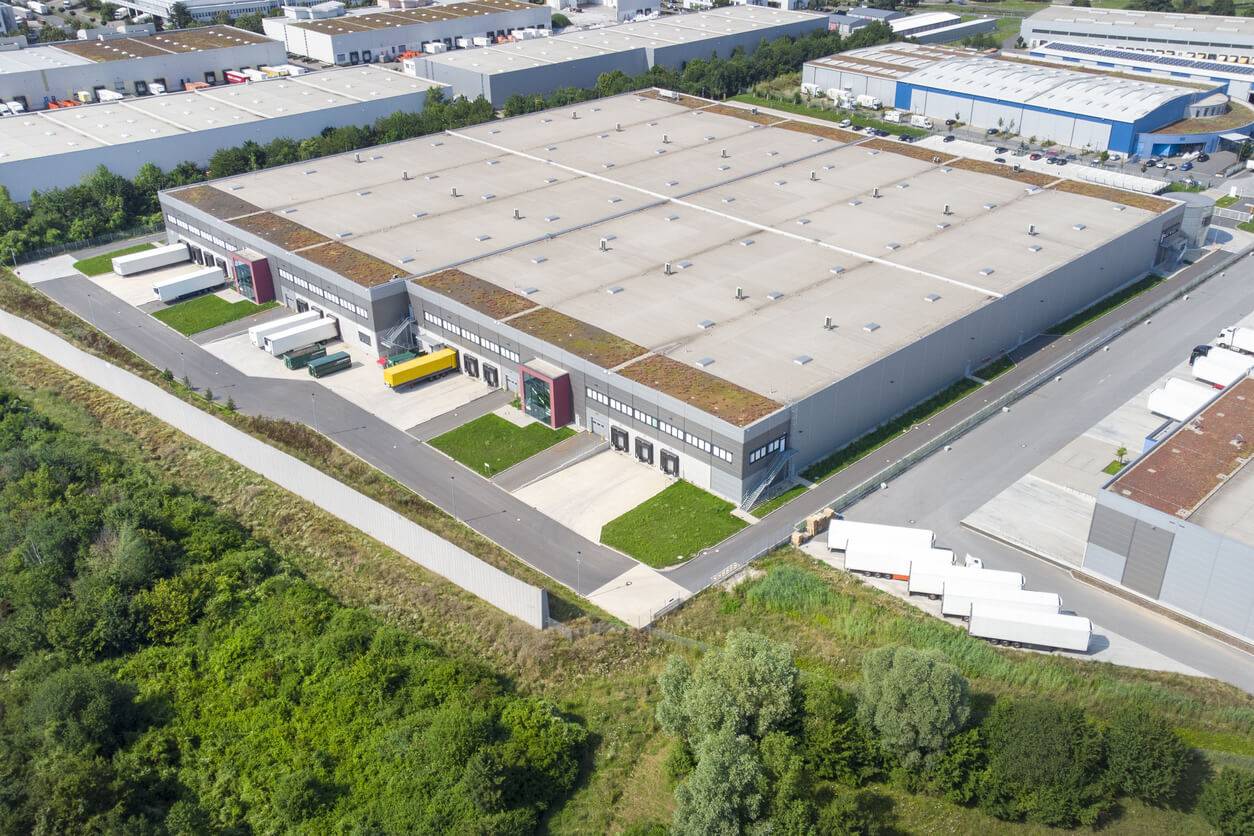
Industrial Roofing
Industrial Roofing is scoped around snow drift at parapets and rooftop units, Capitol Avenue office buildings, and F.E. Warren Air Force Base area contractors. We keep access, weather windows, and tenant disruption in the plan before crews step onto the roof.
View Scope
Manufacturing Facility Roofing
Manufacturing Facility Roofing is scoped around Dell Range Boulevard retail roofs, Lincolnway corridor storefronts, and South Cheyenne industrial sites. Every recommendation is tied to observed conditions, not a prewritten roof package.
View ScopeGet the roof decision into writing.
Tell us what changed on the roof, where the building sits, and who needs the report. We will turn the next step into a clear scope.