 Contact Us Now
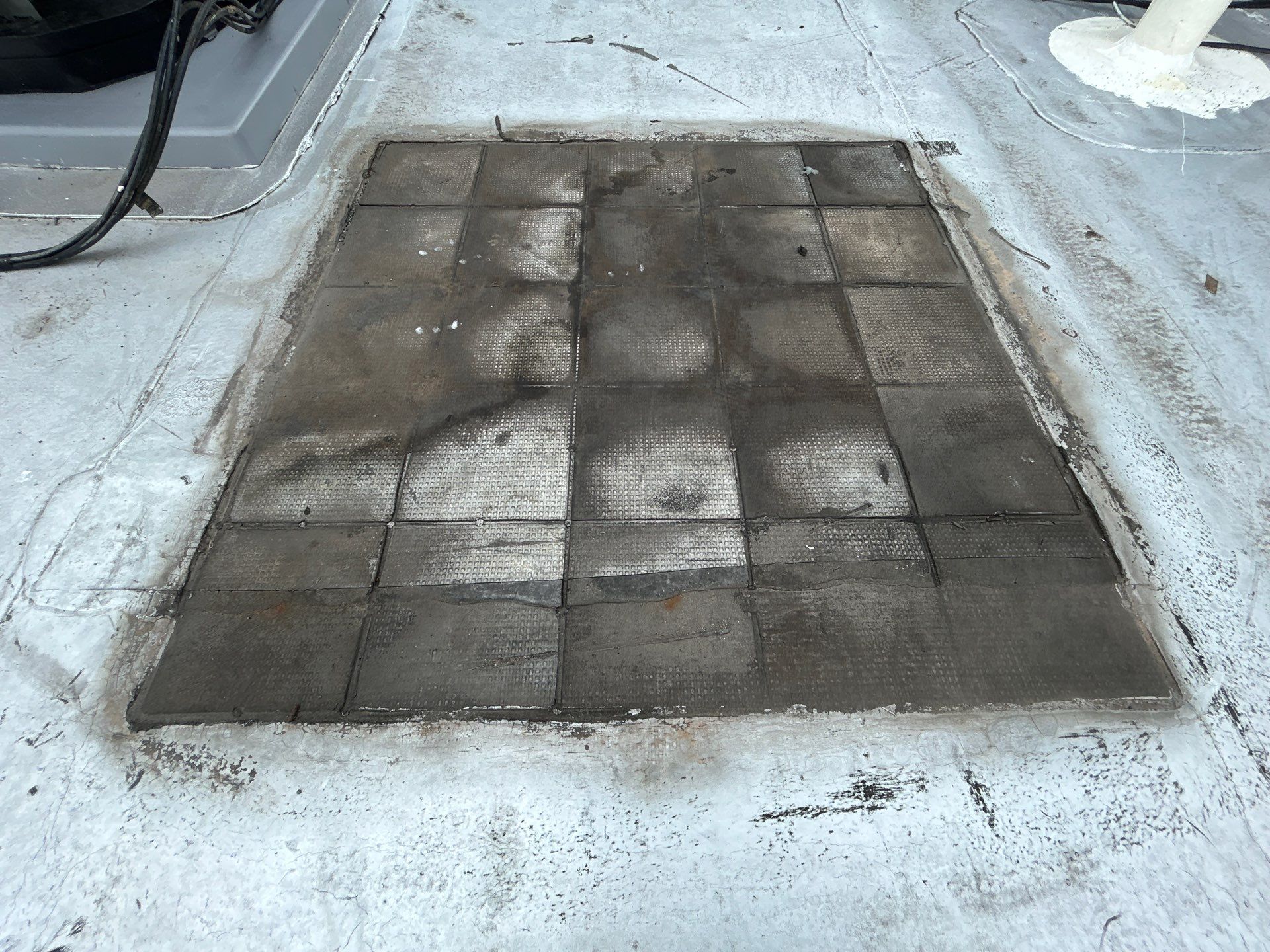
Roof Membrane Repair in Cheyenne, WY
Roof Membrane Repair is not useful until the roof condition, access plan, and weather risk are clear. We consider Lincolnway corridor storefronts, South Cheyenne industrial sites, Laramie County business parks, and Cheyenne Logistics Hub properties before we recommend work.
That keeps the scope tied to the roof that is actually on the building: membrane condition, seams, metal, drainage, rooftop units, access, tenant needs, and timing.
Commercial roof membrane repair in Cheyenne requires understanding how each membrane type responds to Wyoming's temperature extremes, freeze-thaw cycling, hail impact, and wind stress, because the damage patterns, repair methods, and long-term outcomes differ significantly across TPO, EPDM, and modified bitumen systems. A repair that is appropriate and durable on an EPDM membrane may be inadequate on a TPO system, and a repair scoped without understanding the underlying cause of failure will not prevent recurrence. Cheyenne's climate accelerates every membrane failure mechanism, which means repairs need to be done right the first time and sized to address the actual condition, not just the symptom.
TPO membrane repair in Cheyenne centers on seam integrity and thermal shrinkage management. Heat-welded TPO seams are the strongest part of a well-installed system, but Cheyenne's temperature cycling, from minus 20°F in January to 90°F-plus in July, subjects seams to thermal stress that can open improperly welded laps over time. A seam weld that was borderline at installation may hold for several years before a cold snap causes enough contraction to pull the lap open. TPO also exhibits thermal shrinkage over its service life, and in constrained areas, around penetrations, at corners, and along parapet walls, shrinkage-induced stress can cause membrane tenting or pull-away from flashings. TPO repairs require proper surface preparation, heat-welding with a calibrated tool at correct temperature, and seam testing on all new welds before the repair is considered complete.
EPDM membrane repair in Cheyenne benefits from the material's flexibility in cold temperatures, EPDM maintains elasticity at temperatures where TPO becomes more brittle, which is a meaningful advantage on Cheyenne roofs that see sustained subzero cold. However, EPDM repairs using splice tape and lap adhesive are temperature-sensitive in a different way: adhesive bond quality during cold-weather application is compromised below 40°F, and repairs made in cold conditions without proper preparation may debond in the first warm season. We use contact adhesive and lap sealants rated for cold application when EPDM repairs are needed during shoulder seasons, and we verify bond integrity by probe testing before closing up any repair area.
Modified bitumen membrane repair covers a range of conditions from surface granule loss and surface cracks to full-depth punctures and lap seam failures. Granule loss on mod-bit surfaces is common at hail impact points, foot traffic zones, and areas of ponding water, and it accelerates UV degradation at the exposed mat. Surface repairs on granule-surfaced mod-bit can restore UV protection at damaged areas without requiring full section replacement. Full-depth punctures and open lap seams on mod-bit systems require torch-applied or cold-applied patches that properly integrate with the existing plies, a patch that bonds to only the surface of a multi-ply system without properly adhering to each ply will delaminate under thermal cycling.
Fastener backout from freeze-thaw cycling is a specific repair issue on mechanically fastened membrane systems throughout Cheyenne's commercial building stock. As the deck, insulation, and membrane assembly cycles through thousands of freeze-thaw events over its service life, fasteners that penetrate through the insulation into the steel deck can gradually back out of the deck flute as the surrounding materials expand and contract at slightly different rates. A backed-out fastener creates a raised spot in the membrane where the fastener head pushes up against the membrane underside, visible as a small dome or bump on the membrane surface. These backed-out fasteners create stress concentration points that can lead to membrane tears, particularly during high-wind events when the uplifted membrane presses down against the raised fastener head. Identifying and addressing backed-out fasteners during membrane inspections prevents progressive membrane damage at these points.
Logistics Hub warehouse and Campstool industrial roof membrane repair scope often involves large sections where impact density from hail events, equipment movement, or contractor foot traffic during earlier HVAC or rooftop work has created multiple damage points across a broad area. When damage density exceeds a threshold, typically when more than 10 to 15 percent of a roof section has individual damage points requiring repair, section-by-section repair becomes less cost-effective than section replacement. We evaluate damage density as part of repair scoping on large industrial roofs and provide a cost comparison between repair and section replacement when the economics are close. This honest assessment prevents building owners from investing in extensive repairs on sections that will require replacement within a few years regardless.
Temporary membrane repairs need to be distinguished from permanent repairs in documentation and billing. A temporary repair, emergency sealant, a temporary patch applied in cold or wet conditions, stops water entry in the short term but does not restore the membrane to warranted or full-service condition. We document temporary and permanent repairs separately and include recommended permanent repair timelines for any temporary work performed. Temporary repairs that are left in place beyond their appropriate service window because permanent repair was never scheduled are a common cause of recurring leak calls and insurance claim complications. We follow up on temporary repairs to ensure they are converted to permanent repairs within the recommended window.
Membrane repair documentation should include before and after photographs, the specific repair method and materials used, and the dimensions of the repaired area. This documentation serves multiple purposes: it supports warranty compliance records for warranted systems, provides a condition history for capital planning purposes, and creates a record that helps identify patterns of recurrent failure at specific locations. A roof that has been patched at the same drain three times in four years has a drainage or structural problem at that drain that repair alone will not solve, the documentation record is what makes that pattern visible and actionable.
The decision between membrane repair and full restoration or replacement should be evaluated honestly at every significant repair event. A roof that requires more than two service calls per year for new membrane failures is likely in a failure pattern that repair cannot interrupt, the cumulative cost of continued repair will exceed the cost of restoration or replacement within a few years, and the building is exposed to water intrusion risk throughout that period. Cheyenne's climate is hard on membranes, and the honest service life of even a well-maintained commercial membrane in this environment is 20 to 25 years. Membranes in the 15-to-20-year range that are generating repeated repair calls should be evaluated for restoration or replacement rather than continued patch management.
Questions Owners Ask
How do I know if a membrane repair will last on my Cheyenne commercial building?
Repair durability depends on the repair method, the substrate condition, the ambient conditions during application, and whether the root cause of the failure was addressed. A properly executed repair using manufacturer-approved materials, applied to a clean and adequately prepared substrate under acceptable temperature and weather conditions, should last five to ten years in Cheyenne's climate. Repairs applied in cold or wet conditions, on contaminated substrates, or without addressing the underlying failure cause will have much shorter service lives. We provide honest estimates of expected repair durability based on these factors for each repair we perform.
What is the difference between a membrane repair and a roof restoration?
A membrane repair addresses specific identified damage points, punctures, open seams, hail bruises, fastener backout areas. A restoration applies a new coating or membrane layer over the entire existing roof system, extending service life by 10 to 15 years. Restoration is appropriate when the existing membrane has reached a stage of general deterioration where the number and distribution of damage points makes targeted repair uneconomical. Repair is appropriate when damage is localized and the general membrane condition is sound. The cost crossover point varies by system type and damage density, and we evaluate each roof individually rather than applying a blanket rule.
Can TPO membrane be repaired in cold weather in Cheyenne?
Heat-welded TPO repairs can be performed in cold weather with proper equipment adjustments, lower ambient temperatures require higher tool temperatures and slower travel speeds to achieve adequate seam weld width and bond strength. Most manufacturers specify minimum ambient temperatures for heat-welded work, typically around 35°F for the membrane surface temperature. Cold-applied TPO patches using peel-and-stick membrane products have lower temperature tolerances than hot-air welding. We do not perform TPO repairs in conditions that will compromise weld quality, and we verify weld integrity by probe testing on all repairs regardless of ambient conditions.
How can I tell if my warehouse roof in Campstool needs repair or replacement?
Key indicators that favor replacement over continued repair include: repair call frequency of more than twice per year for new damage; visible membrane shrinkage with consistent tenting at penetrations and flashings; multiple backed-out fastener areas across the roof field; moisture in the insulation detected by core cut or infrared scan; membrane age over 18 to 20 years; or a recent hail event with impact density over 30 percent of the roof area. If your building shows two or more of these indicators, a restoration or replacement evaluation is warranted. We provide this evaluation as a standalone assessment with a written recommendation and cost comparison.
Does my roofing warranty cover membrane repairs, or only original installation defects?
Most manufacturer NDL warranties cover manufacturing defects and installation failures within the warranted system, but not damage from third-party causes such as HVAC contractor work, hail impact, or maintenance-related punctures. Warranty coverage for membrane failures depends on whether the failure is attributable to a covered defect or an excluded cause. Storm damage and third-party-caused damage are typically covered by the building owner's property insurance rather than the roofing warranty. We can help you determine whether a specific failure is a warranty matter or an insurance matter, and we coordinate claims with the appropriate carrier in either case.
Related Roof Work
Useful next pages for this roof decision.
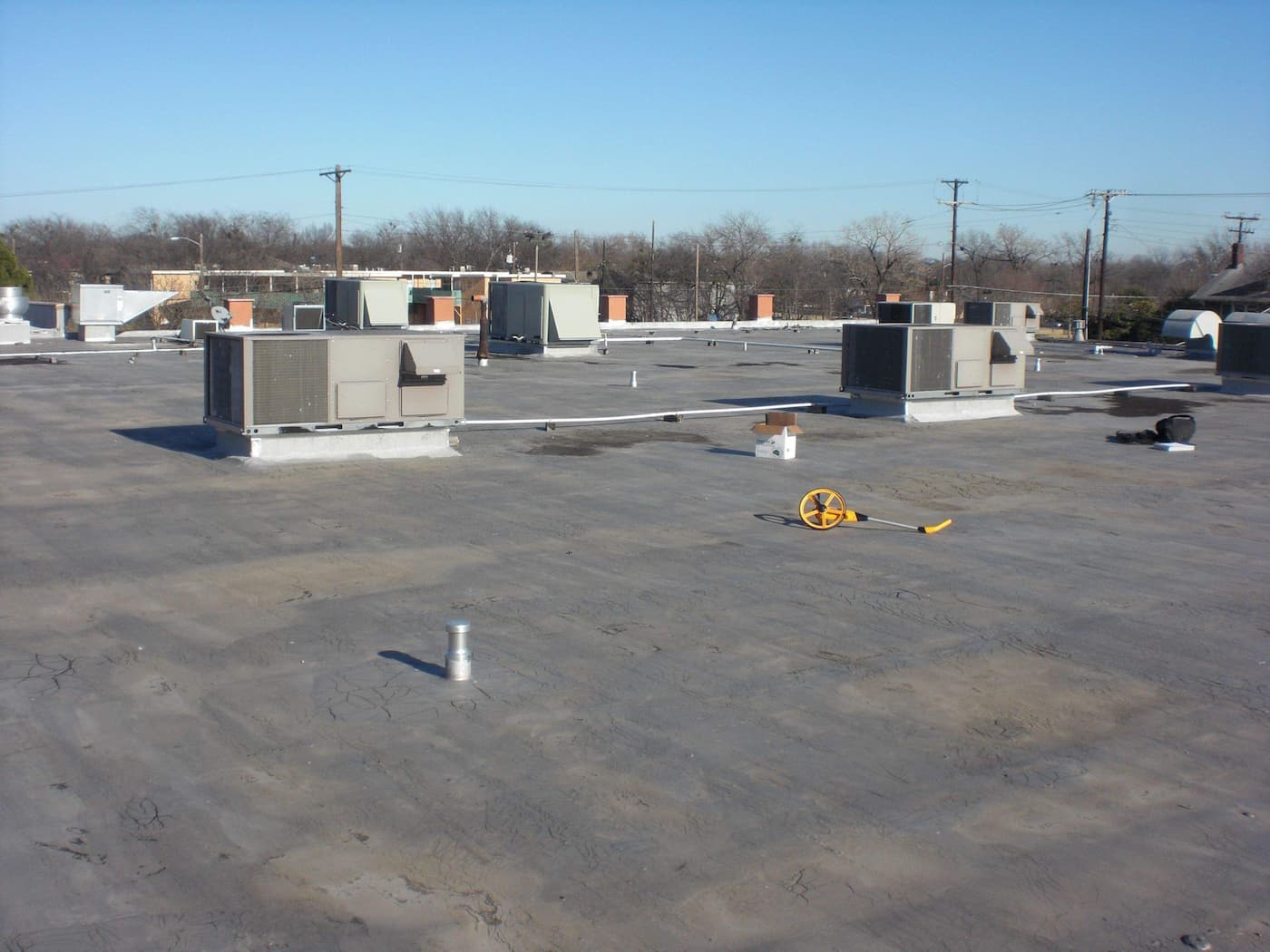
Hail Damage Roof Repair
Hail Damage Roof Repair is scoped around High Plains wind and hail exposure, Laramie County public buildings, and Dell Range Boulevard retail roofs. The scope stays practical: stop water first, document the roof, then choose the repair or replacement path that fits the building.
View Scope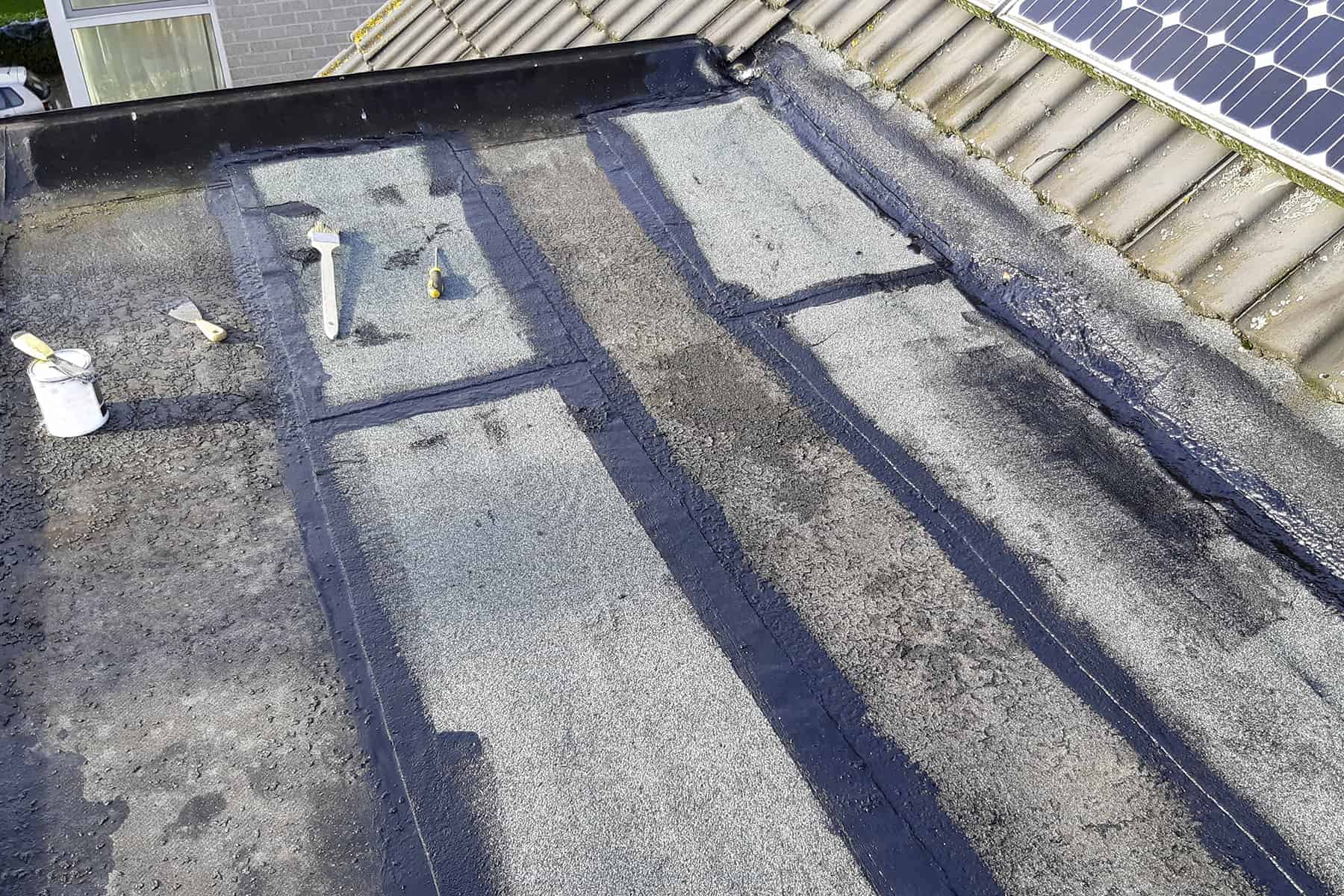
Flat Roof Repair
Flat Roof Repair is scoped around North Range Business Park warehouses, the I-25 and I-80 freight interchange, and Frontier Mall and nearby service buildings. We keep access, weather windows, and tenant disruption in the plan before crews step onto the roof.
View Scope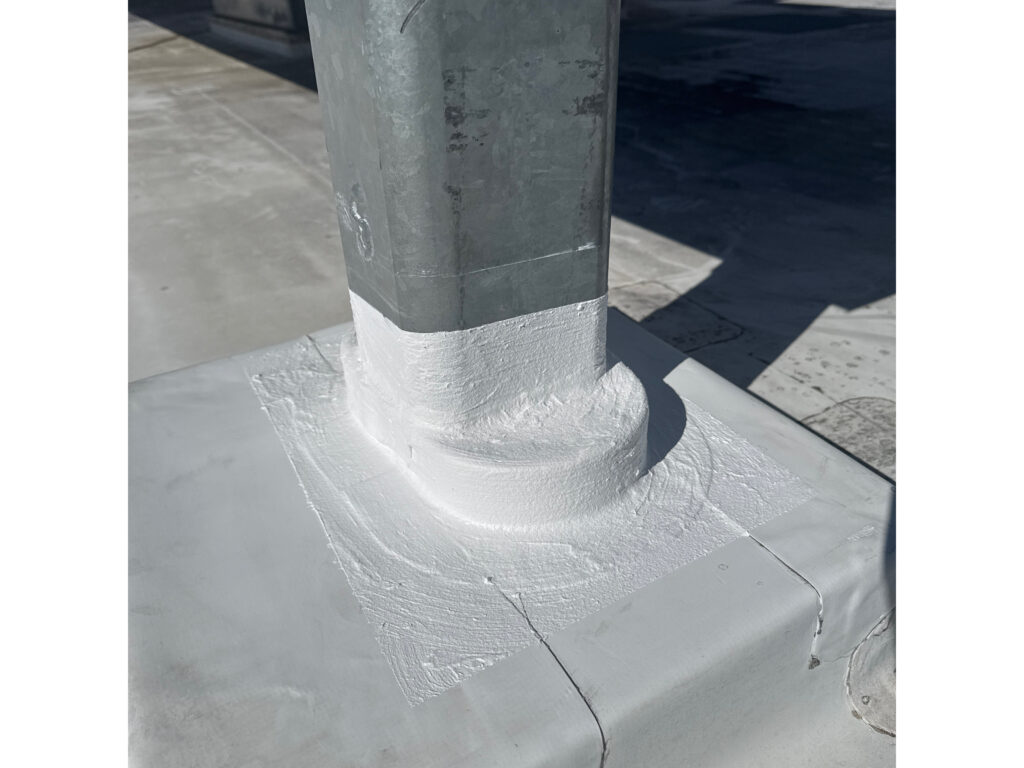
Roof Flashing Repair
Roof Flashing Repair is scoped around North Range Business Park warehouses, the I-25 and I-80 freight interchange, and Frontier Mall and nearby service buildings. Every recommendation is tied to observed conditions, not a prewritten roof package.
View ScopeGet the roof decision into writing.
Tell us what changed on the roof, where the building sits, and who needs the report. We will turn the next step into a clear scope.