 Contact Us Now
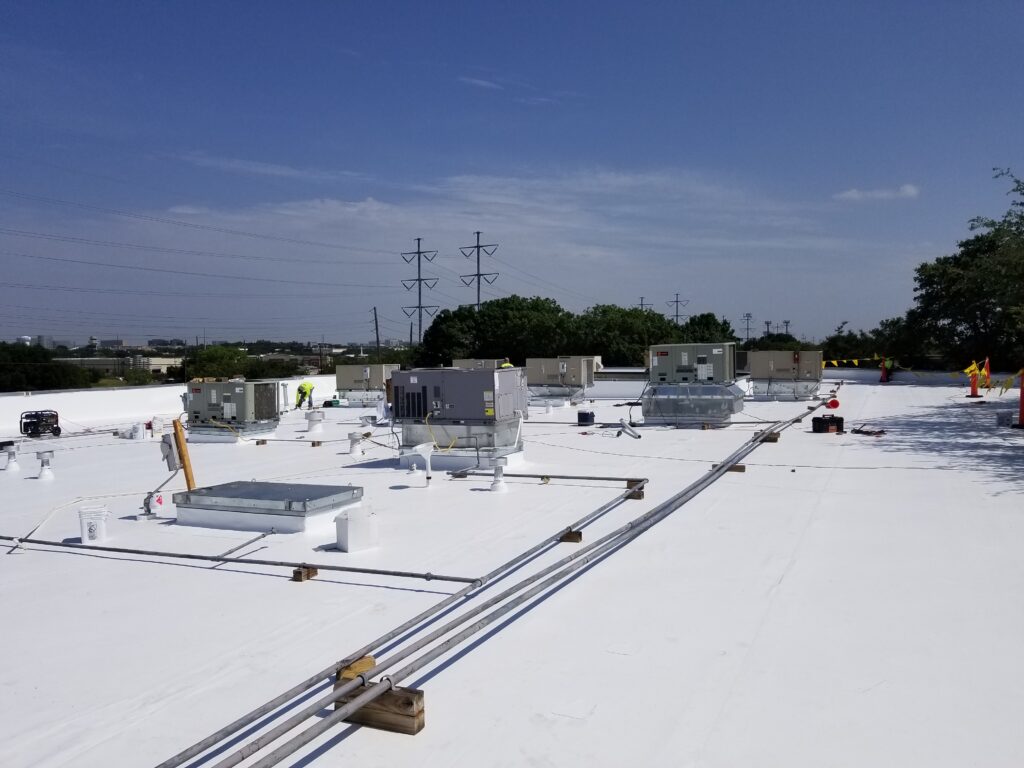
TPO Roofing in Cheyenne, WY
TPO Roofing works best when the repair plan, replacement timing, and documentation all point to the same decision. We consider Capitol Avenue office buildings, F.E. Warren Air Force Base area contractors, freeze-thaw cycles after spring storms, and Cheyenne Regional Medical Center area offices before we recommend work.
That keeps the scope tied to the roof that is actually on the building: membrane condition, seams, metal, drainage, rooftop units, access, tenant needs, and timing.
TPO roofing has become the dominant single-ply membrane system on Cheyenne commercial flat roofs, and its prevalence is justified by its combination of heat-welded seam strength, white reflective surface, and competitive installed cost. But TPO in Cheyenne must be specified and installed with an understanding of the climate factors that separate adequate performance from premature failure, factors that would not be concerns for the same installation in a moderate-climate market. Cheyenne's temperature range from minus 20°F in January to above 90°F in July imposes thermal cycling stress on the membrane and its seams that is among the most demanding in the continental US, and seam integrity under that stress is the defining performance characteristic of any TPO installation in this market.
Heat-welded seam integrity is the central performance question for TPO in Cheyenne's temperature-extreme climate. A properly heat-welded TPO seam creates a molecular bond between the two membrane plies that is stronger than the parent sheet, the weld zone should not be the failure point under any thermal or mechanical stress the installation will experience. The challenge is that proper welding requires a specific combination of tool temperature, travel speed, and membrane temperature that is harder to achieve consistently in Cheyenne's variable weather conditions than in a controlled environment. Cold mornings, wind, and afternoon temperature swings all affect weld quality in ways that require experienced operators who adjust tool settings in real time rather than using a single fixed setting through a variable weather day.
Seam quality verification through probe testing should be performed throughout installation on Cheyenne TPO projects, not just at project closeout. A probe test run along each seam immediately after welding identifies open or inadequate welds while the crew is still in position to repair them at minimal cost. Seam failures discovered at final inspection require larger repair patches and more labor than immediate corrections, and seam failures discovered after project closeout require emergency service calls during the following weather seasons. Our standard protocol on Cheyenne TPO projects requires probe testing of all seams on the day they are welded, with documented test results that become part of the project record.
The Cheyenne Logistics Hub and Business Parkway new construction represent the primary context for TPO on large new commercial flat roofs. Mechanically attached 60-mil white TPO on steel deck with polyiso insulation is the most common specification for new commercial and industrial buildings in these zones, and when properly designed and installed it delivers excellent service life. The specification details that matter most in Cheyenne's context are fastener density in wind uplift zones, particularly at corners and perimeters where ASCE 7 requires two to three times the field fastener spacing, and edge metal specification that meets FM 1-90 requirements for the wind zone. New construction TPO that saves money by reducing fastener counts or downgrading edge metal is accepting storm damage risk that will materialize within the building's first decade of service.
TPO membrane thermal shrinkage over service life is a Cheyenne-specific performance concern that manifests at penetrations, corners, and perimeter terminations. TPO membranes shrink slightly over their service life as plasticizers migrate from the sheet, a process accelerated by UV exposure and temperature cycling. On a Cheyenne roof that experiences hundreds of temperature cycles per year across a 110-degree range, this shrinkage occurs faster than in moderate climates. Shrinkage creates tension at constrained points, pipe penetrations, inside corners, and perimeter termination bars, that can pull the membrane from its termination detail or create stress cracks. Detailing that allows controlled movement at these points and that is inspected annually for developing stress conditions is the appropriate management approach for TPO shrinkage on Cheyenne commercial buildings.
Membrane thickness selection for Cheyenne TPO projects should default to 60-mil rather than 45-mil, and 80-mil should be evaluated for buildings with high hail exposure or heavy foot traffic. Forty-five-mil TPO, while code-compliant, does not provide adequate hail impact resistance for Cheyenne's large-stone hail events and is mechanically weaker at seam points under the thermal cycling stress of Wyoming's climate. The cost difference between 45-mil and 60-mil TPO on a commercial project is modest relative to total project cost and to the repair cost differential over a full service life. We specify 60-mil as standard on all Cheyenne commercial TPO projects and recommend 80-mil on buildings where hail impact or traffic loading history supports the upgrade.
White TPO's energy performance in Cheyenne's climate is worth understanding correctly. The reflective surface reduces summer cooling loads, which is a real benefit on commercial buildings with significant cooling demand. However, Cheyenne's climate is heating-dominated, more energy is consumed for heating than cooling over an annual cycle. A white reflective membrane that reduces summer cooling load also reduces winter solar heat gain, which increases heating load in the months when heating costs are highest. The net annual energy balance of white versus gray or granule-surfaced membranes is roughly neutral to slightly favorable for white in Cheyenne's climate, but the dramatic energy savings sometimes claimed for white roofing are appropriate for hot climates and should not be used as the primary justification for TPO specification in Wyoming.
TPO warranty terms from major manufacturers, Carlisle, Firestone, GAF, Johns Manville, and others, vary in coverage period, dollar limit structure, and maintenance requirements. NDL (no-dollar-limit) warranties are available at 15, 20, and 25-year terms on certified TPO installations. Warranty issuance requires manufacturer-certified applicator status, a manufacturer inspection at project completion, and compliance with installation specifications including membrane thickness, attachment pattern, seam quality, and flashing details. We maintain current manufacturer certifications and coordinate warranty inspections as a standard project deliverable, not an optional add-on. Building owners who receive a warranty certificate but no manufacturer inspection have a warranty document that may not be valid.
Re-roofing existing Cheyenne commercial buildings with TPO involves substrate assessment that goes beyond what new construction requires. Existing membrane removal, deck inspection, assessment of prior moisture infiltration, and energy code compliance for the new insulation assembly are all pre-installation steps that determine what the TPO installation will be built on. A well-installed TPO system over a compromised deck or wet insulation will perform poorly regardless of membrane quality. Our re-roofing assessments establish the full scope of substrate remediation needed before the new TPO system is installed, and we do not compress this assessment to reduce project cost, a substrate compromise that shortens the new roof's service life by five years costs far more in that shortened life than it saves in the assessment phase.
Questions Owners Ask
What is the expected service life of a TPO roof on a Cheyenne commercial building?
A properly installed 60-mil TPO system with biannual maintenance should deliver 20 to 25 years of service life in Cheyenne's climate. Factors that reduce actual service life below this range include: 45-mil membrane that is too thin for hail impact and thermal stress; inadequate seam quality at installation; deferred maintenance that allows small failures to progress; and drainage deficiencies that create chronic ponding and ice loading. The upper end of the service life range is achievable on Cheyenne buildings but requires quality installation and consistent maintenance, not one or the other.
How does Cheyenne's temperature range affect TPO seams over time?
The 110-degree temperature range Cheyenne experiences creates thermal cycling stress on TPO seams as the membrane expands and contracts repeatedly over its service life. Well-welded seams handle this stress without degradation, the molecular bond in a properly heat-welded TPO lap is designed to accommodate thermal movement. Poorly welded seams, those with insufficient weld width, inadequate bond depth, or voids from contamination, will open progressively as thermal cycling works the partially bonded area. Probe testing at installation and periodic re-inspection during maintenance visits are the quality controls that identify marginal seams before they become active leaks.
Is TPO appropriate for re-roofing an older Cheyenne commercial building, or only for new construction?
TPO is appropriate for both new construction and re-roofing on existing Cheyenne commercial buildings. The key considerations for re-roofing are substrate preparation, ensuring the deck is sound and dry before new insulation and membrane go down, and energy code compliance for the new insulation assembly. Many Cheyenne commercial buildings that are being re-roofed are on their second or third roof system, and TPO is a strong choice for the new assembly when the substrate can support it. The decision between TPO, EPDM, silicone restoration, and SPF on an existing building should be based on substrate condition, building geometry, and operational factors specific to each building.
What causes TPO membranes to fail prematurely in Cheyenne?
The most common causes of premature TPO failure in Cheyenne are: inadequate seam welds that open under thermal cycling; membrane shrinkage at penetrations and perimeter terminations that pulls flashings free; hail perforation on undersized (45-mil) membranes; fastener backout from freeze-thaw cycling that creates raised stress points under the membrane; and drainage problems that create chronic ponding and ice loading at low points. Most of these failure mechanisms are preventable through quality installation, adequate membrane thickness, and biannual maintenance, premature TPO failure in Cheyenne is rarely a material defect and almost always a combination of installation and maintenance shortfalls.
Do I need a permit to re-roof my Cheyenne commercial building with TPO?
Yes. Commercial roofing permits are required in Cheyenne and Laramie County for re-roofing projects, including projects that involve insulation upgrades subject to energy code review and structural work such as deck repair. We handle permit applications as part of our project scope and coordinate with the building department for required inspections. Permit fees are included in our project pricing and are not charged as a separate surprise at project closeout. Working without a permit on a commercial building creates insurance complications and potential issues at property sale, the permit and inspection record is a permanent part of the building file.
Related Roof Work
Useful next pages for this roof decision.
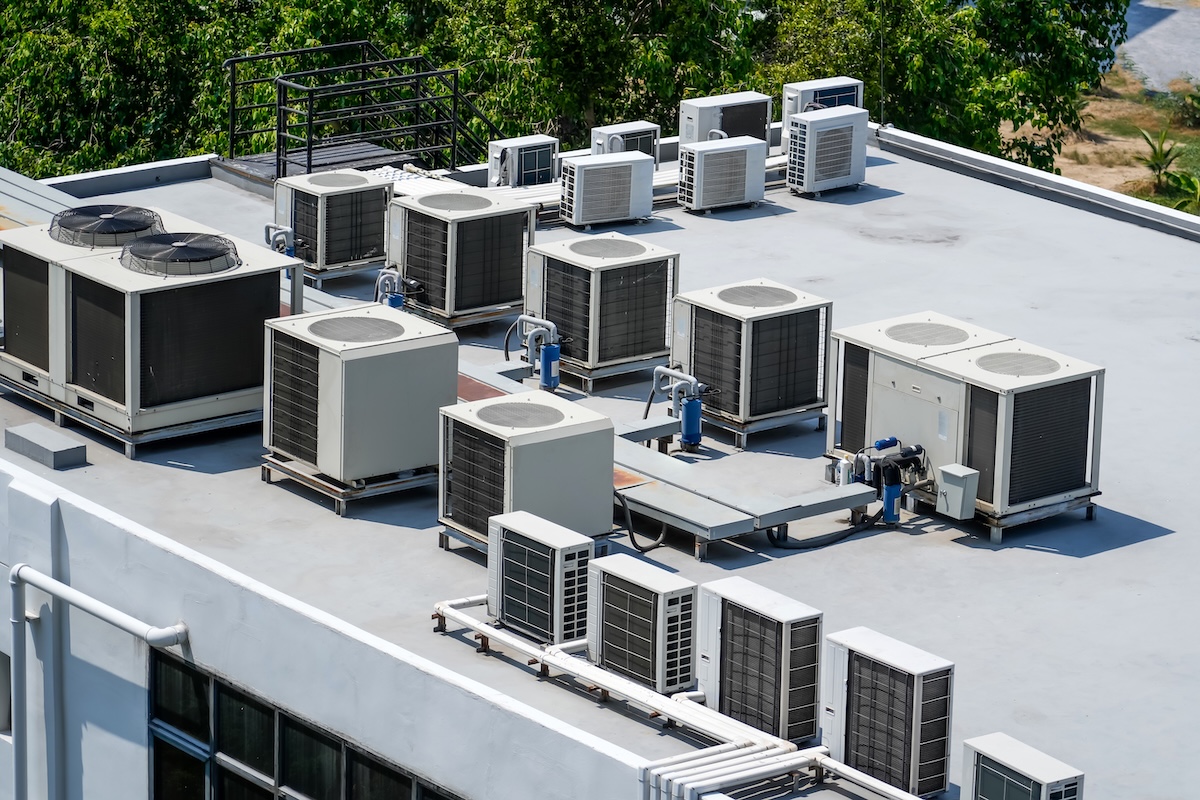
Office Building Roofing
Office Building Roofing is scoped around South Cheyenne industrial sites, Laramie County business parks, and Cheyenne Logistics Hub properties. The scope stays practical: stop water first, document the roof, then choose the repair or replacement path that fits the building.
View Scope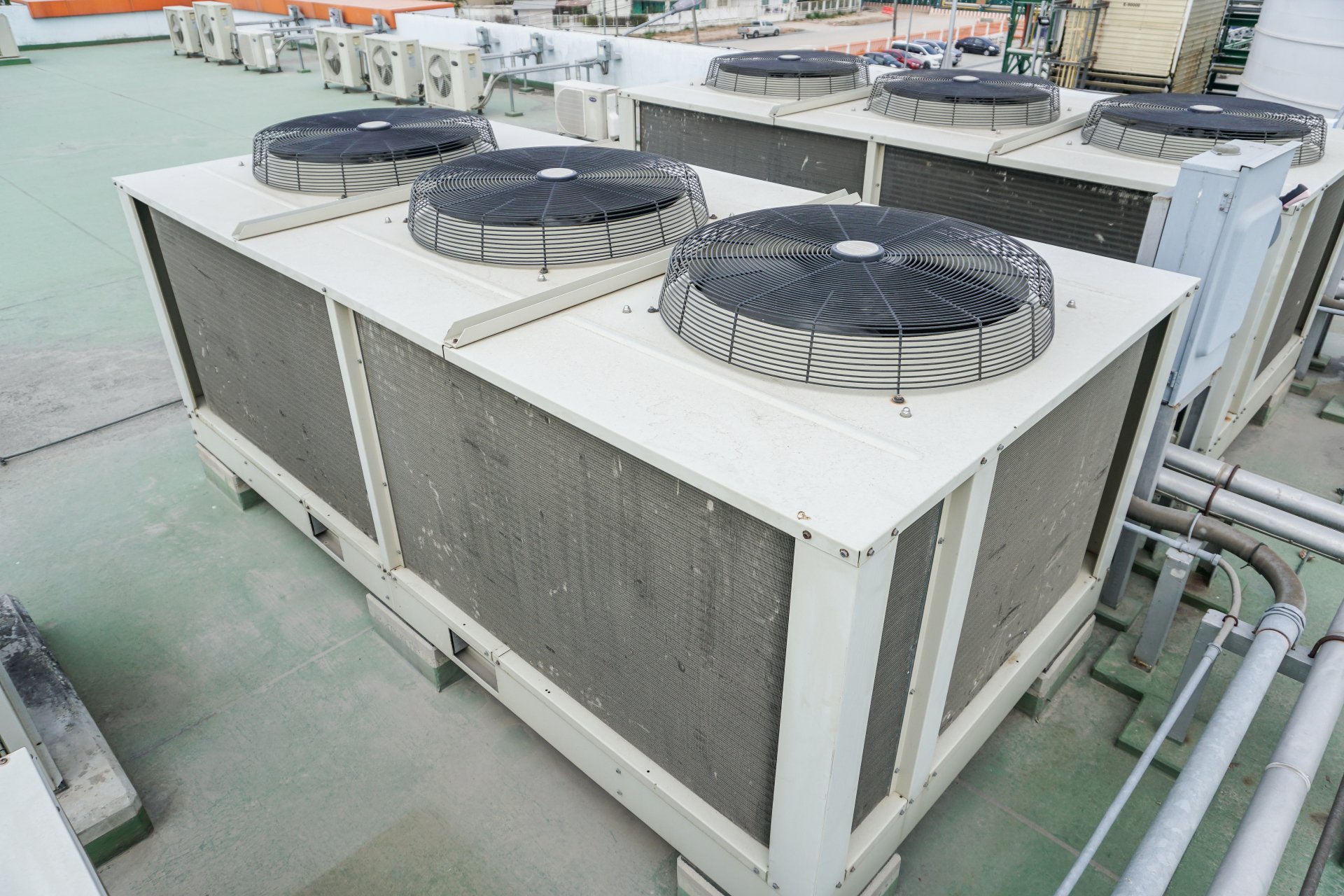
Restaurant and Food Service Building Roofing
Restaurant and Food Service Building Roofing is scoped around snow drift at parapets and rooftop units, Capitol Avenue office buildings, and F.E. Warren Air Force Base area contractors. We keep access, weather windows, and tenant disruption in the plan before crews step onto the roof.
View Scope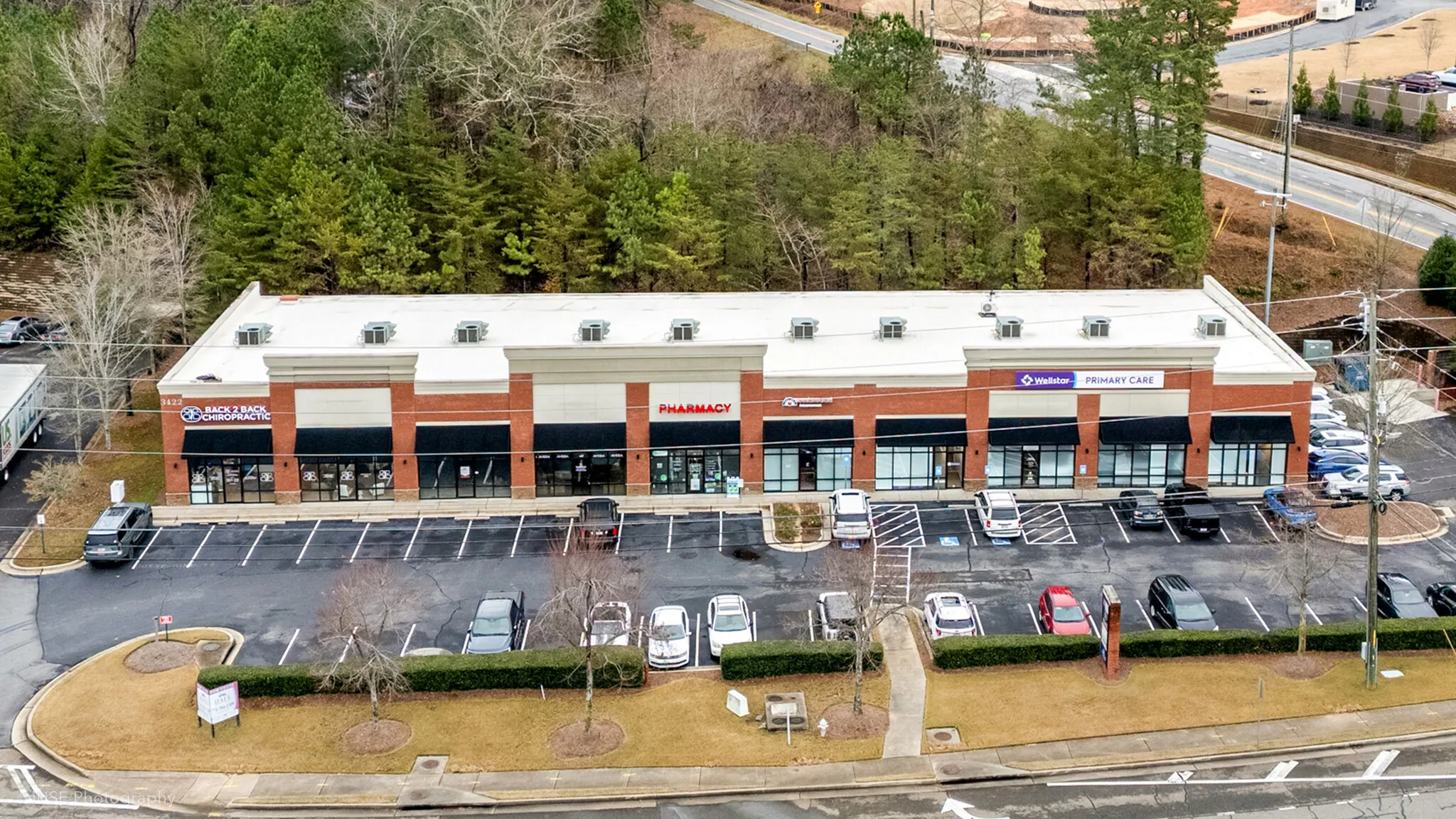
Retail and Shopping Center Roofing
Retail and Shopping Center Roofing is scoped around Capitol Avenue office buildings, F.E. Warren Air Force Base area contractors, and freeze-thaw cycles after spring storms. Every recommendation is tied to observed conditions, not a prewritten roof package.
View ScopeGet the roof decision into writing.
Tell us what changed on the roof, where the building sits, and who needs the report. We will turn the next step into a clear scope.