 Contact Us Now
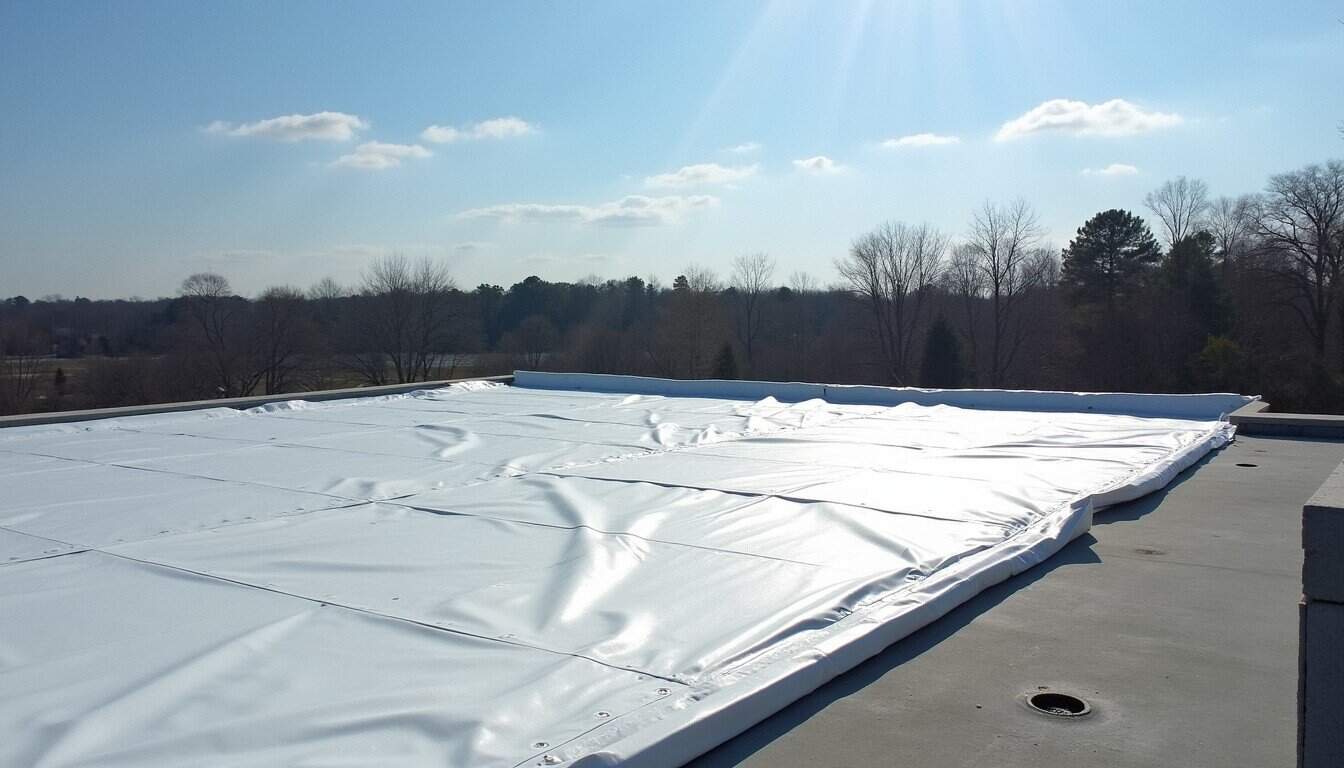
Storm Damage Roof Repair in Cheyenne, WY
A roof scope for Storm Damage Roof Repair has to start with what the building is doing today. We consider Laramie County business parks, Cheyenne Logistics Hub properties, North Range Business Park warehouses, and the I-25 and I-80 freight interchange before we recommend work.
That keeps the scope tied to the roof that is actually on the building: membrane condition, seams, metal, drainage, rooftop units, access, tenant needs, and timing.
Wyoming's commercial market concentrates in Cheyenne and Casper, with the I-80 commercial corridor, the Warren AFB support service ring, the College Drive and Dell Range commercial belts, and the Casper Events Center district. Storm damage documentation and insurance claim roofing in this market requires a contractor who can produce GPS-tagged hail impact maps, wind damage assessments, and supplemental claim documentation in the format that commercial property adjusters use, not just a repair estimate, but the evidence package that documents the claim at full scope.
Cheyenne's storm calendar is more varied and demanding than most US cities of comparable size. Three distinct storm types produce commercial roof damage across different seasons, each with its own damage signature, response timeline, and insurance documentation requirements. Spring hail events from April through June bring the large-stone impacts that bruise and perforate membranes across wide roof areas. Summer convective cells in July and August produce straight-line winds alongside additional hail events, the wind damage from these storms concentrates at roof edges and corners while hail damage distributes across the field. And winter blizzard events in December and January, while less frequent, can generate extreme wind-driven snow loads and edge metal failures on buildings that have been stressed by the accumulated cold season. Understanding which storm type caused which damage is essential for proper repair scoping and insurance claim management.
Spring hail damage on Cheyenne commercial roofs follows predictable patterns that experienced inspectors can document and repair systematically. Membrane bruising and perforation from stones two inches and larger concentrate in the field membrane but also affect flashings, edge metal, skylights, and HVAC equipment. The inspection and documentation approach must cover all of these components, not just the membrane, because each represents a separate repair scope and each should be included in an insurance claim. Spring hail repair schedules are compressed by the need to address perforations before summer UV accelerates membrane degradation at impact points and before the following fall's freeze-thaw season converts bruised areas into full failures.
Summer convective straight-line winds in Cheyenne can reach 60 to 80 mph in severe thunderstorm events, producing edge metal blow-offs, membrane corner failures, and equipment displacement that are distinct from hail damage patterns. A July thunderstorm wind event may leave the membrane field intact while removing sections of fascia, displacing coping cap, and lifting the perimeter membrane at corners where uplift pressure was highest. Repair scope for wind events focuses on edge metal replacement, perimeter membrane re-termination, and assessment of the fastening system throughout the perimeter zone for pull-through or backed-out anchors that the wind event stressed but did not yet fail. Edge metal blown off in a July wind event was typically undersized for Cheyenne's wind zone to begin with, replacement is an opportunity to upgrade to compliant specification.
The I-80 corridor exposure is a specific storm damage risk factor for commercial buildings along Cheyenne's east-west transportation spine. The open terrain along I-80 between Cheyenne and Laramie provides minimal wind obstruction, and buildings adjacent to the corridor experience some of the highest wind exposures in the Cheyenne metro area. Port-of-entry facilities, truck stops, and logistics buildings along the I-80 corridor have documented higher rates of wind-driven storm damage than buildings in more sheltered locations, edge metal failures, membrane blow-offs, and sign structure damage are recurrent issues at these exposed sites. We factor I-80 corridor exposure into both repair specifications and future replacement specifications when working on these buildings.
Downtown Cheyenne building storm damage has characteristics shaped by the building stock, masonry construction, parapet walls, and older flashing details that are more vulnerable to large hail and sustained wind than modern construction. Historic downtown buildings may have slate or tile elements, ornamental metal, and original lead or copper flashings that require materials-compatible repair approaches rather than standard commercial roofing materials. When storm damage affects historically significant buildings in downtown Cheyenne, we provide repair specifications that use compatible materials and maintain the character of the original construction rather than defaulting to modern substitutes that alter the building's appearance or create galvanic incompatibility with original metal elements.
Blizzard damage on Cheyenne commercial buildings in December and January is less common than spring and summer storm damage but can be more structurally consequential. Blizzard winds combined with heavy wet snow create simultaneous wind uplift and snow load conditions that stress roofing systems at their maximum. Edge metal that survives routine wind events may fail when wind uplift combines with the additional dead load of wet snow on the membrane. Roof deck sections that are marginal for snow load alone may approach failure when wind-induced drift accumulation adds to the flat roof load. Post-blizzard inspections on Cheyenne commercial buildings should assess both storm damage to the membrane and edge system and the structural adequacy of the deck under the actual snow load that accumulated during the event.
Insurance claim management after storm damage is a significant part of commercial storm repair work in Cheyenne. We provide complete pre-repair documentation, photographs, written damage narrative, component-by-component damage assessment, formatted for insurance adjuster review. We attend adjuster site visits to walk roofs jointly and ensure that all damage is included in the initial estimate rather than requiring supplements. When adjuster estimates are inadequate, a common occurrence when adjusters are processing many claims simultaneously after a regional event, we provide supplemental documentation and work with the building owner's public adjuster or attorney when the gap is significant. Our goal is to ensure that insurance proceeds accurately reflect actual documented damage, not to inflate claims, but to ensure legitimate damage is not overlooked.
Temporary protection after storm damage in Cheyenne requires materials and methods appropriate for subsequent weather conditions. A temporary repair installed in June must survive another potential hail event, sustained high winds, and the onset of fall before permanent repair can be completed. We use commercial-grade temporary protection products rather than consumer-grade tarps, and we install temporary repairs with mechanical attachment rather than relying on adhesive alone in Cheyenne's wind environment. Temporary repairs that blow off in the next windstorm, a common failure of improperly attached temporary covers, leave the building more exposed than before and create additional damage that complicates the original insurance claim.
Cheyenne commercial building owners should maintain storm damage response contacts before storm season arrives, not after. Knowing which contractor you will call, having their contact information, and having already had a baseline inspection that documents pre-storm conditions puts you in a far stronger position after a storm than starting from scratch when you are one of hundreds of buildings in the area simultaneously seeking roofing services. Pre-existing maintenance relationships with documented condition history also make insurance claims easier to process, the pre-storm baseline is already documented, which makes the cause-and-effect relationship between the storm and observed damage clear and defensible.
Questions Owners Ask
What are the most common types of storm damage on Cheyenne commercial roofs?
In order of frequency: hail membrane bruising and perforation (spring events), edge metal blow-offs and membrane corner failures (summer convective wind events), flashing separations accelerated by storm stress, skylight and equipment damage from large hail, and winter blizzard-related drift load and edge damage. Each damage type has a distinct inspection and repair approach, and a thorough post-storm assessment covers all categories rather than focusing only on the most obvious damage.
How quickly should I file an insurance claim after storm damage to my Cheyenne commercial building?
As quickly as possible, most commercial property policies require timely reporting of damage, and delays can affect claim eligibility. We recommend contacting your insurance carrier within 48 to 72 hours of a storm event, even if the full damage extent has not been assessed. You can supplement the initial report with detailed documentation as the assessment is completed. Early filing establishes the event connection for the claim and starts the adjuster scheduling process, which can take one to three weeks during high-demand post-storm periods.
My building is on the I-80 corridor and seems to get more wind damage than buildings elsewhere in Cheyenne. Why?
The open terrain along the I-80 corridor provides minimal wind obstruction, placing buildings in Exposure Category C or D under ASCE 7, the highest wind load design categories for non-coastal sites. Buildings in this exposure experience higher design wind pressures than those in more sheltered urban areas. If your building was designed or last re-roofed to a less demanding exposure category than its actual location warrants, it is systematically underbuilt for the winds it actually experiences. An exposure category review and wind load compliance assessment is warranted for any I-80 corridor building with recurring wind damage history.
Can I wait until spring to repair winter blizzard damage to my Cheyenne commercial roof?
It depends on the nature and extent of the damage. Active perforations and open flashing separations that are allowing water entry cannot safely wait through a Cheyenne winter, water that enters the assembly will freeze, expand, and cause progressive structural damage to insulation and decking. Edge metal that has been displaced and is at risk of further blow-off in subsequent wind events should be secured immediately. Cosmetic damage or damage to components that are not allowing water entry may be safely deferred to spring with appropriate monitoring. We assess blizzard damage with specific attention to whether winter deferral is safe for each damage component.
How do I document storm damage on my commercial building for insurance purposes?
Start with interior photographs showing any water staining, active leaks, or ceiling damage, these document the impact of the storm on the protected space. Do not access the roof yourself unless you are trained and equipped for safe roof access in post-storm conditions. Call us for a professional exterior assessment that includes photographs of the roof surface, edge metal, flashings, and any equipment damage, a written damage narrative, and component-specific damage documentation formatted for adjuster review. Time-stamp all documentation and preserve it without alteration, insurance claims documentation should reflect conditions as found, not as cleaned up or partially repaired.
Related Roof Work
Useful next pages for this roof decision.
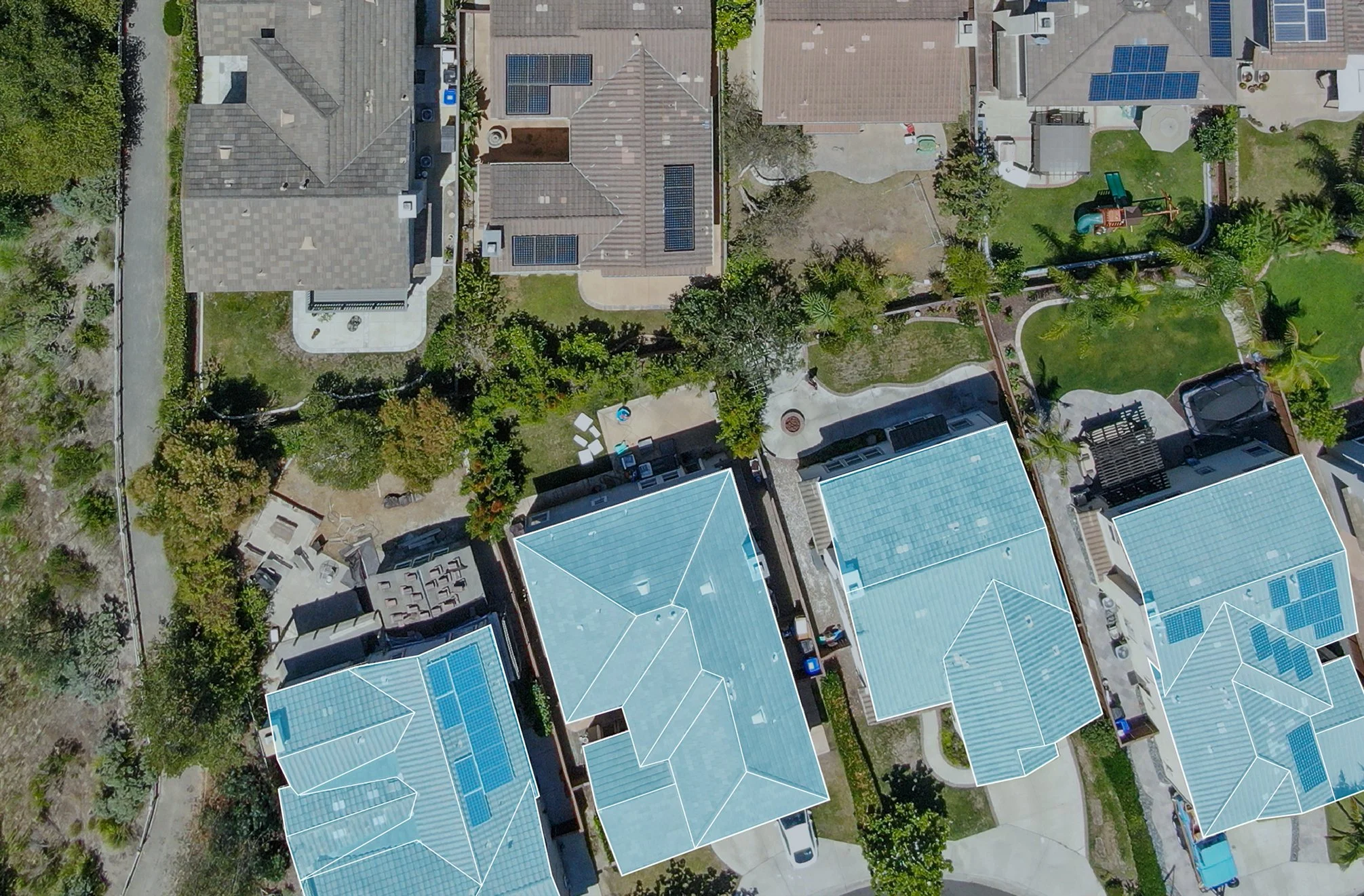
Commercial Roof Asset Management
Commercial Roof Asset Management is scoped around the I-25 and I-80 freight interchange, Frontier Mall and nearby service buildings, and snow drift at parapets and rooftop units. The scope stays practical: stop water first, document the roof, then choose the repair or replacement path that fits the building.
View Scope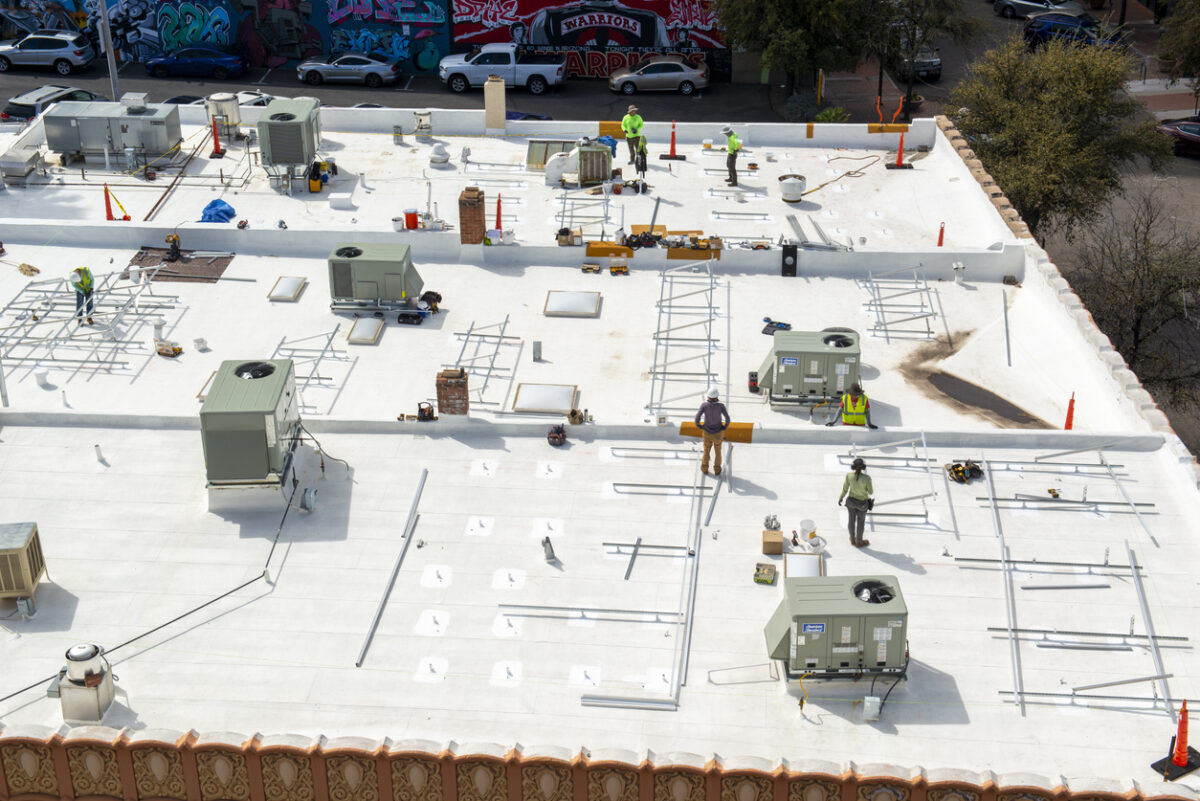
Commercial Roof Claims
Commercial Roof Claims is scoped around Cheyenne Regional Airport facilities, High Plains wind and hail exposure, and Laramie County public buildings. We keep access, weather windows, and tenant disruption in the plan before crews step onto the roof.
View Scope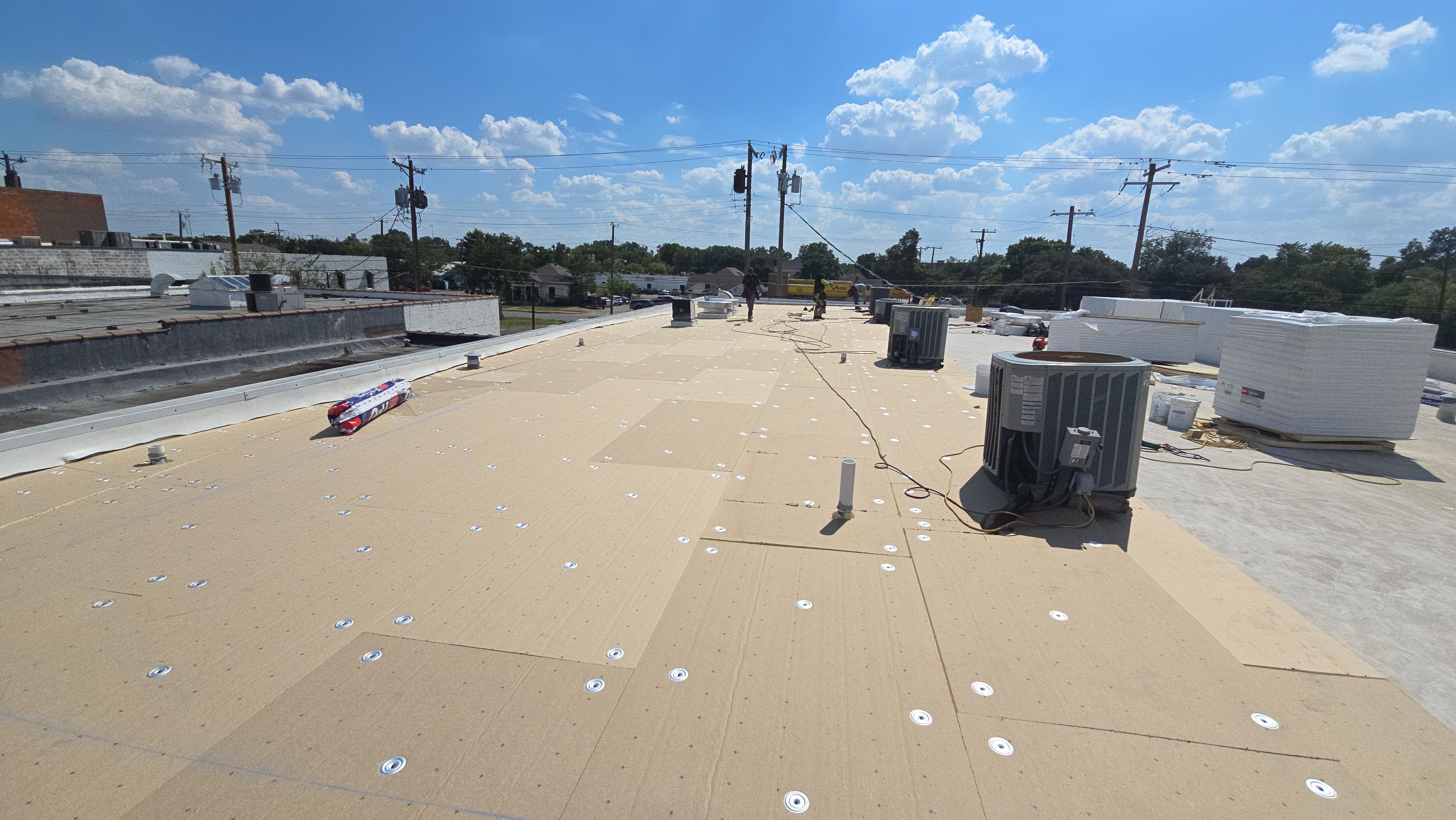
Commercial Roof Installation
Commercial Roof Installation is scoped around South Cheyenne industrial sites, Laramie County business parks, and Cheyenne Logistics Hub properties. Every recommendation is tied to observed conditions, not a prewritten roof package.
View ScopeGet the roof decision into writing.
Tell us what changed on the roof, where the building sits, and who needs the report. We will turn the next step into a clear scope.