 Contact Us Now
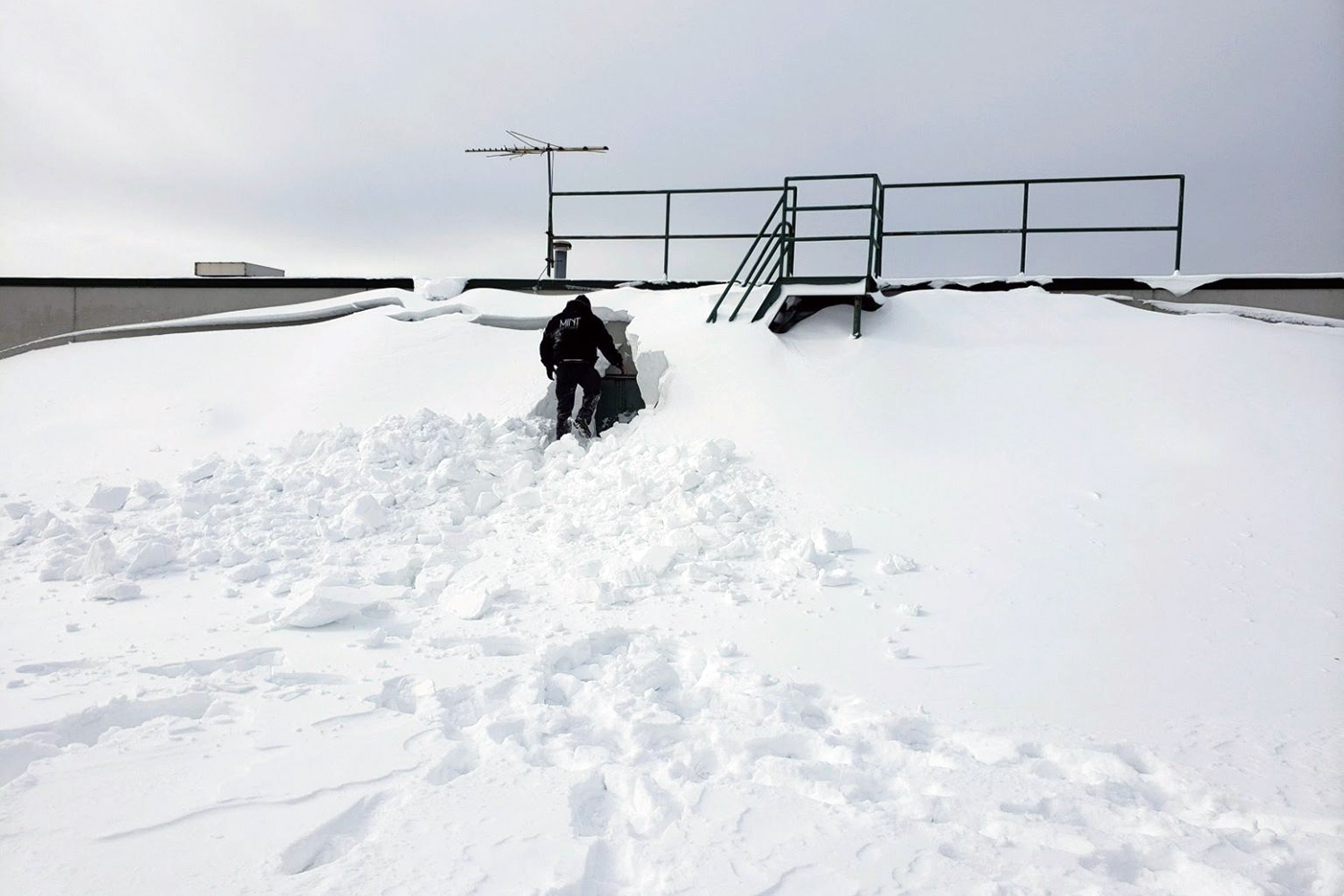
Roof Snow Retention and Metal Trim in Cheyenne, WY
Roof Snow Retention and Metal Trim is not useful until the roof condition, access plan, and weather risk are clear. We consider Laramie County business parks, Cheyenne Logistics Hub properties, North Range Business Park warehouses, and the I-25 and I-80 freight interchange before we recommend work.
That keeps the scope tied to the roof that is actually on the building: membrane condition, seams, metal, drainage, rooftop units, access, tenant needs, and timing.
Snow retention on Cheyenne commercial and institutional roofs is a life-safety issue, not a cosmetic one. Wyoming's 62.9 inches of annual snowfall accumulates on sloped and standing-seam metal roofs in consolidated layers that can release suddenly when temperatures rise, sending compacted snow and ice sliding off the roof edge in a single avalanche-type event. A roof that has been holding three feet of snowpack through a cold January will shed that entire load in minutes during a warm February afternoon. When that shedding occurs over a building entrance, a loading dock, a pedestrian walk, or a parked vehicle, the consequences range from property damage to serious injury. Snow retention systems interrupt this sudden release and convert it to a controlled, gradual melt process.
F.E. Warren Air Force Base facilities have extensive pedestrian exposure areas adjacent to buildings with sloped metal roofs. Base housing, administrative buildings, and support facilities all have pedestrian circulation paths that run near building perimeters, exactly where sudden snow shedding creates hazard. Base facilities management programs require snow retention systems on new metal roofing installations and evaluate existing roofs for retention adequacy as part of periodic safety reviews. We work within the base's facility modification approval process to specify, procure, and install snow retention systems that meet base engineering requirements and the load calculations appropriate for Wyoming snowfall conditions.
Cheyenne Regional Medical Center pedestrian exposure is another priority context for snow retention. Hospital campuses have continuous pedestrian traffic at all hours, including patients with mobility limitations, visitors, and emergency responders who cannot easily avoid building perimeters. Entrances, connector walkways, and ambulance approaches at CRMC buildings with sloped roof sections represent specific hazard locations where a sudden snow release could cause serious injury and significant liability. Snow retention system specification for medical campus buildings should account for the continuous nature of pedestrian traffic and specify retention capacity adequate for Cheyenne's maximum expected snow accumulation, not just average annual snowfall.
Snow retention system selection depends on roof type, panel geometry, and attachment options. For standing-seam metal roofs, clamp-on retention systems that attach to the raised seam without penetrating the panel are the preferred approach, they maintain the watertight integrity of the metal roof while providing retention capacity. For exposed-fastener metal roofing, through-fastened retention bars or pipe systems are appropriate. Retention systems for asphalt shingle sections adjacent to commercial buildings use pad-type or pipe-type devices attached to the sheathing through the shingles. Each attachment method must be rated for the snow load it will be asked to retain, and the calculation of required retention capacity should use Cheyenne-specific ground snow load values rather than national averages that underestimate Wyoming conditions.
Load calculation for snow retention systems requires both the design ground snow load for Laramie County and the roof's thermal factor and exposure factor that adjust ground load to roof load. The retained snow exerts both a downslope force and a vertical load on the retention device and its attachment, and the attachment must transfer these loads to the roof structure without compromising the roof system's watertight integrity. An improperly sized retention system that fails under a full Cheyenne snowpack is worse than no system, because the failed system becomes projectile debris in the snow release. We provide engineered retention system specifications with load calculations for every installation where building occupancy or pedestrian exposure makes the sizing question consequential.
Metal trim on commercial buildings in Cheyenne serves both aesthetic and functional roles. Fascia, coping, and gravel stop establish clean terminations at roof edges, shed water away from wall faces, and provide the primary protection against wind-driven water entry at the roof perimeter. In Cheyenne's wind environment, metal trim must be attached to withstand sustained loads that would be exceptional in most US markets, and trim that is merely cosmetically satisfactory may not be structurally adequate for the high-plains wind zone. We specify metal trim with gauges and attachment spacings appropriate for Laramie County wind loads, not for the lighter duty specifications that suffice in calmer climates.
Coping cap on parapet walls combines water exclusion and wind resistance functions that are both critical on Cheyenne commercial buildings. The coping cap sheds precipitation off the top of the parapet and prevents water from entering the parapet wall cavity, a cavity that, once wetted, will freeze and expand through the winter and damage wall components. Coping cap wind resistance is governed by ANSI/SPRI ES-1 wind testing requirements, which establish minimum tested uplift capacities for different wind zones. For Cheyenne's wind exposure, coping caps must be specified and attached to meet the tested capacity appropriate for the building's wind zone classification. Coping caps blow off Cheyenne commercial buildings every winter, almost always because they were not specified or attached to current wind zone requirements.
Snow guards on low-pitched roof sections adjacent to dock areas and building service entrances protect workers and equipment from snow slides that would otherwise land directly on active work areas. Loading docks on Campstool and Logistics Hub buildings frequently have roof sections that pitch toward the dock apron, a geometry that directs any snow release exactly where forklift operators and receiving staff are working. Snow guard installation on these sections is a direct worker safety measure and a property protection measure for vehicles and equipment on the dock apron. We assess dock-area snow release risk during roofing assessments and include snow retention recommendations as a standard element of the report for any sloped roof section with exposure to an occupied work area below.
Maintenance of snow retention systems should be part of the annual fall inspection program for every Cheyenne commercial building with a retention system installed. Clamp-on retention devices on standing-seam roofs can loosen over time as thermal cycling causes the seam and clamp to move relative to each other. Through-fastened retention bars can develop fastener backout in the same freeze-thaw cycling that affects other roof fasteners. A retention system that has been in service for five or more years without inspection may have devices that are no longer performing at their original rated capacity, not because they were poorly installed but because Cheyenne's climate has been working on them continuously since installation. Annual inspection and retightening or replacement of compromised devices keeps the system performing at its rated capacity.
Questions Owners Ask
Is snow retention required by code on Cheyenne commercial buildings?
Wyoming building codes do not universally mandate snow retention on commercial buildings, but snow retention is required where falling snow creates a hazard to occupied areas, pedestrian paths, or building entrances, which is a condition that must be evaluated for each building. For new commercial construction, the IBC requires that falling ice and snow hazards be addressed when they pose a risk to building occupants or adjacent areas. Some insurance carriers are also requiring snow retention documentation as a condition of coverage on certain building types. Regardless of explicit code mandate, property owners have a liability exposure for injuries caused by snow shedding from their buildings.
How much snow can a standing-seam metal roof on a Cheyenne commercial building hold before it slides?
The release threshold for compacted snow on a standing-seam metal roof depends on snow density, roof pitch, and surface conditions. On a smooth painted metal surface at typical commercial roof pitches of 3:12 to 6:12, compacted snow can release suddenly when temperatures rise above freezing, often releasing several feet of accumulated snow in a single event. Cheyenne's snowpack is particularly problematic because it accumulates over weeks of cold weather and then is subject to rapid warm spells. A retention system sized for the maximum expected snow load, not just average conditions, is the appropriate design standard for occupied buildings.
What type of snow retention system works best on standing-seam metal commercial roofs?
Clamp-on retention devices that attach to the raised seam without penetrating the panel are the preferred system for standing-seam commercial roofs because they preserve the roof's weathertight integrity. Bar-type systems with multiple clamp attachments along the eave provide distributed retention capacity and are the most common solution for commercial applications. Pipe-type systems using two or three rows of horizontal pipes in clamp brackets provide higher total retention capacity for buildings with steeper pitches or higher snow load requirements. The right system depends on the specific roof geometry, snow load calculation, and retention force required, these are not one-size-fits-all decisions.
Can snow retention devices damage a metal roof over time?
Properly designed and installed clamp-on devices on standing-seam roofs do not damage the panel when installed correctly. Through-fastened devices on exposed-fastener roofs introduce penetrations that must be properly sealed and maintained, but this is manageable with correct installation. The risk of damage is primarily from improper installation, over-tightening clamps that deform the seam, using incompatible metals that cause galvanic corrosion, or placing devices at locations that create stress concentrations under snow load. We specify device types, materials, and installation methods that are compatible with the specific roof system to prevent installation-related damage.
Should snow retention systems be installed on flat commercial roofs in Cheyenne as well?
Snow retention devices are primarily applicable to sloped roofs where snow will naturally slide. On truly flat commercial roofs, snow does not slide, it accumulates and must be managed through snow load engineering and drainage management rather than retention systems. The issue on flat Cheyenne commercial roofs is not snow shedding but snow accumulation load and the drainage problems that arise during melt. Metal trim and coping on flat-roof buildings still require wind-zone-appropriate specification and attachment, but snow retention devices themselves are not relevant to flat membrane roof systems.
Related Roof Work
Useful next pages for this roof decision.
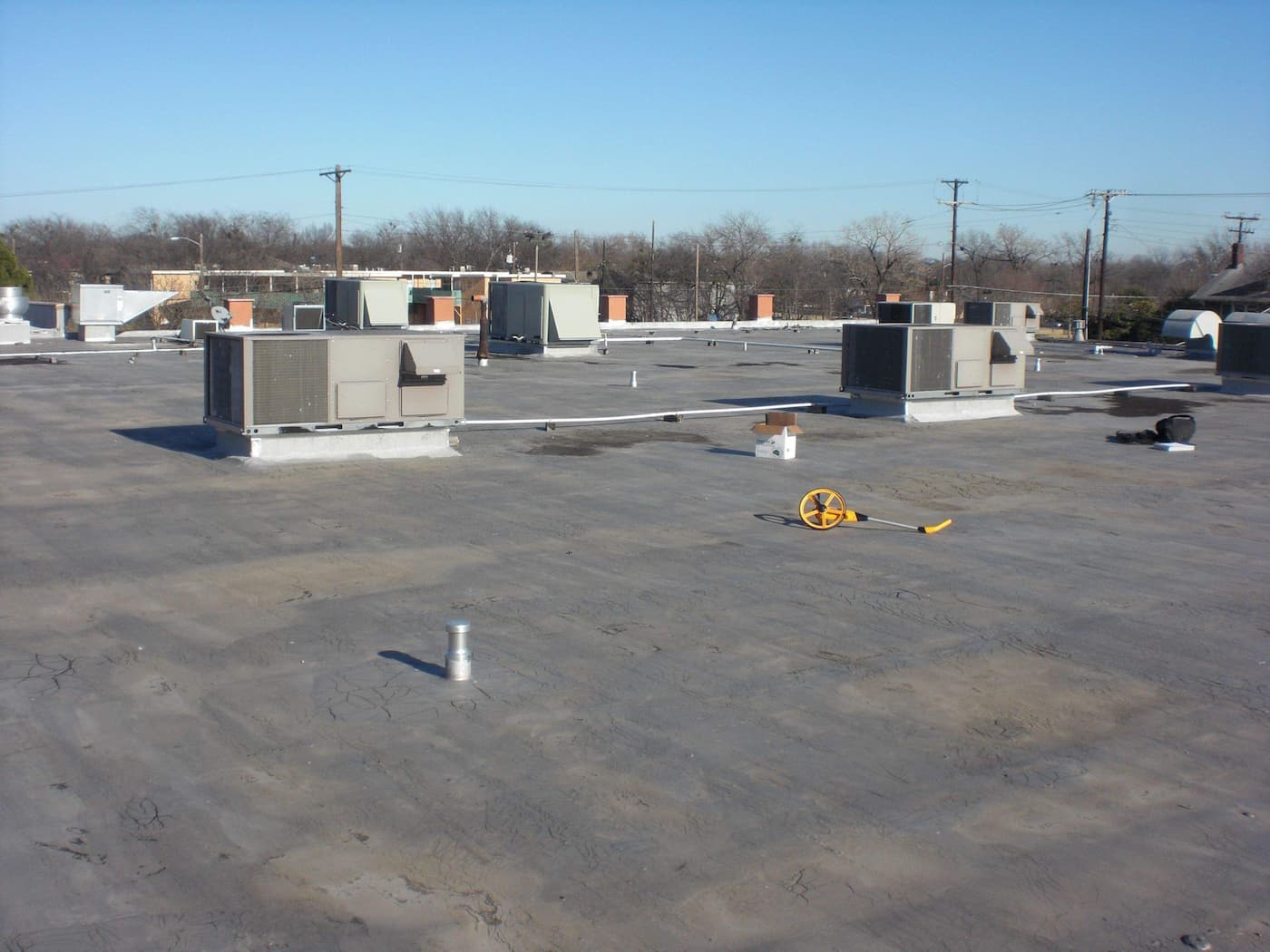
Hail Damage Roof Repair
Hail Damage Roof Repair is scoped around High Plains wind and hail exposure, Laramie County public buildings, and Dell Range Boulevard retail roofs. The scope stays practical: stop water first, document the roof, then choose the repair or replacement path that fits the building.
View Scope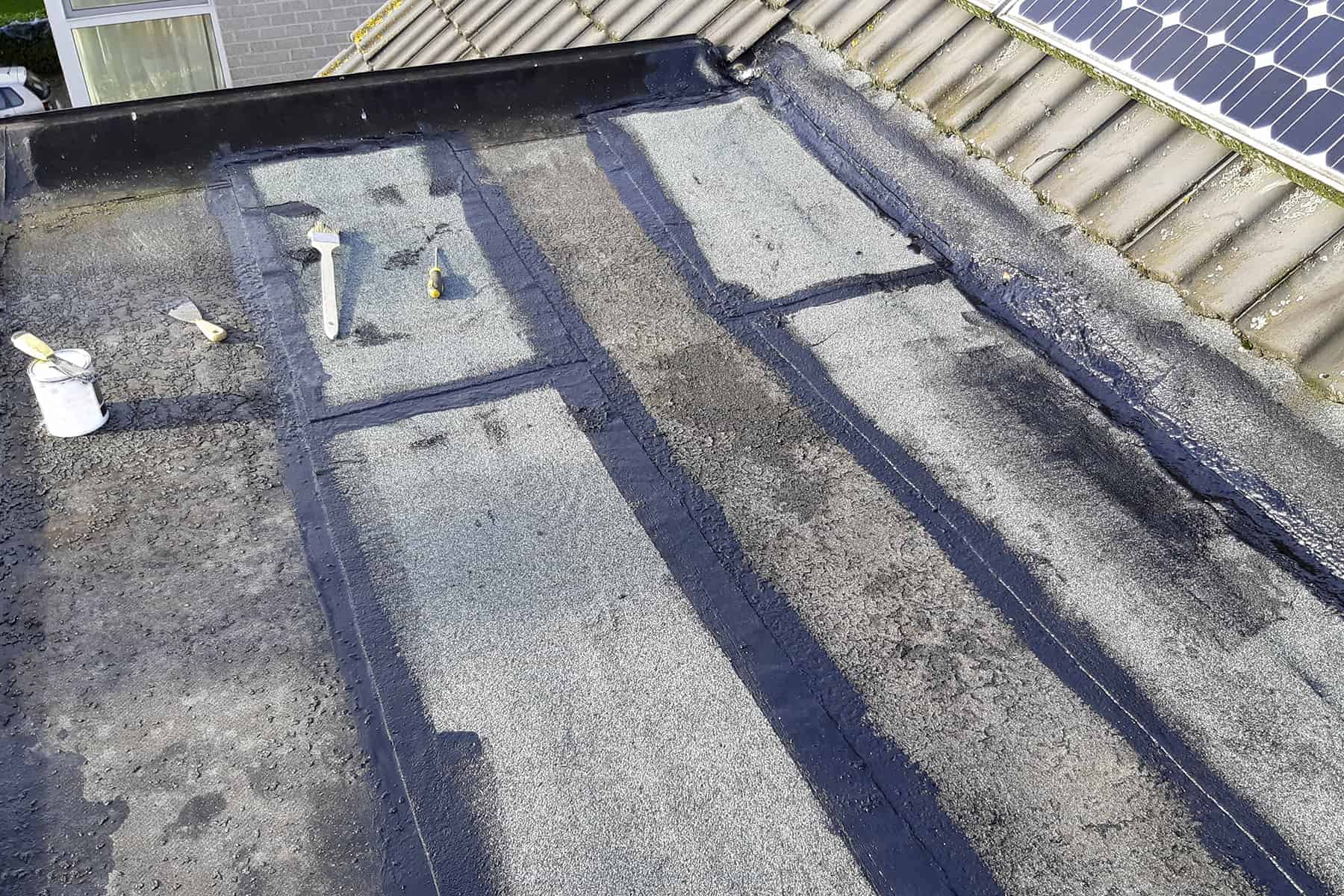
Flat Roof Repair
Flat Roof Repair is scoped around North Range Business Park warehouses, the I-25 and I-80 freight interchange, and Frontier Mall and nearby service buildings. We keep access, weather windows, and tenant disruption in the plan before crews step onto the roof.
View Scope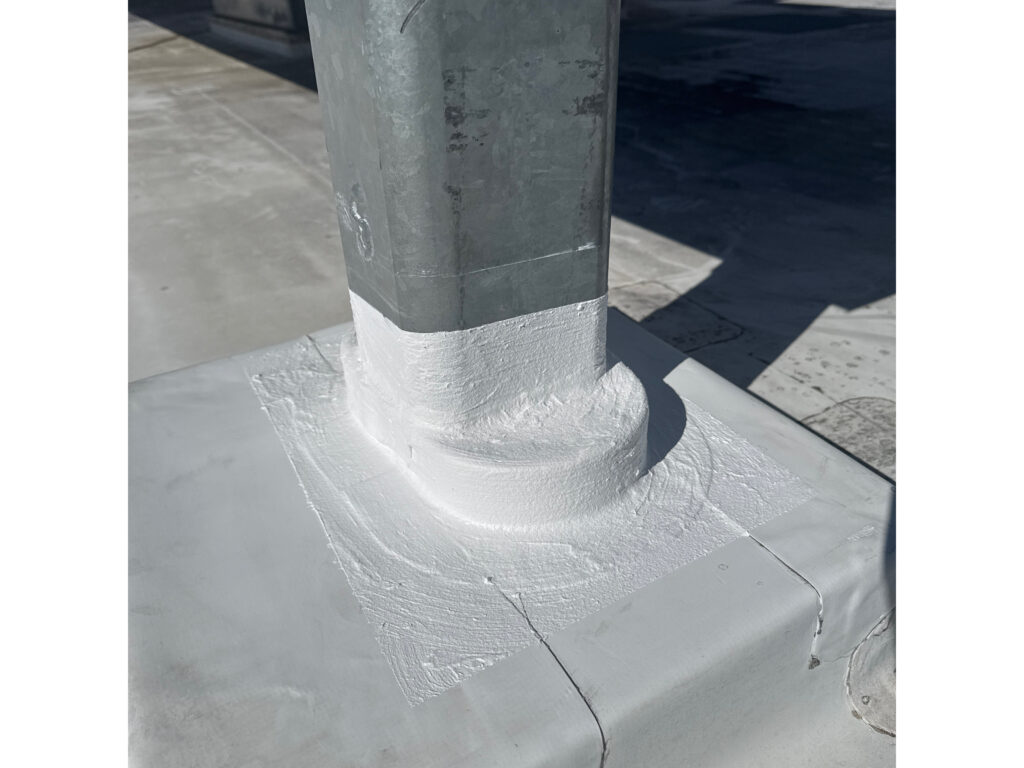
Roof Flashing Repair
Roof Flashing Repair is scoped around North Range Business Park warehouses, the I-25 and I-80 freight interchange, and Frontier Mall and nearby service buildings. Every recommendation is tied to observed conditions, not a prewritten roof package.
View ScopeGet the roof decision into writing.
Tell us what changed on the roof, where the building sits, and who needs the report. We will turn the next step into a clear scope.